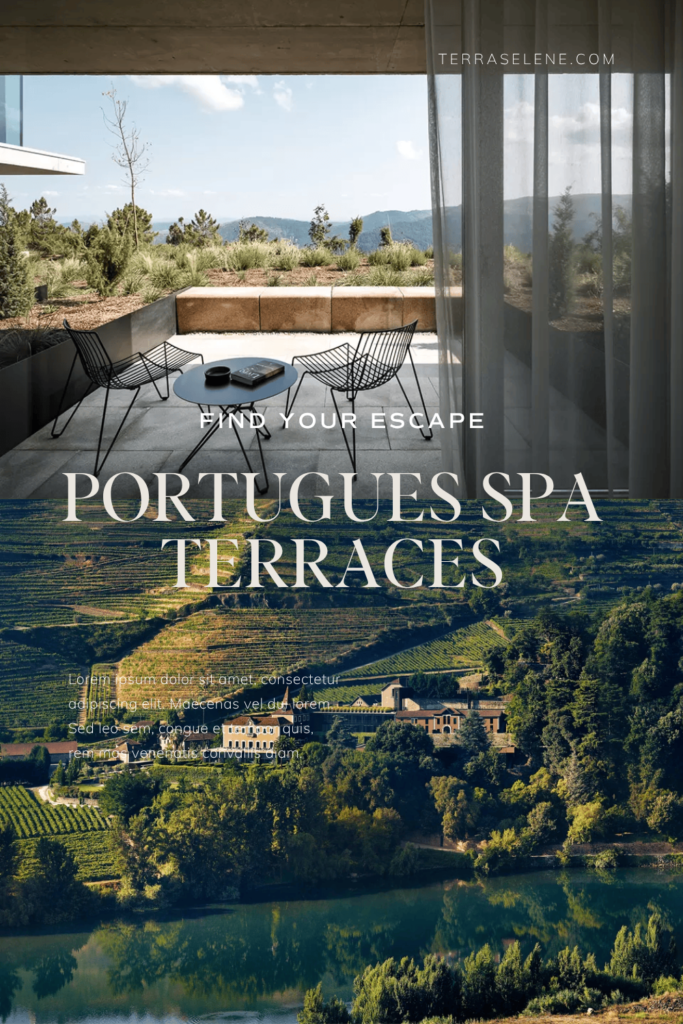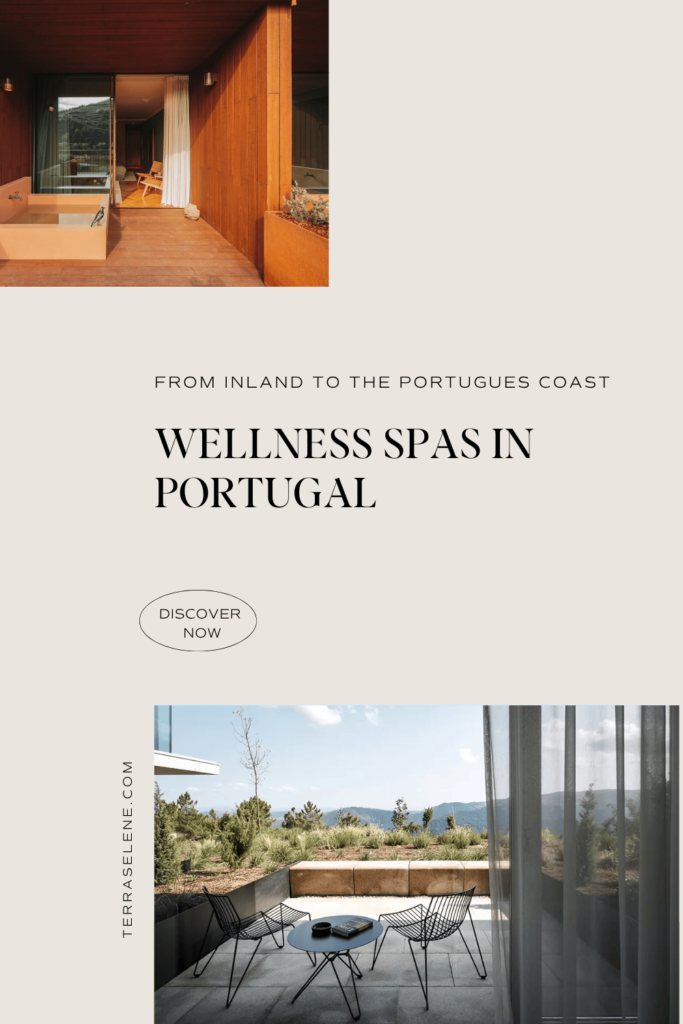
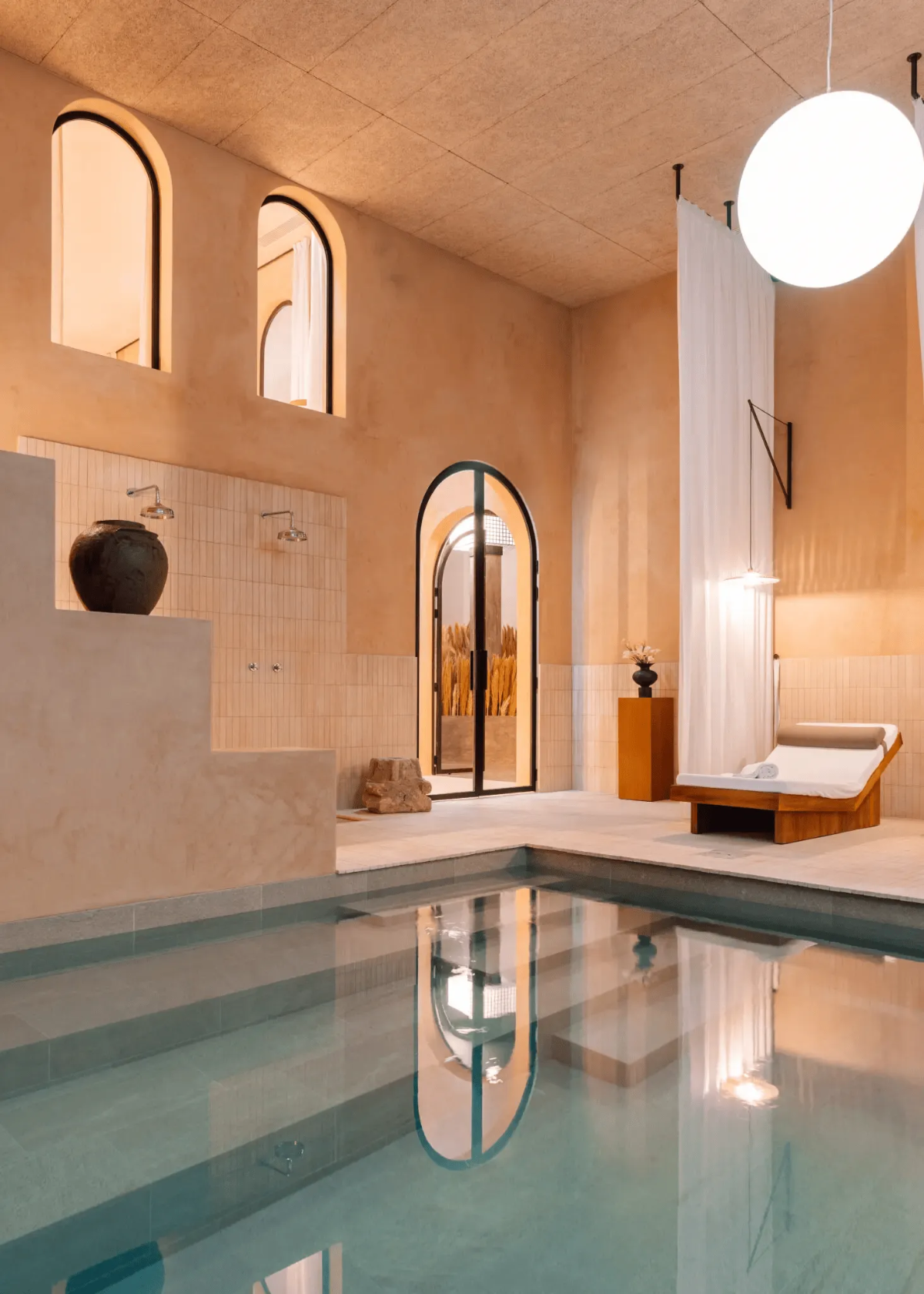
The first thing you notice in a spa in Portugal is sound, or rather, its absence. Inside a Roman-era bathhouse at Chaves, the trickle of 39°C mineral water echoes off granite vaults. Two hundred kilometers south, Atlantic rollers boom against ochre cliffs, yet the moment you sink beneath a saltwater flotation pool, the roar fades and a heartbeat hush returns. That contrast, thermal calm against coastline drama, captures why the country now outranks many larger European neighbors on every global wellness index. It is a land where seventh-century monks chiselled grottoes for prayer and hydrotherapy in the same valley; where contemporary architects build glass-walled retreats that let you watch winter rain recharge hillside springs; and where stunning beaches, Michelin-star restaurants, and vineyard footpaths sit within one easy rail link of a medieval city center.
These tranquil oases for relaxation and well-being are set amid natural beauty and serene landscapes. Seasoned travelers talk about Iceland’s lagoons, Baden-Baden’s palaces, or Bali’s jungle retreats, yet they often discover these destinations late, then wonder why they waited so long. A single week can move you from Lisbon’s yellow trams and azulejo-lined cobbled streets to fumarole-fed pools in the Azores via terraced vineyards above the Douro Valley. Families chasing sunshine find beautiful beaches in the Algarve, digital nomads book cowork passes at surf-front wellness hubs, and heritage seekers lose hours in Neo-Manueline marble that feels cut for fairy tales.
Everyone, however, arrives for the same reason: well-being. The locals call it saúde, health that embraces mind, body, land, and sea. Below, you’ll follow a flowing itinerary, north to south, mainland to islands, that stitches twelve flagship resorts, including two bonus Lisbon hideouts, into one coherent route. Along the way, consider detouring to Portugal’s most idyllic farm-stay escapes to balance thermal indulgence with dawn milkings and vineyard sunsets. By the end, you will know exactly where to book for a romantic or solo wellness-infused trip and why a second soak in iron-rich water is often the perfect place to recover from jet lag. Portugal offers a diverse wellness scene, including luxury retreats, historic thermal baths, city options, and unique experiences.
Some links in this post are affiliate links. That means we may earn a small commission, at no additional cost to you.
Why Portugal Spa Culture Endures
Roman-Era Hydrotherapy Roots
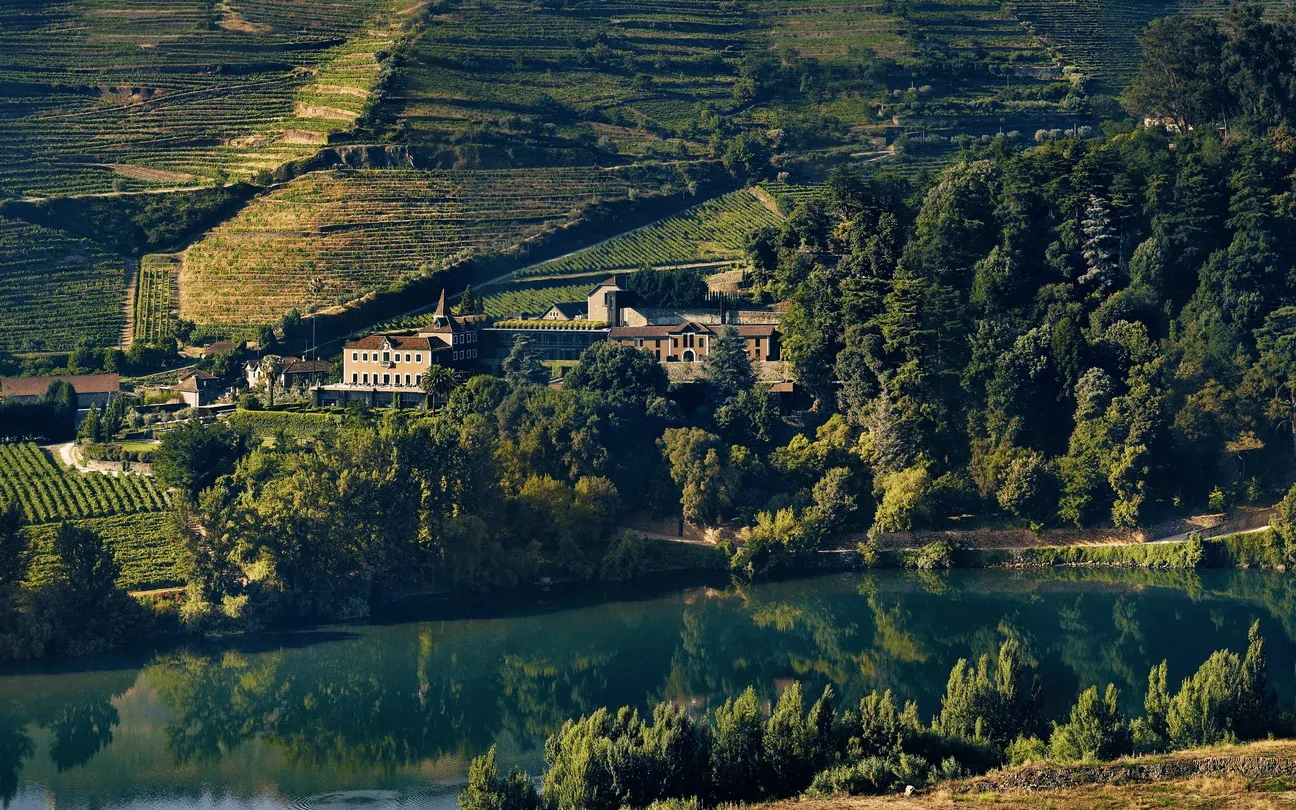
Archaeologists have uncovered mosaics near Chaves showing senators moving through caldarium, tepidarium, and frigidarium cycles two millennia ago. Those mineral-rich springs still surface at Vidago Palace Hotel, where marble pillars frame a quiet thermal pool. The Romans believed alternating hot and cold immersion stoked “sanitas per aquam,” and this philosophy runs so deep that it effectively shaped what we now call the Portugal spa tradition. Contemporary Portuguese physicians still prescribe balneotherapy for arthritis, respiratory issues, and burnout, a direct line from Roman practice to modern wellness.
Thermal Springs and Vinotherapy
The Douro Valley, the world’s oldest demarcated wine region, layers another healing agent atop water: grapes. Tannins, resveratrol, and grapeseed oil form the backbone of vinotherapy at several Portuguese spa destinations. Vine barrel soaks at Six Senses Douro Valley combine warm spring water with organic cabernet must, while Monverde Wine Experience Hotel uses chilled grape pips in contrast baths. The ritual mirrors vineyard life: heat for fermentation, cold for clarification.
For a broader view of Portugal, these pieces extend the journey:
- Portugal Beaches: A Slow Guide to the Algarve and Beyond
- Farm Stay Portugal: 13 Rural and Vineyard Escapes for 2026
- Essential Things to Do in Lisbon for Curious Explorers
- Sintra Portugal: Romantic Palaces, Mist-Cooled Forest Trails and Moorish Castles
Featured Spa Hotels
Portugal’s spa culture reaches its fullest expression in the hotels below, each chosen as they embody a distinct facet of the country’s wellness tradition, being Roman-era mineral springs, vinotherapy rituals rooted in Douro terroir, or Atlantic thalassotherapy on a clifftop. Taken together, they map a journey that moves from granite river valleys in the north to sun-bleached coastlines in the south, with every stop offering something that larger, better-publicized European destinations rarely match: intimacy, authenticity, and a genuine connection between landscape and healing.
Northern Portugal
Northern Portugal anchors the regional wellness story in granite, river mist, and vine-scented air. This is where Roman legions first tapped mineral springs along the Douro and Minho valleys and where the Portuguese spa tradition runs deepest. Today, that same landscape hosts some of the country’s most celebrated wellness destinations: palace hotels perched above terraced vineyards, converted manor houses fragrant with fermenting must, and urban retreats tucked inside Porto’s repurposed factory buildings. Whether you arrive by train along the Douro line or wind down from the Serra do Marão on a quiet morning, the north rewards slowness. A local wellness experience here means barrel baths infused with Touriga Nacional pulp, granite steam rooms fed by hillside springs, and post-treatment dinners where the wine list doubles as a geology lesson. The four properties below each interpret that northern character differently, yet all share the same essential quality: a sense that healing and landscape are inseparable.
Six Senses Douro Valley
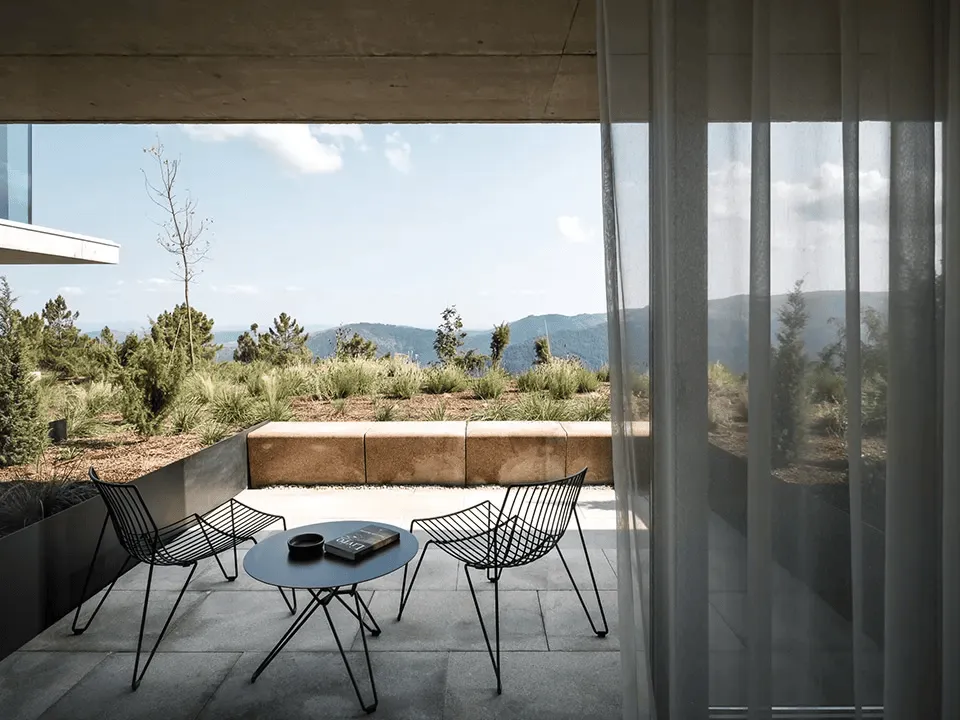
Located within the terraced vineyards of the Douro Valley, just outside Peso da Régua, the Six Senses Douro Valley is a restored nineteenth-century estate that anchors one of the region’s most established wellness offerings. The property sits within its own grounds, surrounded by working vineyards, with views extending across the river valley. The hotel balances heritage architecture with contemporary intervention. Original structural elements remain intact, while interiors introduce a lighter, more modern palette. Rooms and suites are spacious, with a focus on comfort and environmental control, including adjustable lighting, sound insulation, and considered sleep design rather than overt technology.
Wellness is a central component of the experience. The spa spans a significant portion of the estate and includes treatment rooms, indoor and outdoor pools, and thermal facilities. The approach combines international spa practices with regional influence, particularly through vinotherapy, which draws on the byproducts of local wine production. Treatments incorporate grape extracts and natural antioxidants, linking the spa offering directly to the surrounding landscape.
Beyond the spa, the hotel integrates the Douro’s cultural and agricultural context into its programming. Wine-focused experiences, including tastings and blending sessions, are available on-site, alongside guided walks through the surrounding forests and vineyards. These activities provide structure to the stay without requiring guests to leave the property.
Dining follows a similar philosophy, with menus shaped by seasonal produce and regional sourcing, complemented by an extensive wine program that reflects the Douro’s significance as a wine-producing region.
Demand at the Six Senses Duoro Valley varies significantly throughout the year. The harvest season, typically late summer into early autumn, sees the highest occupancy levels, and booking in advance is highly recommended during this period. The estate is easily accessible by car, with on-site parking and electric vehicle charging available.
Torel Quinta da Vacaria, Douro Valley
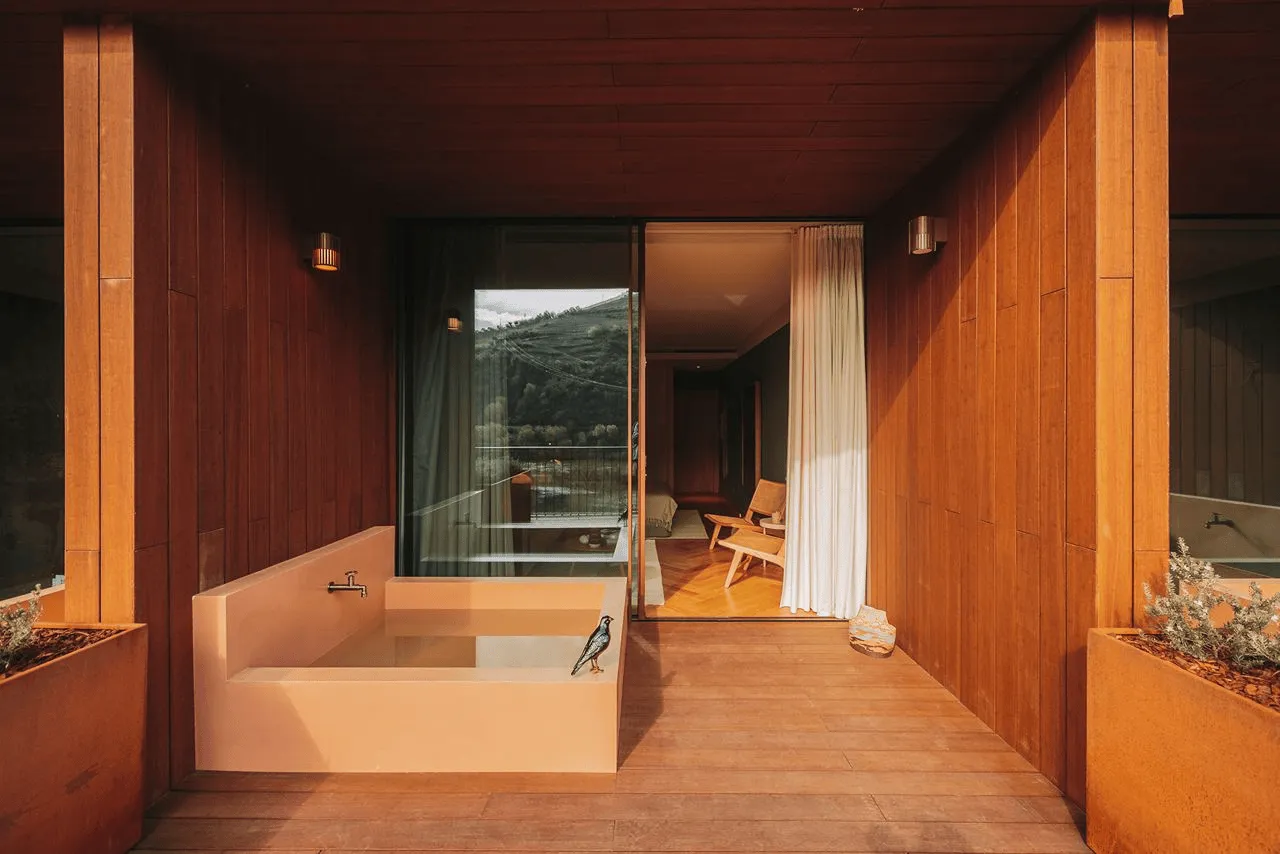
Situated just outside Peso da Régua, Torel Quinta da Vacaria is set within a working wine estate overlooking the Douro Valley. The property centers around a restored manor house, with surrounding vineyards shaping both the setting and the experience of the stay. The hotel operates at a boutique scale, with a limited number of suites distributed across the estate. Interiors reference the region through material and tone, incorporating timber, stone, and muted color palettes. Many rooms open onto private terraces or balconies with direct views across the rolling vineyard terraces, reinforcing the connection to the landscape.
The wellness facilities at the spa include thermal areas and treatment rooms, with a focus on relaxation and recovery rather than complex programming. Some treatments draw on wine-derived ingredients, reflecting the estate’s core identity, though the overall approach remains straightforward and accessible.
The broader experience is shaped by the working nature of the property. Guests have access to wine tastings, guided sessions, and informal education around local grape varieties and production methods. These elements are positioned as part of the stay rather than standalone attractions.
Dining follows the same regional emphasis, with menus built around seasonal ingredients and local sourcing, supported by a wine program that reflects both the estate and the wider Douro.
Demand increases during the harvest period in September, when the region is most active. Outside of this window, availability is more consistent, particularly during the week.
The Rebello
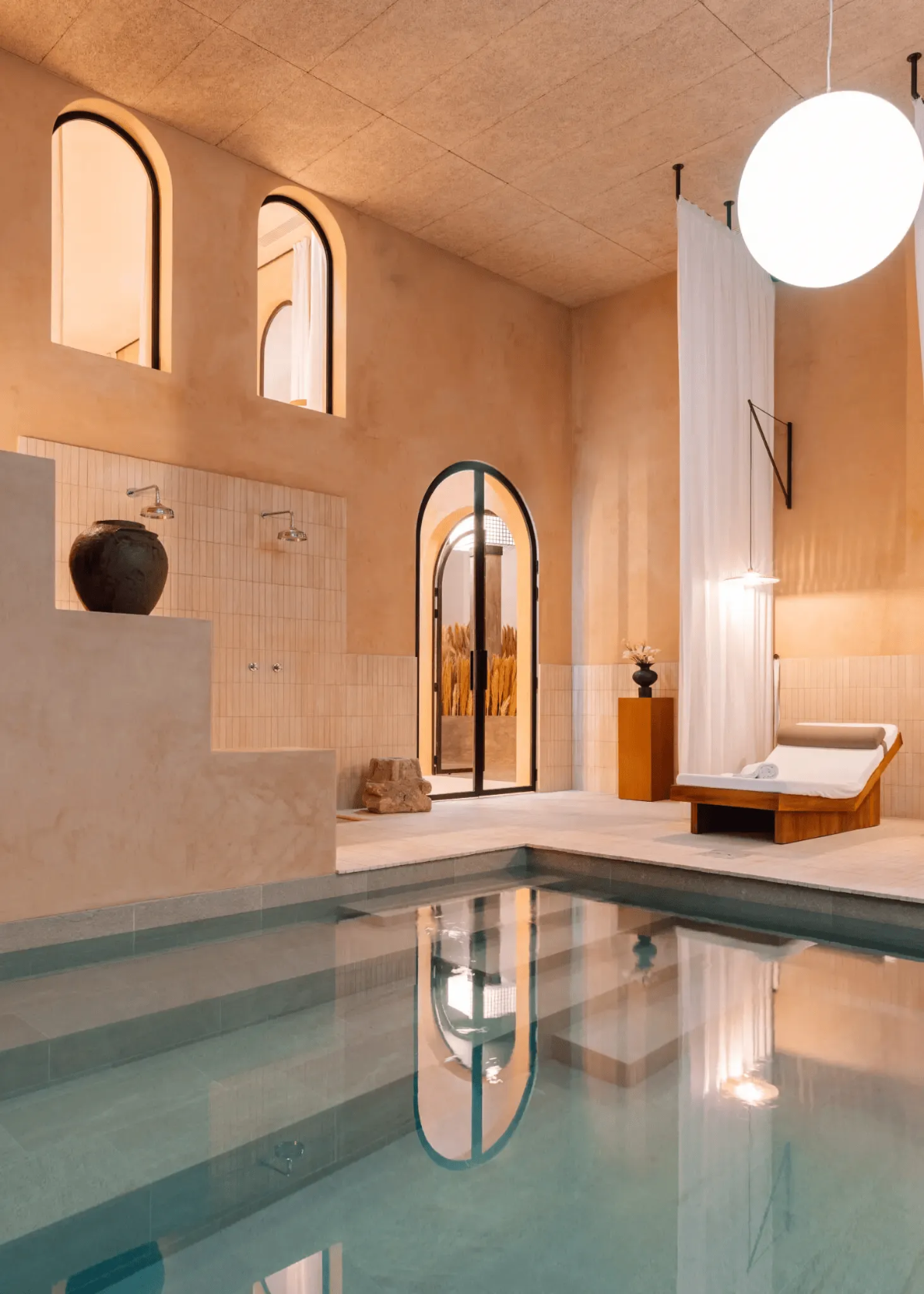
Located on the south bank of the Douro River in Vila Nova de Gaia, The Rebello occupies a converted industrial building within walking distance of Porto’s historic center. Positioned just across the river from Dom Luís I Bridge, the hotel offers direct access to the city while maintaining a quieter, more residential setting. The architecture retains its warehouse origins, with exposed brick, steel elements, and a saw-tooth roofline defining the structure. Interiors follow a loft-style layout, with open-plan suites, large windows, and a mix of industrial and residential detailing. Many rooms face the river, with views extending toward Porto’s skyline.
Wellness is present without dominating the experience. A compact spa includes thermal features and treatment rooms, while the rooftop pool introduces a more visual element, positioned to take in the shifting light across the Douro. The facilities are designed to complement time spent in the city rather than replace it.
Accommodation is flexible, with layouts suited to both short stays and longer visits. Interconnecting options and shared lounge spaces support groups and families, giving the hotel a more residential character than a conventional city property.
The restaurant anchors the ground level, offering a contemporary interpretation of Portuguese cuisine with an emphasis on regional produce and seafood. The tone remains consistent with the rest of the hotel – considered, but not overly formal.
In practical terms, the location works well for navigating Porto. Light rail connections are within easy reach, reducing the need for a car. Underground parking is available, though access is better suited to standard-sized vehicles. Availability tends to open up midweek, particularly outside peak travel periods.
Vila Foz Hotel & Spa
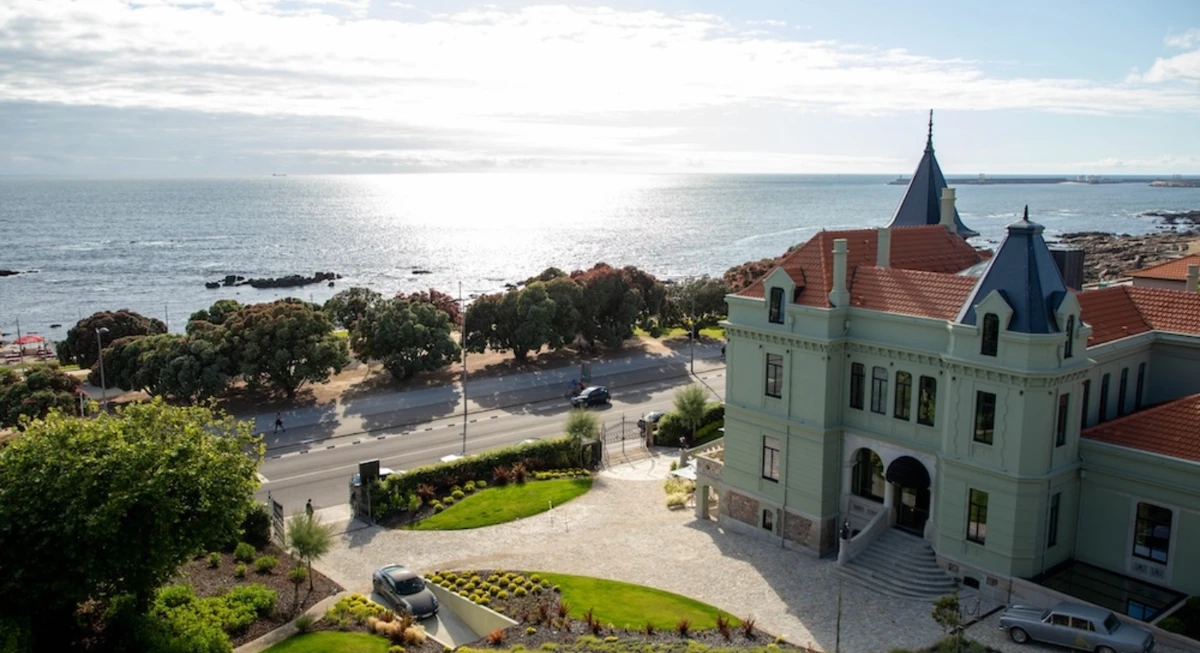
In Porto’s Foz district, where the city meets the Atlantic, Vila Foz is set within a restored early twentieth-century residence, complemented by a contemporary extension positioned just behind it. The shift in setting changes the pace entirely, trading the density of the historic center for a quieter, coastal environment shaped by sea air and open space. The property is divided across two architectural expressions. The original house retains its formal layout and period detailing, while the newer structure introduces a more restrained, modern design language. This duality carries through to the rooms, where some reflect the proportions and finishes of the mansion, while others lean toward a more minimal, contemporary approach.
The spa sits within the newer wing and is designed as a contained wellness space rather than a destination in itself. A hydrotherapy circuit, thermal areas, and treatment rooms provide a complete but measured offering, suited to guests looking to incorporate downtime alongside time in the city. Treatments follow established techniques, with an emphasis on recovery and ease rather than complexity.
Dining is one of the hotel’s strongest differentiators. The Michelin-starred restaurant anchors the experience, with a menu that draws heavily from the Atlantic. Seafood-led dishes reflect both proximity and seasonality, reinforcing the connection between the property and its location.
The surrounding neighborhood supports a more relaxed rhythm. The seafront promenade is within easy reach, while central Porto remains accessible when needed. This balance makes the hotel particularly suited to those looking to split their time between urban exploration and a quieter coastal base.
Availability tightens during the summer season, especially over weekends, when demand for ocean-facing properties increases. Outside of these periods, booking is generally more flexible. Valet parking is included, and electric vehicle charging is available on-site.
The Green Minho and Mountain Air
Tucked between the Lima and Minho rivers, Portugal’s northernmost province rewards those who arrive without a schedule. Mornings here carry the scent of eucalyptus and damp granite; afternoons dissolve into vine-shaded terraces where the only urgency is the angle of the light. This is where a wellness journey takes on a distinctly elemental character, less about curated luxury and more about the land itself doing the work. Thermal springs bubble up through schist at Monção and Melgaço, their sulfurous warmth long prescribed by local physicians for joint pain and respiratory fatigue. Manor houses converted into spa hotels channel that same mineral water through slate-lined plunge pools and cedar steam rooms, framing every treatment with views of mist-draped hillsides that feel unchanged since the Celts first settled the valley floors.
Mountain air at these altitudes carries a measurable clarity, lower pollen counts, cooler humidity, and a stillness that urban wellness retreats spend considerable effort trying to replicate. Guests who walk the Caminho de Santiago variant through the Minho before checking in often report that the trail itself functions as a preamble to the spa, muscles already loosened and their minds already quieted. What follows in the treatment room, a warm seaweed wrap, a percussion massage with local chestnut oil, or simply an hour floating in a geothermal pool, lands with unusual depth.
For those seeking an itinerary where thermal tradition is at its most unmediated, the Green Minho offers exactly that: healing drawn straight from the mountain.
Monverde Wine Experience Hotel
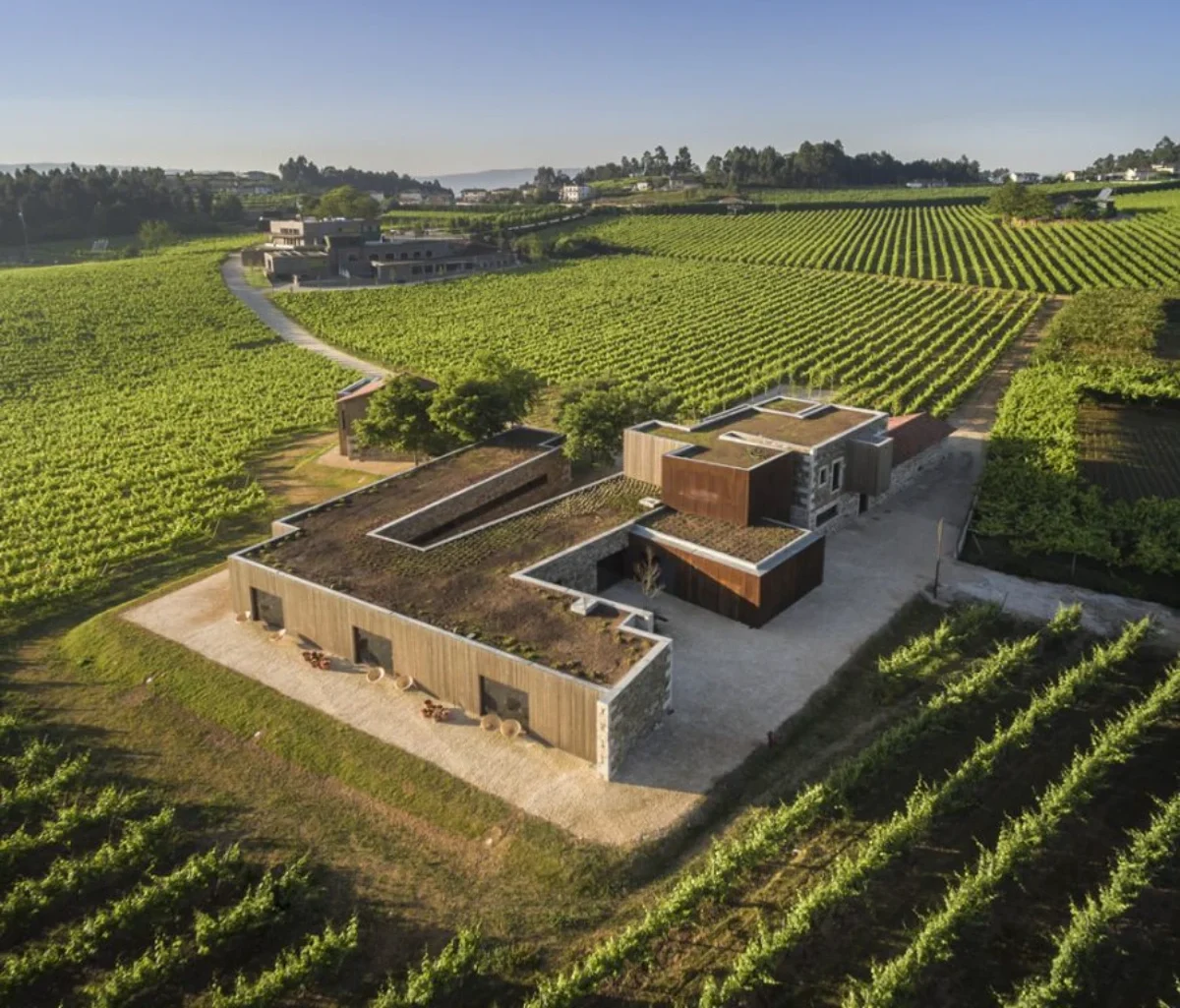
Monverde Wine Experience Hotel brings the Vinho Verde region into the stay without turning the property into a theme. Spread across a working wine estate near Amarante, it offers a quieter northern counterpoint to the Douro, with vineyards, forest, and low-slung architecture shaping the experience. Suites are arranged throughout the estate rather than held within one main building. Timber, glass, and muted interiors keep the design restrained, while terraces and outward-facing windows draw attention back to the vines. The effect is calm, rural, and more immersive than decorative.
The spa adds a gentle wellness layer, with treatment rooms and an indoor pool supported by biomass heating. Wine-derived ingredients appear in selected treatments, but the approach remains measured rather than overly ritualized.
The strongest reason to stay here is the estate itself. Guests can take part in tastings, vineyard walks, and wine education through the on-site school, while walking and cycling routes make the surrounding landscape easy to access. Families have space to move, and couples have enough privacy for a slower, more contained stay.
Availability is generally reliable outside the late September harvest period. On-site parking is available, and two nights is enough to experience the estate, the spa, and the surrounding Minho countryside without rushing.
Casa de São Lourenço
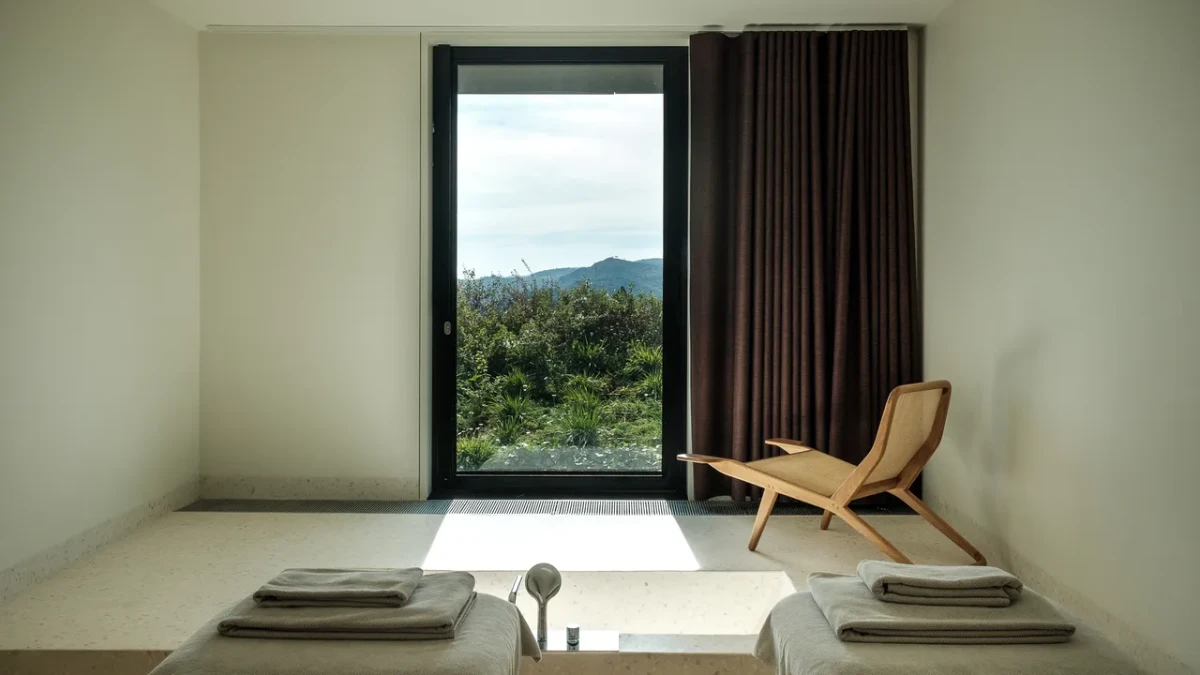
Positioned at altitude within the Serra da Estrela Natural Park, Casa de São Lourenço is a contemporary mountain property overlooking the Zêzere Valley. The setting is defined by its elevation and exposure, with uninterrupted views across a glacial landscape that shifts significantly between seasons. The architecture combines glass, stone, and Burel wool, a traditional textile native to the region, creating a structure that feels both contemporary and regionally grounded. Interiors are deliberately warm in contrast to the surrounding terrain, with underfloor heating, generous room proportions, and beds oriented toward the valley to maximize natural light and visibility.
Wellness facilities are designed to engage directly with the environment. The spa includes a hydrotherapy pool, sauna, and treatment rooms, with a focus on heat, circulation, and recovery. Experiences are simple but effective, often incorporating local botanical elements and temperature variation rather than complex treatment layering.
The restaurant reflects the same regional focus. Menus draw from mountain produce and seasonal availability, with ingredients such as Serra da Estrela cheese, honey, and grains appearing regularly. The approach is grounded in locality rather than interpretation, offering a clear sense of place through food.
Access can be affected during winter months due to being shaped by the landscape, particularly in January, when snowfall impacts road conditions. Snow chains are typically required from late autumn through early spring. On-site parking is available, and multi-night stays are common, allowing time to engage with the surroundings at a slower pace.
Lisbon and Centro
The Portuguese capital and the broad Centro region stretching north toward Coimbra offer a wellness experience that feels genuinely urban yet never hurried. Lisbon’s miradouros and azulejo-tiled lanes sit only minutes from rooftop hydrotherapy pools and candlelit treatment rooms tucked inside converted palaces. Centro, meanwhile, draws on a quieter thermal tradition, where hilltop villages with iron-rich springs have fed bathhouses since the Moorish era. Here you’ll discover how modern-day wellness architects have layered glass and slate over Roman foundations without disturbing the mineral silence beneath.
Together, the two zones let you move between the high energy of the city and the stillness of the countryside within a single day, catching a morning tram to a Lisbon spa hotel, then boarding an afternoon train toward the Serra da Estrela. Whether you are chasing a full-body massage with Atlantic sea salt, a flotation session above Lisbon’s rooftops, or a balneotherapy soak prescribed by a resident physician in a quiet spa town, this corridor delivers the full range of the Portuguese spa culture without requiring you to travel far.
The Lumiares
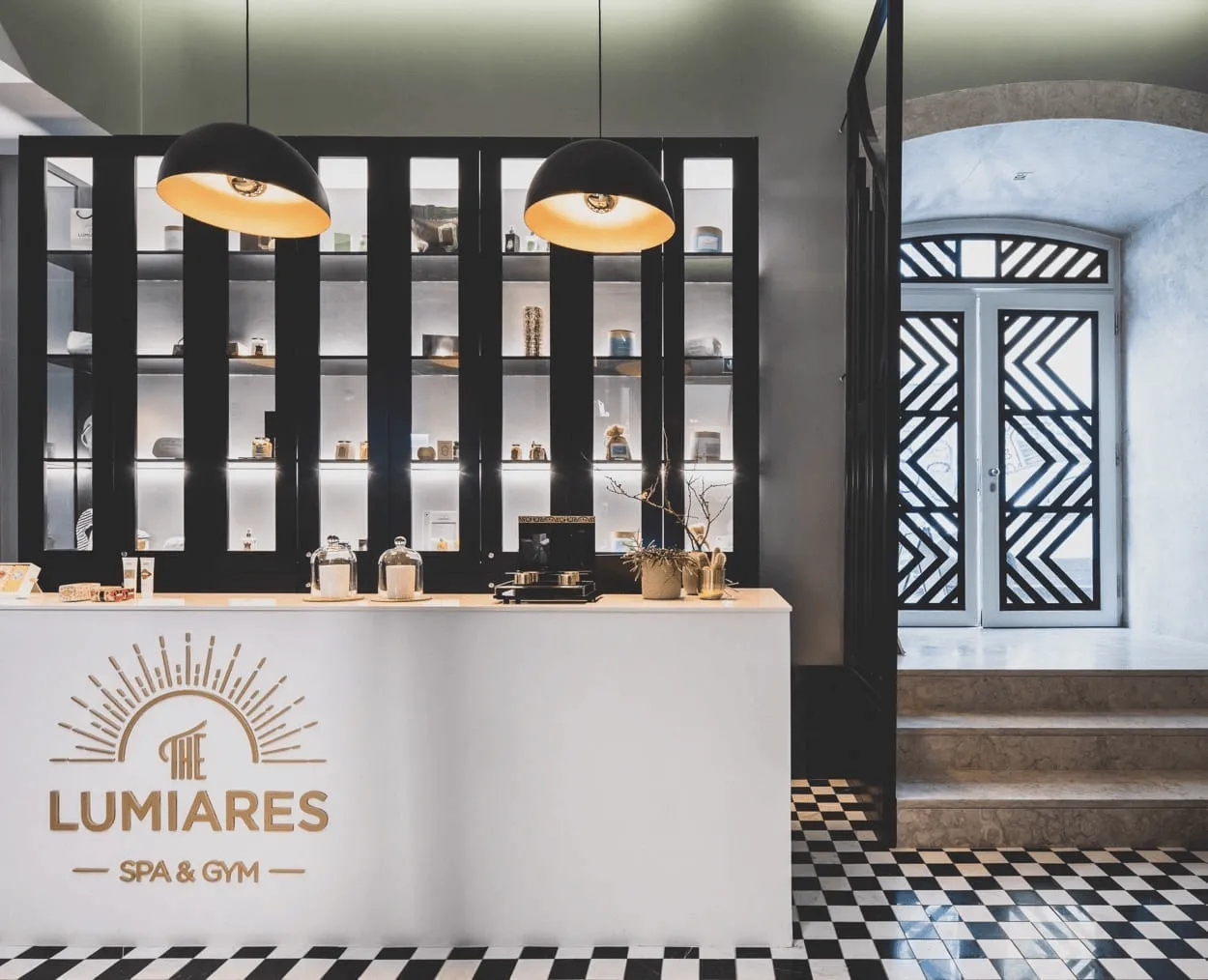
Set within Bairro Alto, one of Lisbon’s most characterful districts, The Lumiares occupies a restored seventeenth-century building positioned just moments from the Miradouro de São Pedro de Alcântara. The location places you directly within the city’s rhythm, where viewpoints, restaurants, and late-night culture unfold within walking distance.
The property operates as a hybrid between a boutique hotel and a serviced residence. Accommodation is configured as spacious suites, many with separate living areas and fully equipped kitchens, offering a more residential experience than a traditional hotel stay. This format suits longer stays or those moving through Portugal on a multi-stop itinerary.
Design draws from local materials without becoming overly referential. Cork, brass, and ceramic tile are used with restraint, layered into a contemporary framework that feels grounded in place while remaining clean and functional.
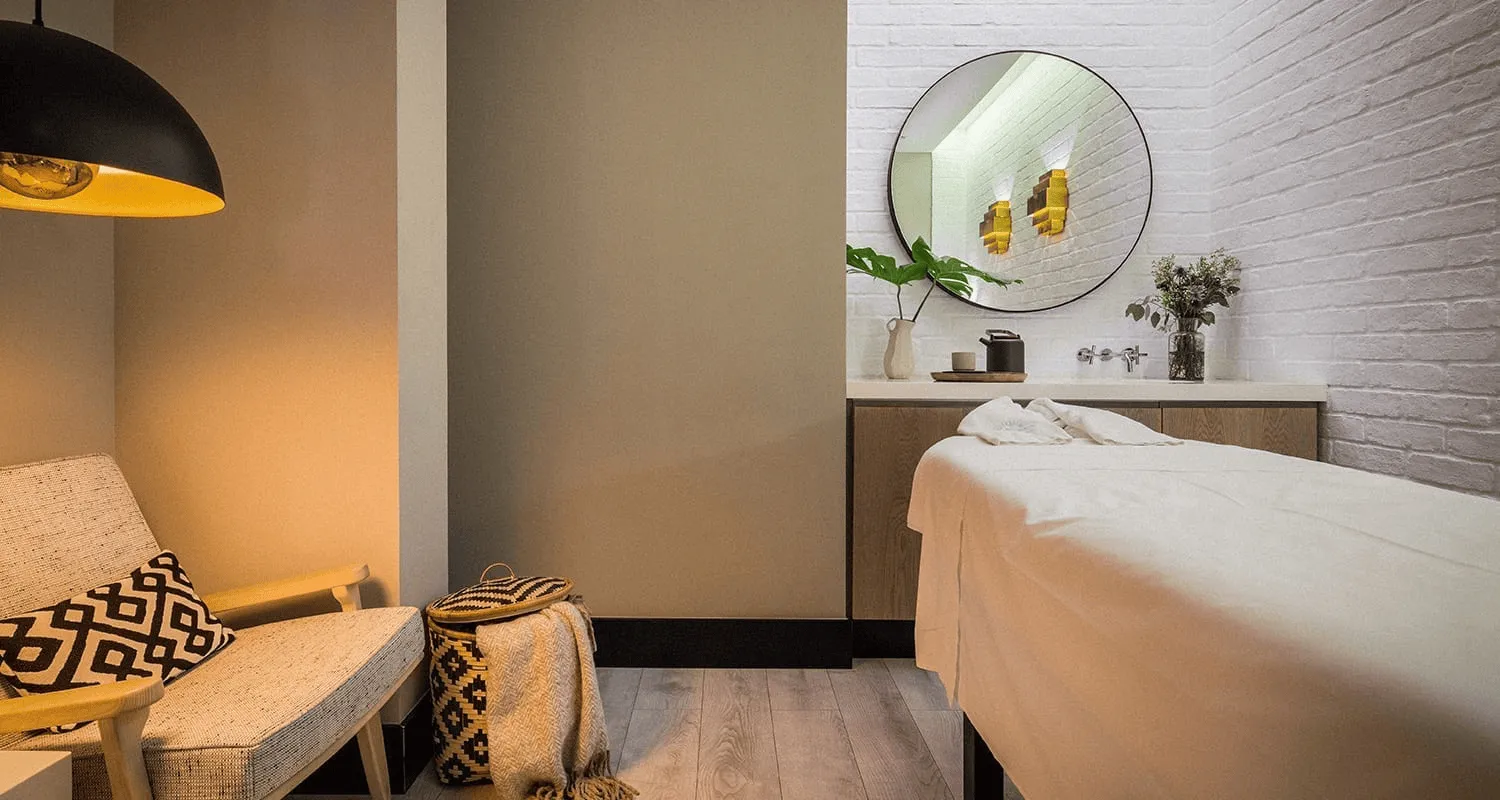
Wellness facilities are more intimate in scale, located discreetly below the main floors. The spa includes treatment rooms and a vitality pool, offering a quieter counterpoint to the energy of the surrounding neighborhood. Signature treatments incorporate sensory elements rather than complex rituals, keeping the experience focused and accessible.
Above, the rooftop acts as a social anchor for the property. With dining and bar spaces overlooking the city, it provides a clear transition from day to evening without requiring guests to leave the hotel. The setting is particularly well-suited to Lisbon’s slower, late-start dining culture.
From a practical standpoint, the building’s historic setting shapes how the hotel operates. There is no on-site parking due to the narrow streets typical of this part of the city, though nearby garage options can be arranged in advance through the concierge. Demand increases during major events such as Web Summit and the June festivities tied to the Feast of Saint Anthony, when the neighborhood becomes especially active. Outside of these periods, availability is generally more fluid.
Corinthia Lisbon
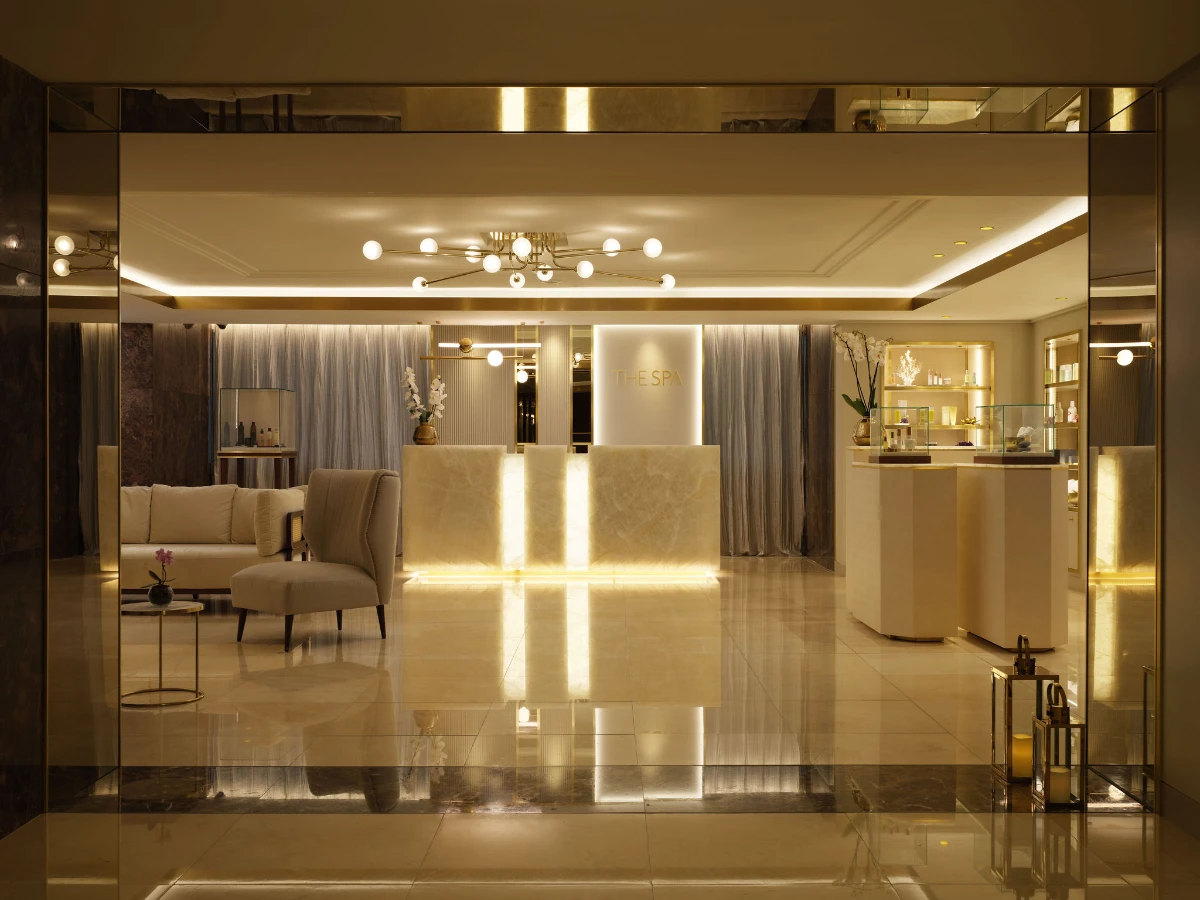
Located in Lisbon’s northern district, Corinthia Lisbon operates at a markedly different scale from the city’s boutique offerings. With over 500 rooms, the property functions as a full-service urban hotel, positioned within easy reach of the historic center while maintaining a quieter, more residential setting. Many rooms look toward the Águas Livres Aqueduct, offering a direct visual link to one of the city’s defining architectural landmarks. Sustainability efforts are integrated at an operational level. Green roofing, water recycling systems, and energy-conscious infrastructure are part of how the hotel runs, rather than presented as focal features.
The hotel’s defining feature sits below ground. Its spa is one of the largest in Southern Europe, built around an extensive hydrotherapy circuit that includes a sequence of thermal pools, a tepidarium, sensory showers, and a salt flotation room calibrated for deep relaxation. The scale allows for a more immersive experience than typically found in urban properties, with dedicated space for both treatment and recovery. Treatment rooms number in the double digits, supporting a broad menu that draws from both international techniques and locally inspired rituals. The signature “Portuguese Journey” treatment references the country’s maritime history through its use of regional ingredients and layered, time-based therapy.
Above ground, the hotel balances its size with a measured approach to service. Concierge support is notably proactive, often arranging transport, reservations, and small logistical details in advance of arrival. The experience feels structured rather than overly formal, which suits the pace of a city stay.
Given its capacity, availability remains relatively stable throughout the year. Peak periods around late December and New Year see increased demand, though outside of these windows, securing a room is generally straightforward compared to smaller properties in the city.
Immerso Hotel
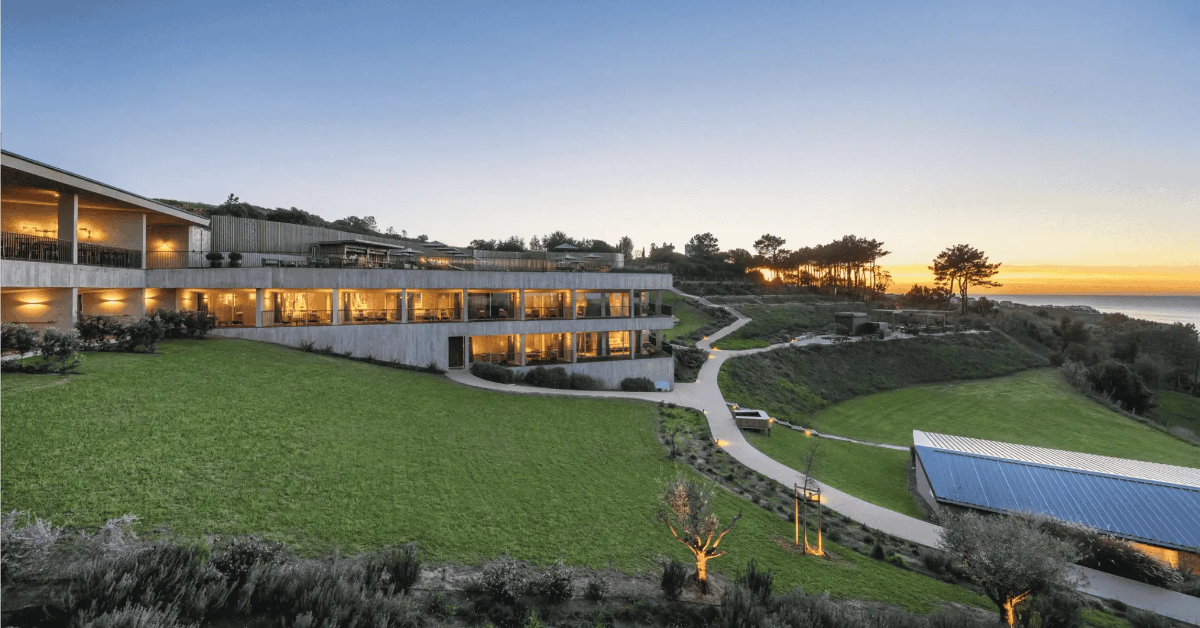
Set above the Atlantic coastline just outside Ericeira, the Immerso Hotel occupies a quiet hillside layered with cork trees and coastal vegetation. The setting feels removed without being remote, positioned roughly 40 minutes from Lisbon and overlooking the breaks of Ribeira d’Ilhas. The property is deliberately compact, with a limited number of rooms that keeps the atmosphere controlled and unhurried. Accommodation leans into a natural material palette, where timber, linen, and woven textures soften the architecture. Each room is oriented outward, drawing attention toward the ocean rather than inward to the interiors.
Wellness here is shaped by the coastline rather than a traditional spa framework. Treatments are influenced by surf culture and recovery, with bodywork focused on muscle release and circulation, alongside facials that respond to sun and salt exposure. A magnesium-based pool sits within a glazed space that opens toward the horizon, maintaining a constant visual connection to the water.
Time on the property extends easily into the surrounding landscape. Coastal sound sessions are scheduled in alignment with the environment, while electric bikes offer access to the ridgeline trails that trace the cliffs above the sea. The pace shifts naturally depending on conditions, with the ocean setting the rhythm of the stay.
Shared spaces are understated, allowing light and proportion to define the experience. Dining follows the same approach, with a focus on simplicity and a direct relationship to the setting rather than overt presentation.
With only 40 rooms, summer demand concentrates quickly, particularly across July and August, while quieter periods offer more flexibility when planning a stay. Parking is available on-site, and electric vehicle charging is supported through solar infrastructure.
Alentejo and the Algarve
South of the Douro and Tagus, the landscape shifts from granite and vine to cork oak, lavender plains, and sun-bleached limestone cliffs. Alentejo unfolds at a pace that feels almost geological, with vast estates where silence is interrupted only by cicadas and the creak of an old olive press. Here, wellness draws on the land’s own pharmacopeia, wild herbs, volcanic clay, and mineral-rich spring water.
Resorts such as the Sublime Comporta and Herdade dos Grous have mindfully woven this rural abundance into treatments that feel less like a standard spa menu and more like slow conversations with the landscape itself. Expect red-clay body wraps, cork-infused steam rituals, and outdoor massage pavilions shaded by centuries-old cork oaks.
Follow the road south, and the terrain tightens into the Algarve‘s dramatic coastline, where ochre sea stacks and Atlantic light conspire to make every moment feel cinematic. The regional Portugal spa offering here pivots toward thalassotherapy: seaweed wraps, saltwater flotation pools, and hydrotherapy circuits that draw directly from the ocean. Properties perched on clifftops above Sagres or Vilamoura blend that marine energy with contemporary architecture, so you move between an infinity pool and a treatment room without ever losing sight of the horizon.
Whether you arrive chasing winter sun or summer swells, this southern stretch completes your wellness journey with warmth, color, and an openness that feels entirely its own.
Sublime Comporta
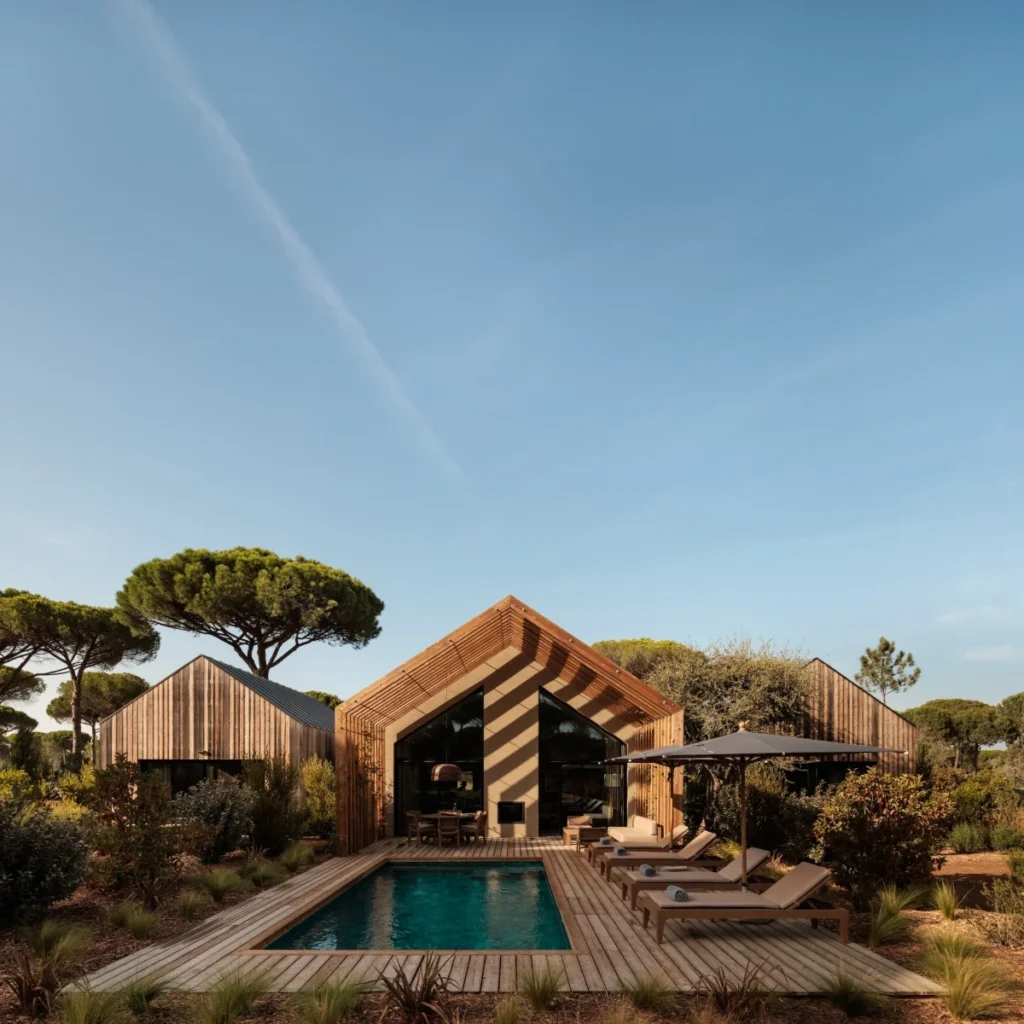
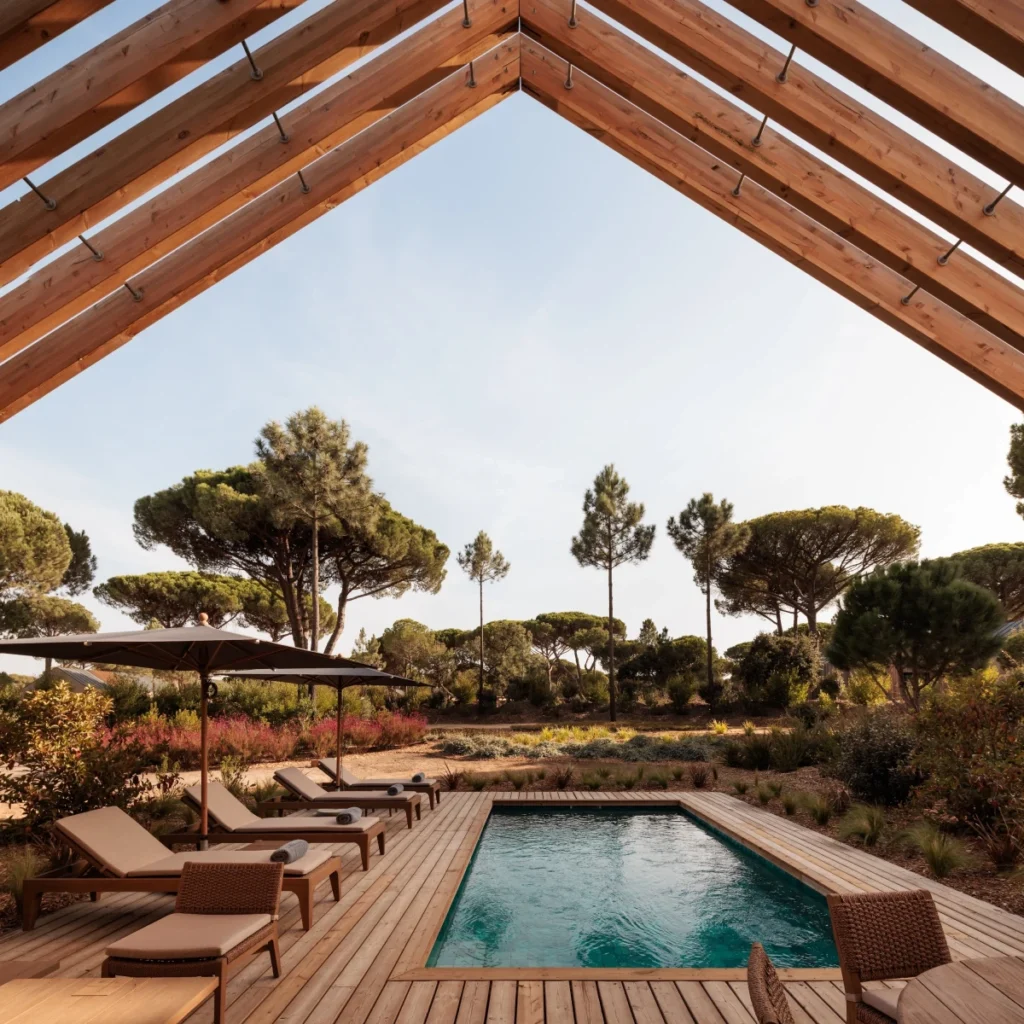
Sublime Comporta operates across a 17-hectare estate of umbrella pines and rice fields, positioned just inland from the Atlantic Coast. The property is intentionally low-density, with cabanas, suites, and villas dispersed throughout the grounds rather than concentrated in a single structure. Accommodation is designed to extend outward. Private terraces, fire pits, hammocks, and large glass openings orient each unit toward the surrounding landscape, with several overlooking the region’s characteristic rice paddies. Interiors remain neutral and textural, allowing the setting to define the atmosphere rather than competing with it. Sustainability is addressed through infrastructure rather than messaging. Solar energy contributes a significant portion of the property’s power, with additional capacity supporting the local grid.
The spa is integrated into the estate rather than isolated from it. Treatment rooms, sauna, and thermal facilities are arranged in a way that maintains continuity with the outdoors, while treatments draw on local botanical ingredients without overcomplicating the experience. The overall approach is grounded and consistent with the property’s wider positioning.
Experiences extend beyond the spa. Horseback riding along the dunes, stand-up paddle excursions in the Sado Estuary, and guided nature-based activities connect guests directly to the surrounding environment. The pace shifts naturally between structured experiences and unprogrammed time on the estate.
Demand peaks during August, when the region reaches full capacity. June and late September typically offer more flexibility, particularly for midweek stays.
Azores
The Azores archipelago offers a unique wellness experience distinct from the mainland. Here, the Atlantic itself becomes the treatment, where volcanic calderas exhale sulphurous steam, geothermal pools bubble up through black basalt, and the ocean wraps every island in salt-charged air that clears the lungs within minutes of arrival.
São Miguel, the largest island, is the natural starting point. Terra Nostra Garden Hotel in Furnas sits at the heart of it all, its famous iron-rich thermal pool staining swimsuits a deep amber and warming bathers to 39°C year-round, fed by springs that have been flowing since the sixteenth century. The surrounding botanical garden, planted with centuries-old tree ferns and camellias, turns a post-soak walk into something close to meditation. Beyond Terra Nostra, the island rewards those who explore on foot. Fumaroles hiss along the Caldeira Velha trail, and roadside pools near Ribeira Grande invite spontaneous soaks with views of the mist-draped crater lakes.
The Portuguese spa tradition here is less curated than on the mainland and more elemental; you are not so much booking a treatment as stepping into a living geothermal system. Several boutique hotels on Faial and Terceira have begun pairing this volcanic energy with structured wellness programs, offering thalassotherapy circuits, seaweed wraps sourced from local Atlantic beds, and breathwork sessions timed to ocean tides.
For those seeking a Portugal spa journey that feels genuinely otherworldly, the Azores delivers that in every plume of steam and every horizon-wide stretch of open sea.
Octant Furnas
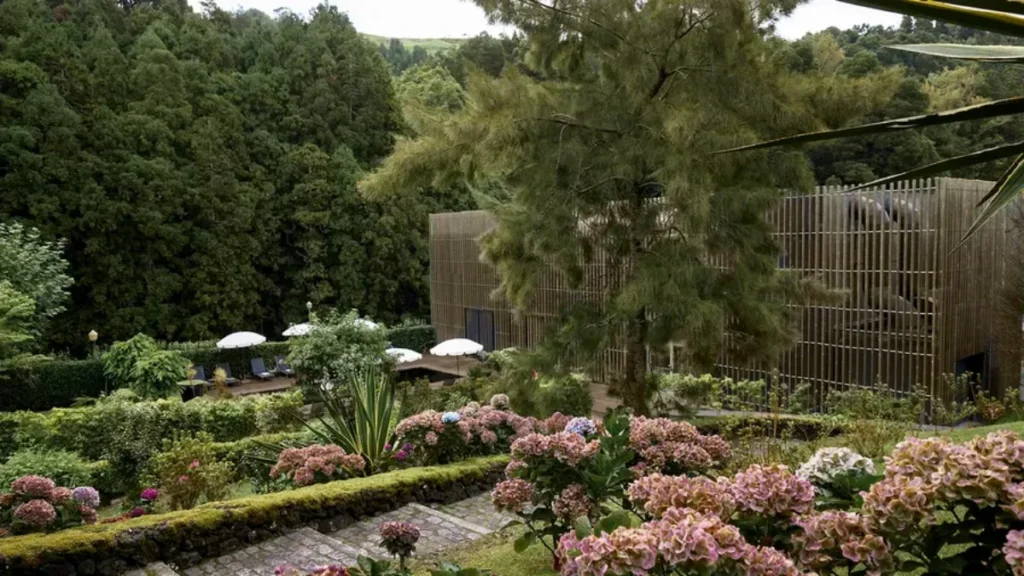
Set within the geothermal landscape of São Miguel’s Furnas Valley, Octant Furnas is a contemporary wellness hotel shaped by the volcanic terrain that surrounds it. The property is defined by its direct relationship with the earth beneath it, where geothermal energy is not a feature but the foundation of how the hotel operates and how guests experience it. Rooms are intentionally restrained. Natural tones, soft lighting, and clean architectural lines allow the landscape to remain the focal point. Family suites introduce a more relaxed layout, with tatami-style daybeds and subtle educational touches that reference the region’s volcanic identity.
At the center of the hotel is its thermal offering. A natural spring, reaching approximately 60°C, feeds the outdoor vitality pool, while geothermal systems regulate heating throughout the property. This integration supports the hotel’s carbon-neutral positioning, without presenting it as a statement piece. It simply exists as part of the design logic. The spa leans into the island’s natural materials and traditions. Treatments incorporate basalt stone, mineral-rich mud, and botanical elements such as ginger lily, creating a grounded, place-specific experience rather than a generic wellness menu. The hammam, finished with volcanic textures, continues this thread of elemental immersion.
Dining extends the geothermal narrative. The traditional cozido stew is prepared underground using the valley’s natural heat, slow-cooked over several hours before being served on-site. It is one of the few places where the origin of a dish and the energy that powers the hotel are the same.
Peak summer months, particularly July and August, see consistently high demand, so flexibility in travel planning is necessary when securing a stay. Parking is available but limited, with overflow managed nearby.
Sensi Azores Nature and Spa
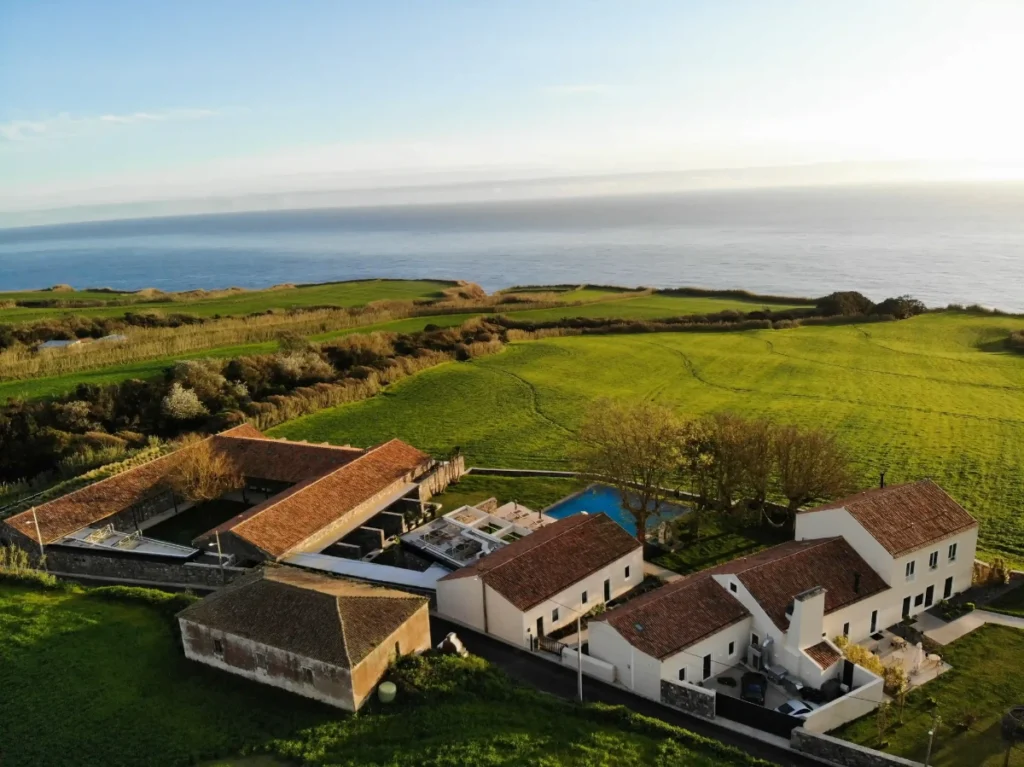
Reaching Sensi, Azores, requires leaving the island’s agricultural interior behind and following the coastline toward a quieter stretch of volcanic terrain. The property sits directly along the edge of the Atlantic, where low-built structures align with the natural contours of the land rather than rising above it. Villas and bungalows are designed to prioritize outlook and privacy. Cedar, basalt, and glass define the architecture, with each unit opening outward through terraces or large windows. Interiors remain intentionally restrained, allowing the surrounding ocean and sky to dominate the experience.
Within the spa, the focus stays on simplicity and consistency. Treatment rooms, a sauna, and a pool are oriented toward the water, with therapies straightforwardly incorporating locally sourced botanicals. The overall offering supports rest and recovery without layering on unnecessary complexity.
Across the grounds, movement remains fluid and unstructured. Time is divided naturally between the room, the spa, and the coastline, with weather and ocean conditions shaping the rhythm of the stay rather than a fixed schedule.
Given the limited room count, availability narrows quickly during peak travel periods. Midweek stays and shoulder seasons tend to offer greater flexibility, particularly for those planning further in advance. On-site parking is available, keeping logistics simple for arrival and departure.
CURATED TRAVEL
Need help booking a seamless journey to your destination?
Let us plan your itinerary from start to finish, with carefully selected stays, seamless routing, and considered recommendations throughout. As a Fora Travel advisor, we’re able to secure upgrades, added amenities, and preferred access, at no extra cost to you.
Booking Advice and Seasonality
Hotels situated in Lisbon’s and Porto’s city centers surge during conferences, marathons, and St. John’s fireworks. Many properties are within a short drive of major cities or scenic regions, making them easily accessible for those seeking relaxation.
Review Visitar Porto‘s event calendar, then aim for three days either side for lower rates. Mainland resorts publish cancellation windows, usually seven days, for credit vouchers, not cash. Rural palaces apply more flexible plans, but island retreats often demand 50% deposits.
Confirmed availability
Register loyalty log-ins at every property; hidden members-only pages refresh inventory hourly.
Parking
Heritage lanes date before cars; reserve narrow spaces if you drive. Six Senses, Vila Foz, and Monverde mark oversized bays in green on apps so you can reverse confidently at night.
Health paperwork
Some geothermal springs stain swimsuits; pack dark fabric. Mineral content aids skin and joint health, yet ask your GP about hypertension limits.
Family policy
Under-12s lodge free in most Lisbon hotels; island resorts cap each room at three minors.
Restaurants
Book early if chasing Michelin-star restaurants, as Lisbon often averages two-week waits in high season. Lumiares’ rooftop opens walk-ins at noon.
When booking a Portuguese spa trip, consider the wide range of hotels available, from urban sanctuaries to luxury countryside resorts. High-rated options offer treatments like full-body massage and hydrating facials. In low season, from November to February, rates drop 35 percent, but indoor services feel especially cozy against Atlantic gales. Early spring bursts with almond blossoms in the north; October harvest colors the Douro Valley gold. June unlocks surfer culture, Immerso hosts dawn rides, and August turns Algarve beaches social. Fly TAP Air Portugal multi-stop to chain Porto–Lisbon–Ponta Delgada without backtracking.
Final Thoughts
A Portuguese spa journey draws on more than 2,000 years of hydrotherapy, agricultural tradition, and considered design. You feel that continuity in the details through the moonlight drifting across a carved-stone pool at Six Senses Douro Valley, the steady Atlantic wind along Comporta’s coastline, and mineral-rich steam rising through Furnas. Even beyond the spa setting, places like Sintra’s forested palaces carry that same sense of calm through landscape and architecture. Together, these experiences reflect the evolving wellness-tourism landscape, where travel is shaped by how environments support rest, clarity, and long-term health. Every hotel, every resort, every barrel bath, and salt float becomes part of a broader understanding of what it means to reset.
Approach these destinations with intention. Stay longer than you think you need and allow time to settle into a slower rhythm. Late breakfasts, unhurried lunches, time outdoors, and evenings that unfold without urgency create space for restoration. Portugal rewards that presence. The result is steady and long-lasting: better sleep, restored energy, and a calmer, more focused state that continues well beyond the journey.
Pin This for Later