Consumer interest in nutrition-forward drinks has created a fast-growing segment called functional beverages. These products pair everyday hydration with bioactive ingredients such as probiotics, adaptogens, vitamins, and amino acids to deliver targeted benefits, including support for gut health, stress management, and sustained energy. Accelerated by wellness-centric conscious consumers, global demand has reshaped store shelves, expanded flavor formats, and spurred investment in clinical validation. What follows is an overview of how the functional beverage market operates, detailing core beverage types, key ingredients, consumer behavior, and the business strategies propelling functional drinks from niche concept to mainstream staple.
Some links in this post are affiliate links. That means we may earn a small commission, at no additional cost to you.
What Are Functional Beverages
Functional beverages are purpose-driven drinks that fuse conventional hydration with precisely selected bioactive ingredients to deliver targeted health benefits. In contrast to legacy soft drinks that provide calories and flavor alone, functional beverages position themselves as convenient nutrition tools that fit into the lifestyles of health-conscious consumers. Their formulations often layer water or plant-based liquids with probiotics for gut health, prebiotic dietary fiber to feed beneficial bacteria, adaptogenic botanicals that help manage stress, amino acids that aid muscle recovery, and micronutrients that support immune function or mental health.
Product developers treat each can or bottle as a miniature delivery system, calibrating ingredient dose, pH, and flavor chemistry to preserve efficacy across shelf life while still offering a smooth and refreshing taste. Sweetness frequently comes from natural ingredients such as monk fruit to keep the sugar content low, aligning with consumer efforts to opt for a healthier beverage. Packaging highlights the functional claim, focus, calm, endurance, or digestion, and often references third-party testing or clinical data to reinforce credibility in the crowded functional beverage category.
The spectrum is broad. Probiotic sodas carbonate live cultures into nostalgic cola profiles, mushroom coffees replace jittery brews with lion’s mane for cognitive support, and electrolyte waters marry sodium and potassium with vitamin C for fast rehydration. Yet they share a common thesis: everyday drinking occasions can be upgraded into micro-interventions that advance a healthy lifestyle and promote overall well-being. As shoppers seek transparent labels and evidence-based results, functional beverages bridge the gap between supplements and traditional refreshment, becoming a central pillar of the evolving food and beverage industry.
The Functional Beverage Market
The global retail sales of the functional beverages sector reported USD 164.7 billion in 2025, and based on rising consumer demand, are forecast to climb to roughly USD 315.9 billion by 2033, a compound annual growth rate of 8.5 percent that outpaces every other segment of the broader beverage industry.
Market share skews toward stimulation and performance: the energy-drink segment captured 42 percent of all functional beverage revenue in 2025, while North America led regionally with a 44 percent share. A separate 2025 audit found that energy and wellness drink shots together accounted for 51 percent of the functional beverages market, underscoring consumers’ appetite for convenient, on-the-go options. Sports-hydration lines post the fastest unit growth, aided by reduced-sugar reformulations and clean-label electrolytes.
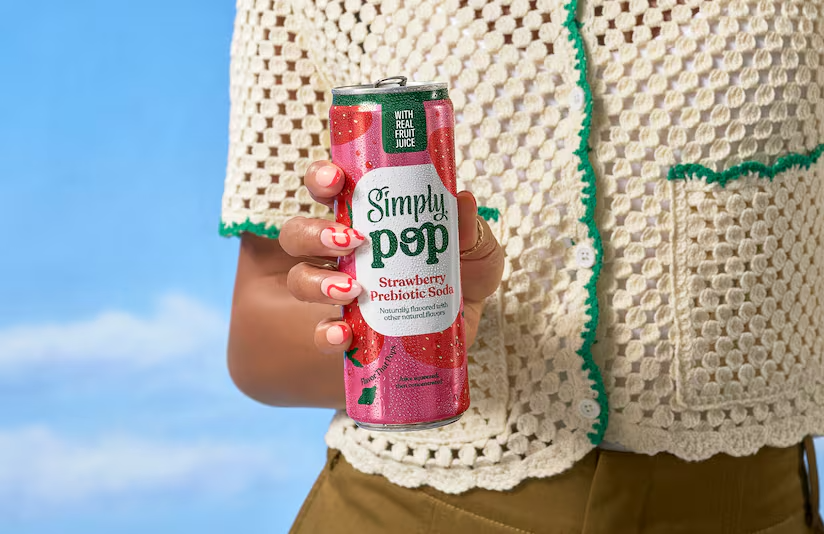
The demand is driven by behavioral shifts: nearly two-thirds of Millennials regard food and drinks with functional ingredients as effective wellness tools, and Gen Z’s low alcohol consumption is shifting volume toward non-alcoholic functional beverages. Strategic activity reflects this momentum, most notably PepsiCo’s March 2025 acquisition of the prebiotic soda brand Poppi for USD 1.95 billion. This move is indicative of an acceleration of the conglomerate’s exposure to functional beverages that improve gut health. Together, these data points confirm a category moving quickly from niche to mainstream, driven by the quest for convenience, credible science, and lifestyle alignment.
For more on slow food and functional nutrition:
- Harnessing Food as Medicine for Chronic Disease Prevention
- Seasonal Eating: Peak Harvest for Radiant Health
- Ancient Grain Seeds: Heirloom Seeds Nourishing Modern Tables
- Fermented Cultures: A Beginner’s Guide to Farm to Table Fermentation
- What Is Slow Food? Principles, Benefits and Daily Habits
- What Is Farm-to-Table? Origins, Principles and Flavor
Product Categories
The functional beverages market spans a wide range of product types, each engineered around a distinct health goal and consumer occasion. Rather than competing within a single format, brands have expanded the category by tailoring ingredient stacks, flavor profiles, and packaging to specific needs, from sustained athletic performance to everyday stress relief. The four primary segments driving growth today are energy drinks, carbonated gut health sodas, functional and electrolyte waters, and adaptogenic teas and stress-relief tonics. Understanding how each subcategory is formulated, positioned, and consumed reveals why functional beverages have moved so decisively from specialty retail into mainstream distribution.
Energy Drinks
Energy drink formulations have evolved far beyond caffeine and sugar, making them one of the most innovative segments within functional beverages today. Brands now blend natural caffeine from green coffee beans with L-theanine to create smoother focus curves, while acetyl-L-carnitine, beta-alanine, and branched-chain amino acids support muscular endurance and post-exercise recovery. Functional ingredients like rhodiola or cordyceps add stress-adaptation properties, aligning the drinks with a healthy lifestyle narrative rather than an adrenaline stereotype.
Sugar content in top-selling brands has dropped below 5 grams per 8-oz serving, often replaced by monk fruit or allulose to meet rising consumer demand for healthier beverage choices. Regulatory caps on caffeine, such as the United Kingdom’s 150-milligram limit for products sold to minors, push beverage manufacturers to disclose dosage and include clear usage guidance, reinforcing the sector’s shift toward responsible performance support. Packaging sizes vary from 8-oz shots aimed at mental alertness to 16-oz cans positioned to boost energy for sustained athletic performance, illustrating how the functional beverages market tailors formats to diverse and individual consumption needs.
Carbonated Gut Health Sodas
Prebiotic sodas translate kombucha’s specific health benefits related to the gut into a shelf-stable, mainstream format that sits comfortably within the broader functional beverages landscape. A widely recognized recipe is composed of filtered water and juice concentrates, then layers 3 to 5 grams of inulin or resistant dextrin to feed beneficial bacteria and improve gut health without adding excessive viscosity. Live probiotic strains such as Bacillus coagulans are micro-encapsulated to survive pasteurization and withstand ambient shipping temperatures, ensuring colony viability until the end of shelf life. Flavor houses now supply thermostable botanical essences, think pineapple cayenne or yuzu basil, that mask any fermentative tang while evoking nostalgic soft-drink profiles.
The sugar content rarely exceeds 6 grams per serving, a tactical decision to differentiate these functional beverages from legacy colas that average 26 grams per drink. Early evidence suggests that daily consumption can raise short-chain fatty acid production, but labels are cautious, framing benefits as potential rather than guaranteed health claims to comply with global guidelines. Growth in this segment has seen the greatest impact among conscious consumers who seek convenient ways to nurture their digestive health without sacrificing carbonated enjoyment, cementing carbonated gut health sodas as one of the most accessible entry points into functional beverages for everyday consumers.
Functional and Electrolyte Waters
Functional beverages in the hydration category occupy the middle ground between plain bottled water and traditional performance drinks. Formulators begin with reverse-osmosis water, then introduce precise ratios of sodium, potassium, magnesium, and calcium to mirror natural perspiration loss, achieving hypotonic or isotonic profiles for rapid absorption. Some lines incorporate coconut water concentrate or acerola cherry powder for natural electrolytes and vitamin C, further enhancing immune function credentials.
A newer wave of functional beverages leverages nano-emulsified turmeric, resveratrol, or molecular hydrogen to add antioxidant potential without altering clarity. The segment also experiments with fulvic trace minerals that lend a slightly earthy profile but promise mineral replenishment for athletes seeking plant-based options. Sugar content stays under 3 grams, distinguishing these functional beverages from classic sports drinks that can top 20 grams. Lightweight aluminum bottles and post-consumer-recycled PET appeal to eco-conscious shoppers, while QR codes on caps link to batch-specific assays that verify ingredient stability, reinforcing the transparency that consumers have come to expect from the functional beverages sector.
Adaptogenic Teas and Stress-Relief Tonics
Ready-to-drink adaptogenic teas translate traditional herbal teas and medicine into contemporary convenience. Cold-brewed green or black ready-to-drink teas provide a natural alternative to caffeine and polyphenols, which brands pair with herbs such as ashwagandha, holy basil, and lemon balm to modulate cortisol and promote mental health. Magnesium L-threonate and phosphatidylserine are increasingly added to enhance cognitive resilience, positioning these beverages at the intersection of nootropic and relaxing, medicinal beverages. Flavor architecture leans on botanicals, lavender, hibiscus, and elderflower to evoke a sense of calm without synthetic aromas, and monk fruit or erythritol maintains palatability while keeping sugar content minimal.
Clinical pilot studies cited on company websites often show modest reductions in self-reported stress scores after just two weeks of daily use, though disclaimers clarify that these results may vary. Retail placement spans natural-food stores, pharmacy wellness aisles, and even mainstream supermarket end-caps, reflecting broadening consumer acceptance. By addressing both flavor and function, adaptogenic teas exemplify how functional beverages can integrate science-backed ingredients into everyday routines aimed at holistic health and wellness.
Functional Beverage Brand Spotlight
A movement as dynamic as the functional beverages sector deserves concrete faces. The following six brands illustrate diverse routes to promoting a healthy lifestyle through purpose-driven drinks that blend science-backed ingredients with everyday convenience.
Hiyo
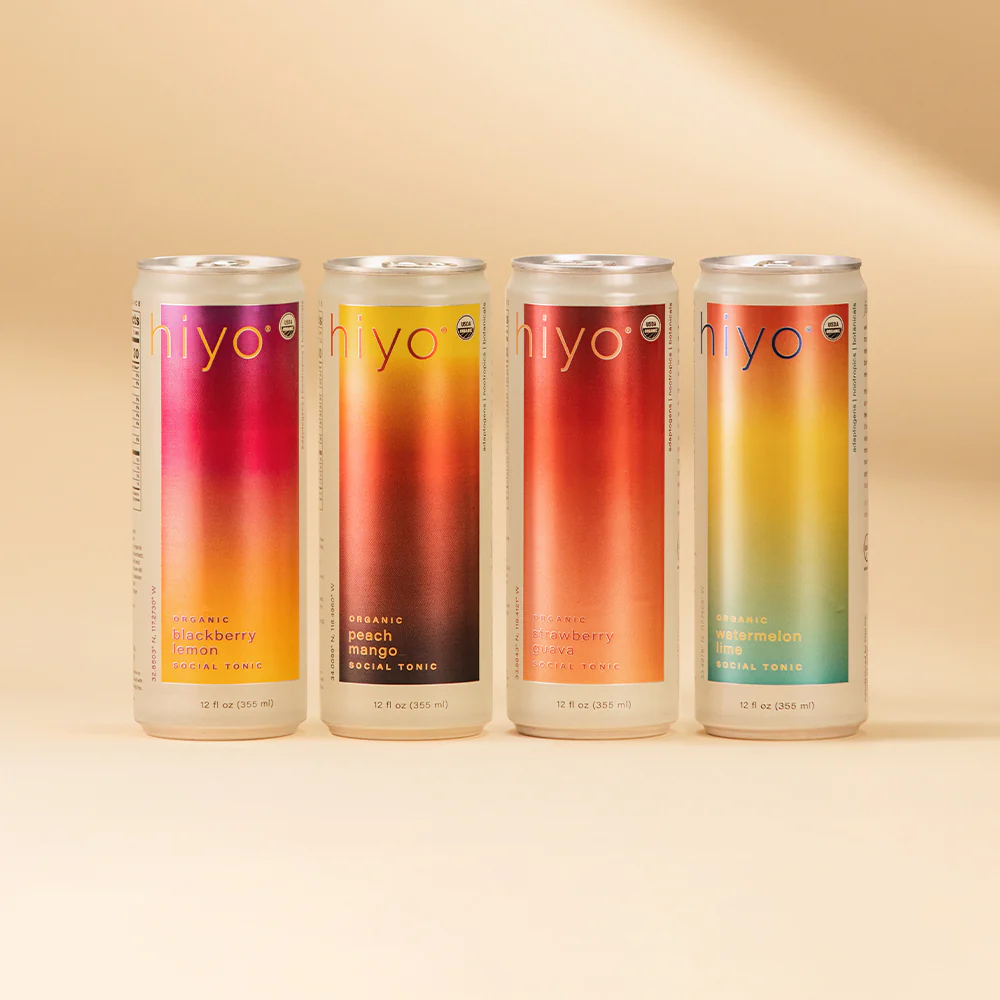
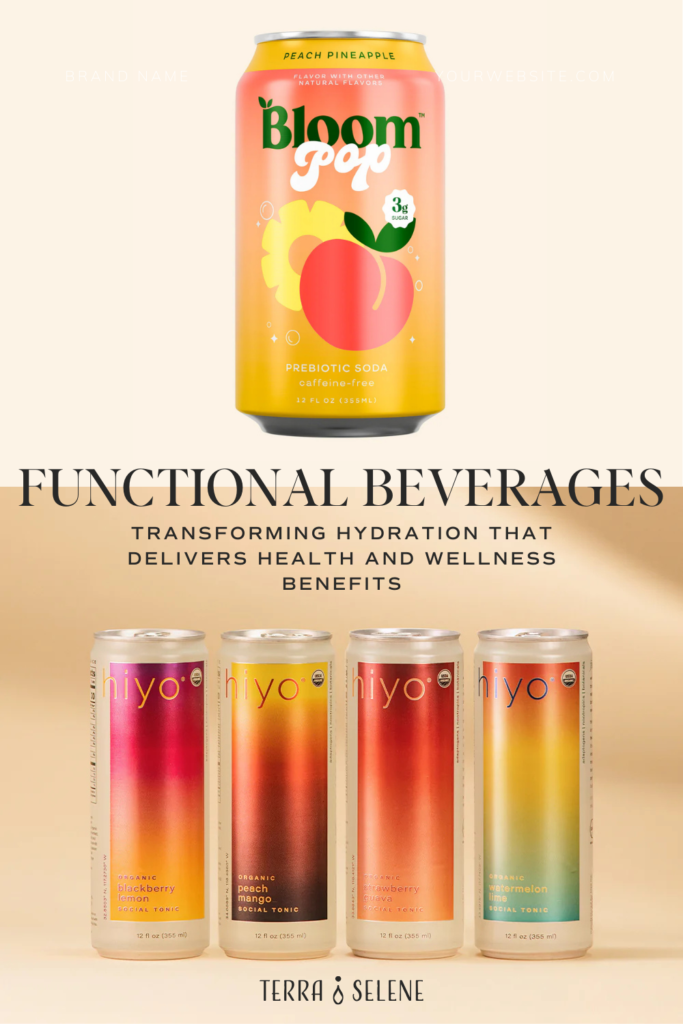
Hiyo positions itself firmly within the functional beverages space, offering a science-backed alternative to alcohol that prioritizes mood, calm, and social connection. Founded in Los Angeles in 2021 by Evan Quinn, Cygne Cooper, and George Youmans, the brand was built around a simple premise: create a beverage that supports human health through relaxation and connection, without the downsides of alcohol. Billing itself as a social tonic, Hiyo anchors its identity in the trademarked promise “Feel the Float,” a gentle mood lifter achieved with organic adaptogens and nootropics rather than ethanol. All formulas are USDA organic, non-GMO, gluten-free, and vegan, and the company publishes third-party lab reports for heavy-metal and microbial safety to build consumer trust.
Distribution centers on a direct-to-consumer subscription that ships nationwide, complemented by placements in specialty retailers. Media nods from outlets like Beverage Daily and more than ten thousand five-star customer reviews have helped cement Hiyo’s reputation as a leading alcohol-free option for health-conscious social occasions. Each 12-oz can delivers about 30 calories and 6 grams of cane sugar while layering a 1.7-gram functional blend of ashwagandha, lion’s mane, L-theanine, lemon balm, passion flower, and ginger. Flavors include blackberry lemon, peach mango, strawberry guava, and watermelon lime, all lightly carbonated to a soft seltzer texture and colored only with fruit juices.
The adaptogens target stress relief, the mushroom extract supports mental clarity, and the amino acid encourages calm focus, allowing this functional beverage to slot into both afternoon pick-me-ups and evening wind-down routines without disturbing sleep.
Do’Mo
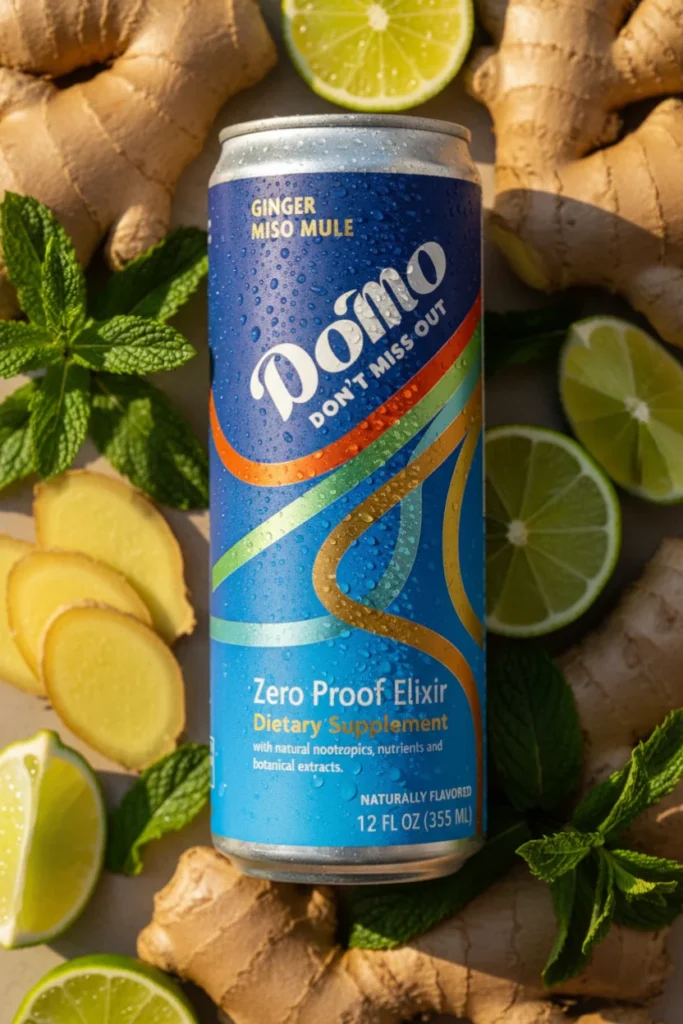
Do’Mo emerged from Singapore’s vibrant wellness start-up scene in 2022 when food technologist Lim Wei and nutritionist Maya Ariff teamed up to reinvent traditional kombucha for a fast-paced urban audience. Branding centers on the idea of “living cultures for lively minds,” and every decision, from sugar-cane fiber bottle labels to a closed-loop upcycling program for spent tea leaves, speaks to their environmental accountability.
The brand entered the functional beverages market with a direct-to-consumer model, selling bundles through its own app, which pairs flavor recommendations with gut-health quizzes, before quickly expanding into boutique gym cafés and biohacking conferences across Southeast Asia. Press coverage in Tech in Asia praised Do’Mo for bridging ancestral fermentation with shelf-stable science, helping the company secure Series A funding to scale a new microbrewery that runs on solar energy.
Each lightly sparkling 12-oz bottle blends cold-infused oolong with mango, makrut lime, and a proprietary 5-strain probiotic consortium micro-encapsulated to survive ambient shipping. The addition of 2 grams of inulin feeds the cultures while keeping the sugar content under 5 grams, and bacopa plus L-theanine lends nootropic support for clear focus. Do’Mo’s flavor portfolio, yuzu mint, pineapple lemongrass, and the flagship mango makrut lime, carries a subtle acidity balanced by monk fruit sweetness, positioning the drink as both a digestive aid and a mood-supporting ritual. Zero caffeine, verified allergen-free status, and a 9-month chilled shelf life make the line a versatile option for morning commuting, and pre-workout hydration.
Bloom Nutrition
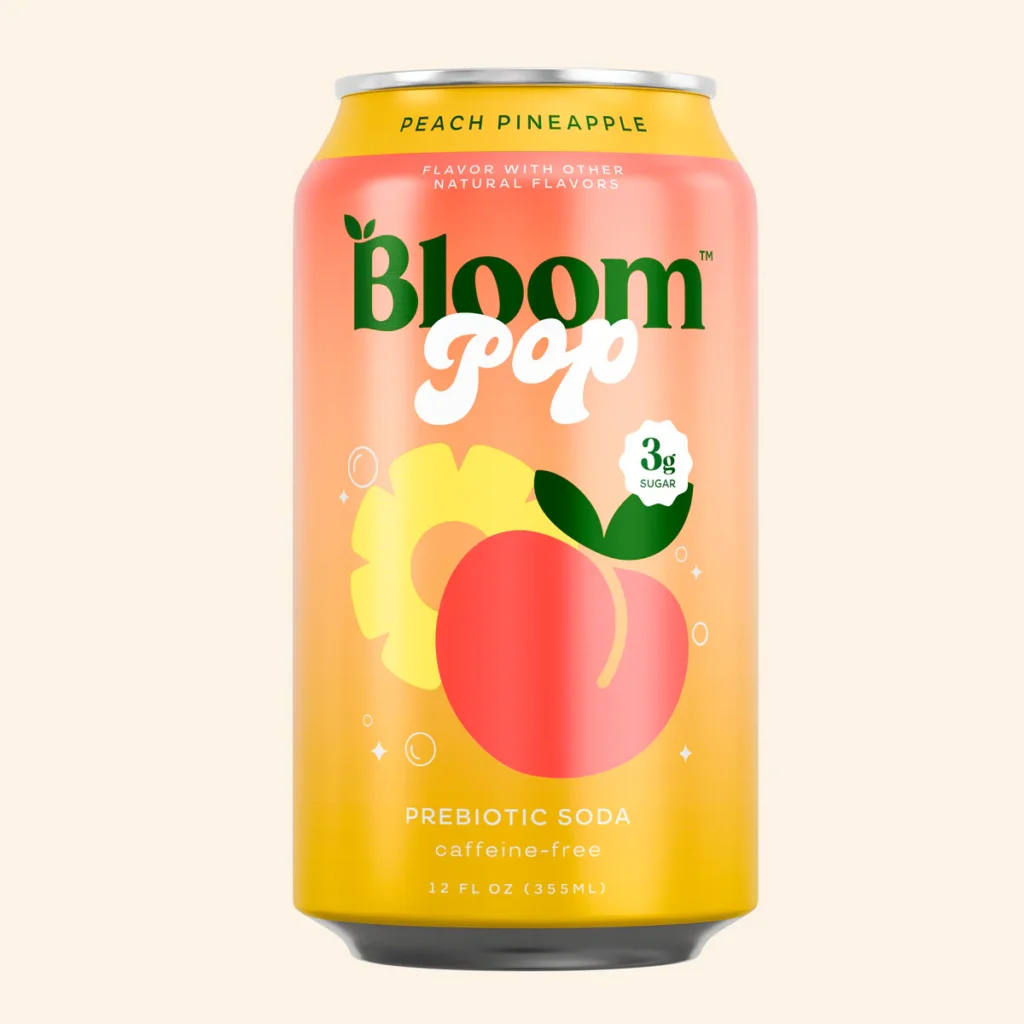
Bloom Drinks launched in Austin in 2023 with co-founders Sarah Hayes and Malik Turner, both former specialty-coffee professionals who saw tea as an under-leveraged vehicle for functional botanicals. The company’s mission, “Pause and rise,” infuses its brand voice, marketing visuals of sunrise gradients, and a pledge to donate 1 percent of its revenue to community mental-health programs.
As a player in the functional beverages space, Bloom relies on a hybrid model, a combination of direct online sales supplemented by Whole Foods regional placements, to reach health-oriented shoppers who want transparency around sourcing and lab verification. Early accolades include a Good Food Award for flavor integrity and an Innovation in Sustainability prize for using compostable can liners derived from sugar-beet resin.
Bloom’s core range marries cold-brewed sencha with raspberry elderflower and 50 milligrams of naturally occurring caffeine, then adds L-theanine, matcha catechins, and magnesium glycinate to deliver balanced alertness and mental clarity. Each 12-oz can contains 25 calories and 4 grams of organic blue agave syrup, maintaining a clean label and low glycemic load.
These functional beverages stand out for their commitment to ingredient transparency and small-farm sourcing, values that resonate strongly with today’s wellness-driven consumers. Seasonal releases, such as blackcurrant verbena and blood orange tulsi, rotate quarterly to maintain sensory interest while showcasing the kind of purposeful botanical formulation that defines the best functional beverages on the market today.
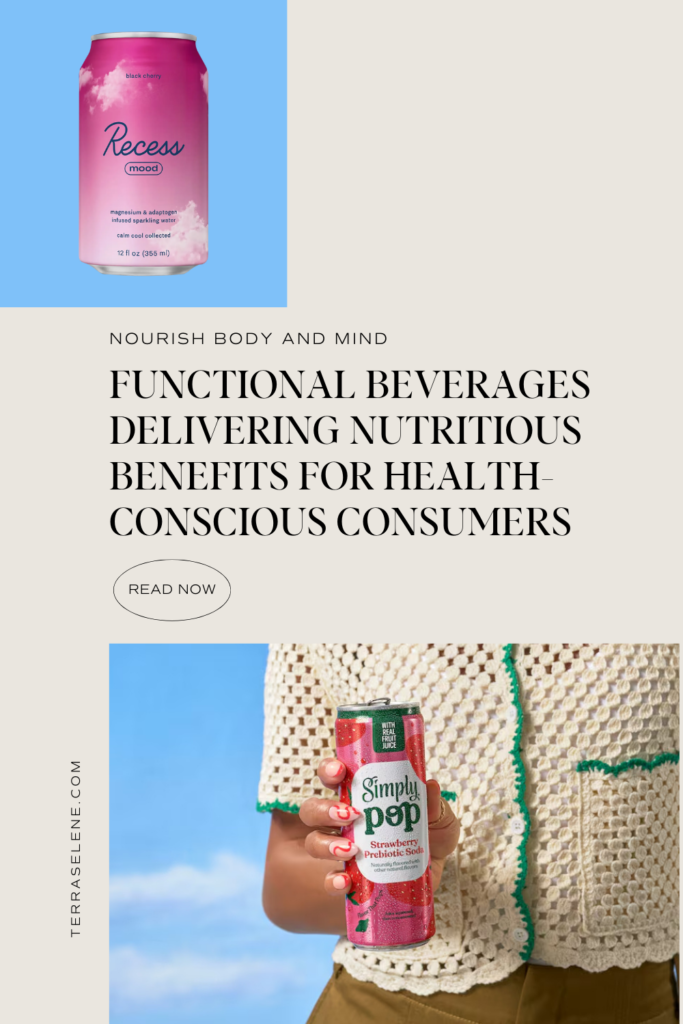
Recess Mood
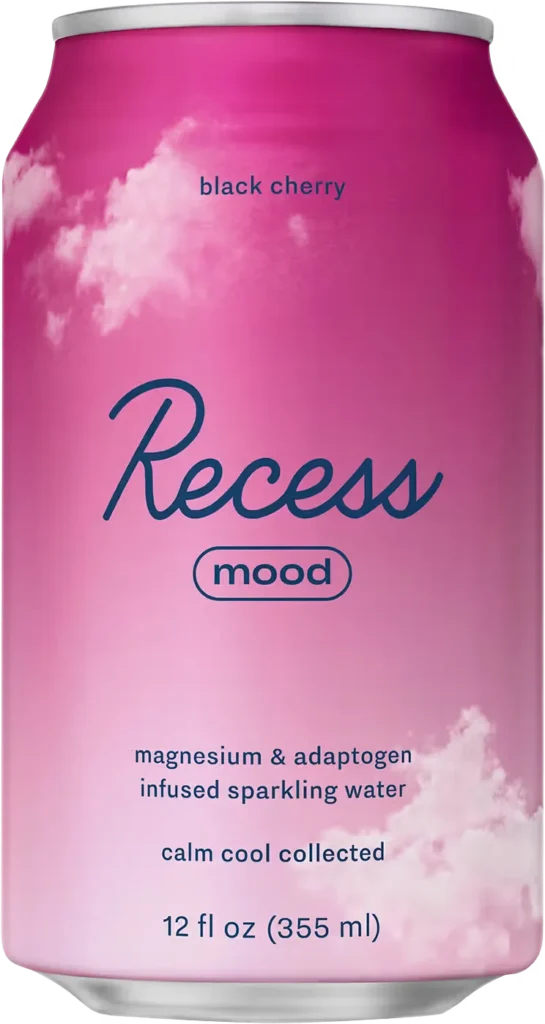
Recess Mood is the brainchild of Benjamin Witte, who spun off this magnesium-forward line from his flagship Recess CBD company in 2024 to target corporate creatives seeking calm focus during work hours. As a standout entry in the functional beverages space, the sub-brand distinguishes itself with pastel-washed aluminum cans, whimsical copy, and pop-up tasting lounges that double as coworking spaces.
Retail distribution now spans notable outlets and thousands of independent cafés in the US, while a subscription portal offers build-your-own variety cases shipped carbon-neutral. Media outlets from Fast Company to Forbes have highlighted Recess Mood as evidence that stress-relief drinks can succeed without hemp cannabinoids, broadening the category’s mainstream appeal.
Formulas begin with sparkling filtered water sweetened by organic agave and monk fruit, topping out at 20 calories per 12-oz can. The functional stack features 50 milligrams of magnesium L-threonate, 200 milligrams of L-theanine, and extracts of passionflower and American ginseng, aimed at quieting cortisol spikes while preserving mental clarity. Flavor options such as strawberry rose, lime citrus, and cherry pomegranate lean on fruit purées and natural essences for depth without artificial additives. Zero caffeine and non-GMO certification make these functional beverages suitable for everything from mid-morning brainstorms to late-evening screen breaks.
Harmless Harvest
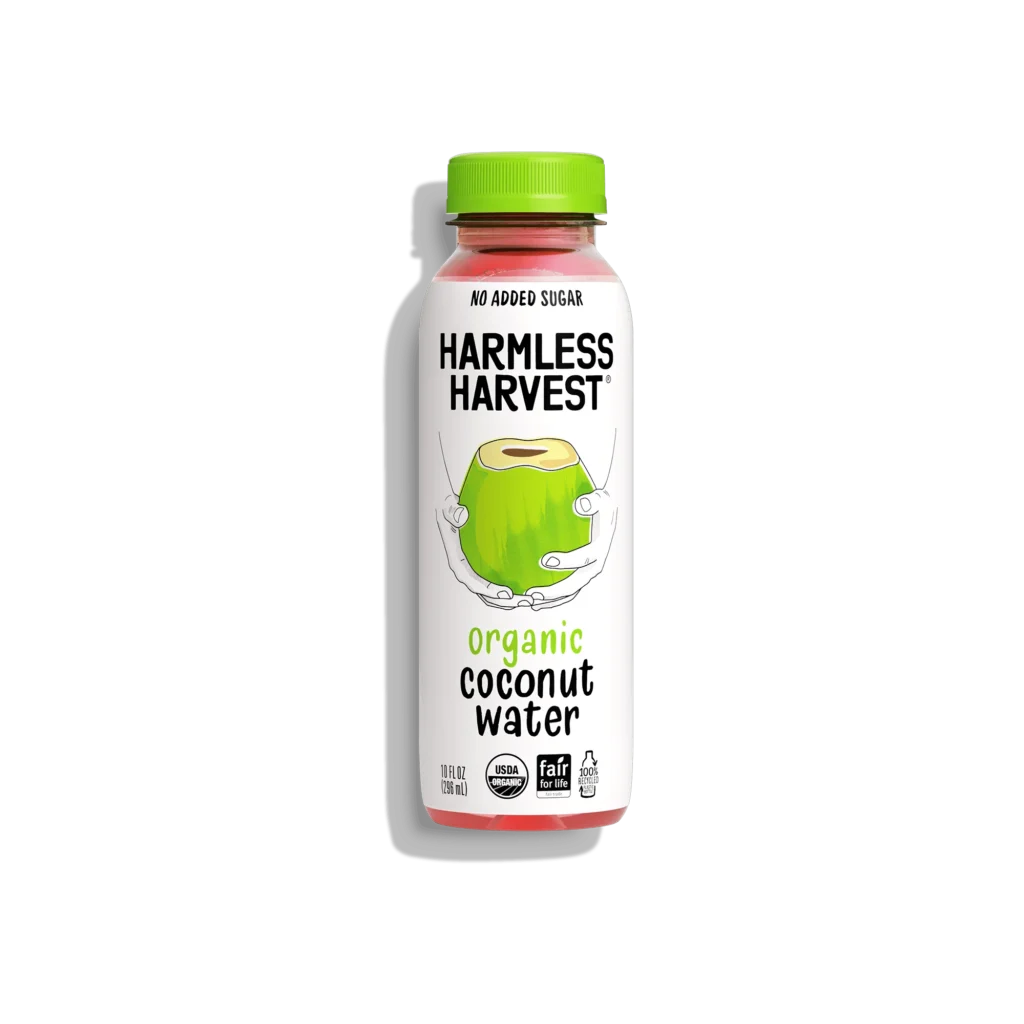
Harmless Harvest began selling organic, pink-tinged coconut water in 2010 and stepped more decisively into the functional beverages space in late 2024 with its Coconut Probiotic line. Rooted in a commitment to fair trade and regenerative agroforestry in Thailand, the brand retains a strong sustainability ethos, using upcycled coconut husks for biomass energy and funding farmer education on soil conservation.
Distribution covers national US grocery chains and a growing presence in European natural-food stores. Brand storytelling leans heavily on transparency, publishing GPS-verified farm maps and annual impact reports that track carbon reductions and community investment.
The Coconut Probiotic drink blends young coconut water, coconut meat, and organic banana puree with a 12 billion CFU multi-strain culture including Lactobacillus plantarum and Bacillus coagulans. Natural sweetness keeps each 8-oz bottle at 90 calories, while medium-chain triglycerides provide quick energy for active consumers. Flavors such as pineapple turmeric, espresso cacao, and original coconut use minimal processing to preserve raw nutrient profiles. With no dairy, gluten, or refined sugar, the beverage targets shoppers looking for gut support, clean electrolytes, and plant-based recovery in one convenient format.
Vybes
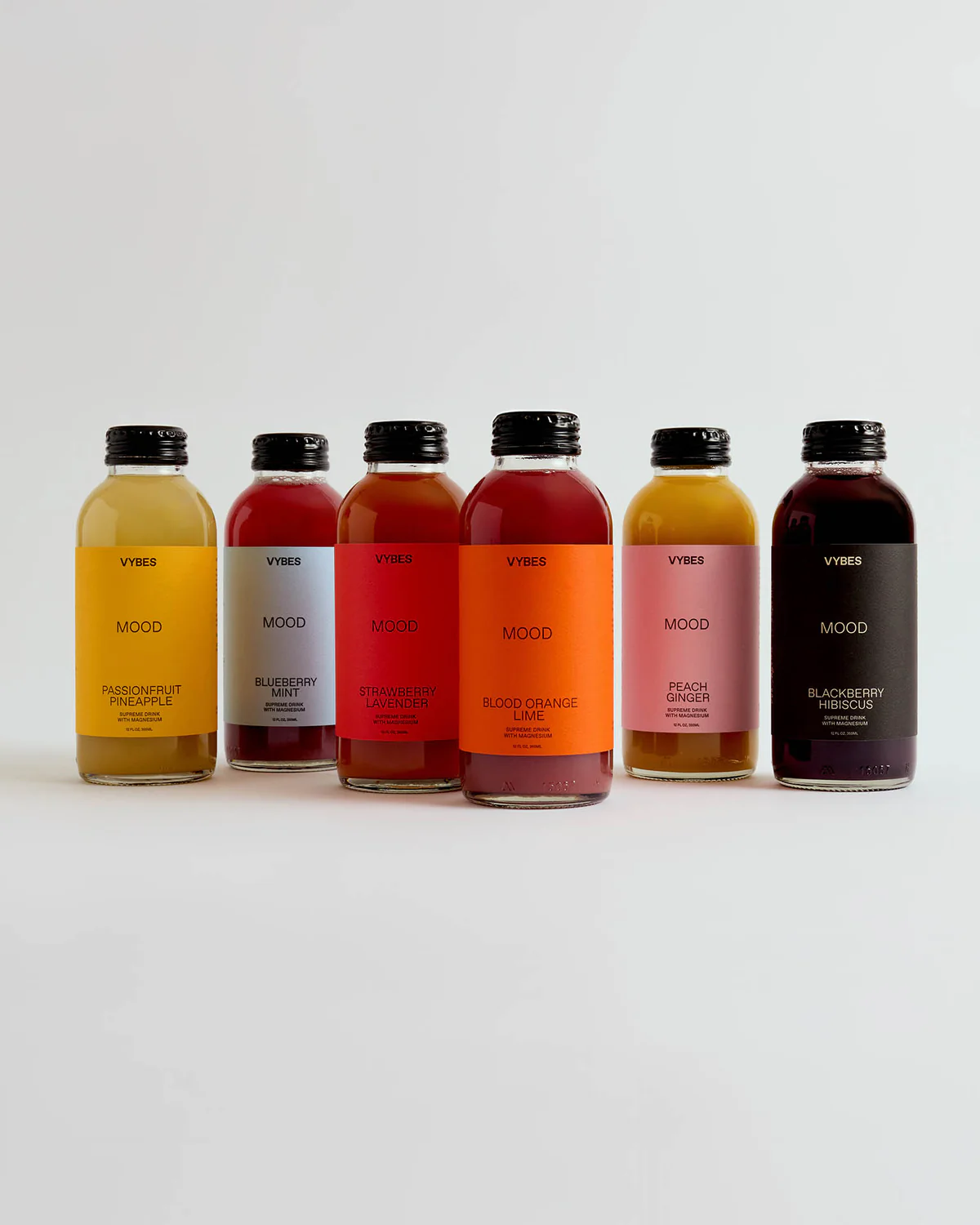
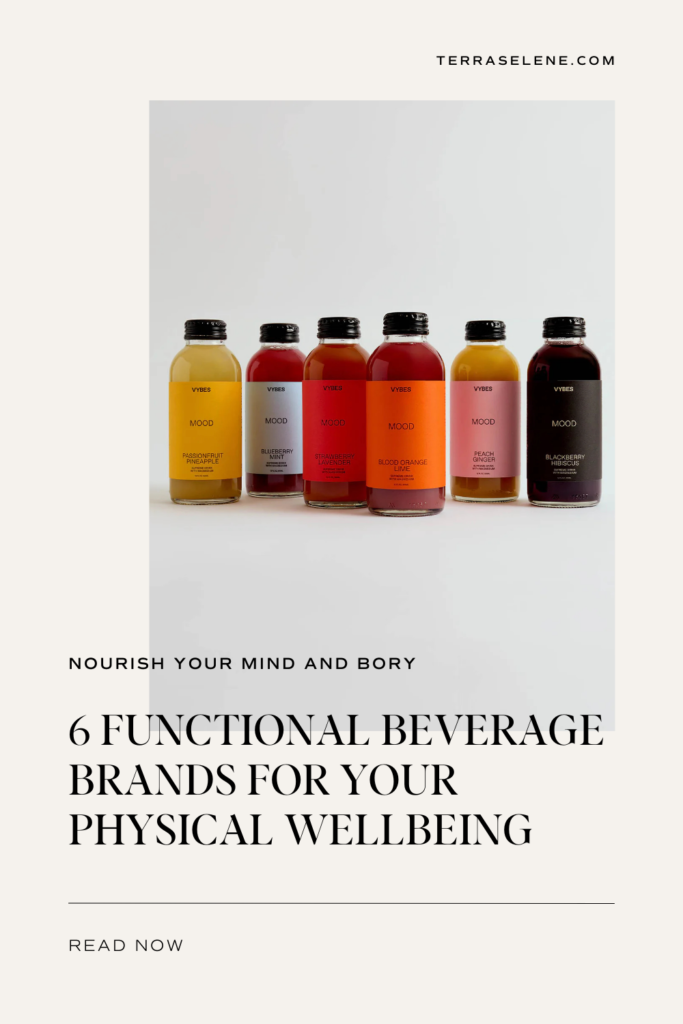
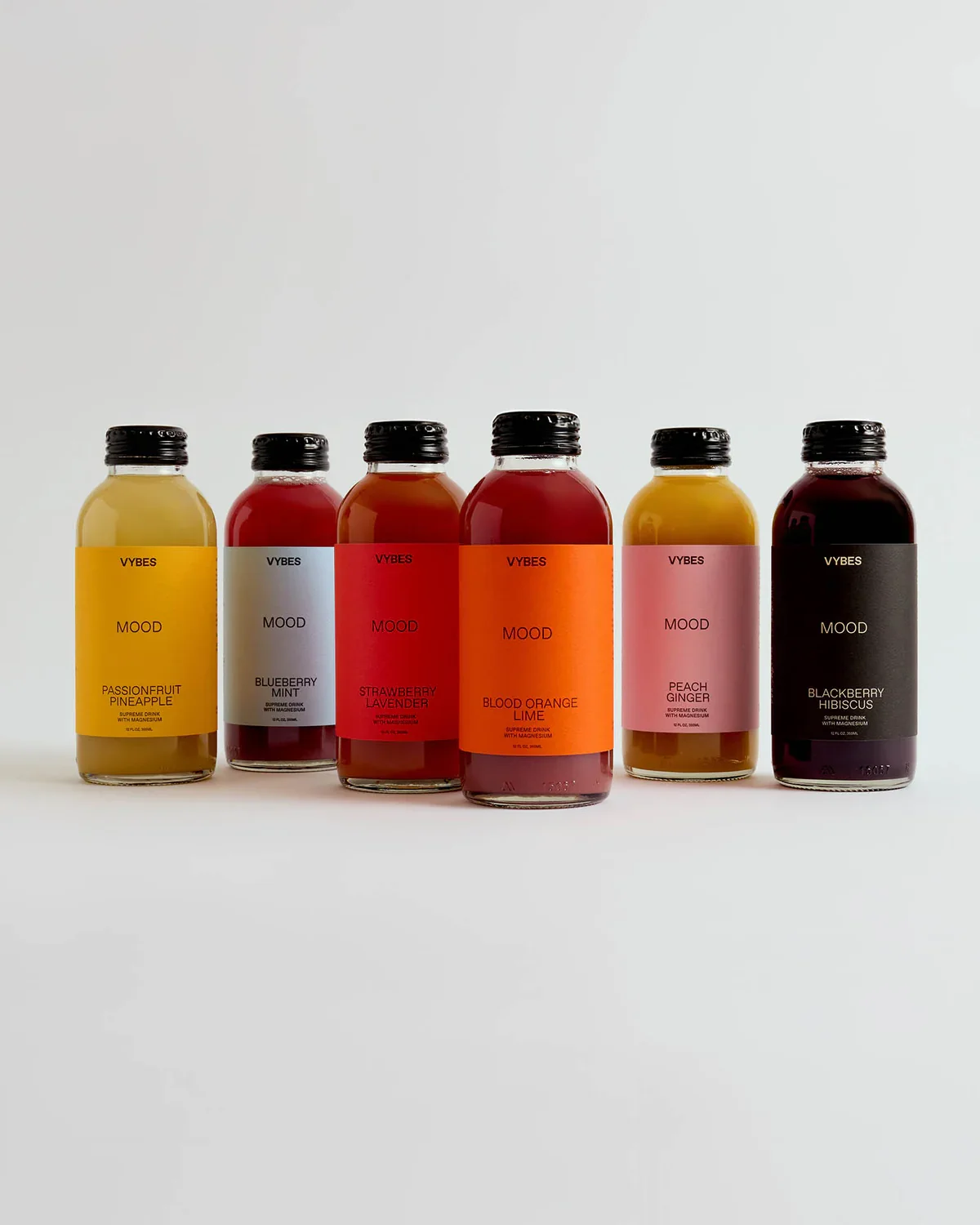
Vybes, founded by Jonathan Eppers in Los Angeles in 2018, entered the market with CBD-infused drinks before pivoting in 2023 to broader adaptogen stacks that sidestep evolving hemp regulations. Positioning revolves around the mantra “mind-body function,” and minimalist glass bottles underscore a premium feel suitable for upscale cafés, boutique gyms, and Erewhon aisles.
The brand augments its retail presence with direct-to-consumer drops that feature limited botanical collaborations, for example, a yuzu-shiso release developed with a Michelin-star pastry chef. Partnerships with meditation studios and sound-bath events deepen experiential resonance, making Vybes a lifestyle accessory as much as a functional beverage.
Current formulations mix spring water, organic fruit juices, and light agave with 200 milligrams of L-theanine, 200 milligrams of rhodiola, 400 milligrams of reishi extract, and 100 milligrams of vitamin C. Each 14-oz bottle contains 35 calories and under 7 grams of sugar, meeting clean-label expectations while delivering perceptible calm. Core flavors such as peach ginger, blueberry mint, and honeycrisp apple avoid synthetic preservatives through high-pressure processing that extends shelf life to 6 months when refrigerated.
With zero alcohol and no added caffeine, Vybes positions itself as an all-day tonic that eases stress, supports immune resilience, and offers a refined flavor experience that differentiates it from mainstream sodas and energy drinks.
Gut Health, Functional Foods, and Fruit Juice Fortification
Modern research shows that the gut is much more than a digestive system; it plays a role in immunity, inflammation, metabolism, and even aspects of skin health. Scientists often refer to the gut microbiome as a “supporting ecosystem” made up of trillions of bacteria that need balance to function well. Functional beverages are designed with this in mind, using ingredients that support or interact with gut bacteria in different ways: prebiotics, probiotics, and postbiotics, often alongside fruit-based compounds like polyphenols.
Prebiotics: Feeding the Good Bacteria
Prebiotics are types of plant fibre that the body can’t digest, but your gut bacteria can. Think of them as food for your microbiome. Examples in functional drinks include:
Chicory root fibre:
Helps encourage the growth of beneficial bacteria like Bifidobacteria.
Acacia fibre:
A gentle plant fibre that supports regular digestion and is usually easy on the stomach.
Resistant dextrins:
A soluble fibre that is often added to functional beverages, as it doesn’t affect the taste.
When gut bacteria ferment these fibres, they produce compounds called short-chain fatty acids. These help support the gut lining and are linked to lower inflammation in the body.
Probiotics: Live Good Bacteria
Probiotics are live beneficial bacteria that can support gut balance when consumed in the right amounts. The challenge in beverages is that bacteria are sensitive to heat and acidity, and shelf storage can reduce their effectiveness. That’s why only certain strains are used in drinks. The following probiotics are often found in functional beverages:
Bacillus coagulans:
A hardy, spore-forming probiotic that survives heat and shelf storage well.
Lactobacillus plantarum:
Known for supporting digestion and helping maintain a healthy gut barrier.
These strains have been studied for supporting digestive comfort and helping maintain microbial balance; the results can vary depending on the specific strain and dose used.
Postbiotics: The After Effects of Good Bacteria
Postbiotics are one of the newer areas in gut health science. Instead of live bacteria, postbiotics are the useful compounds bacteria leave behind or produce, such as:
- Short-chain fatty acids
- Cell fragments from bacteria
- Bioactive compounds created during fermentation
Think of them as the beneficial by-products of a healthy microbiome. The advantage is that they are stable, therefore they don’t need refrigeration or live survival, which makes them easier to use in functional beverages.
Fruit Juice Fortification and Polyphenols
Fruit juices are often used as a base in functional beverages because they naturally contain polyphenols, plant compounds with antioxidant properties. The most widely used examples include:
Tart cherry juice:
Rich in anthocyanins, linked to recovery and inflammation support.
Pomegranate juice:
Contains compounds that gut bacteria convert into beneficial metabolites linked to heart and cellular health.
What makes this interesting is that the relationship goes both ways; gut bacteria help break down polyphenols into more usable forms, and polyphenols can also help support a healthier balance of gut bacteria. This creates a kind of “two-way interaction” between plant compounds and the microbiome.
Key Functional Ingredients
Amino acids:
Leucine for muscle protein synthesis, L-citrulline for nitric oxide flow, and glycine for sleep quality.
Adaptogens:
Ashwagandha, rhodiola, and maca help modulate cortisol, a primary driver of chronic stress, making them a natural fit for functional beverages targeting mental resilience.
Medicinal mushrooms:
Lion’s mane stimulates nerve growth factor, while reishi supplies triterpenes for immune support, lending functional beverages a grounding, science-backed edge.
Vitamins and minerals:
D3 and K2 pair for bone integrity, magnesium bisglycinate eases neuromuscular tension, and zinc bolsters immune function.
Botanical nootropics:
Ginkgo biloba, bacopa monnieri, and L-theanine sharpen cognitive performance without jitters, a combination increasingly common in functional beverages designed for focus and clarity.
Natural sweeteners:
Monk fruit and allulose deliver sweetness yet sidestep blood-glucose spikes, allowing functional beverages to align with the needs of consumers managing diabetes or reducing sugar intake.
Challenges and Opportunities
Independent pricing studies on functional food and beverages suggest that products supported by peer-reviewed human trials can secure retail prices up to 30 percent higher than comparable items without clinical validation. As a result, venture capital is increasingly directed toward brands that budget for randomized controlled studies and shelf-life assays, signaling that verified efficacy is moving from a marketing advantage to a market entry requirement.
Consumer knowledge remains a significant barrier. A 2025 NielsenIQ survey found that only 23 percent of shoppers in the United States could correctly define the term adaptogen, while fewer than 1 in 5 could distinguish between probiotics and prebiotics. Limited ingredient literacy hinders repeat purchases because benefits feel abstract; brands therefore invest in QR-linked explainer videos, certified dietitian content, and simplified on-pack infographics in an effort to translate scientific mechanisms into everyday language without overstepping regulatory boundaries.
Geographic diversification provides a parallel growth lever. According to Grand View Research, in Latin America, sales in functional beverages expanded at an 8.8 percent compound annual rate between 2021 and 2025, with the Middle East and Africa at 7.9 percent and Southeast Asia at 8.5 percent. Although these CAGRs fall just below double-digit thresholds, they still outpace growth in North America and Western Europe and signal meaningful headroom in climates where cold, nutrient-dense drinks suit rising disposable incomes and modern retail formats.
Future Outlook and Innovation Trajectories
Over the next 5 years, innovation will focus on lowering added sugars, fortifying gut-health claims, and refining energy delivery profiles. Ingredient suppliers are scaling next-generation sweeteners such as rare sugars (allulose, tagatose) and enzymatically modified stevia that reduce bitterness at high concentrations, allowing carbonated beverages to sit below 5 grams of total sugars per 355-millilitre can without artificial additives. In parallel, spore-forming probiotic strains that tolerate ambient storage and high carbonation levels are advancing shelf stability for digestive sodas, while sustained-release caffeine beads and amino acid chelates are giving energy drinks a flatter absorption curve that avoids abrupt spikes.
Personalisation is moving from concept to commercial reality. Micro-dosing devices that fit in home refrigerators now dispense 10-millilitre flavor-plus-nutrient shots, which the consumer blends with chilled water, letting users tailor magnesium, L-theanine, or electrolyte levels on the fly. Several direct-to-consumer brands are beta-testing microbiome-driven subscription kits that pair quarterly stool analyses with bespoke prebiotic and polyphenol beverage concentrates. Early data from these pilots indicate a 15 percent increase in repeat purchase relative to one-size-fits-all lines, encouraging further investment in diagnostic-beverage bundles.
Expansion also hinges on collaboration between established bottlers and agile start-ups. Legacy firms bring global distribution and regulatory expertise, while newcomers contribute proprietary ingredient stacks and digitally native branding. Recent examples include PepsiCo’s equity and distribution agreement with Celsius Holdings for performance energy drinks, Coca-Cola’s minority position in kombucha producer Health-Ade, and Keurig Dr. Pepper’s route-to-market partnership with plant-based tonic label A-Game. Analysts expect additional joint ventures and licensing deals as conglomerates seek rapid exposure to niche formats without building new supply chains from scratch. These alliances will speed mainstream acceptance of functions such as adaptogen mood support, nootropic focus blends, and synbiotic gut formulas, cementing functional beverages as a core pillar of the global drink portfolio rather than a fringe wellness trend.
Closing Reflection
Functional beverages have shifted from fringe novelty to credible wellness tool, recasting the simple act of drinking as a strategic moment of self-care. Science will continue to raise the bar, pushing formulators to validate every probiotic strain, adaptogen dose, and caffeine delivery system with transparent data. Retailers already dedicate prime cooler real estate to gut-health sodas, magnesium teas, and low-sugar energy waters, a signal that consumer trust is strengthening. Yet growth will depend on brands translating biochemical terminology into benefits people can feel and measure, whether that is calmer focus during afternoon meetings or steadier hydration on marathon day.
Personalization platforms will tighten the feedback loop, letting shoppers fine-tune ingredient blends according to microbiome results, workout intensity, or seasonal immunity needs, while strategic alliances between heritage bottlers and agile start-ups will democratise access far beyond boutique grocers. As regulation clarifies claims and sugar taxes reward cleaner labels, the category’s credibility will deepen. The most successful brands will balance innovation with integrity, ensuring that every low-calorie sip or sparkling adaptogen tonic delivers precisely what the label promises. In that commitment to evidence and experience lies the future path from trend to lasting staple in the global beverage culture.
Pin This for Later