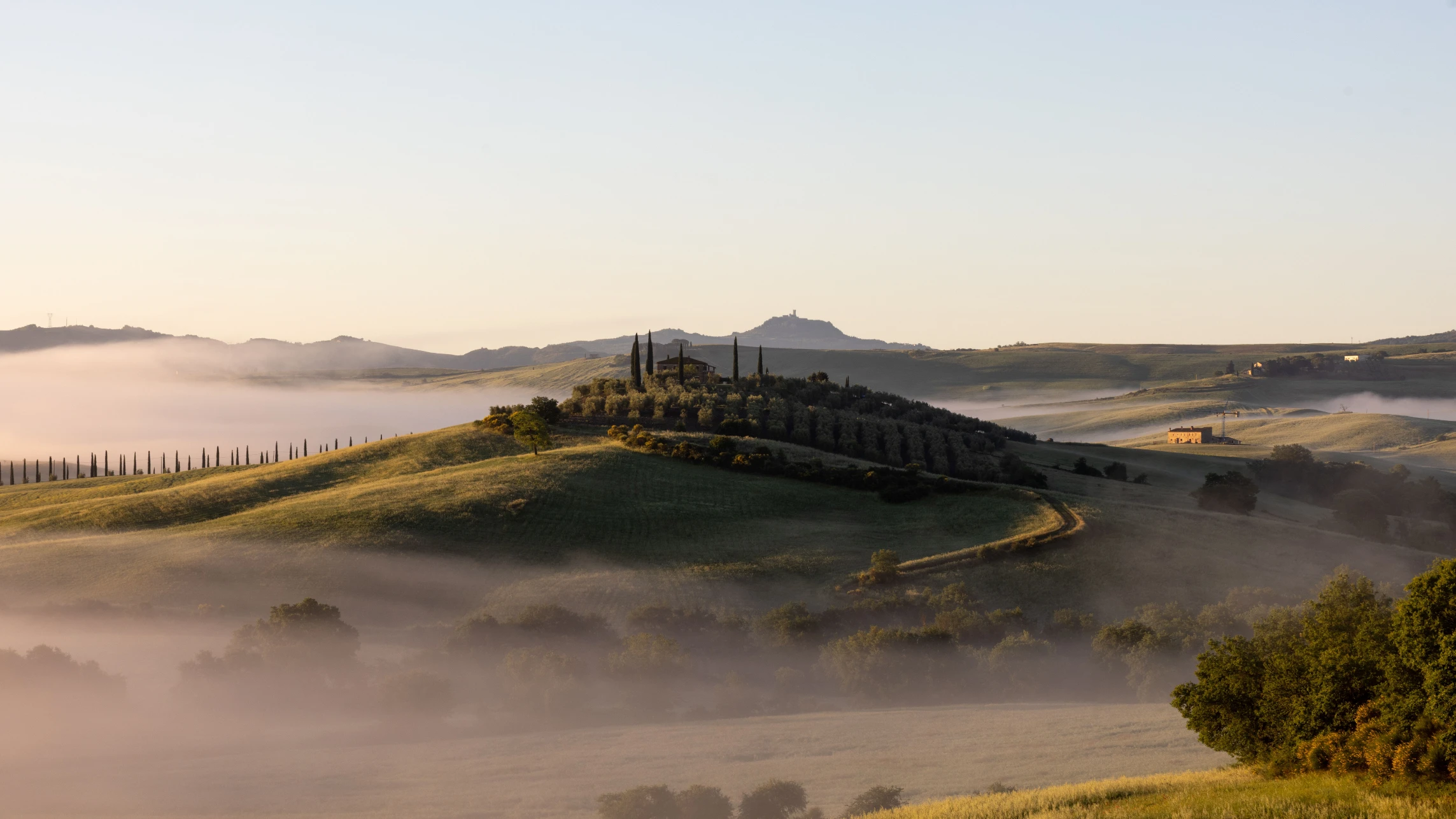
Across Tuscany, farmhouses tell a story written into the land they occupy. Stone buildings stand among olive groves and vineyards, their former agricultural rooms now restored for guests, while the fields beyond continue to yield the produce that has sustained generations. In autumn, the grape harvest gives way to the gathering of olives; in spring, kitchen gardens return to life and the hills turn green again.
A Tuscany farm stay offers a way to experience this landscape from within, with regional food, agricultural traditions, and the changing seasons providing a connection to rural life that extends beyond the view from the window. Known in Italy as an agriturismo, this form of hospitality has its roots in a longstanding relationship between farming and the homes, land, and livelihoods built around it.
From the rolling hills of the Val d’Orcia to the vineyards of Chianti Classico and the wilder countryside of the Maremma, each region reveals a different expression of that heritage. Some estates centre on wine production; others cultivate olives, tend vegetable gardens, or preserve traditional farm buildings whose architecture reflects centuries of agricultural life.
The appeal lies in the details: olive oil pressed from local harvests, recipes grounded in the surrounding region, and the opportunity to discover Tuscany through the working landscapes that have helped define it.
Some links in this post are affiliate links. That means we may earn a small commission, at no additional cost to you.
What Is Agriturismo
The word agriturismo describes a regulated form of hospitality linked to an agricultural enterprise. Its defining characteristic is the relationship between the farm and the accommodation: farming must remain the principal activity, with hospitality operating in connection with the agricultural business.
Italy’s national framework, established in 1985 and revised in 2006, gives this relationship a formal basis. Regional authorities set additional requirements, including how the primacy of agricultural activity is assessed. In Tuscany, this assessment can take account of the time devoted to farming and hospitality, agricultural production, and the income generated by guest services. The precise requirements should therefore be understood in their regional context, rather than reduced to a single national income threshold.
This distinction gives the agriturismo its particular character. A wine-producing estate may welcome guests into restored farm buildings while continuing to cultivate its vineyard and manage its cellar. An olive-growing property may open a handful of rooms during the same months in which its harvest is gathered and pressed. Elsewhere, vegetable gardens, orchards, livestock, and small-scale food production sustain a kitchen that draws directly on the surrounding land.
The tradition also has an architectural history. Across Tuscany, the podere was a farm unit within a wider agricultural estate, sometimes organized around a larger fattoria. Its buildings served practical purposes: storing crops, housing animals, and accommodating the people who worked the land. Stone walls, terracotta floors, external staircases, and covered loggias emerged from this agricultural life. Many surviving farmhouses have since been restored for contemporary use, although the extent to which their original function continues varies considerably.
The distinction between an agriturismo and a country hotel is therefore more than a matter of appearance. A renovated farmhouse, an olive grove, and a view across vineyards do not, on their own, establish that a property qualifies as an agriturismo. The meaningful connection lies in the agricultural operation behind the stay, whether that involves producing wine, cultivating olives, raising livestock, or growing food.
The Regions That Define Tuscan Agriturismo
Tuscany is a collection of distinct agricultural territories, each shaped by its soil, altitude, climate, and local traditions. The familiar cypress-lined hills are only one part of the picture. From the vineyards of Chianti to the coastal plains of the Maremma and the wooded Apennine foothills, the region offers several interpretations of rural life.
Val d’Orcia: The Agricultural Heartland
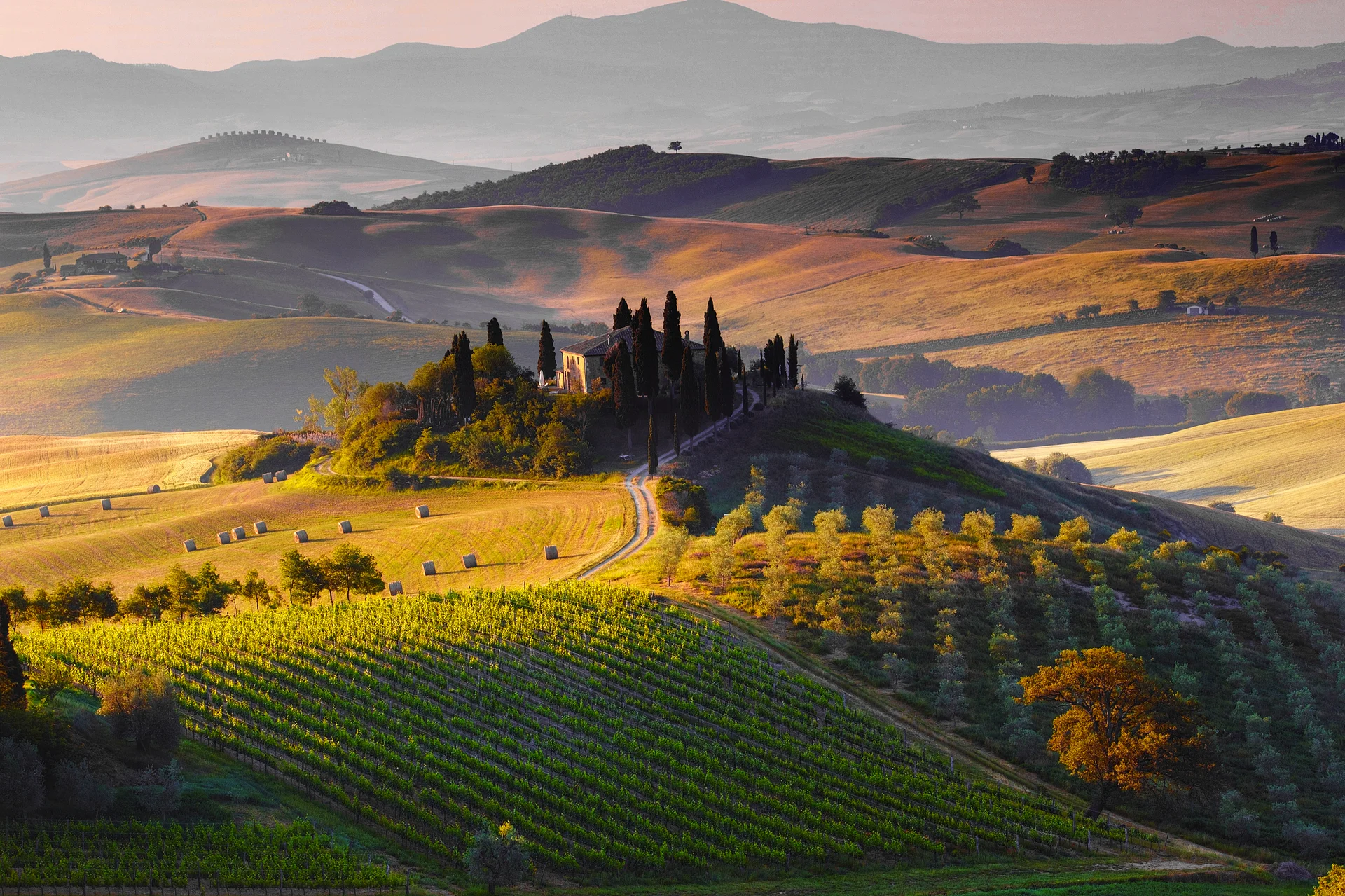
The Val d’Orcia is among the most recognizable landscapes in Italy. Its broad clay hills, isolated farmhouses, and winding cypress avenues have become closely associated with the Tuscan countryside. Recognized as a UNESCO World Heritage Site in 2004, the valley’s appeal extends beyond its scenery to the agricultural traditions that sustain it.
Around Pienza, sheep’s milk becomes Pecorino di Pienza, while grain cultivation, olive growing, and wine production remain part of the local economy. Montalcino, Montepulciano, and the surrounding villages provide different expressions of the region’s wine culture.
A farmhouse stay here lends itself to unhurried exploration: a morning in a nearby medieval village, a walk through the hills and an evening meal featuring local cheeses, seasonal vegetables and olive oil. The landscape is open and expansive, with individual farms occupying prominent positions across the ridges.
Chianti Classico: Vineyards and Stone Farmhouses
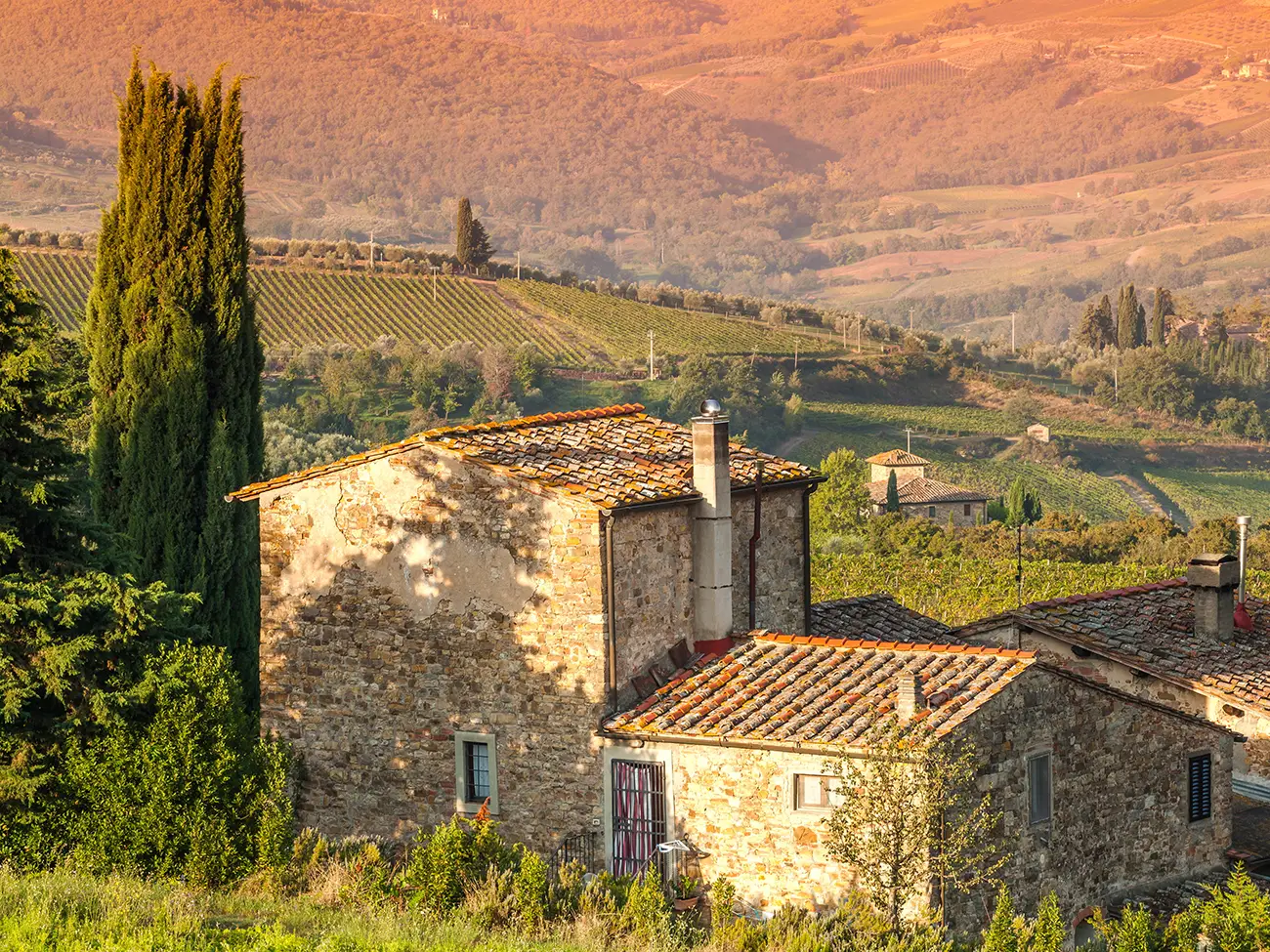
Between Florence and Siena, Chianti Classico is defined by vineyards, oak woodland, and historic settlements. Sangiovese is the principal grape variety associated with the denomination, and the Gallo Nero emblem identifies wines produced within its regulated territory.
The agricultural landscape is more varied than the rows of vines suggest. Olive trees grow alongside vineyards, while woodland and small cultivated plots break up the hillsides. Historic farmhouses, cellars, and rural estates often reflect the close relationship between agriculture and architecture.
For visitors, a stay in Chianti offers access to winery visits, regional cooking, and villages such as Radda, Gaiole, and Castellina. It is particularly suited to those interested in understanding how a specific agricultural product, from the grape harvest to the finished wine, informs the identity of a region.
Maremma: The Coastal Agricultural Tradition
Southern Tuscany has a different character. The Maremma stretches across coastal plains and inland hills, with woodland, grazing land, vineyards, and agricultural estates forming part of its identity. The butteri, traditional mounted cattle herders, are associated with the region’s pastoral heritage. Their work reflects a relationship between people, livestock, and open land that differs from the more vineyard-centered landscapes of Chianti.
Here, farm stays may combine agricultural activity with access to the Tyrrhenian coast, nature reserves, and quieter inland settlements. Wine production, olive cultivation, and local food traditions offer reasons to explore beyond the beach towns, particularly for those interested in the relationship between rural life and the Mediterranean environment.
Lunigiana: Northern Tuscany’s Rural Heritage
In the northwest, Lunigiana lies between the Apennines and the Ligurian border. Its wooded slopes, chestnut forests, and stone villages feel distinct from the open hills of central Tuscany. The region’s culinary traditions include testaroli, a simple preparation made from a batter of flour and water, as well as chestnut-based dishes and locally grown grains. Traditional farmhouses and country houses are often integrated into small settlements or set among cultivated land and woodland.
For those willing to travel beyond the better-known destinations, Lunigiana offers a quieter introduction to rural Tuscany, with opportunities for walking, regional food experiences, and exploration of historic villages.
Mugello: Woodland and Mountain Foothills
North of Florence, Mugello is characterized by rolling hills, forests, pastures, and agricultural valleys. Its cooler climate and wooded terrain provide a different perspective on the region, particularly for those who prefer walking routes and the countryside to the busier wine destinations. Agricultural estates here may combine livestock, chestnut cultivation, orchards, and small-scale food production. The traditional stone-and-terracotta farmhouse is part of the area’s architectural vocabulary, while the proximity to Florence makes it a possible base for combining rural accommodation with time in the city.
Together, these five territories show why a farm stay in Tuscany should be chosen according to the agricultural landscape as much as the accommodation itself.
For a broader view of Italy, these pieces extend the journey:
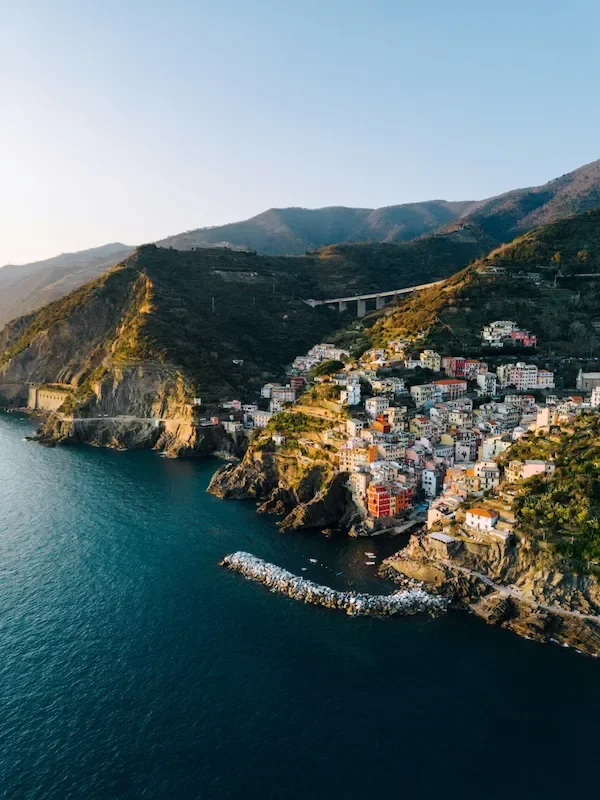
- Unveiling the Best Places to Go in Italy
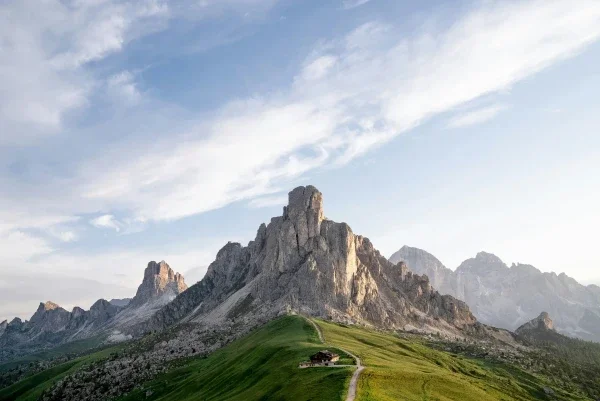
- How The Dolomites in Italy Captivates Every Traveller
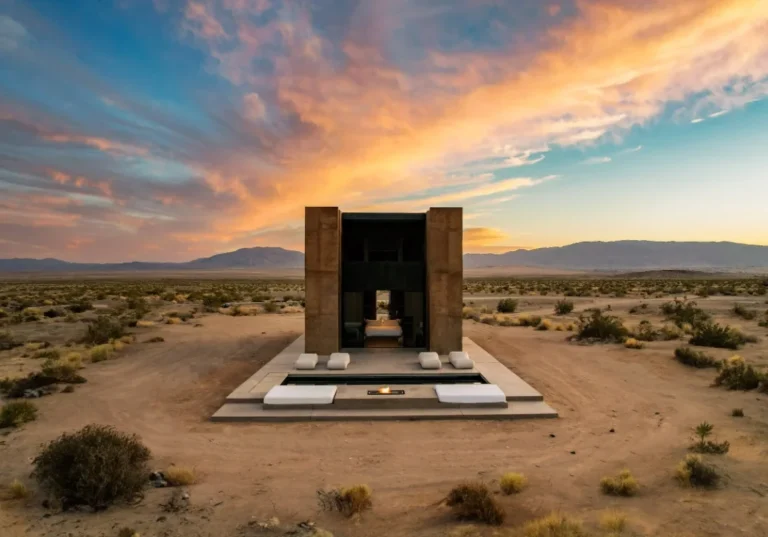
- Rewriting the Palazzo: Venice’s Post-Venetian Boutique Hotels
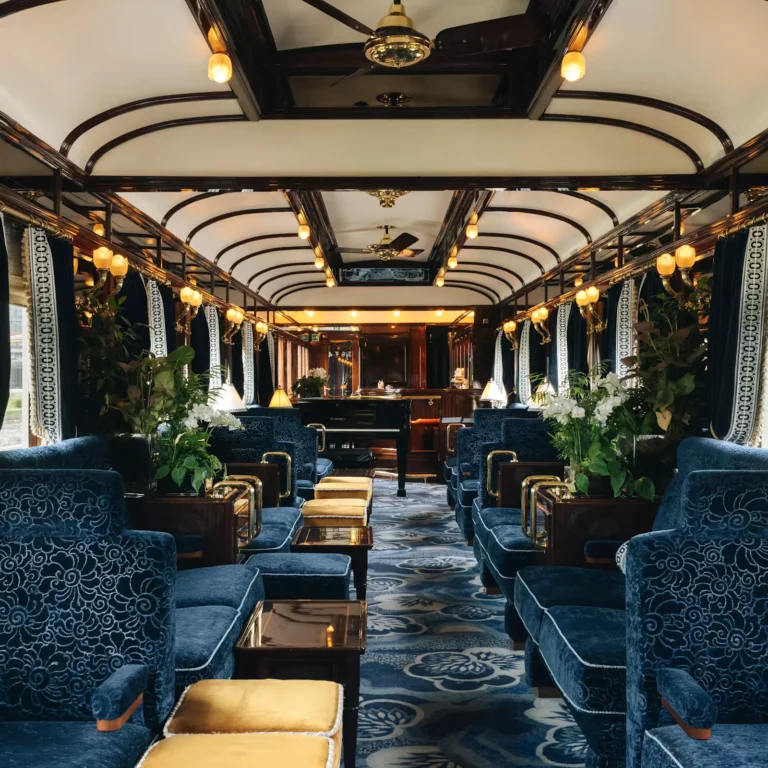
- Inside the Venice Simplon-Orient-Express: A Moving Archive
Seven Farm Stays Worth The Journey
From wine estates in the Maremma to organic farms in the hills around Montepulciano, these seven Tuscany farm stays reveal different relationships between Tuscan agriculture and Italian hospitality. Some remain closely connected to the local and seasonal food production, while others draw their character from historic farm buildings, the serene Tuscan landscape, and the traditions of rural life. Together, they offer a broader picture of the Tuscan countryside beyond the picturesque vineyards and cypress-lined roads alone.
Casa Ruffino
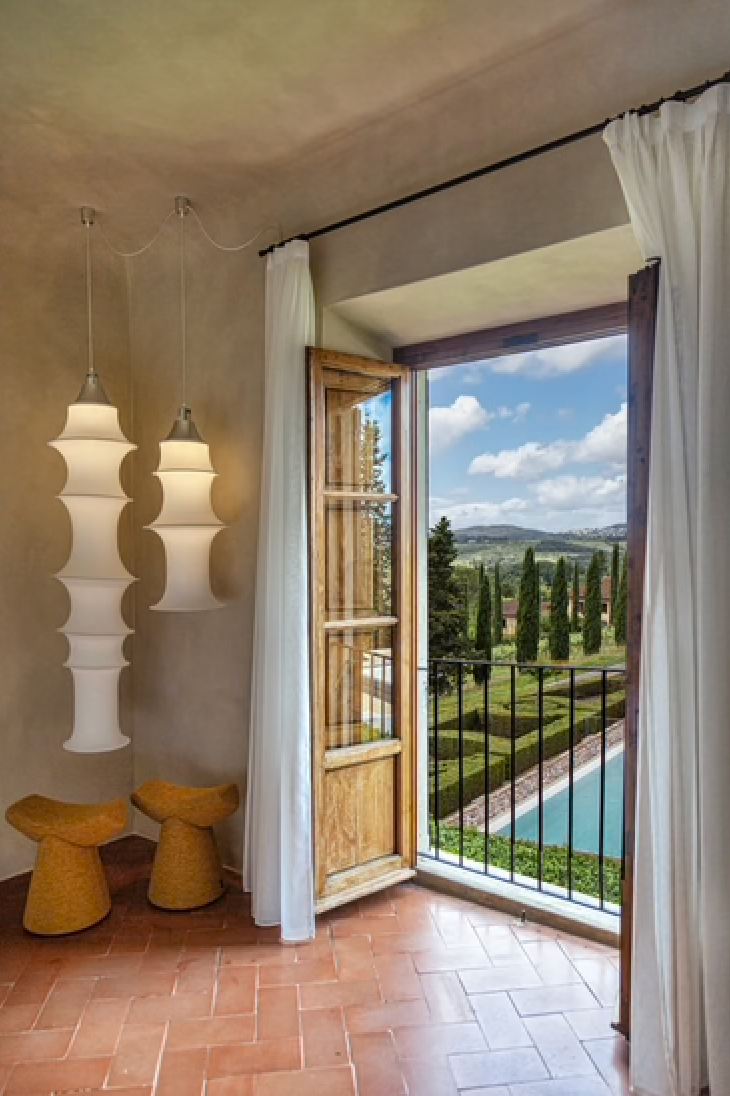
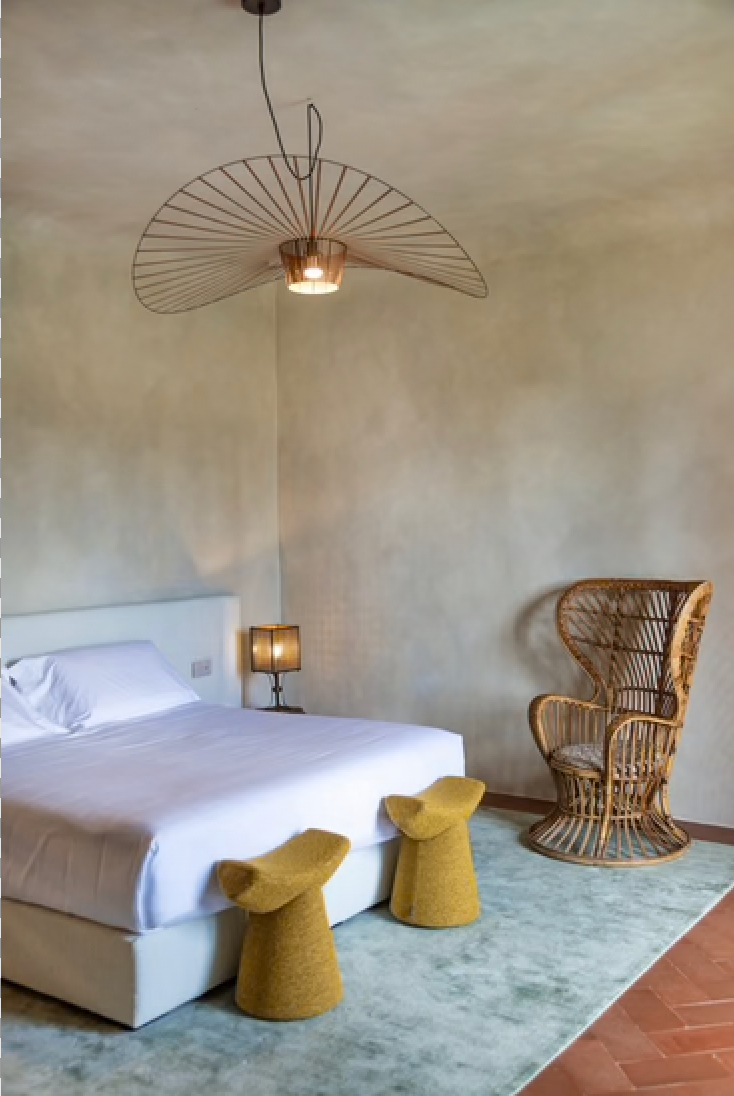
The historic villa at Poggio Casciano, home to Casa Ruffino’s Wine Relais, brings the world of Tuscan wine into a Renaissance estate just outside Florence. Vineyards surround the property, while the villa’s historic architecture provides a setting for eight guest rooms and a hospitality experience rooted in the winemaking heritage of one of Italy’s established wine producers.
Wine is the natural starting point here. Casa Ruffino’s estate offers the opportunity to explore the relationship between grape varieties, the vineyard landscape and the finished bottle, with tastings and winery experiences connecting the stay to the work behind its wines. A private cooking class adds another dimension, introducing traditional Tuscan recipes through local ingredients and the techniques of the kitchen.
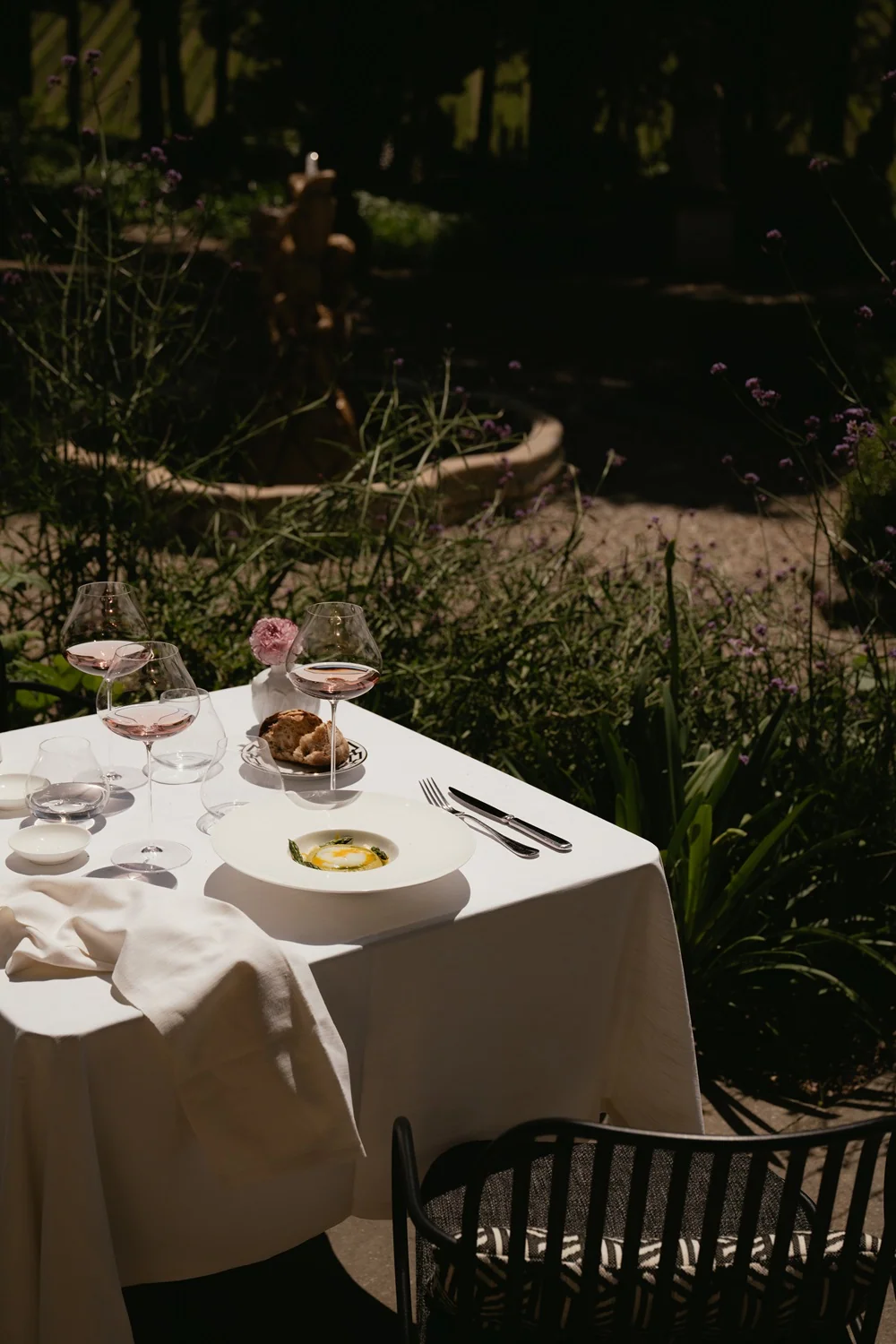
The combination of a wine estate and proximity to Florence gives Poggio Casciano a character distinct from the more remote farmhouses of southern Tuscany. Days can move between the vineyard and the city, with the villa providing a historic rural setting to return to.
Follonico
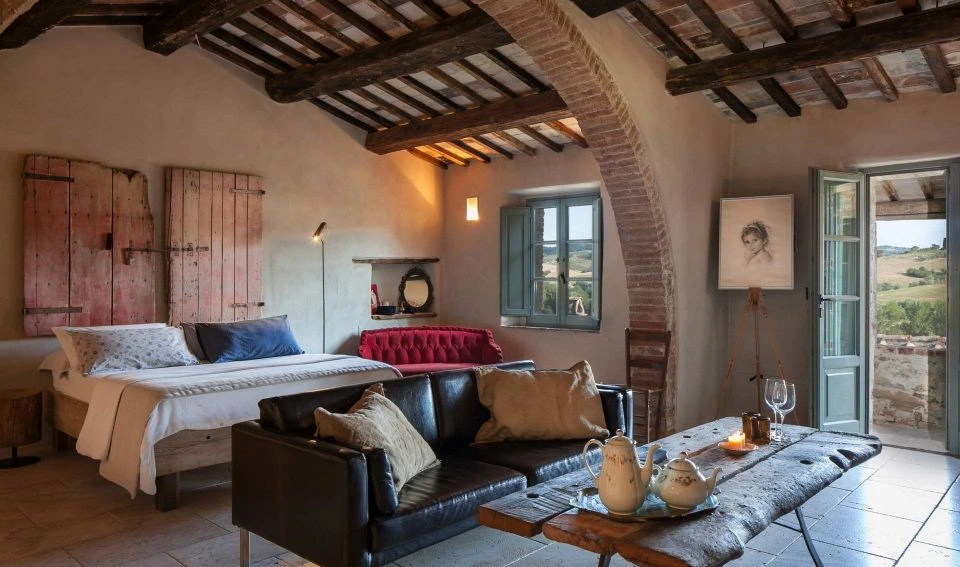
At Follonico, agriculture is part of the property’s daily life. The organic farm brings together vineyards, olive groves, a vegetable garden and animals, with the produce of the land informing the food served to guests. The estate’s position between Val d’Orcia and Val di Chiana places it within a landscape of cultivated hills, small towns and long-established farming traditions.
The vineyard produces predominantly Sangiovese, alongside a small proportion of Cabernet, for a limited production of wine made for the agriturismo. In the garden, vegetables are gathered for breakfast and dinner, while the olive grove supplies oil used in the kitchen. Hens, horses and donkeys are part of the working farm, giving the estate an agricultural character that extends beyond its buildings and views.
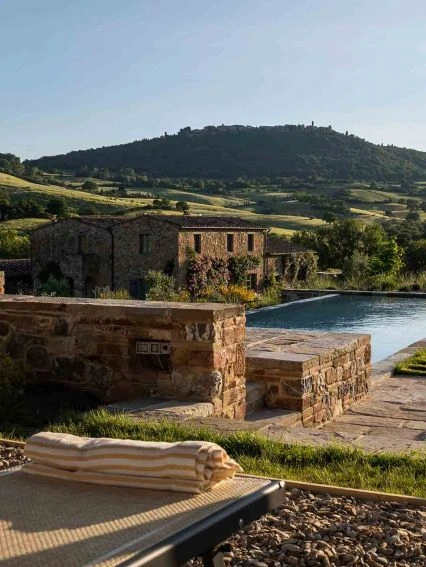
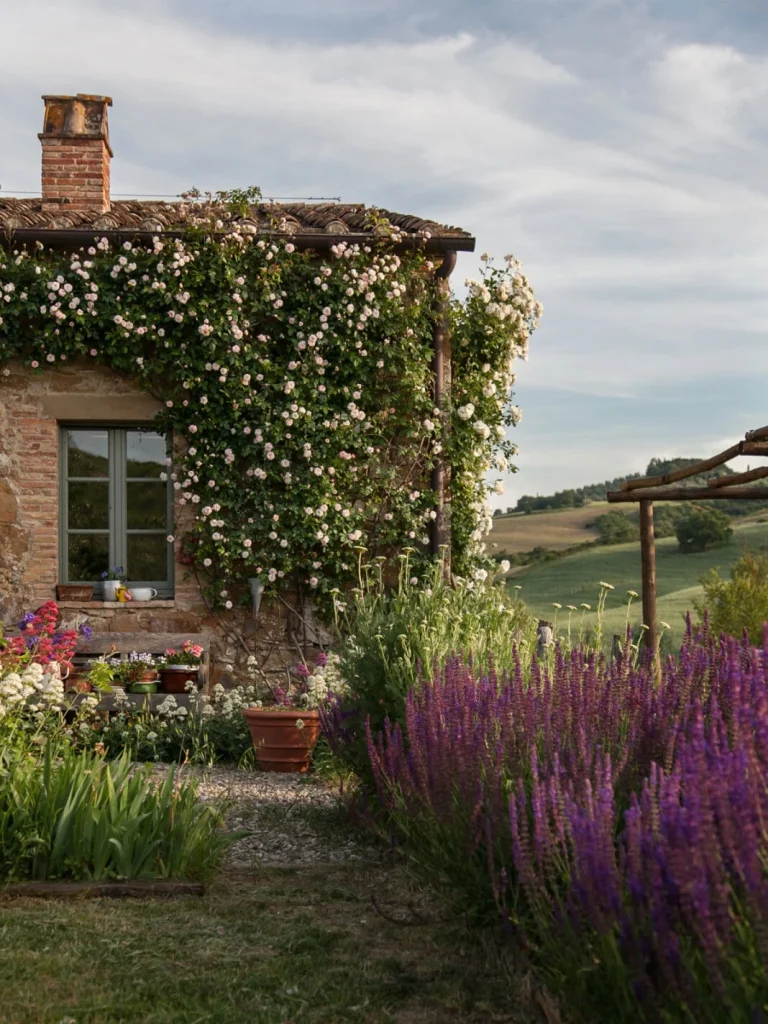
It is this connection between cultivation and the table that distinguishes Follonico. Meals draw on the garden and the surrounding region, while the scale of the farm keeps the experience closely tied to the land itself. Montepulciano and the wider countryside of southern Tuscany remain within reach, but the estate’s own agricultural life provides a reason to stay close to home.
Lupaia
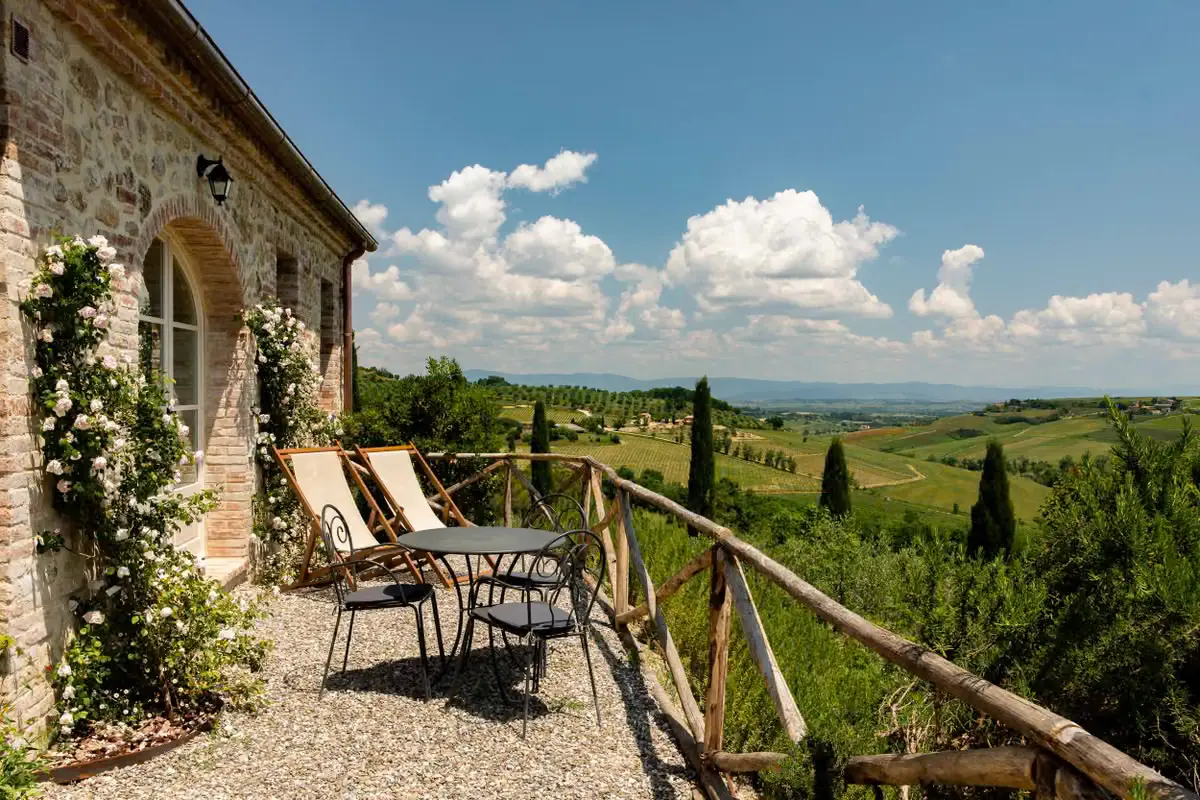
Lupaia began as a rural settlement in the seventeenth century, and its stone farm buildings retain details of that earlier life: original beams, traditional fireplaces and rooms arranged within the historic structures. The property occupies a hillside near Montepulciano, with views across vineyards, olive trees and the surrounding countryside.
Its 12 rooms and suites each have their own character. A former hayloft, a converted stable and rooms with private gardens reflect the different histories of the buildings, while terraces and windows frame the rolling landscape. The architecture is central to Lupaia’s identity, with the restoration preserving the irregularity and texture of the original farmstead.
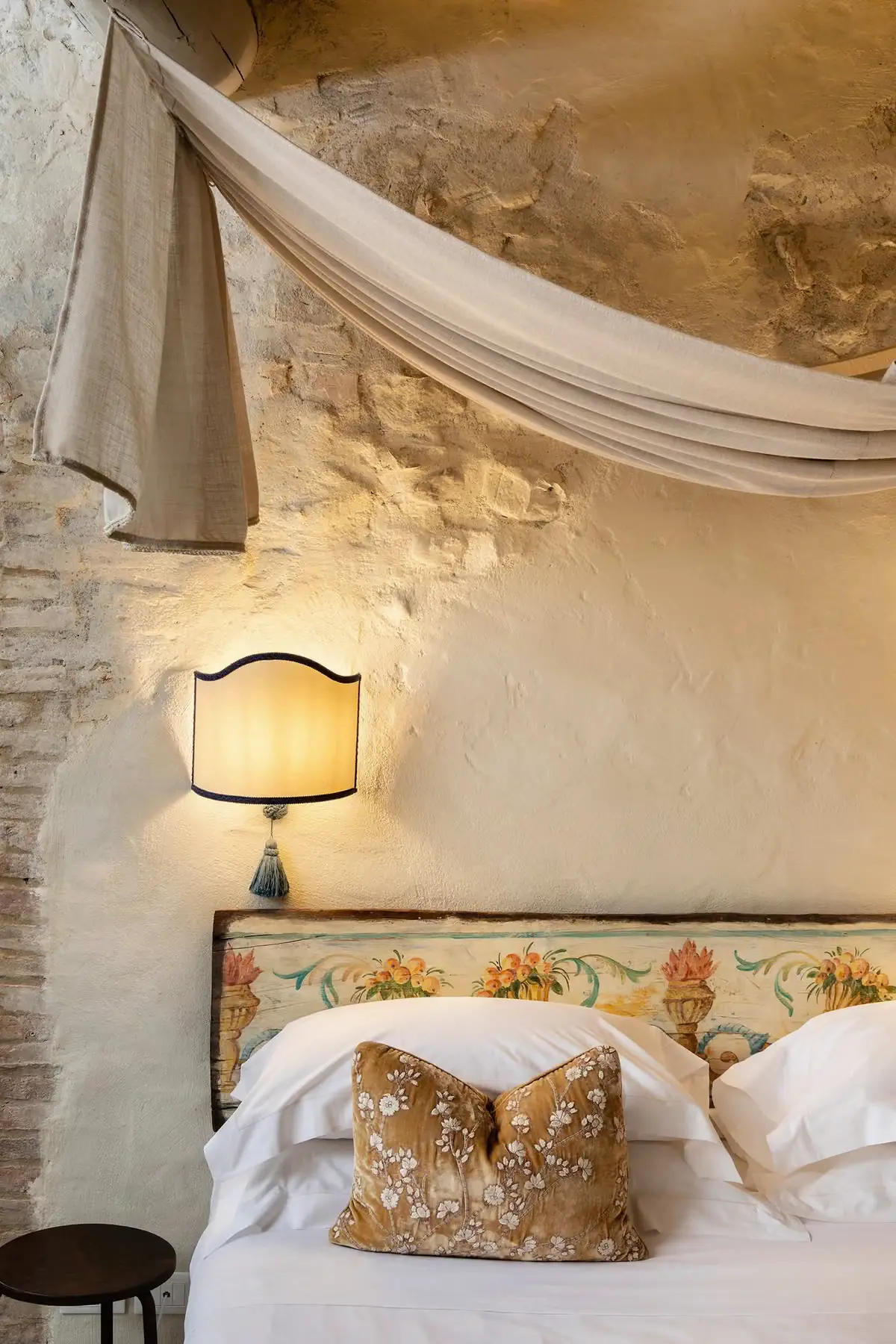
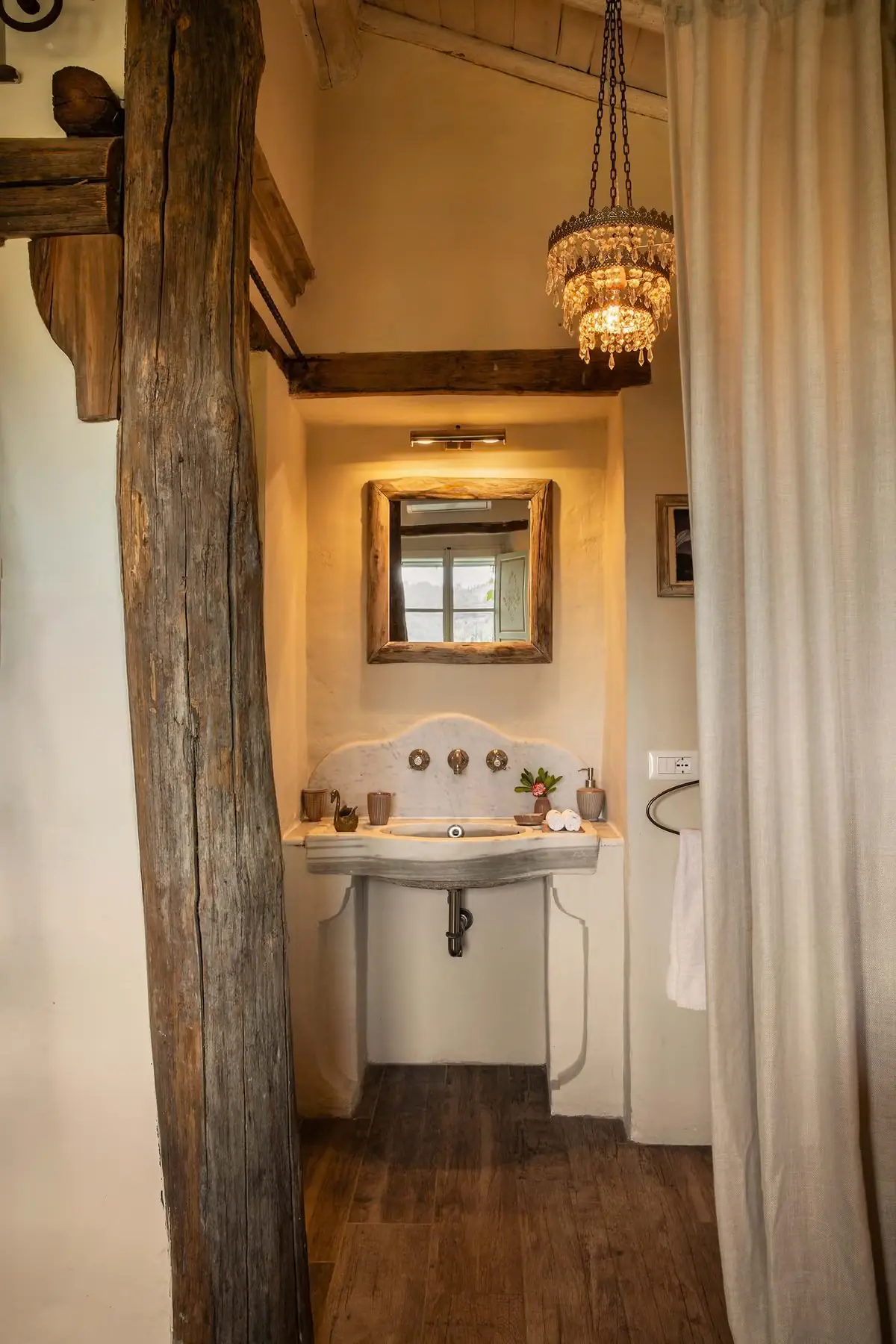
The location makes Montepulciano, Pienza and the Val d’Orcia accessible for day trips, while the hilltop setting offers a quieter counterpoint to the region’s historic towns. Lupaia is best understood through its architectural heritage and rural setting, with its appeal resting on the transformation of an old farmstead into an intimate countryside property.
Conti di San Bonifacio
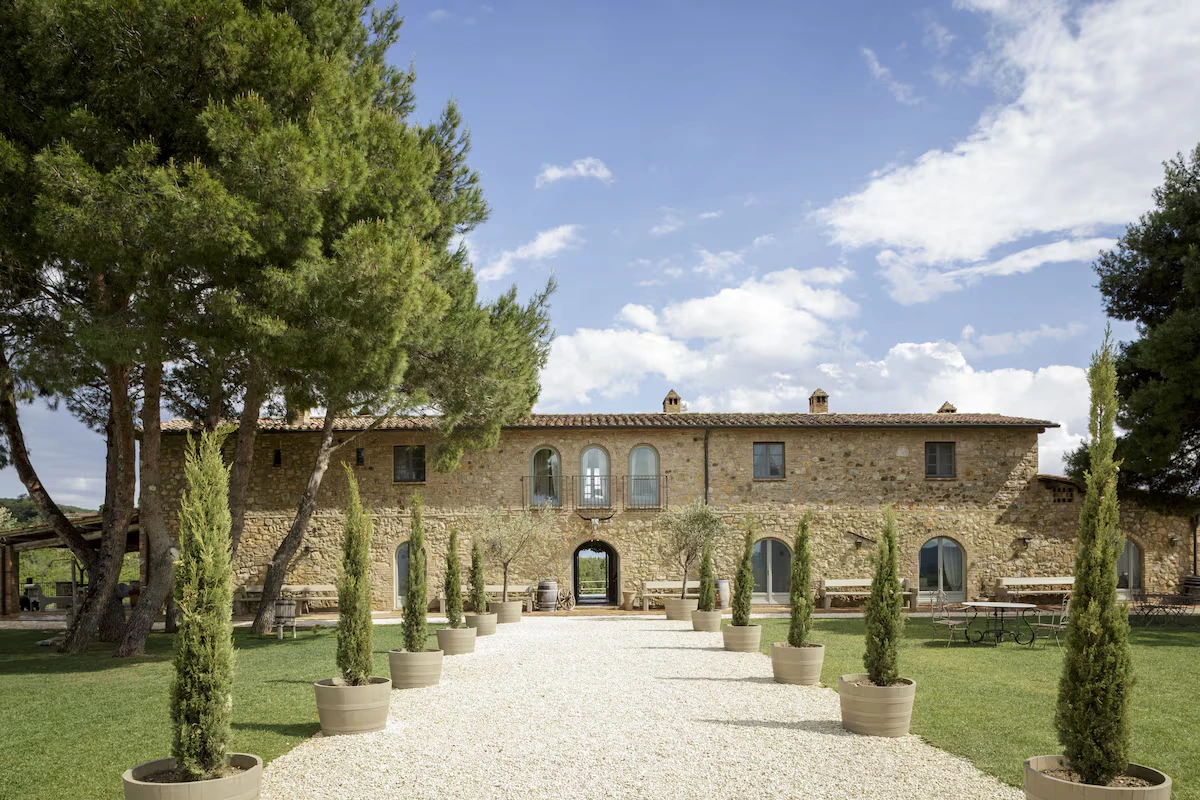
In the Maremma, Conti di San Bonifacio sits among vineyards, olive groves and wooded hills, with the Tuscan coast within reach. The estate’s boutique winery is central to its identity, producing wines from a landscape quite different from the celebrated vineyards of Chianti and the Val d’Orcia.
Wine experiences move from the vines to the cellar, with sommelier-led workshops and tastings that include wines drawn directly from barrel. The estate also offers organic olive oil experiences, garden-to-table cooking classes and food-and-wine pairing dinners, linking the winery to the wider agricultural and culinary traditions of the Maremma.
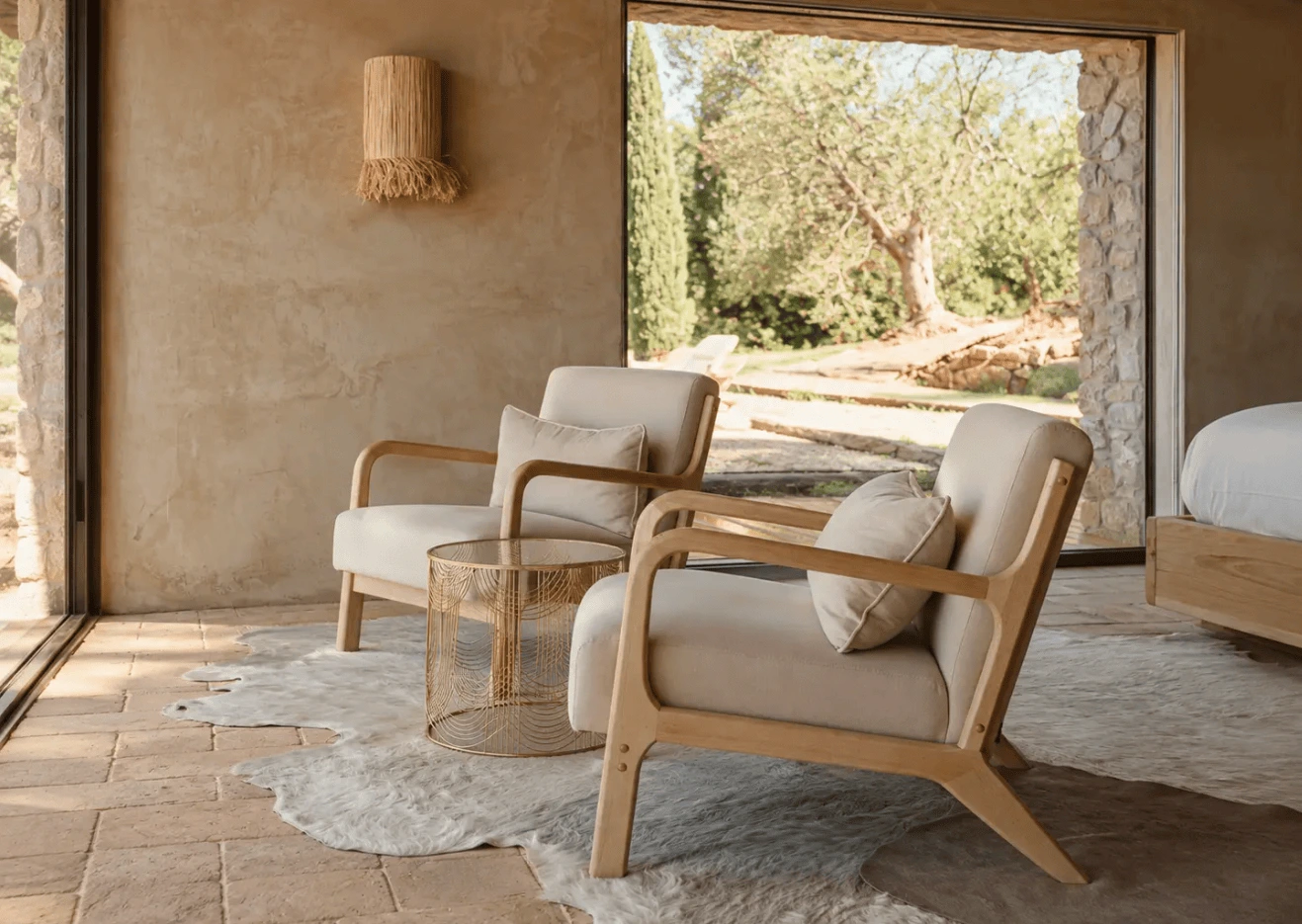
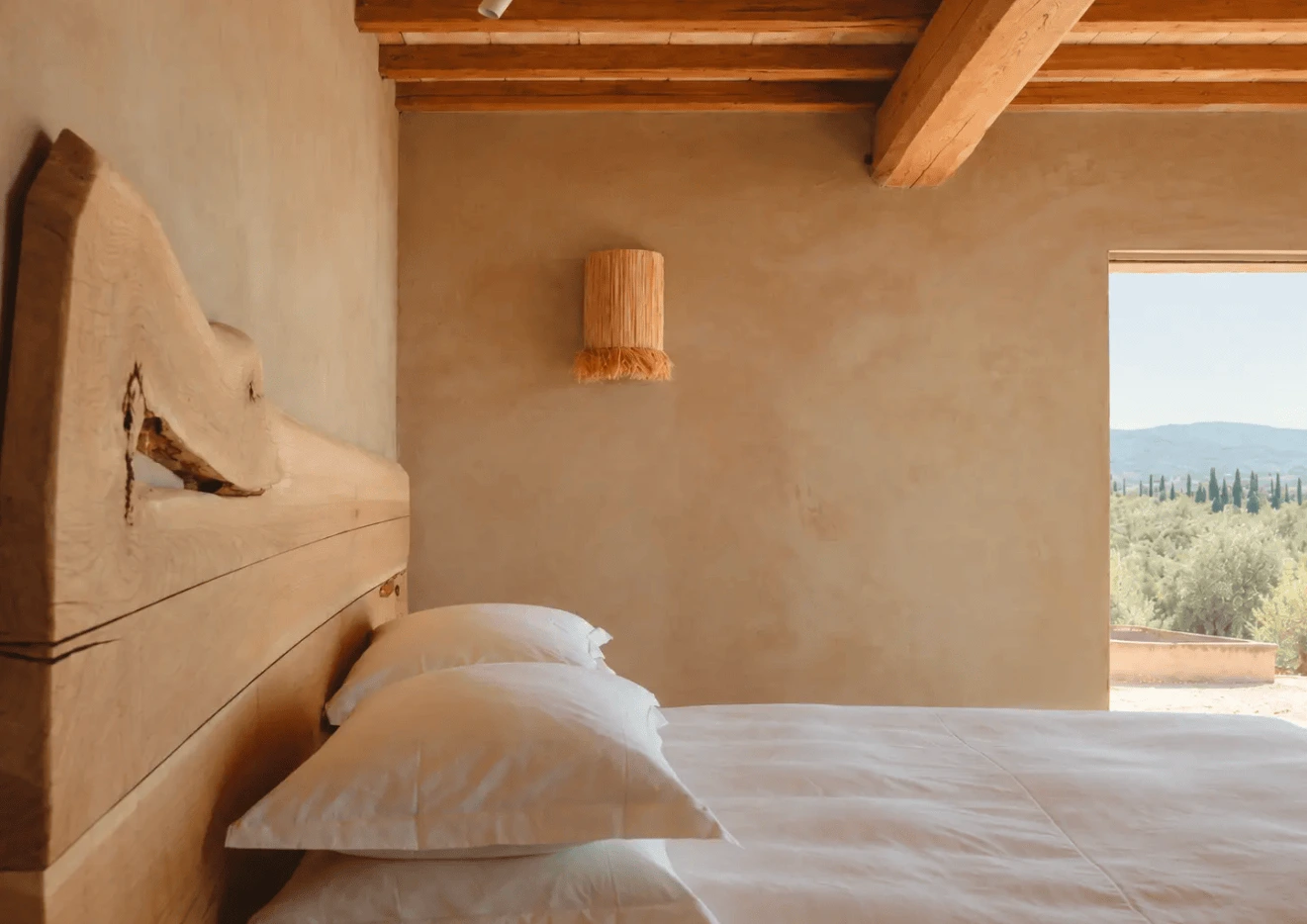
The surrounding countryside adds range to a stay here. Inland villages, woodland and coastal landscapes offer different ways to explore southern Tuscany, while the estate itself provides a base within its wine-producing landscape. At Conti di San Bonifacio, the vineyard is not simply the view from the terrace; it is the foundation of the property’s identity and guest experiences.
La Darbia in Chianti
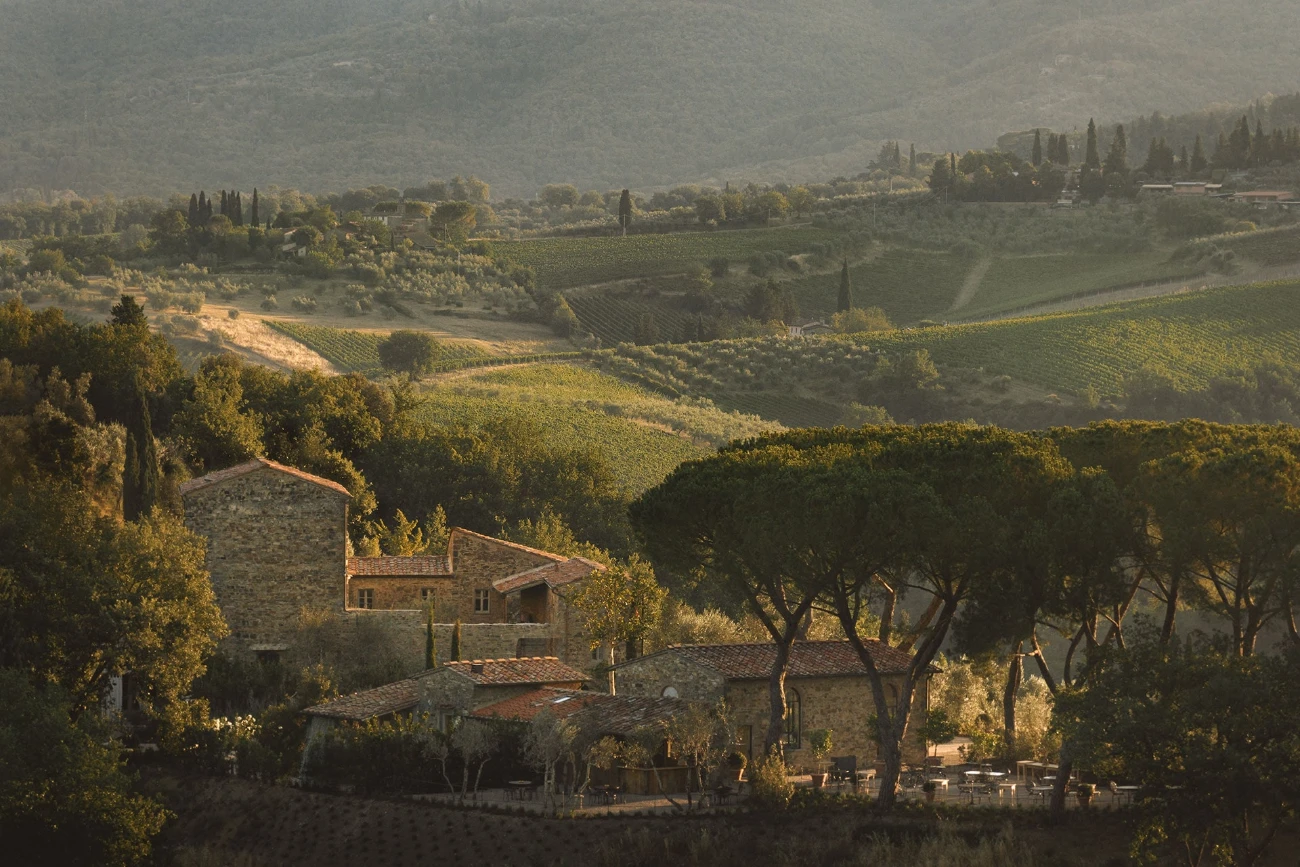
Set in an ancient hilltop village near Greve in Chianti, La Darbia brings together historic farmhouses, olive trees, woodland and lavender fields. Seventeen suites occupy three restored farmhouses, with gardens and panoramic pools opening onto the surrounding countryside.
The estate’s agricultural identity extends beyond the vineyards that dominate much of Chianti’s public image. Its lavender fields are home to around forty beehives, while honey and extra virgin olive oil are produced on the property. These smaller-scale activities offer a different view of the region’s agricultural life, where olive cultivation and beekeeping sit alongside the wider traditions of wine production.
The restoration of the farmhouses gives the property a strong architectural character, while the gardens connect the buildings to the cultivated landscape around them. With Florence within reach, La Darbia combines a rural setting with access to the art, architecture and food culture of the city, without losing its connection to the Chianti hills.
La Pescaia Resort
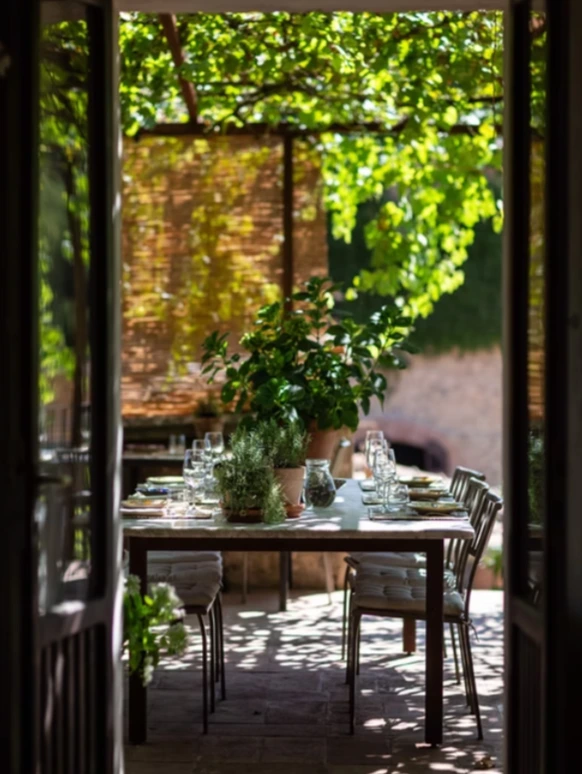
Near Roccastrada, La Pescaia Resort occupies a nineteenth-century villa-farm in the Maremma, set among ancient olive trees, woodland and walking paths. The estate’s history is associated with the Tolomei family, and its restoration has preserved the character of the historic buildings and the central farmyard.
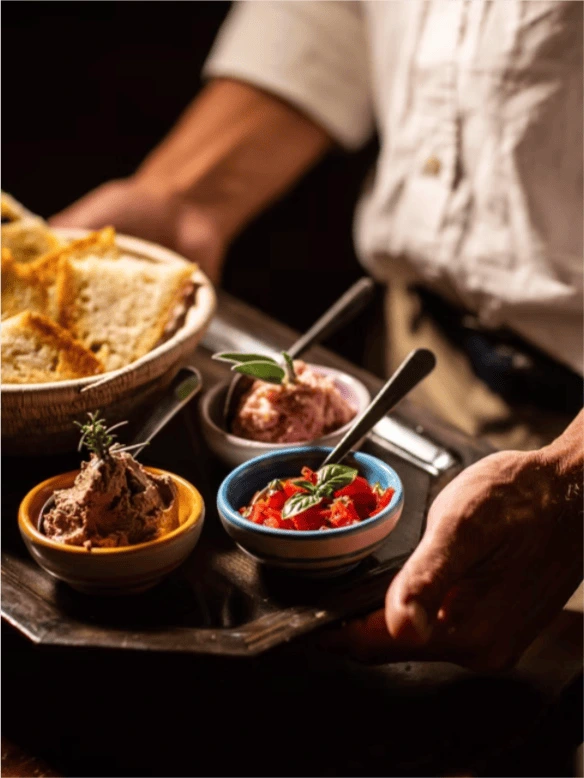
The olive groves are a defining feature of the property, with more than six thousand trees across the estate. Agriculture and the kitchen meet at the restaurant, where organic vegetables from the garden and regional ingredients inform the menu. The grounds also include gardens and paths for walking and horseback riding, activities with longstanding connections to the rural estate.
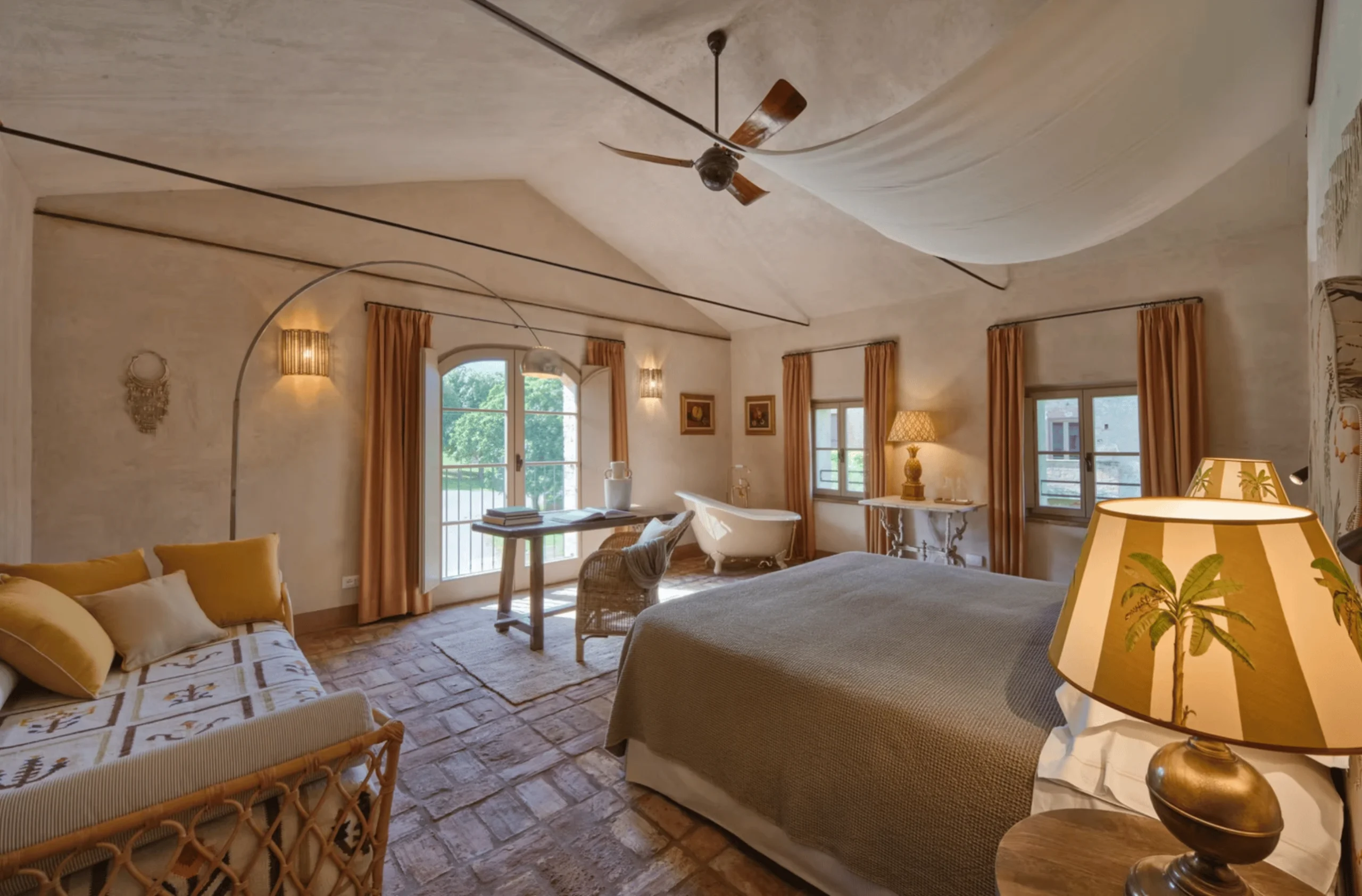
With 14 rooms and two apartments, La Pescaia retains the scale of a historic country property. Its location between Siena and the coast opens up a different side of Tuscany, where olive cultivation, woodland and the Maremma’s agricultural history take precedence over the vineyard scenery more commonly associated with the region.
Borgo Santo Pietro
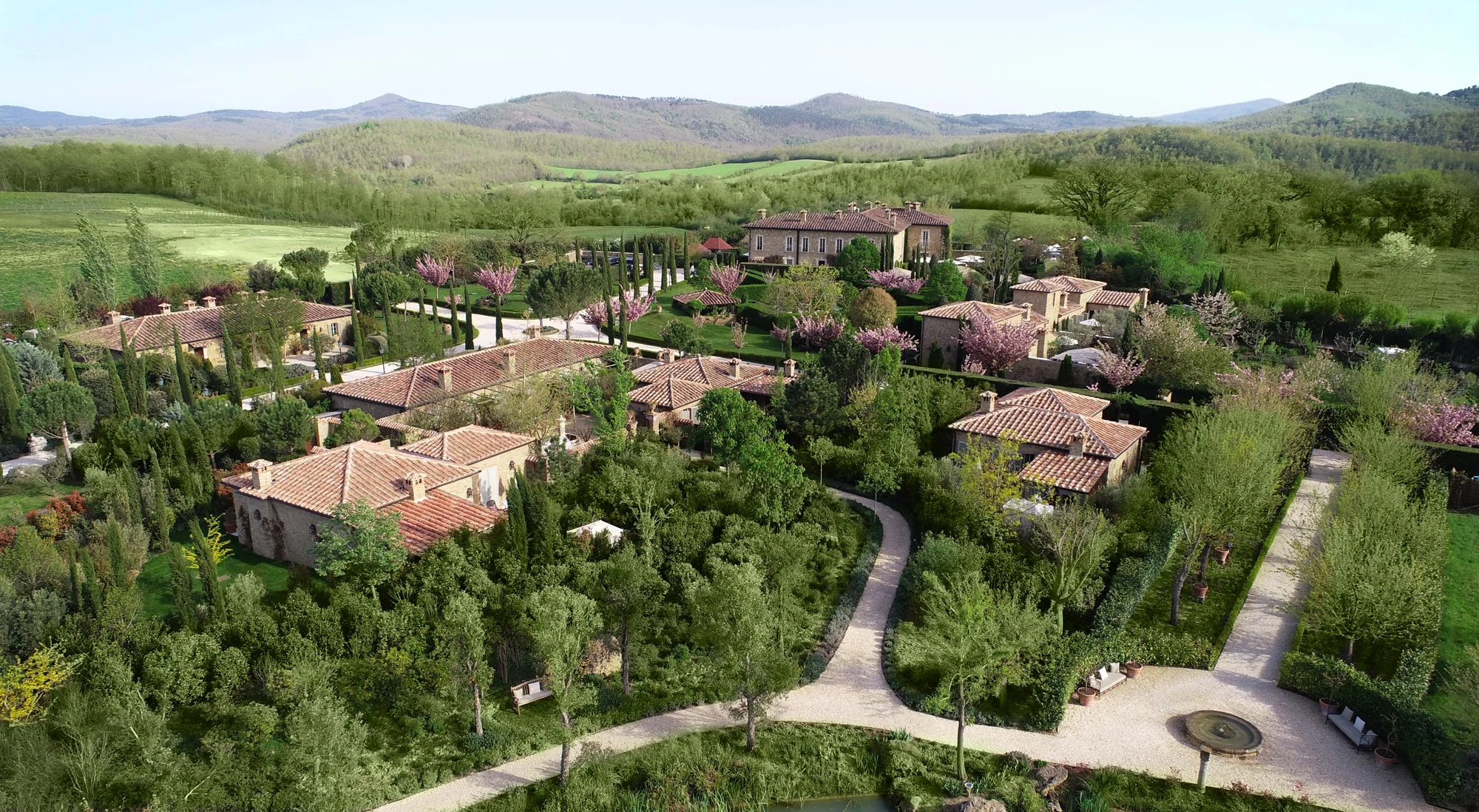
Borgo Santo Pietro‘s 300-acre organically cultivated estate brings farming, artisan food production and hospitality together on a substantial scale. At its centre is a thirteenth-century villa, surrounded by gardens, vineyards, pasture and the wider agricultural landscape near Chiusdino, south of Siena.
The farm includes a working dairy, where sheep’s milk is transformed into artisan cheese and yoghurt, alongside vineyards, vegetable gardens, orchards, beehives and livestock. Honey is collected from apiaries across the estate, with its flavour changing according to the flowers in season. The farm’s produce supplies the estate’s restaurants, linking cultivation and animal husbandry to the food served at the table.
Agricultural experiences offer a closer look at the estate’s daily work, from guided farm tours to visits to the culinary gardens, dairy and vineyards. The scale of the operation makes Borgo Santo Pietro particularly distinctive: the farm is not a decorative backdrop to the hotel, but an interconnected system of growing, raising, making and cooking.
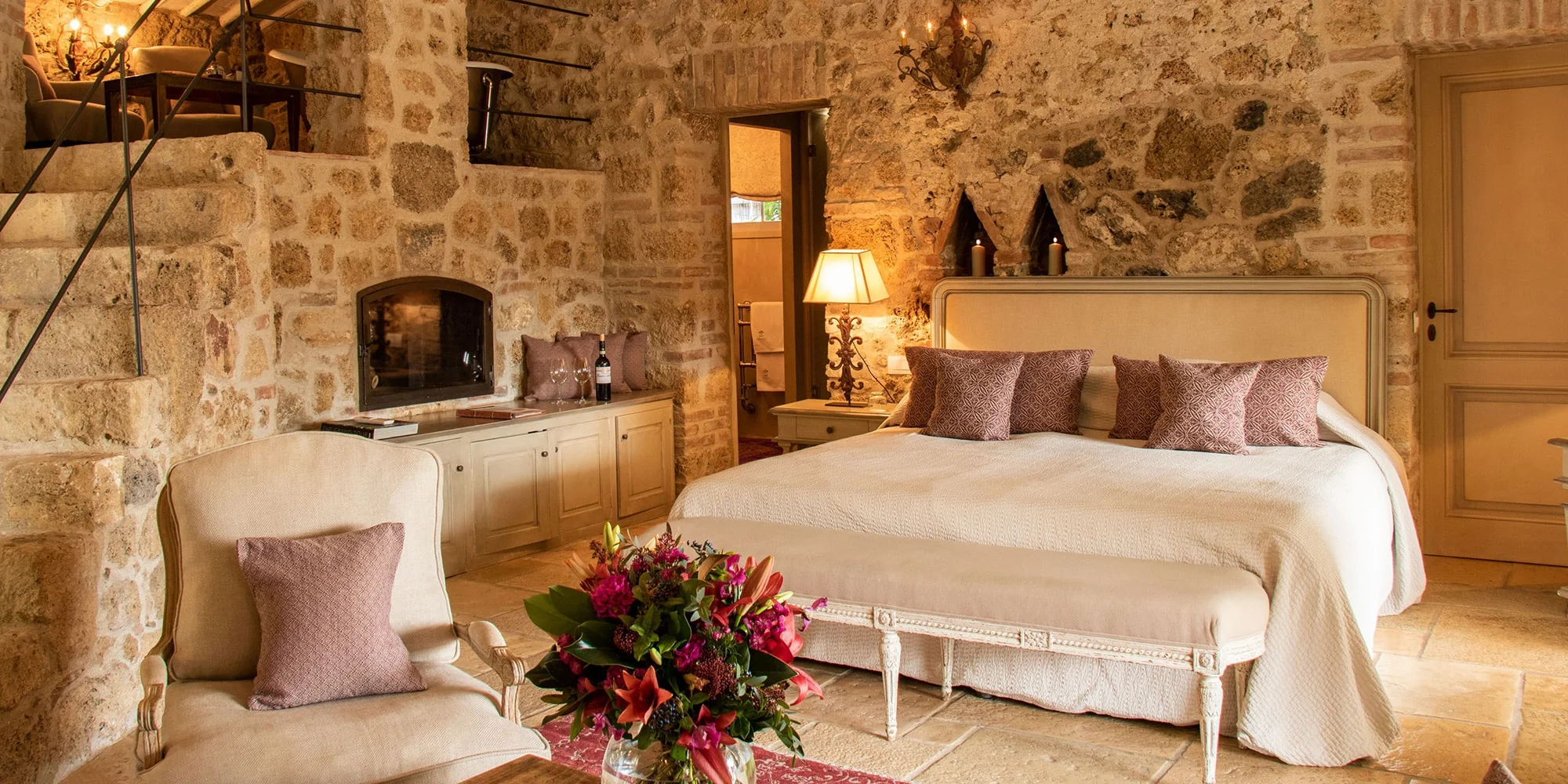
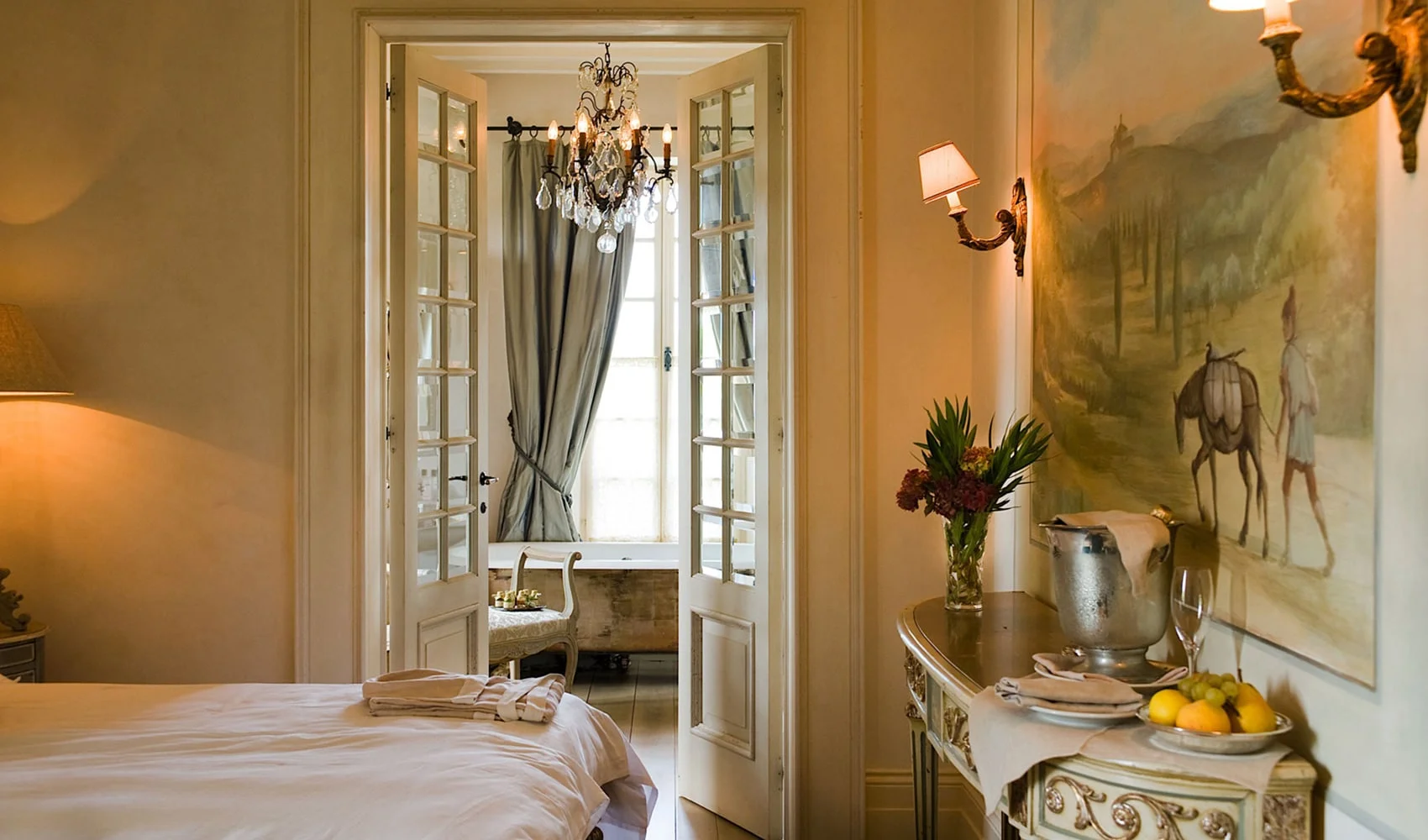
The result is a rural estate whose identity extends well beyond its historic villa. Its agricultural production, artisan dairy and gardens provide a direct connection between the landscape and the finished meal, illustrating how farming can remain integral to a developed hospitality operation.
CURATED TRAVEL
Need help booking a seamless journey to your destination?
Let us plan your itinerary from start to finish, with carefully selected stays, seamless routing, and considered recommendations throughout. As a Fora Travel advisor, we’re able to secure upgrades, added amenities, and preferred access, at no extra cost to you.
The Table at the Center of a Tuscan Farm Stay
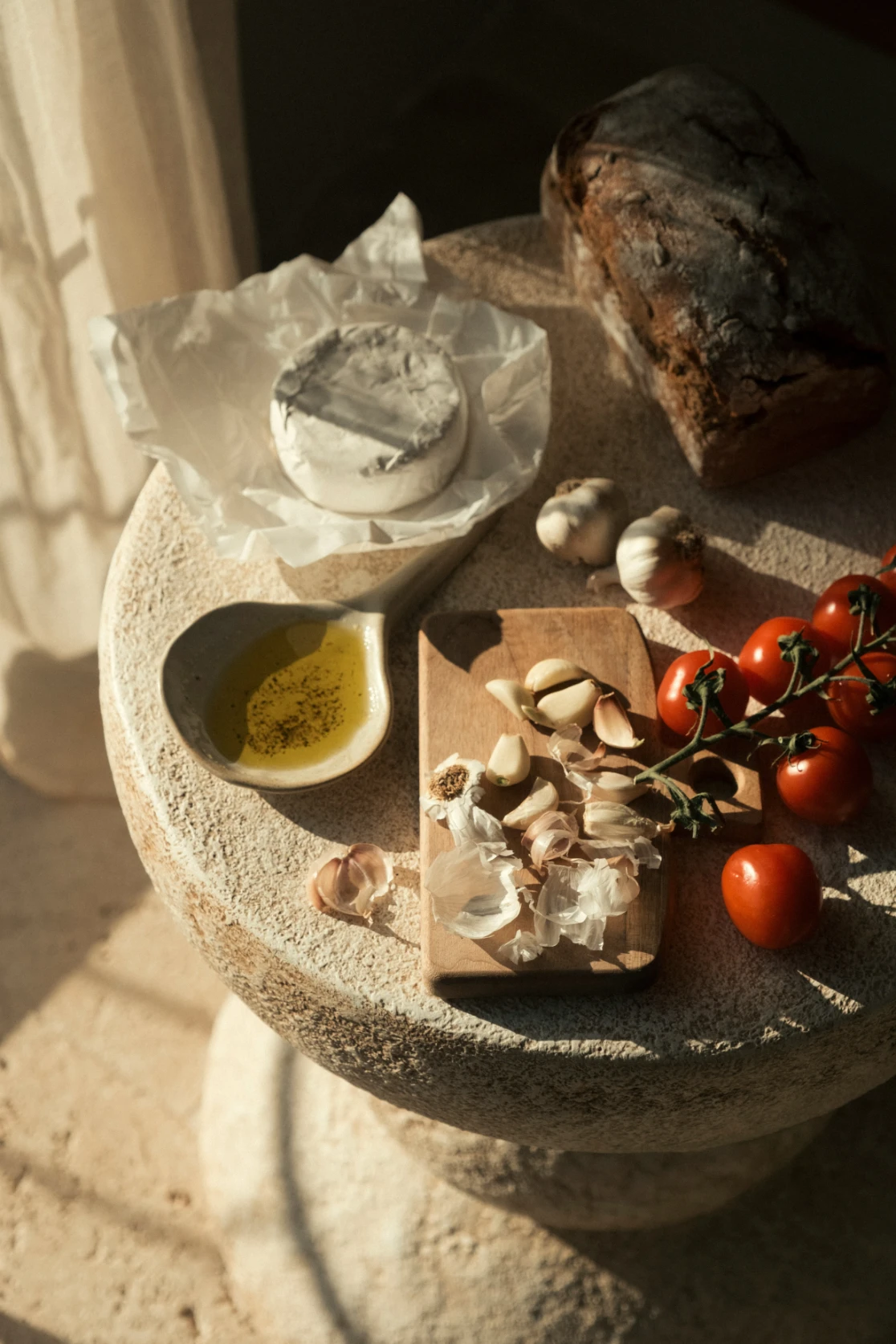
Food is one of the clearest ways to understand an agricultural region. At a well-chosen agriturismo, meals can reveal the crops, traditions and local supply chains that shape daily life. The table becomes an introduction to the land, with ingredients carrying the character of the season and the area in which they were produced.
Tuscan cooking draws on the tradition of cucina povera, a rural cuisine developed around available ingredients and a practical approach to food. Bread, beans, vegetables, grains and olive oil form the basis of many preparations. Recipes vary by locality, reflecting the ingredients that were historically available and the techniques passed between generations.
Ribollita, a thick soup of bread and vegetables, is associated with the cooking of central Tuscany. Pici, a hand-rolled pasta particularly linked to the Siena area, is often served with simple sauces. Farther north, chestnuts and other mountain ingredients appear more frequently in local dishes. These are examples of regional cooking shaped by agricultural conditions, not a single menu shared by every farm.
Olive oil is another expression of place. Tuscany has several protected designations, including Chianti Classico DOP, Terre di Siena DOP and Lucca DOP, each governed by its own production specification. The designation matters because it connects the product to a defined geographical area and established standards. Not every estate’s oil carries a DOP designation, so the label should be checked rather than assumed.
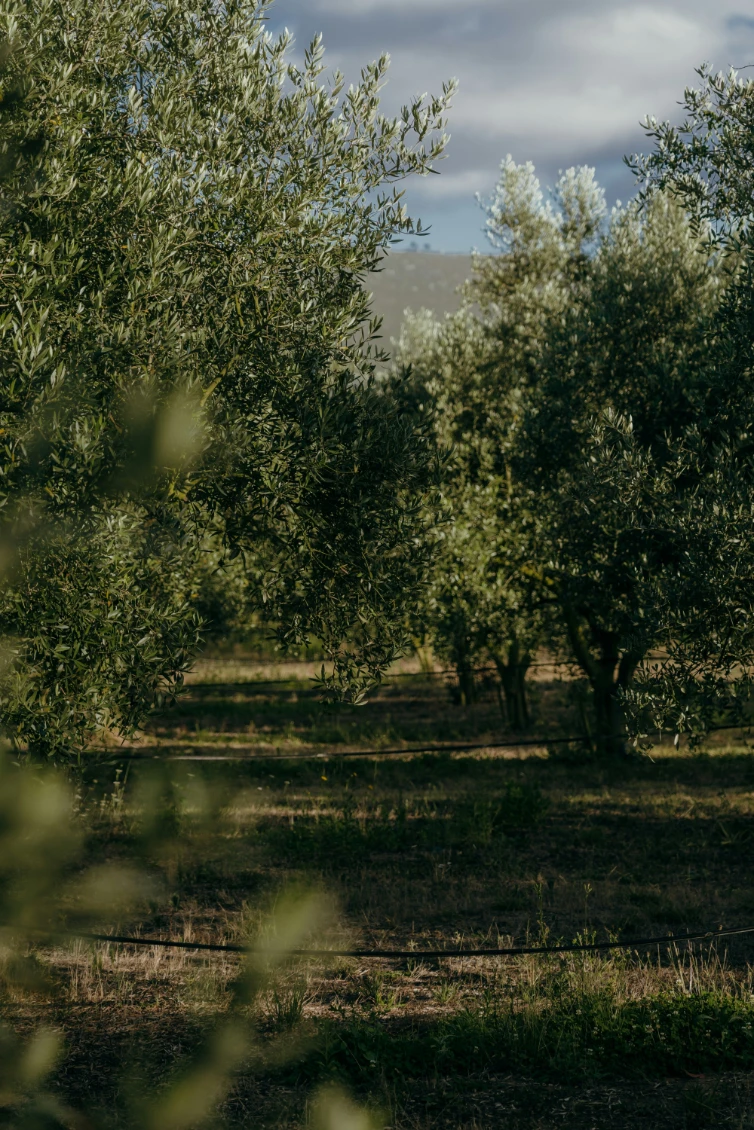
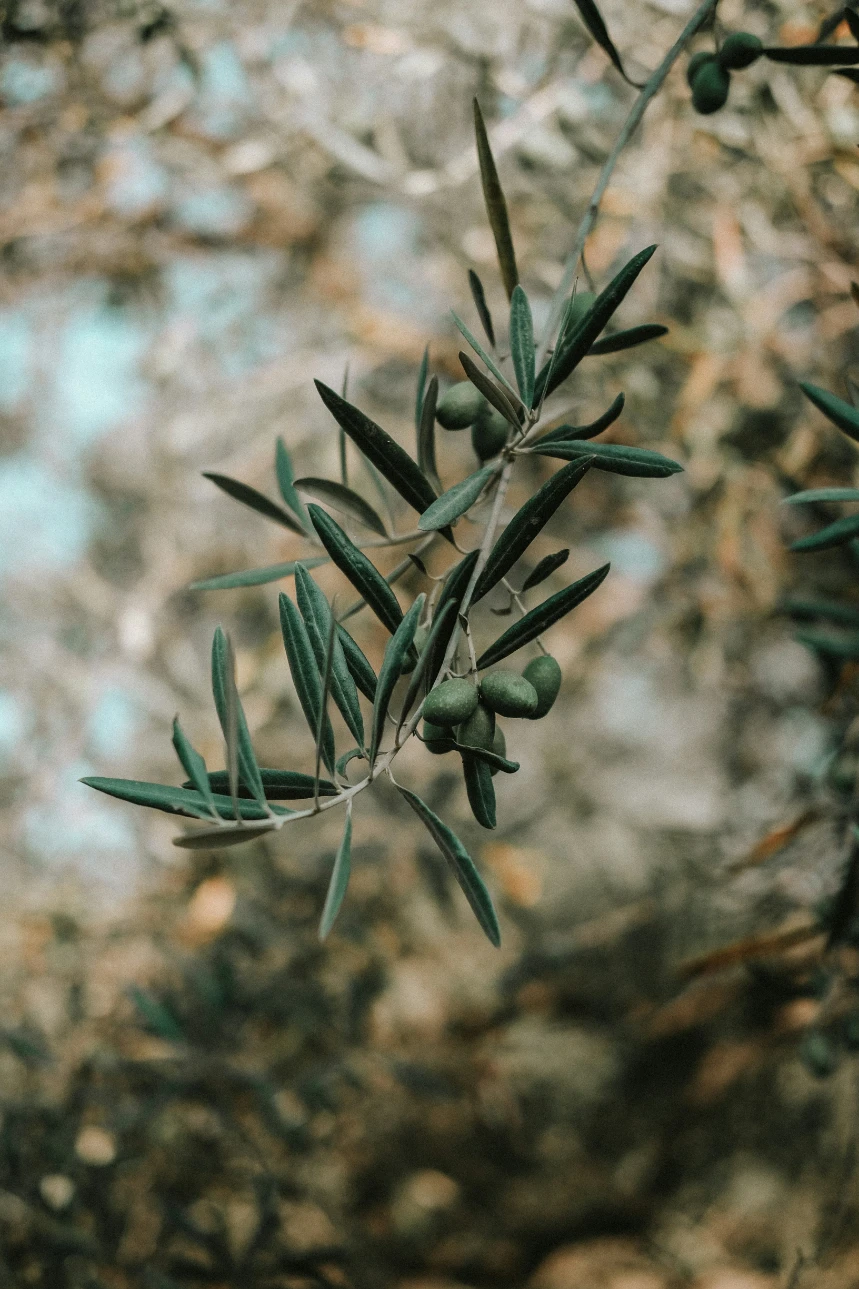
The autumn olive harvest, known as raccolta, brings the process into view. Olives are gathered and taken to a mill, or frantoio, where they are pressed into oil. The resulting flavour depends on factors including variety, ripeness, handling and the time between harvest and processing.
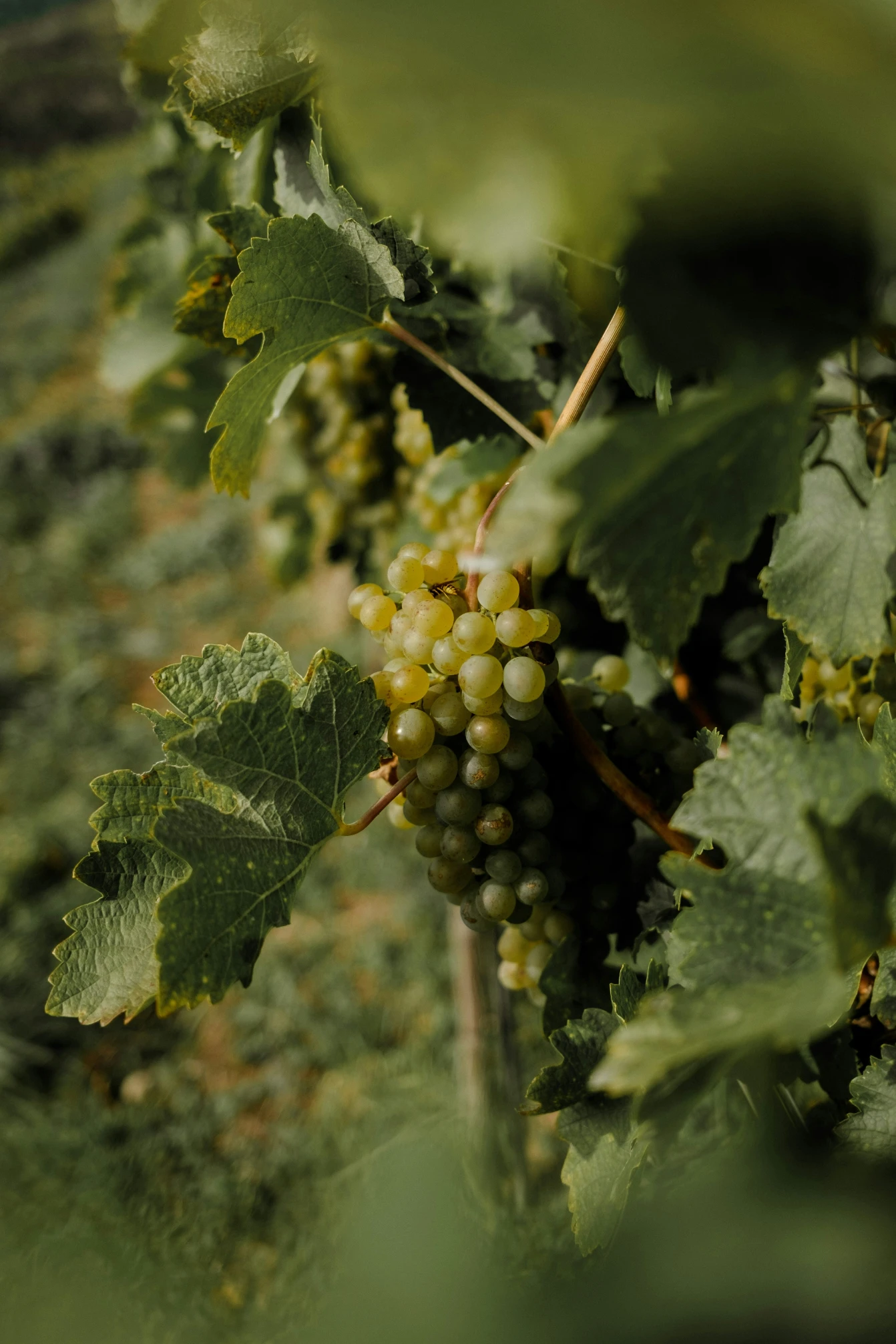
Wine follows a different calendar. Vendemmia, the grape harvest, generally takes place from late summer into autumn, with timing determined by the variety, location and conditions of the growing season. Visiting a working winery during this period can offer insight into the decisions that influence the finished wine, from selecting the fruit to managing fermentation in the cellar.
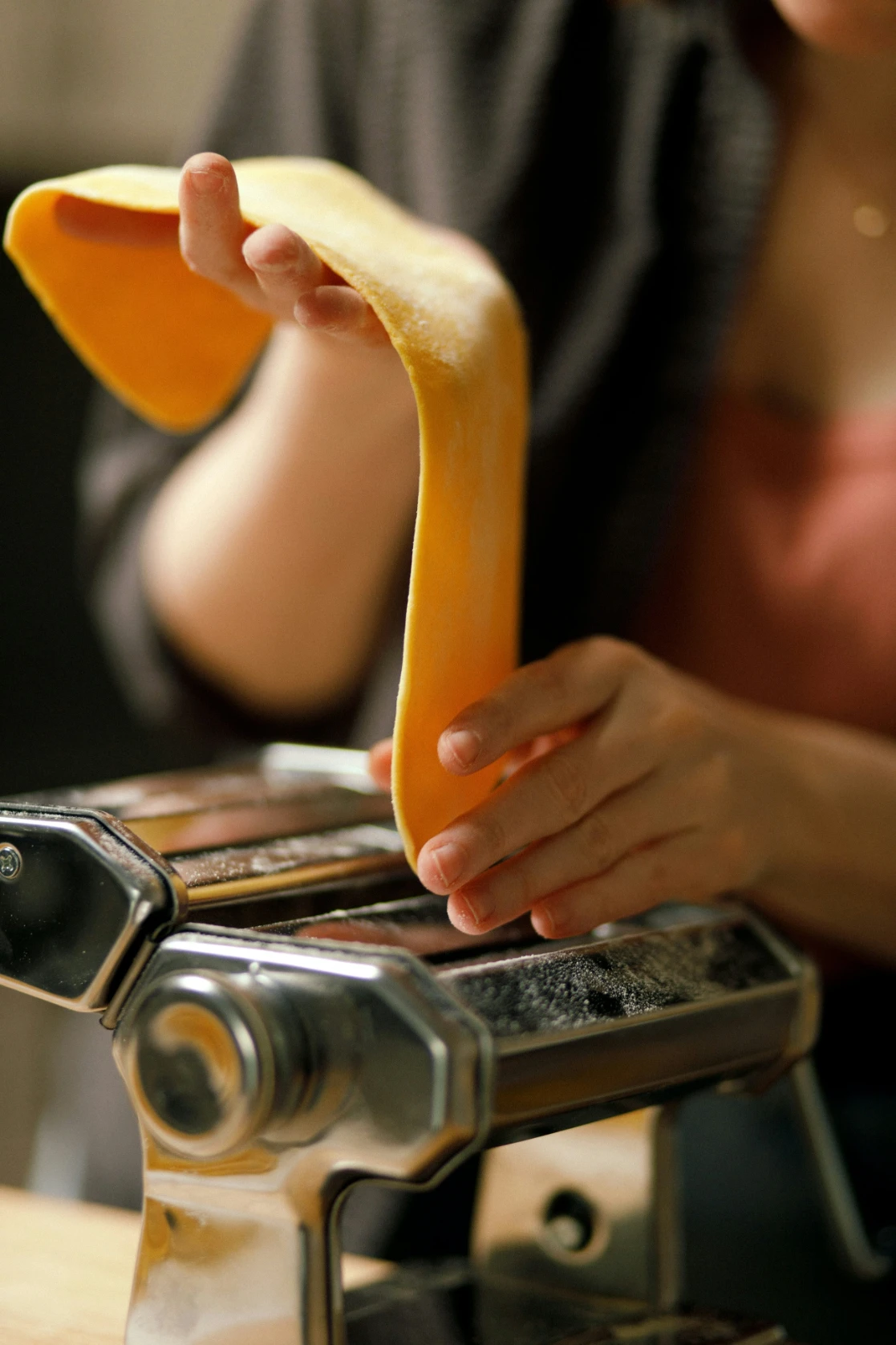
Cooking classes can provide another connection to local food culture. A lesson in fresh pasta, bread making or seasonal dishes offers a chance to learn techniques and understand ingredients in context. When choosing a class, ask whether the menu reflects the estate’s own produce or relies on ingredients sourced elsewhere.
The most rewarding meals need not be elaborate. A bowl of soup, freshly baked bread, seasonal vegetables and good olive oil can communicate the character of a region with clarity. The value lies in understanding what is being served, where it comes from and why it belongs to that particular landscape.
Experiences Rooted in the Agricultural Year
The experiences associated with a Tuscany farm stay are most meaningful when they reflect the property’s actual activities and the agricultural year. Harvest participation, cooking, walking and food-focused visits can all contribute to a stay, but their availability varies by estate and season.
Olive Harvest
Late autumn is the principal olive-harvesting period in much of Tuscany, although exact dates vary according to weather, elevation and the varieties grown. Some estates and mills offer opportunities to learn about harvesting and pressing, while others may not accommodate visitors during the busiest days.
An organised visit to a frantoio can explain the stages of production, from the handling of freshly picked fruit to the extraction and storage of the oil. Tasting freshly pressed oil also reveals how its flavour differs from oils that have matured in storage.
Vendemmia
The grape harvest is an important moment in wine-producing areas such as Chianti Classico, Montalcino and the Maremma. Some estates arrange guided vineyard walks, cellar visits and tastings during harvest, offering an introduction to the work that takes place before a bottle reaches the table.
Guest participation in picking or cellar work should never be assumed. These are time-sensitive operations, and the demands of a commercial harvest may limit access. Ask the winery what it offers during the intended dates.
Italian cuisine
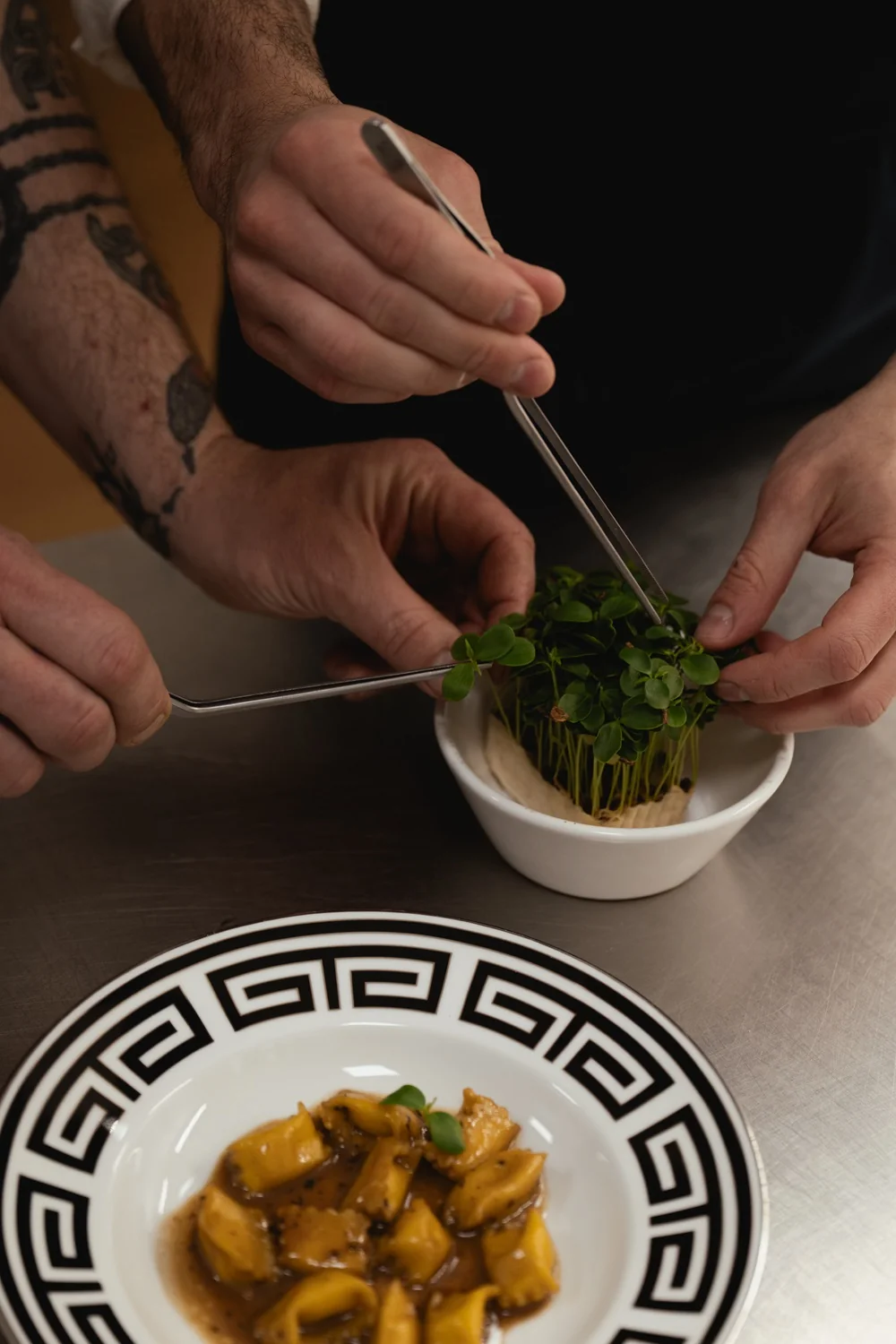
A cooking class can provide a closer understanding of regional ingredients and techniques. In central Tuscany, that might mean rolling pici, preparing seasonal vegetables or learning how bread features in traditional soups and salads.
The most useful classes explain the choices behind a recipe: why a particular flour is used, which ingredients are available at that time of year, and how the preparation varies between localities. A farmhouse kitchen provides a natural setting for this exchange, particularly when ingredients are drawn from a garden or nearby producers.
Explore
The countryside around Chianti, the Val d’Orcia and the Maremma offers opportunities for walking and cycling, with routes varying in distance and difficulty. Gravel roads and quieter secondary routes can provide a closer view of vineyards, olive groves and the small settlements that connect the agricultural landscape.
Mountain biking is possible in suitable areas, while horse riding may be arranged through selected estates or local operators. In the Maremma, equestrian experiences can also introduce visitors to the region’s pastoral traditions.
Choose activities according to the landscape and your own interests. A long walk through woodland, a village visit or a morning among the vineyards can be as rewarding as a structured excursion.
Truffle season
Truffle foraging is associated with several parts of Tuscany, including the area around San Miniato. White truffles are generally gathered in autumn and early winter, while other varieties have different seasons.
A guided search with a trained dog offers insight into the conditions needed for truffles to grow and the knowledge required to find them. Availability depends on local regulations, seasonal conditions and the guide’s programme. A visit should be arranged with an experienced local operator rather than treated as an activity guaranteed by every farm.
Navigating a Farm Stay in The Tuscan Countryside
Planning a rural stay begins with choosing the area. Tuscany’s distances are manageable on a map, but the region’s smaller roads and dispersed properties can make journeys longer than expected. The right base depends on the places you want to visit, the activities that interest you and how much time you want to spend moving between locations.
Choosing an Arrival Airport
Florence Airport is convenient for Chianti, Mugello and properties within reach of the city. Pisa International Airport serves western and northern Tuscany, including routes towards Lucca and parts of Lunigiana. Rome Fiumicino can be useful for southern Tuscany and the Maremma, depending on flight availability and the final destination.
Compare the entire route before booking. A lower airfare may be less attractive if it adds a lengthy transfer or requires an inconvenient arrival time. Allow for the drive from the airport to the estate, particularly if you arrive after dark.
Renting a Car
For most rural itineraries, a rental car offers the greatest flexibility. Many farms lie beyond the main towns, with the final stretch of the route following narrow country roads or unpaved drives. Public transport can connect larger towns, but services may be limited in rural areas and may not reach the property itself.
Check the estate’s directions and parking arrangements in advance. If you intend to visit wineries, arrange transport that allows everyone to travel safely after tastings.
A car also makes it easier to combine an agricultural estate with nearby villages, local markets, walking routes and historic towns. If you prefer not to drive, choose accommodation with a clear transfer arrangement and enough on-site activities to make a longer stay practical.
Booking Directly
Direct booking allows you to ask specific questions about the property and its agricultural activities. Enquire about meals, dietary requirements, cooking classes, harvest experiences, opening dates and the availability of staff who can explain the farm’s operations.
Some estates also list their rooms through booking sites or specialist agriturismo directories. These can help with initial comparisons, but the property’s own website is generally the best place to confirm the details of its current offering. Booking.com may be useful for availability and reviews, while direct communication can clarify arrangements that are not included in a standard listing.
Check the accommodation type carefully. A room in a farmhouse, a self-contained apartment and a villa rented exclusively are different propositions, even when they occupy the same estate. The distinction affects meals, privacy, services and how closely you interact with the agricultural operation.
How Long to Stay
Three nights is a useful starting point for a single region, particularly if you want time for a property visit, a village or two and an agricultural experience. A longer stay can make more sense in an area with varied landscapes and several towns worth exploring.
Avoid planning every day around a separate destination. Rural roads, long lunches and the opening hours of smaller producers all influence the pace of travel. A flexible itinerary leaves room to spend more time at a winery, follow a walking route or enjoy the estate without continually checking the clock. If Tuscany is only part of a longer Italian itinerary, explore the destinations that make Italy so distinctive, from its celebrated cities to its quieter coastal and countryside escapes.
Travel to Tuscany Through the Seasons
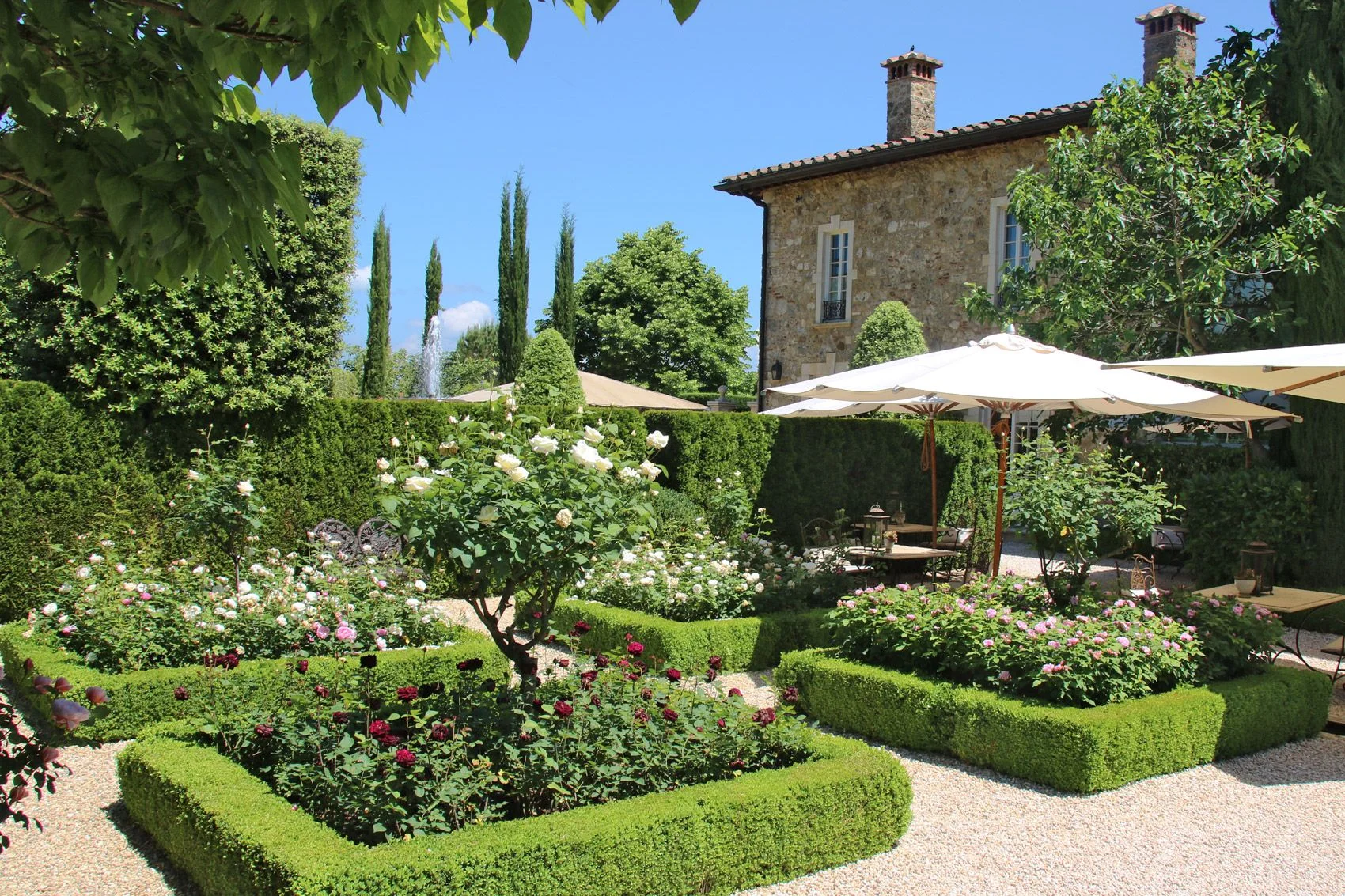
The character of a Tuscany farm stay changes with the seasons and can uniquely influence an unforgettable tuscan adventure. The most suitable dates depend on whether you want to see a working harvest, explore the countryside in spring or experience the quieter months when agricultural work continues with fewer visitors around.
Spring, March to May
Spring brings new growth to vineyards, gardens and pasture. Temperatures are generally suitable for walking, and the countryside becomes increasingly green as the season progresses. Depending on the location and weather, markets may feature asparagus, artichokes and other seasonal produce.
This is a good period for travellers who prefer outdoor exploration without the strongest summer heat. Ask the individual farmhouse estate about their opening dates and the activities available at the beginning of the season.
Summer, June to August
Summer brings long days, outdoor dining and the opportunity to explore rural landscapes in the early morning or evening. Swimming pools and shaded terraces become particularly appealing during warmer afternoons.
The season also attracts substantial visitor numbers, especially in the more popular areas. Advance booking is advisable for sought-after properties, and a stay outside the main tourist centres can provide a different perspective on the region. Should one consider a summer escape further north, the Italian Dolomites offer a striking contrast to the rolling hills of the Tuscan countryside, with alpine trails, mountain villages and cooler high-altitude landscapes.
Autumn, September to November
Autumn is closely associated with vendemmia and the olive raccolta. Wine-producing estates become busy with harvest work, while olive growers prepare for the season’s pressing. The exact timing varies each year, so a particular activity should be confirmed directly before travel.
Truffle season also brings food-focused experiences to parts of Tuscany. The overlap between harvests, changing foliage and seasonal cooking makes autumn a compelling period for travellers interested in the relationship between agriculture and regional food.
Winter, December to February
Winter offers a more tranquil view of rural Tuscany. Some properties close for part of the season, while others continue to welcome guests. Vineyards enter dormancy, pruning takes place, and indoor meals become central to the experience.
Shorter days and cooler weather change the character of a stay, but they can also make time for reading, cooking and exploring nearby towns at a more measured and slower pace. Check opening dates, heating arrangements, restaurant availability and road access before booking a winter visit.
Tuscany, Rooted in The Land
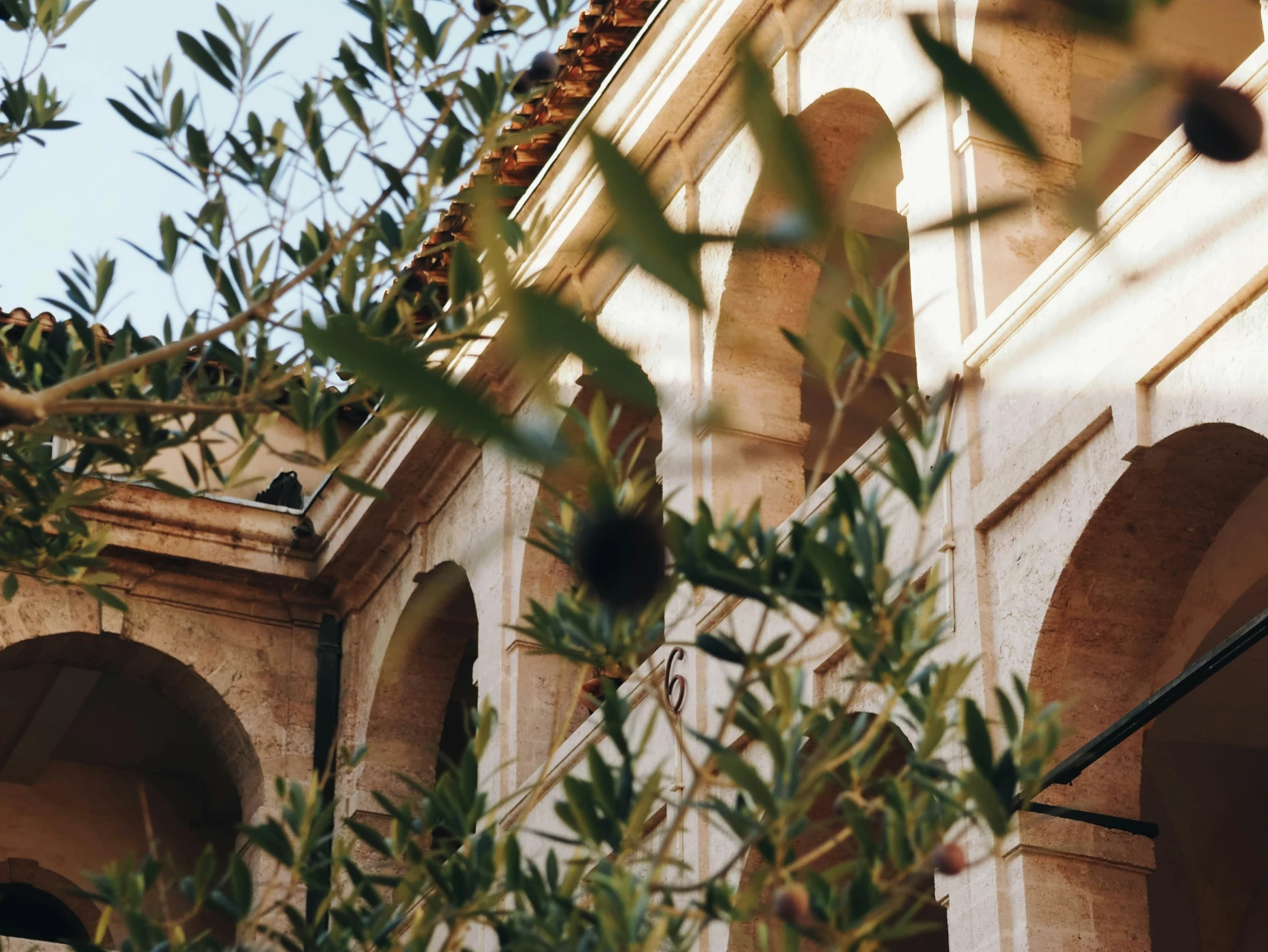
Tuscany’s agricultural heritage is inseparable from its identity. Its food, architecture and rural traditions have developed through centuries of cultivation, with each generation leaving its mark on the landscape. An agriturismo offers an opportunity to encounter that heritage at close range, through the farms that continue to sustain it and the people who carry its traditions forward.
A stay here is ultimately about understanding what makes Tuscany distinctive: the relationship between the land and the life built around it. Long after the details of a particular itinerary fade, that connection is what gives a farm stay its lasting significance.