What is slow food, and why does it matter more than ever? In 1986, chef and activist Carlo Petrini staged a friendly protest against a fast-food chain opening in Rome, igniting what would become a global movement and a dedicated organization called Slow Food. From that spark emerged a mission to champion good food rich in taste and nutrition; clean production methods that protect soil, water, and air; and fair food – dignified incomes for those who grow, harvest, and prepare our meals. Unlike living an essentially fast life, which prioritizes speed, convenience, and fleeting pleasures, the Slow Food movement encourages savoring meals and preserving culinary traditions, emphasizing the cultural significance of local and regional food customs.
Today, Slow Food unites more than 100,000 members and branches in over 150 countries, forming a worldwide network that connects local communities in the name of biodiversity, culture, and food justice. In this guide, you’ll journey through Slow Food’s origins, pillars, and relevance and discover seven simple, sensory-rich habits to weave its ethos into your daily life.
Some links in this post are affiliate links. That means we may earn a small commission, at no additional cost to you.
What Is the Slow Food Global Movement?
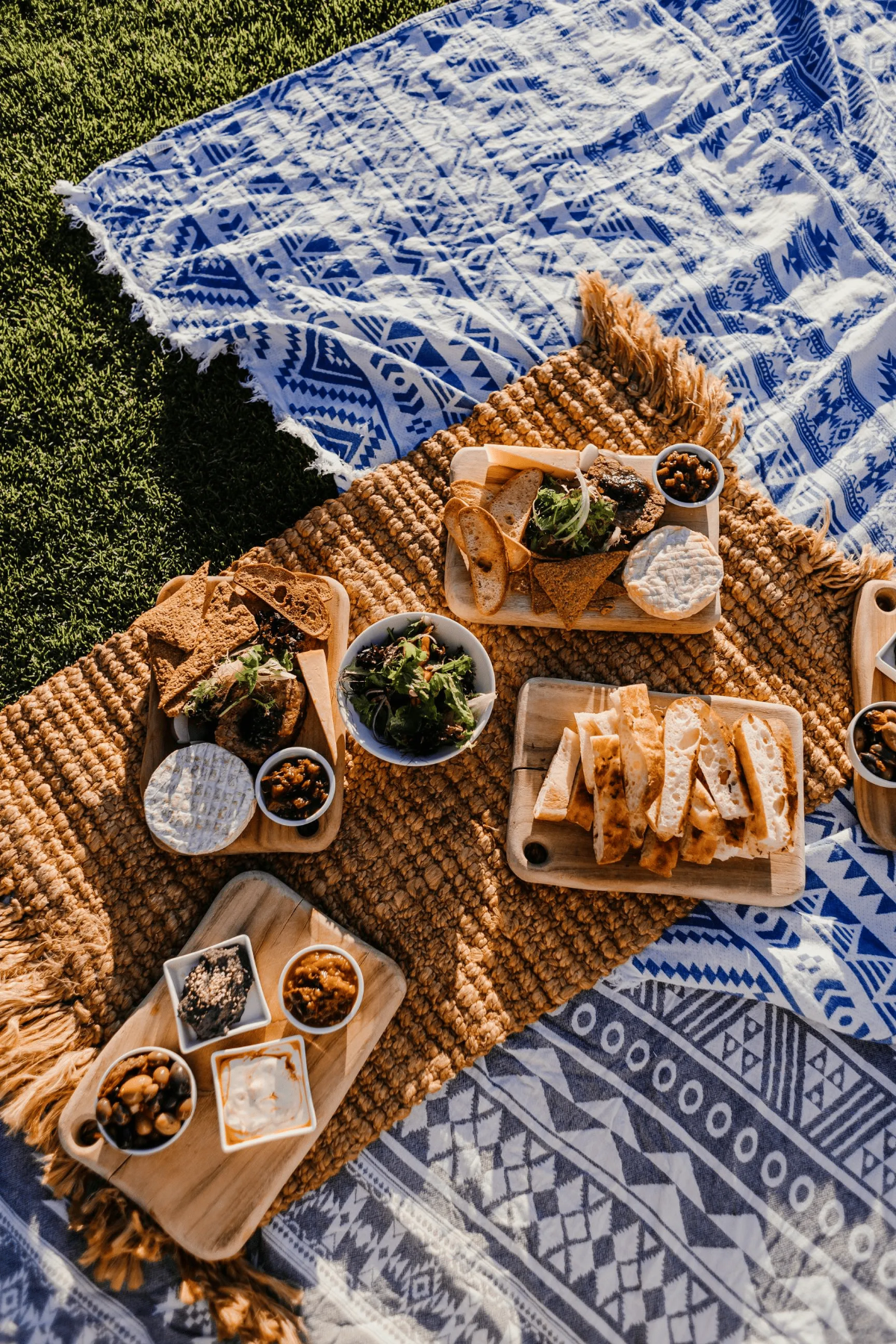
So what is slow food, exactly? At its core, slow food is both a global movement and an international organization, with a mission to promote local food and traditional cooking worldwide. Its roots trace back to Italy in 1986, when a group of students and food lovers rallied behind Petrini’s belief that our food system should celebrate terroir, preserve biodiversity, and foster community. From the founding local chapters, known as “convivia chapters,” to today’s Slow Food USA programs led by an executive director and regional volunteers, the movement advances food education by educating consumers, raising awareness, and building hands-on skills through events like Taste Workshops, farmers markets, and university partnerships. Local groups organize grassroots initiatives, regional events, and educational programs to preserve regional culinary heritage and support sustainable food practices.
Slow Food seeks to change the world one plate at a time, protecting endangered seeds and crops through its Presidia projects, sharing news of local heroes, and creating income-generating opportunities for small-scale farmers.
The Three Pillars of Slow Food
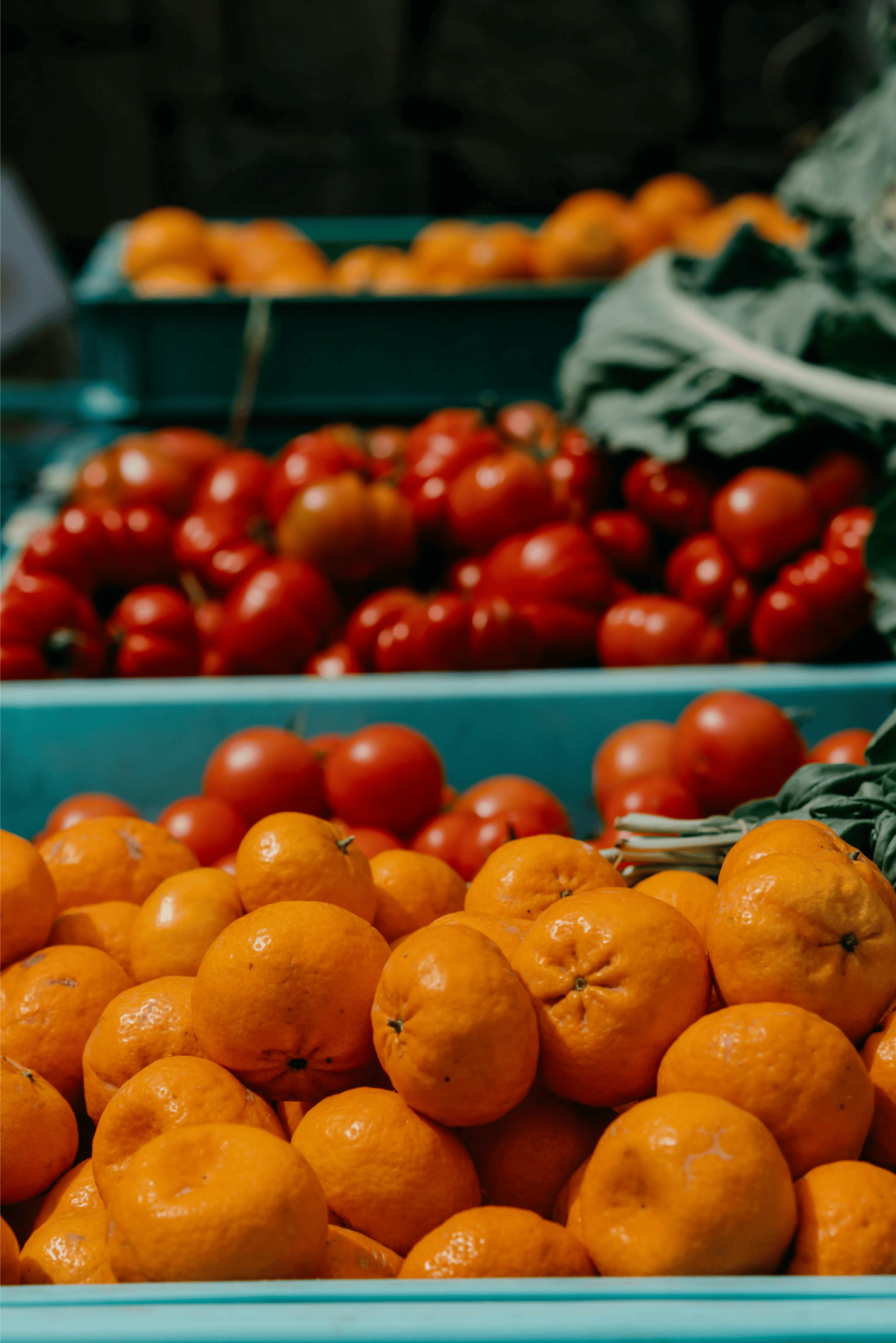
To understand what slow food is at its most fundamental level, it helps to look at the three interlinked ideals on which the entire movement is built: sustainable food production that respects the environment and local communities, the protection of traditional and regional food products, and the promotion of food that is good, clean, and fair for all.
Good: Flavor and Nutrition
At its heart, what is slow food if not a celebration of taste and nourishment? When food is grown and harvested in harmony with local seasons and ecosystems, each bite becomes a lesson in flavor. The Slow Food approach emphasizes whole foods and minimally processed, locally produced ingredients that retain their natural nutrients and full sensory character. Slow Food argues for ingredients at peak ripeness, whether it’s the sweetness of heirloom tomatoes or the depth of stone-ground flour. This commitment to good food elevates everyday meals into moments of genuine pleasure and lasting health.
Clean: Biodiversity and Ecosystems
At its heart, what is slow food if not a commitment to protecting the living systems that make good food possible? Sustainable agriculture and responsible farming practices lie at the core of “clean” production. By encouraging the cultivation of plants, seeds, and livestock native to a region’s ecosystem, Slow Food defends biodiversity and reduces environmental risk. Its Slow Food Presidia, over 624 active projects in 79 countries, work directly with communities to safeguard endangered varieties and champion methods that improve soil health and water quality.
Fair: Dignity and Economic Equity
At the heart of the movement is the belief that food should be a universal right, accessible regardless of income. Fair food means paying local farmers, fishers, and hospitality workers a living wage and recognizing the cultural traditions behind each dish. Through programs like the Negroni Week Fund and local convivia partnerships, Slow Food creates income streams for producers, fosters social equity, and ensures no one is left behind at the table.
For more on slow food:
- Permaculture for Regenerative Living: Design Systems, Principles and Practice
- A Seasonal Cookbook for Fresh, Delicious Meals Year-Round
- Seasonal Eating: Peak Harvest for Radiant Health
- Ancient Grain Seeds: Heirloom Seeds Nourishing Modern Tables
- Fermented Cultures: A Beginner’s Guide to Farm-to-Table Fermentation
- What Is Farm-to-Table? Origins, Principles and Flavor
Why Slow Food Matters: Health, Culture and the Planet
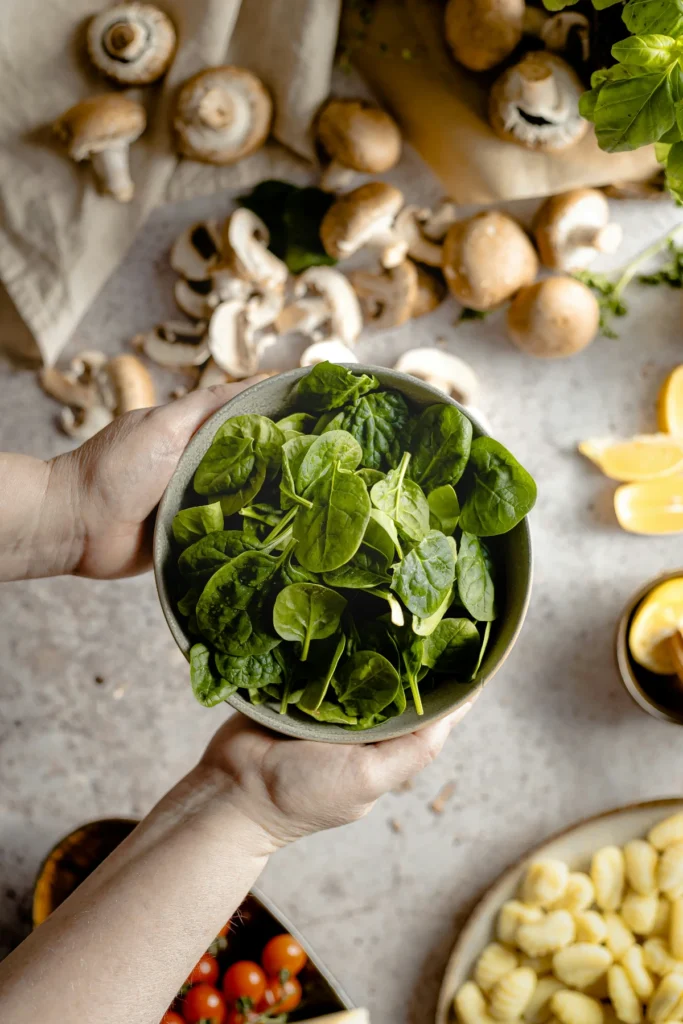
Understanding the Slow Food movement helps clarify why choosing it carries such profound consequences for our bodies, our communities, and the living world we share. Embracing this philosophy isn’t merely a culinary trend; it’s an act of food justice and global stewardship. By prioritizing local food and traditional gastronomy, we:
Uplift the community and economy
Supporting small farms and Presidia projects means dollars recirculate within local communities, funding schools, co-ops, and youth education programs. Slow Food chapters also organize regional events, such as wine tastings, farmers’ markets, and community celebrations, that promote local culture and artisans.
Preserve culture and traditions
Recipes passed down through generations carry stories of place and people. The organization’s network of volunteers, chefs, and students collaborates to keep these culinary heritages alive.
Protect biodiversity and climate resilience
Diverse seed banks and heritage breeds strengthen our food system against climate extremes. Mission-driven research, partnerships with universities, and grassroots projects build awareness of agriculture’s role in a healthier planet.
Advance a better future
Every mindful purchase or shared meal becomes a vote for a fair, sustainable food system, one where quality and integrity outweigh speed and scale.
Slow Food vs. Fast Food: A Tale of Two Food Cultures
The ongoing conversation between slow food and fast food is more than a matter of taste; it’s a reflection of two distinct food cultures shaping our health, environment, and local communities.
At its core, slow food is a philosophy born in Italy in the 1980s that champions local food systems, traditional recipes, and sustainable agriculture, a direct counterpoint to an industry built on convenience, speed, and low prices, often at the expense of food quality, animal welfare, and environmental health. The movement is defined by a commitment to good, clean, and fair food. This means prioritizing seasonal produce, local ingredients, and traditional cooking methods that honor both cultural and biological diversity. By supporting small-scale food producers, family farms, and local businesses, this approach helps preserve culinary heritage while promoting a food system that values people and the planet.
Fast food, on the other hand, relies heavily on processed ingredients, industrial agriculture, and commercial varieties designed for mass production and long shelf life. This approach often leads to food waste, soil depletion, and a loss of biodiversity, as well as a deepening disconnect between consumers and the origins of their food. The focus on speed and uniformity can erode local food cultures and diminish the role of small-scale farmers in the food system.
Education is a cornerstone of this movement. Organizations like Slow Food UK offer taste workshops, cooking classes, and farm visits to raise awareness about the importance of sustainable systems and the benefits of buying local. These initiatives empower consumers to make informed choices and embrace the values of clean and fair food in everyday life. In contrast, the fast food industry often relies on aggressive marketing to promote products as healthy or sustainable, despite high levels of salt, sugar, and unhealthy fats. The environmental impact is significant, with long supply chains and high carbon footprints contributing to climate change.
Choosing a slower approach is a powerful way to support a better future. By buying from farmers’ markets, cooking with seasonal recipes, and seeking out local ingredients, we can reduce our carbon footprint, support local economies, and enjoy food that is both nourishing and delicious. The movement’s manifesto reminds us that everyone has the right to good, clean, and fair food, a vision that calls for fair conditions for producers, respect for traditions, and a sustainable system for generations to come.
Ultimately, the choice between these two cultures is a choice between two futures. By embracing this philosophy, we invest in a world where food is a source of pleasure, community, and sustainability, celebrating local cultures and building a more just, resilient system one plate at a time.
Weaving Slow Food into Daily Life
Understanding the slow food philosophy is one thing; living it is another. Turning these principles into daily practice is simpler than you might think. Begin by learning where your food comes from, then invite the movement into your kitchen and community.
Habit One: Map Your Local Foodshed
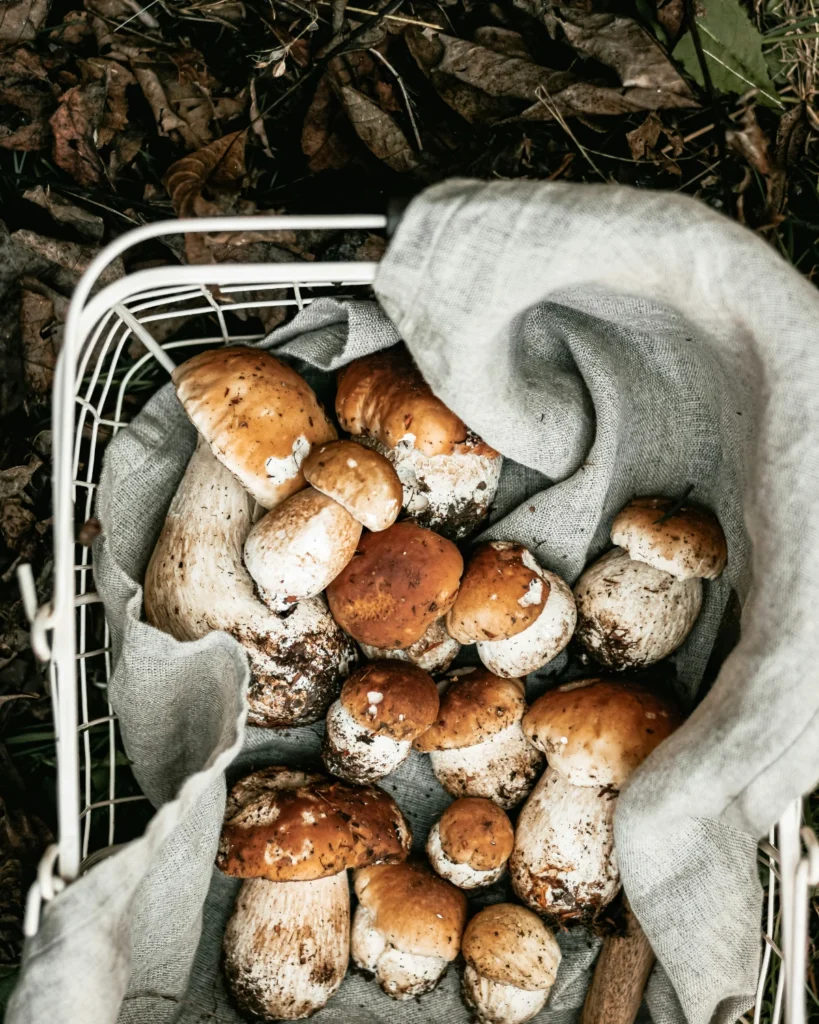
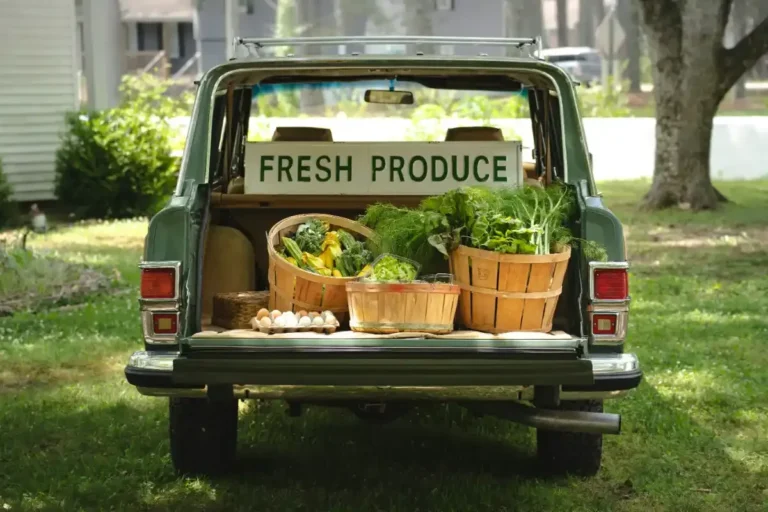
Mapping your foodshed is a foundational step in the movement. Start by identifying nearby farms, farmers’ markets, and CSAs. Knowing which producers grow ancient grains or raw honey close to home builds trust and helps you recognize the hands and histories behind each ingredient.
Habit Two: Join a Community-Supported Agriculture Share
Joining a Community-Supported Agriculture (CSA) share is a practical way to support local farm income while ensuring you receive a rotating harvest of seasonal produce. This ongoing connection deepens your understanding of the regional food calendar, introduces you to unique varieties you would not find in a supermarket, and makes eating local truly accessible week after week.
Habit Three: Cook One Regional Recipe Each Week
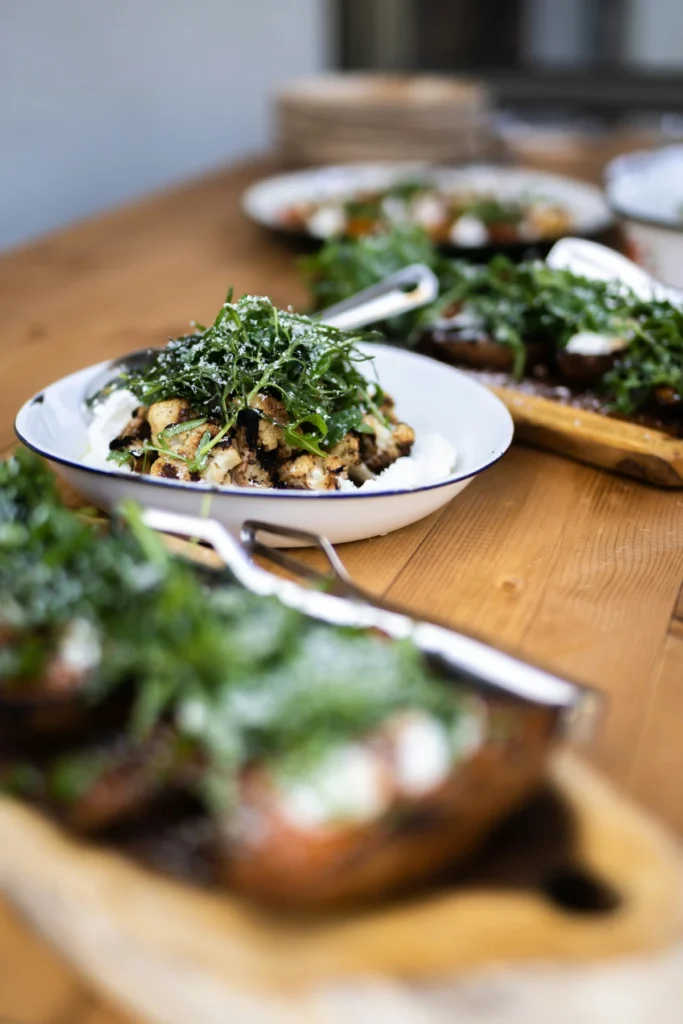
Committing to cooking one regional dish each week is a delicious way to honor the spirit of the movement. Whether you are exploring Sicilian caponata, Southern USA gumbo, or a lesser-known grain porridge from West Africa, each recipe invites you into a culture’s history and landscape.
This weekly ritual sharpens your palate, deepens your respect for diverse food traditions, and builds a personal archive of living culinary heritage. By connecting with these traditions, you are practicing what slow food is in its most tangible form: celebrating the recipes, techniques, and flavors that define a place and its people. Sharing what you cook and what you learn with friends and family, spreading awareness one shared meal at a time, is exactly how the movement grows.
Habit Four: Seek Out Snail-Approved Eateries
When dining out, look for establishments awarded the Slow Food “Snail of Approval.” This seal recognizes restaurants and cafés committed to ethical sourcing, community engagement, and a thoughtful hospitality experience. Understanding what slow food is makes it easier to spot these values in action, from menus built around seasonal local ingredients to kitchens that partner directly with small-scale producers. Choosing a Snail-approved venue turns an ordinary meal into a meaningful act of support for the broader movement, one plate at a time.
Habit Five: Embrace Heirloom Pantry Staples
Transform your pantry with ingredients that protect biodiversity, such as stone-ground flours, ancient beans, whole spices, and raw honey sourced from Presidia projects. These staples carry a story of place and resilience, adding depth of flavor and purpose to your kitchen. By choosing these heirloom items, you are actively participating in the movement, as what is slow food if not a commitment to preserving the ingredients and traditions that sustain our global food heritage?
Habit Six: Host a Slow Food Gathering
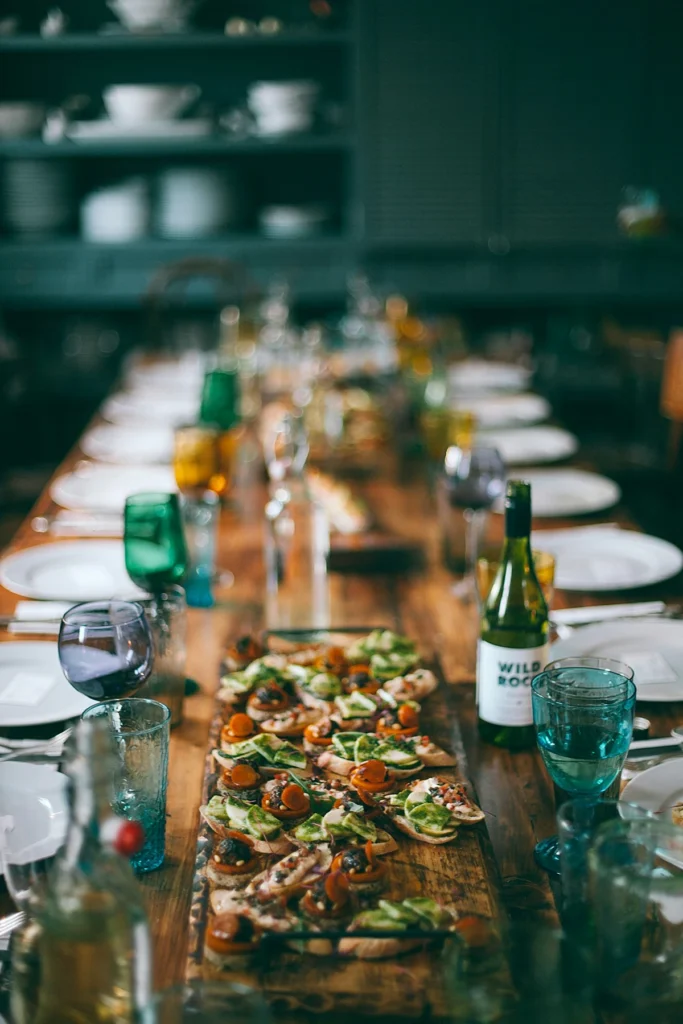
Hosting a gathering is one of the most joyful ways to put into practice what slow food is at its heart: the belief that food is best experienced in community. Invite neighbors, colleagues, or family to bring a dish made with local or seasonal ingredients, then let the table become a place for sharing more than just food. Swap stories about the farms you visited, the seed-saving initiatives you discovered, or the small producers whose work made your meal possible. Explain the good, clean, and fair principles to guests who are new to the movement, and let the conversation unfold naturally over unhurried courses.
A slow food gathering does not need to be elaborate; it simply needs to be intentional, warm, and rooted in the shared pleasure of knowing where your food comes from.
Habit Seven: Reduce Food Miles When You Travel
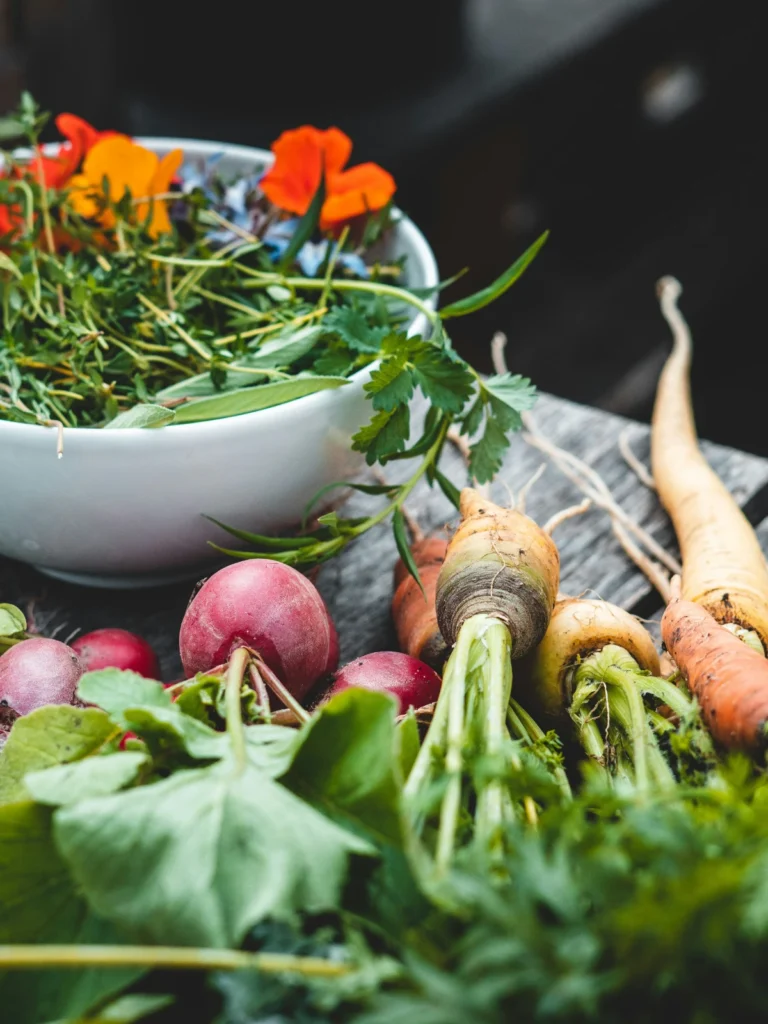
Travel is one of the most powerful opportunities to put the movement’s principles into practice. Whether you’re exploring a coastal village or a mountain region, seek out local markets, farm-to-table restaurants, and agritourism experiences that connect you directly to the land and the people who tend it. Choosing a family-run trattoria over a global chain, or picking up hand-pressed olive oil from a roadside producer rather than a duty-free shelf, dramatically reduces food miles while keeping your spending within the local economy.
Your culinary choices on the road are an extension of the same values you practice at home, supporting small-scale producers, honoring regional traditions, and contributing to responsible tourism that protects fragile ecosystems rather than eroding them.
Dispelling Cost and Convenience Myths
One of the most persistent misconceptions about slow food is that it demands a premium budget or hours of spare time. In reality, the opposite is often true. Buying seasonal produce in bulk, batch-cooking whole grains, and stocking quality pantry staples can lower your weekly food spend over time. When you shift toward valuing quality over quantity, you also reduce the hidden costs embedded in industrial food, long-haul transport, synthetic inputs, and excessive packaging, while directing fair income to the producers who grow your food.
Slow food is not a luxury reserved for a privileged few; it is a practical, accessible philosophy that rewards intention over impulse.
Stocking a Slow Food Pantry
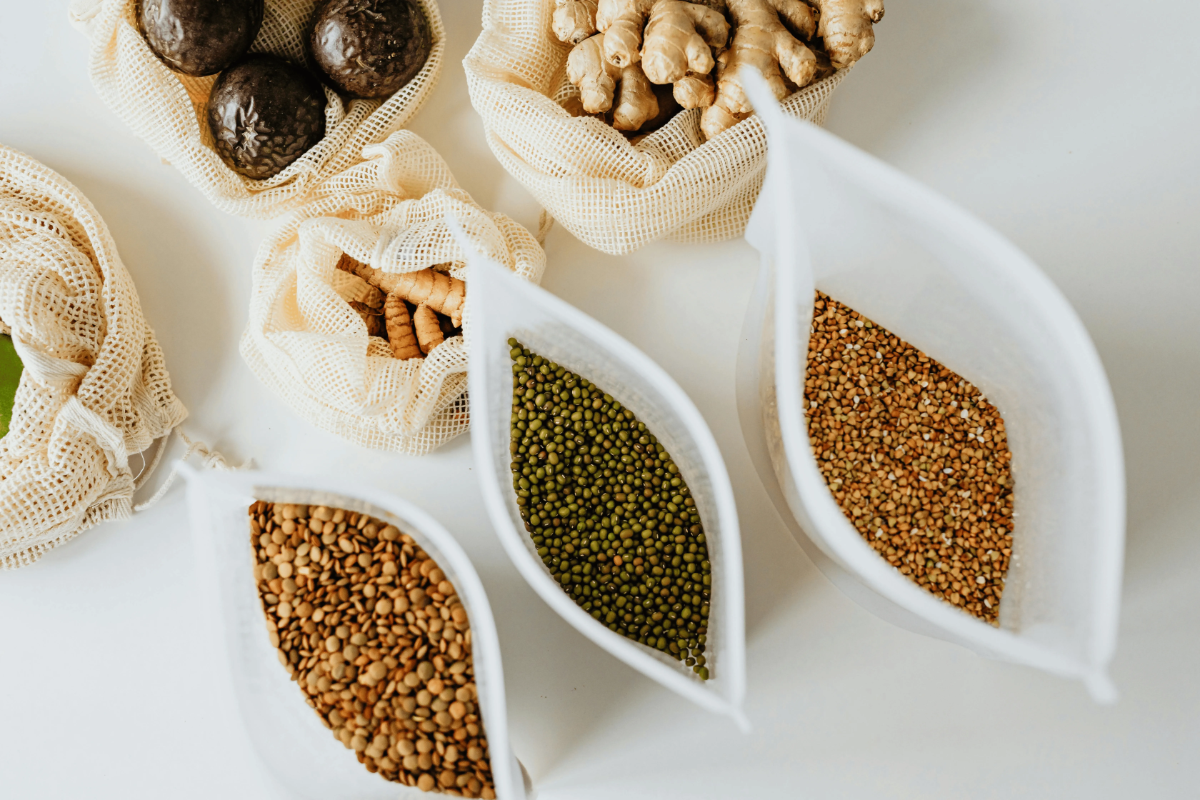
A well-curated pantry turns impromptu cooking into creative joy, and it is one of the most tangible ways to understand what slow food is in everyday practice. Look for locally milled flours, raw vinegars, heritage-breed grains, fermented vegetables, and artisanal condiments produced by small co-ops and Presidia communities. These ingredients not only taste richer but also bolster biodiversity and ensure that every meal contributes to a resilient, fair food system.
A Better Future, One Meal at a Time
Slow Food is more than a movement; it’s proof that everyday choices around our table have the power to protect biodiversity, uphold culture, and secure dignity for all who feed and are fed. By embracing good, clean, and fair food, you join a global community working toward a healthier food system and a more equitable future. Start today by mapping your foodshed, supporting a CSA, or simply seeking out that Snail-approved café in your city, one delicious, intentional meal at a time.
Pin This for Later