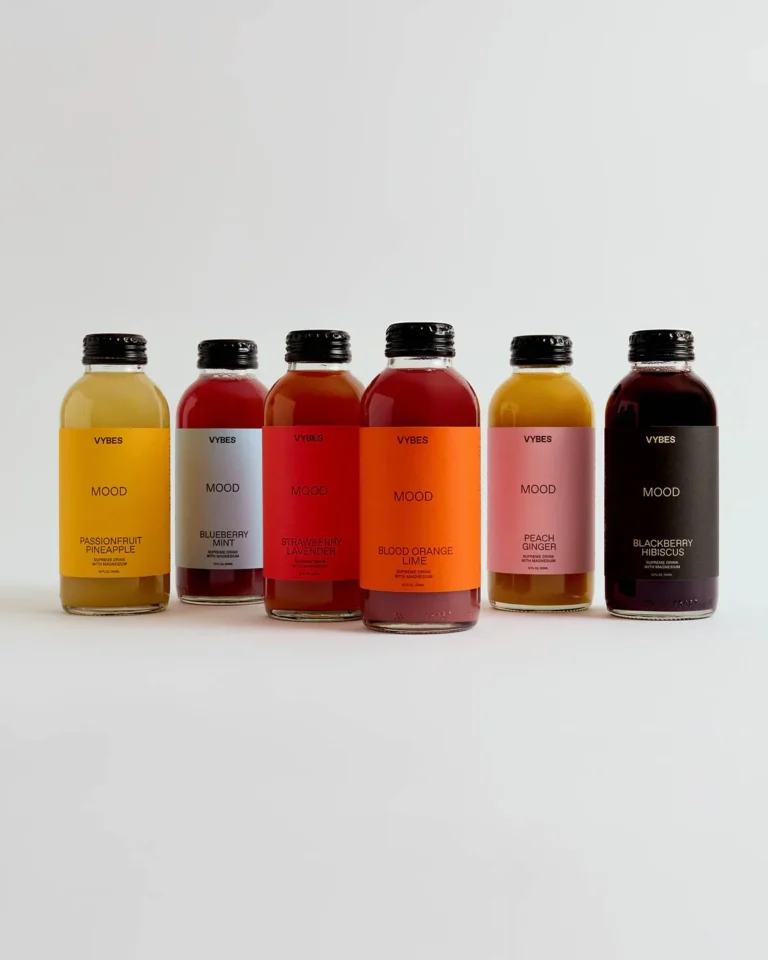

The category now gathered under the wellness umbrella has a longer history than its modern positioning suggests. Ashwagandha root has been used in Ayurvedic medicine for centuries. Reishi mushroom appears in the Shen Nong Ben Cao Jing, a Chinese materia medica traditionally dated to the first few centuries CE. Rhodiola rosea, meanwhile, became a subject of Soviet-era research into physical endurance and fatigue during the twentieth century. Today, these ingredients appear in powders, tinctures, capsules, functional blends, and ready-to-drink formulations.
The question is what happens when traditional botanicals and fungi are translated into contemporary products. Which active compounds have meaningful clinical evidence behind them? Do the ingredients and quantities listed on a label correspond to those used in research? And what can the available evidence tell us about their potential benefits and limitations?
What follows is a deep dive into the origins of adaptogens, what current clinical research supports and where the evidence remains inconclusive, how key compounds interact with the body, and what to look for when evaluating products for ingredient quality, formulation, and dose.
Some links in this post are affiliate links. That means we may earn a small commission, at no additional cost to you.
The Ayurvedic and Traditional Chinese Medicine Lineage
The word ‘adaptogen’ is a twentieth-century coinage. The Soviet toxicologist Nikolai Lazarev proposed the term in 1947 to describe compounds that increased nonspecific resistance to physical, chemical, and biological stressors. The idea was refined in 1969 by Israel Brekhman and I.V. Dardymov, who set three criteria: an adaptogen must be nontoxic at normal doses, must produce a nonspecific response that raises resistance to a wide range of stressors, and must have a normalizing influence on physiology regardless of the direction of the deviation. These criteria still frame serious discussion of the category.
The plants and fungi now called adaptogenic were in use long before the term existed. Ashwagandha, known in Sanskrit as the “strength of a horse,” is classified in Ayurveda as a rasayana, a rejuvenating botanical used to support vitality and resilience across the lifespan. Reishi, called lingzhi in Chinese, holds a comparable position in Traditional Chinese Medicine, where it was reserved historically for emperors and classified among the superior herbs intended for long-term use. Rhodiola rosea grew in the folk pharmacology of Siberia and Scandinavia, prescribed for altitude, cold, and fatigue. Cordyceps, parasitic on the larvae of ghost moths in the Tibetan plateau, has been used for respiratory and energetic support in Tibetan and Chinese medicine for centuries. Lion’s mane, a tooth fungus known in Japan as yamabushitake, carries a long association with cognitive and nerve support.
What connects these traditions is an emphasis on supporting the body’s capacity to adapt over time, rather than producing an immediate, isolated effect. Traditional preparations may involve decoctions, extraction methods, or combinations of herbs intended to complement one another. Contemporary adaptogenic products translate these ingredients into a range of formats, from powders and tinctures to capsules and formulated blends. Whether a modern preparation retains the properties associated with its traditional use depends on the ingredient, extraction method, formulation, and dose. The clinical evidence offers a way to examine those distinctions.
Functional Mechanisms by Compound
Each adaptogen acts on the body through distinct pathways. Treating the category as a single ingredient obscures what each compound is actually doing.
Ashwagandha
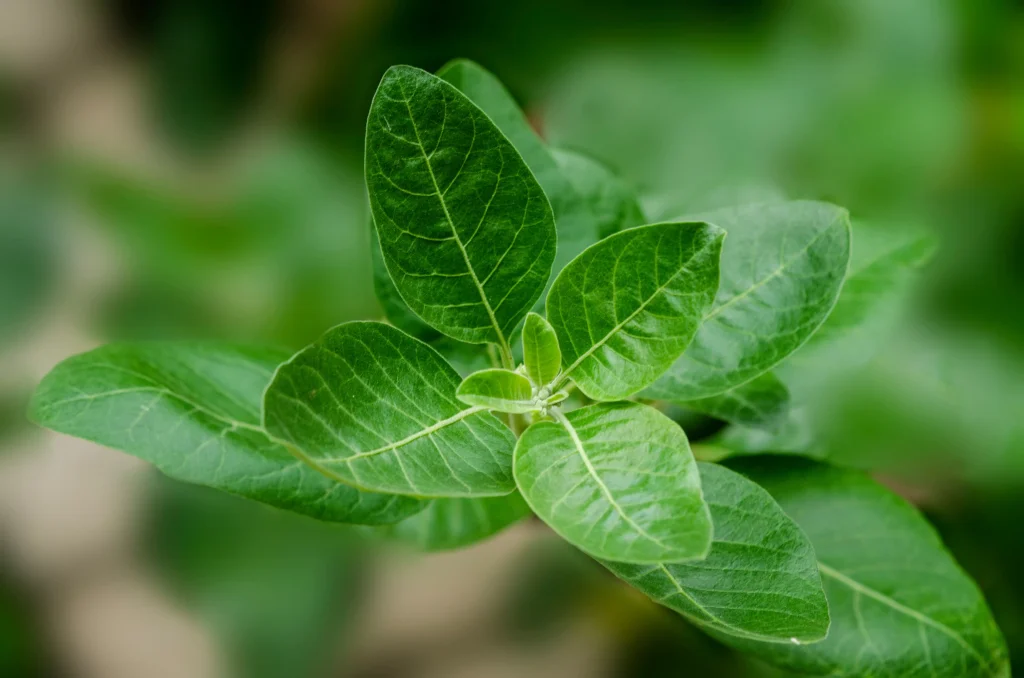
The alternative name is Withania somnifera, which works primarily on the hypothalamic-pituitary-adrenal axis. Its withanolide compounds modulate cortisol release and appear to influence GABAergic signaling, which contributes to its calming and sleep-supportive effect. Standardized extracts such as KSM-66 and Sensoril concentrate withanolide content to between 2.5 and 10 percent, which allows the lower per-serving doses in a drink to carry meaningful activity when the extract is identified by name.
Reishi

Delivers triterpenes and beta-glucans. The triterpenes are associated with their traditional sedative and liver-supportive uses; the beta-glucans with immunomodulation. Reishi is best extracted using a dual-extraction method that pulls both water-soluble polysaccharides and alcohol-soluble triterpenes. A drink listing reishi without specifying dual extraction is likely delivering only one fraction.
Lion’s Mane

The alternative name is Hericium erinaceus, contains hericenones in the fruiting body and erinacines in the mycelium. Both are associated with nerve growth factor stimulation, which underpins its cognitive and neural-support reputation. Fruiting body preparations tend to be more rigorously studied than mycelium-on-grain preparations.
Rhodiola Rosa
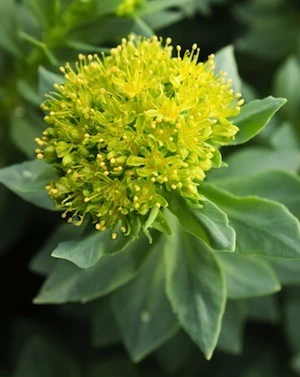
Delivers rosavins and salidroside. Standardized extracts list a 3-to-1 rosavin-to-salidroside ratio, mirroring the natural root. Rhodiola acts on monoaminergic systems and appears to buffer the physiological signature of mental fatigue.
Cordyceps

Both the wild Cordyceps sinensis and the cultivated Cordyceps militaris contain cordycepin and adenosine analogues. The cultivated militaris strain tends to carry higher cordycepin and is more common in commercial beverages. Its documented effects cluster around oxygen utilization, ATP production, and exercise capacity.
Ginseng
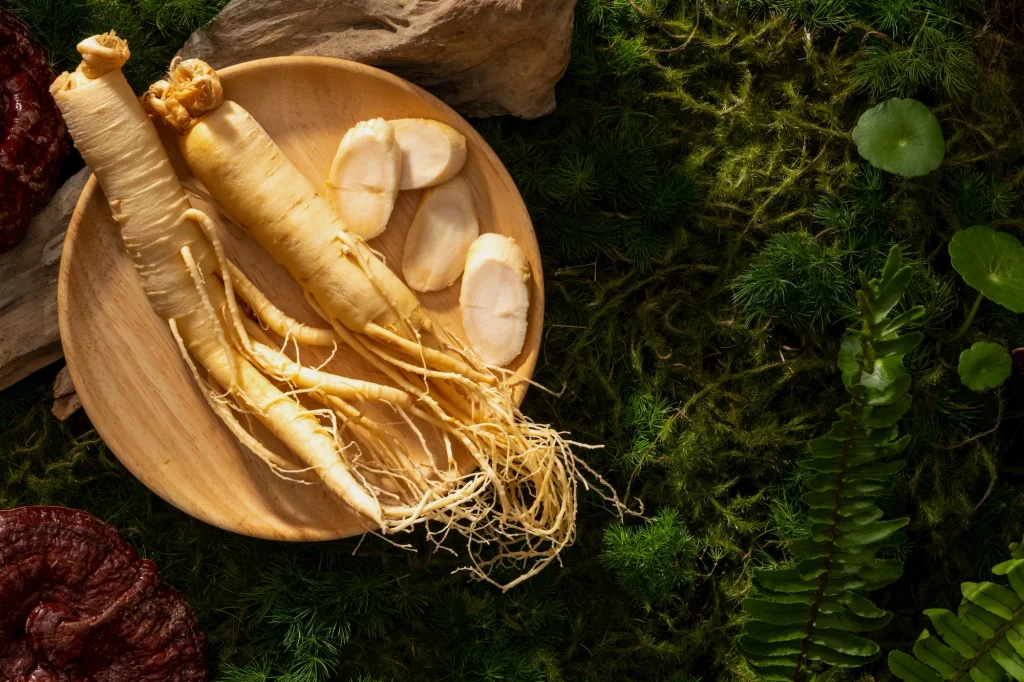
Panax ginseng and American ginseng deliver ginsenosides acting on multiple pathways, including cognition, immune signaling, and glucose regulation. L-theanine, often paired with adaptogens or with modest caffeine, is an amino acid from green tea that promotes alpha-wave brain activity associated with relaxed attention.
For more on functional nutrition:
- Functional Beverages: Market, Ingredients, and Consumer Trends
- Harnessing Food as Medicine for Chronic Disease Prevention
- Seasonal Eating: Peak Harvest for Radiant Health
- Ancient Grain Seeds: Heirloom Seeds Nourishing Modern Tables
- Fermented Cultures: A Beginner’s Guide to Farm to Table Fermentation
Five Adaptogen Drinks Reviewed by Active Compound Delivery
The modern adaptogen drink takes several forms: a concentrated botanical liquid, a mushroom powder mixed into hot water, or a functional blend that combines multiple extracts in a single serving. The packaging may be contemporary, but the questions surrounding preparation and efficacy are not new. Which ingredients are present? How have they been processed? How much of each is supplied per serving? And how closely does that formulation resemble the preparations studied in human research?
The following five products illustrate different approaches to those questions. They include mushroom-based blends, a concentrated liquid tonic, and an Ayurvedic-inspired botanical powder. Each is assessed according to the information available about its ingredients, preparation, and dose disclosure. Inclusion does not constitute an endorsement of health claims, and the presence of a named adaptogen should not be taken as evidence that the finished drink reproduces the effects observed in clinical trials.
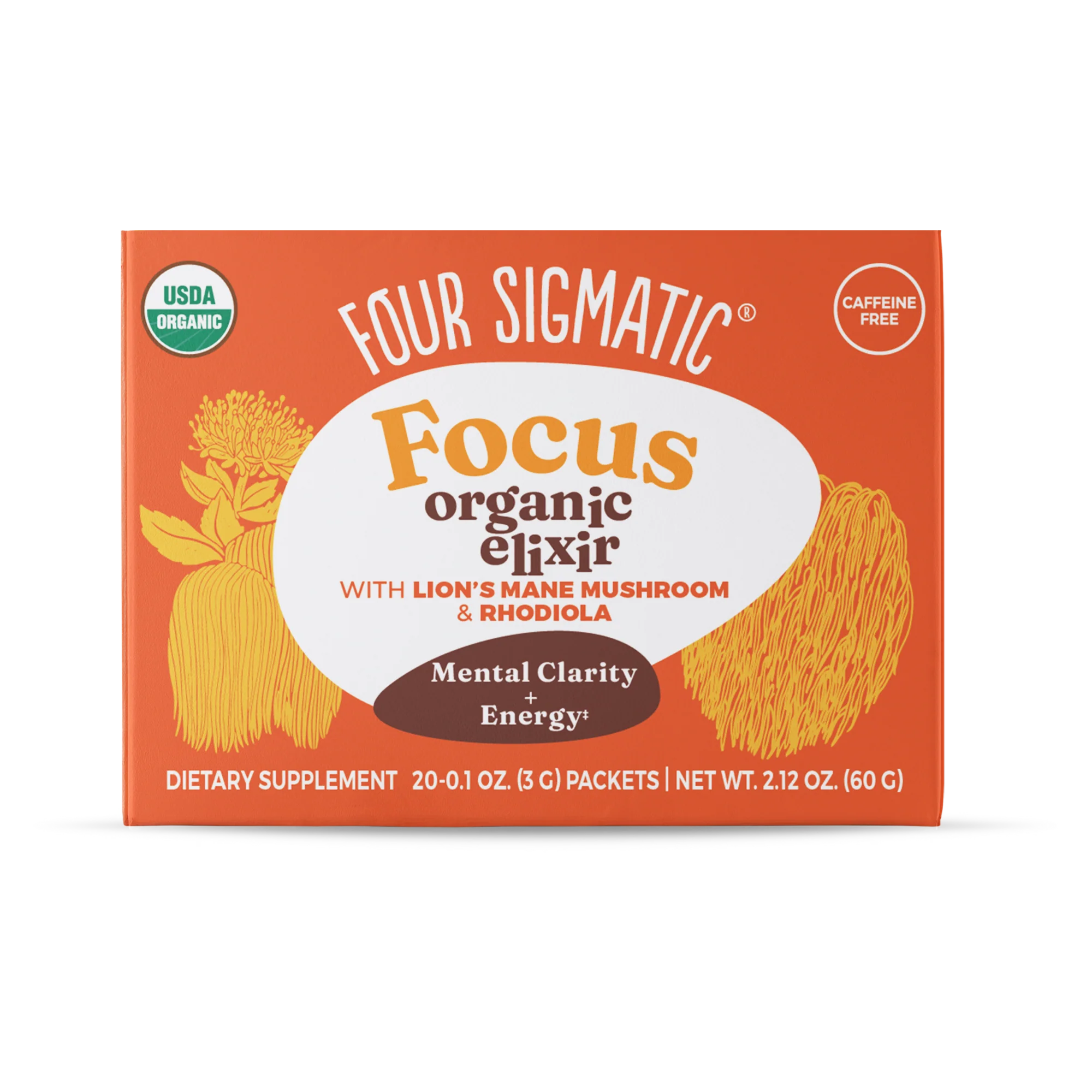
Four Sigmatic Focus Organic Elixir
Key Ingredients:
Lion’s mane fruiting-body extract, rhodiola, mint, and rose hips
Format:
Caffeine-free powder sachets
Best examined for:
Lion’s mane and rhodiola delivery
Four Sigmatic’s Focus Organic Elixir is one of the more directly relevant products in this category because it is designed to be mixed into a drink without relying on coffee or added caffeine. The formula combines lion’s mane with rhodiola, two ingredients associated with cognitive performance and the response to fatigue, alongside mint and rose hips for flavour.
The brand identifies its lion’s mane as an extract from log-grown fruiting bodies and lists 1,500 mg of lion’s mane extract per serving on its current product page. That is more useful information than a generic mushroom blend weight because it identifies both the ingredient and its quantity. The label still needs to be read carefully, however: a stated extract mass does not, by itself, establish the concentration of particular active constituents or prove that the serving reproduces a clinical-trial formulation. The available product information also does not provide enough detail to assess the rhodiola dose against the specific standardised extracts used in research.
As a caffeine-free drink powder, it is a useful example of a functional formulation built around named ingredients rather than an aperitif-style beverage. Its strongest feature for this review is ingredient identification. Its principal limitation is the extent to which the available label allows the full formula to be evaluated.
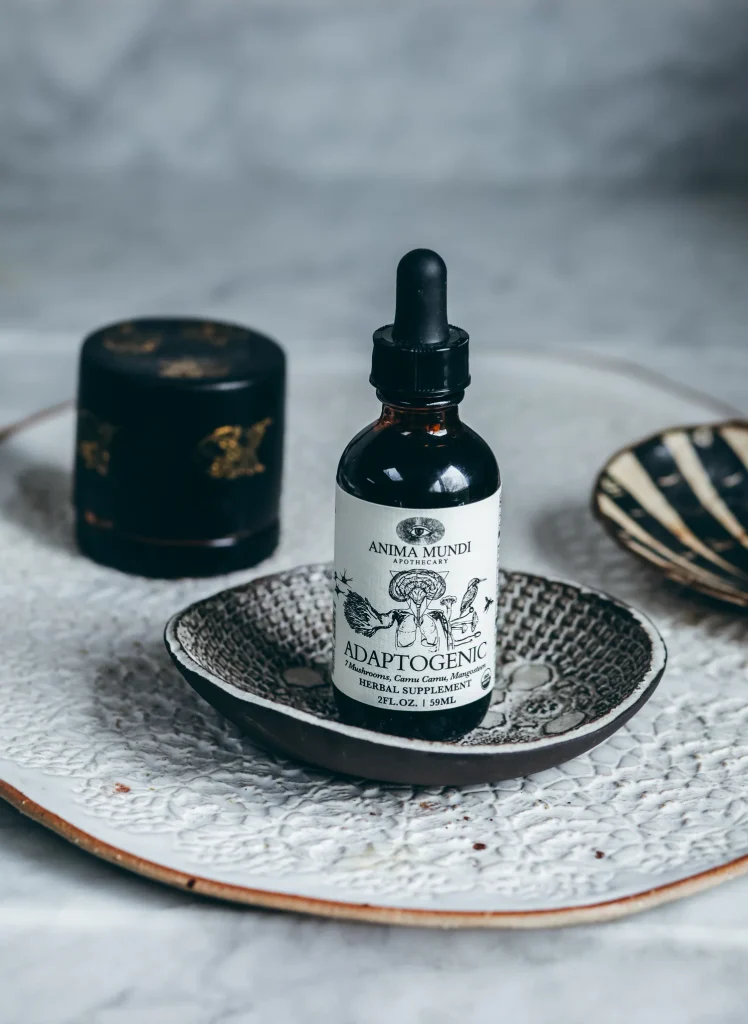
Anima Mundi Adaptogenic Tonic
Key ingredients:
Reishi, lion’s mane, cordyceps, chaga and other mushrooms, with cacao
Format:
Concentrated liquid added to water, tea or juice
Best examined for:
Multi-mushroom formulation and proprietary-blend transparency
Anima Mundi approaches adaptogenic ingredients through the language of herbal apothecary rather than conventional functional-drink branding. Its Adaptogenic Tonic is a concentrated liquid intended to be added to water, juice or tea. The formulation brings together cacao and a selection of mushrooms, including reishi, lion’s mane, cordyceps, chaga, maitake and shiitake.
The product label on file lists 3,200 mg for the combined proprietary blend, but does not disclose the individual quantity of each mushroom. This is a meaningful limitation. The total tells the reader how much blend is declared, not how much reishi, lion’s mane or cordyceps a serving supplies. Nor does the combined weight establish the concentration of beta-glucans, triterpenes or other compounds that might be relevant to the formulation.
The brand describes its mushroom preparations in terms of traditional herbal practice. That context is relevant to an article exploring the movement from traditional preparations to modern formats, but it should not be confused with evidence that this particular blend reproduces the effects observed in clinical studies of individual ingredients.
Anima Mundi is especially useful in this roundup because it illustrates the difference between a formulation with an extensive ingredient list and one whose active ingredients can be assessed individually. A reader interested in a broad mushroom tonic may find the combination appealing, but the label does not support a meaningful comparison between each mushroom and its corresponding clinical evidence.
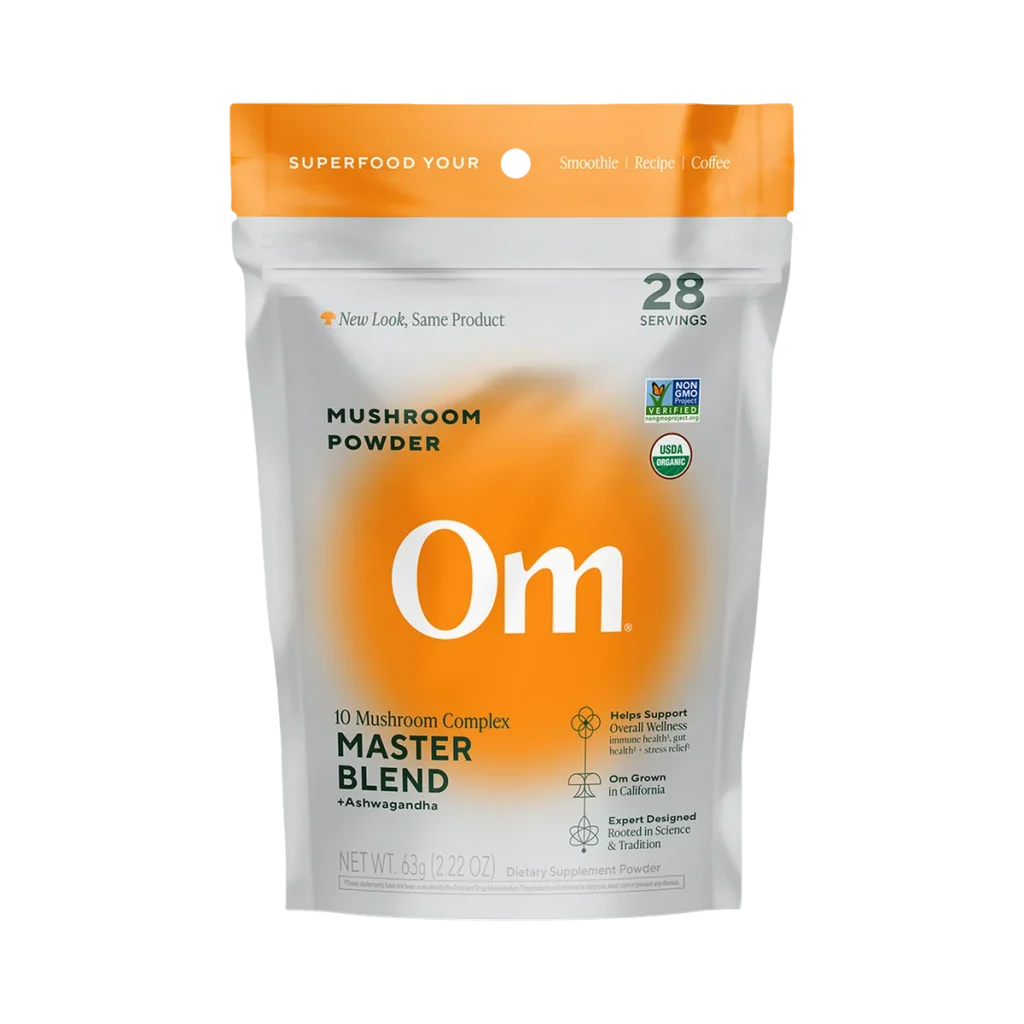
Om Mushroom Superfood Master Blend
Key ingredients:
Ten mushroom species and KSM-66 ashwagandha root extract
Format:
Powder for mixing into drinks or adding to food
Best examined for:
Combining a named botanical extract with a multi-mushroom blend
Om Mushroom Superfood’s Master Blend combines ten mushroom species with KSM-66 ashwagandha root extract in a powder intended for everyday use. The product offers an interesting comparison with single-ingredient formulas: it brings together a named ashwagandha extract and a broader mushroom preparation in one serving.
The distinction between those components matters. KSM-66 identifies a particular ashwagandha extract, which is more informative than listing ashwagandha alone. It does not automatically establish that the amount in this specific product matches a clinical-trial dose. Meanwhile, the brand describes its mushroom component as a 2,000 mg whole-mushroom powder blend. The individual mushroom quantities are not disclosed, so the contribution of lion’s mane, reishi, cordyceps and the other species cannot be evaluated separately.
The product’s use of whole-mushroom material also needs to be distinguished from concentrated extracts. A gram of mushroom powder is not directly interchangeable with a gram of extract, and the amount of powder does not reveal the concentration of particular compounds. This is not a reason to dismiss whole-mushroom preparations; it is a reason to avoid comparing them as if they were equivalent.
Master Blend is a useful example of the practical compromise found in many multi-ingredient products. It offers a broad formulation and identifies the ashwagandha extract by name, but the mushroom blend remains difficult to evaluate ingredient by ingredient.
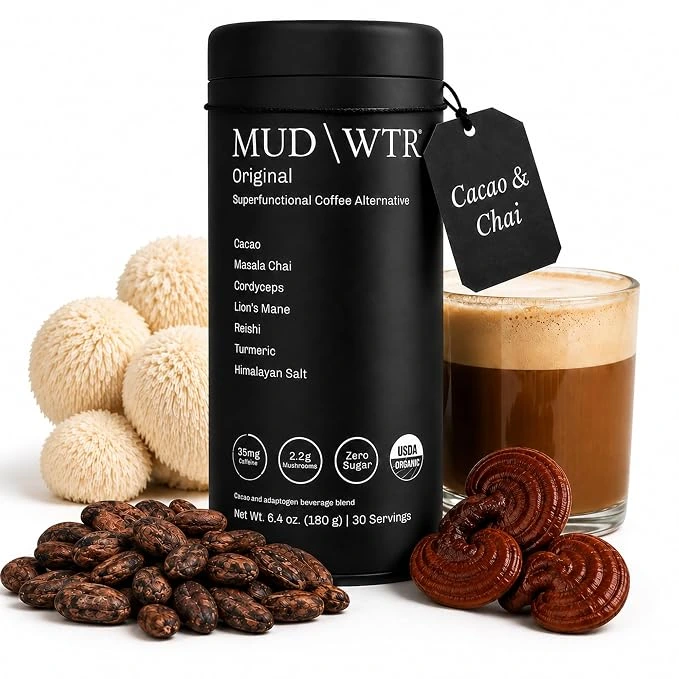
MUD\WTR Original
Key Ingredients:
Reishi, lion’s mane, cordyceps and chaga, with cacao and chai spices
Format:
Spiced drink powder
Best examined for:
A disclosed total mushroom quantity in a multi-ingredient beverage
MUD\WTR Original places mushrooms within a familiar drinking format: a cocoa-toned blend of chai spices, cacao and mushroom ingredients. It is designed to be mixed into hot water and offers an alternative to a conventional coffee-based drink. It does, however, contain caffeine, listed by the brand at 35 mg per serving, so it is not a caffeine-free formulation.
The brand lists 2,240 mg of mushrooms per serving. That figure gives the reader a useful starting point, but the ingredients are grouped together rather than quantified individually. The product includes chaga, reishi, lion’s mane and cordyceps, alongside mushroom mycelium cultured on oats and/or sorghum. This differs from a formula made exclusively from concentrated fruiting-body extracts.
That distinction is particularly relevant to the article’s discussion of mushroom preparation. The label identifies the mushroom species, but the combined quantity does not tell the reader how much of each species is present, what proportion is fruiting body or mycelium, or how much of a particular active compound the finished drink delivers. It is therefore not possible to compare the product’s mushroom total directly with a clinical trial using a specific extract.
MUD\WTR illustrates how a product can disclose a substantial combined ingredient quantity while still leaving important questions unanswered. Its spiced flavour profile and caffeine content also make it different from a simple botanical infusion or a caffeine-free elixir.
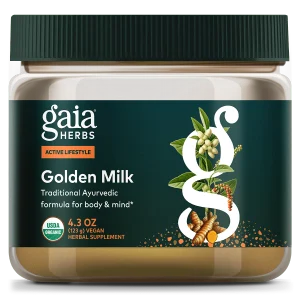
Gaia Herbs Golden Milk
Key Ingredients:
Ashwagandha root, turmeric, dates, cardamom, vanilla and black pepper
Format:
Powder mixed into warm milk or a milk alternative
Best examined for:
An Ayurvedic-inspired botanical preparation
Gaia Herbs Golden Milk takes a different route from the mushroom-heavy products in this review. Inspired by a traditional Ayurvedic-style preparation, the powder combines ashwagandha root with turmeric, dates, cardamom, vanilla and black pepper. It is intended to be stirred into warm milk or a milk alternative.
The formula is relevant to the historical context of adaptogenic drinks because it retains the culinary character of a spiced botanical preparation. Its ingredient list also shows why the presence of an herb should not be treated as proof of a clinically comparable dose. The available product information identifies organic ashwagandha root but does not establish a clear, separately quantified dose of ashwagandha extract that can be compared directly with the standardised preparations used in human trials.
This distinction is important when considering traditional preparations. A whole-root powder and a concentrated, standardised extract are not equivalent by weight. Nor does the use of several familiar ingredients establish that the finished drink delivers the amounts associated with a particular clinical outcome.
Golden Milk is therefore better understood as a contemporary botanical beverage inspired by traditional formulation than as a drink that can be confidently assessed against a specific ashwagandha trial. Its value in the roundup is the contrast it provides with products built around named extracts and declared quantities.
How to Choose an Adaptogenic Drink That Works
A label can tell you a great deal about a formulation, but only if you know which details matter. Four questions are particularly useful when assessing an adaptogen drink: what form of the ingredient is used, how much is present, whether its preparation is specified, and what evidence supports that particular formulation.
1. Extract
Look for the named extract and its specificaton. For ashwagandha, extracts such as KSM-66 and Sensoril identify particular preparations. For rhodiola, SHR-5 is a standardised extract used in clinical research. These names make it easier to compare a product with published studies, provided the amount per serving is also disclosed. A branded extract is not a guarantee of efficacy, and different extracts should not be assumed to be interchangeable.
2. Quantity
Chck the quanity of each ingredient. A label stating that a drink contains 2,000 mg of a five-ingredient blend does not reveal how much of any individual ingredient it supplies. A disclosed amount allows a more meaningful comparison with research, although the preparation and active-compound concentration still matter. When individual quantities are withheld, the formulation cannot be evaluated with the same precision.
3. Differentiate
Understand the difference between whole material and extract. For mushrooms, check whether the label specifies fruiting body, mycelium, or a combination of the two. Also look for information about extraction and standardisation where relevant. A fruiting-body designation can help identify the material used, but it does not independently establish potency or quality. Equally, a mycelium-based preparation should be assessed on its own composition and evidence rather than dismissed solely on the basis of its source.
The same principle applies to botanical roots. A whole-root powder and a concentrated extract represent different preparations, so their quantities cannot be compared directly.
4. Evidence
Look for evidence of quality control. Clear ingredient sourcing, batch testing and certificates of analysis can provide useful information about identity, purity and consistency. Independent testing or certification may offer additional reassurance when available, but the scope of the testing matters. A certificate showing that a product has been screened for contaminants does not necessarily establish the amount of a particular active compound or prove a health benefit.
Ultimately, the most informative label is one that allows you to identify the ingredient, understand its preparation and determine how much is supplied per serving. Where those details are missing, the appropriate response is to acknowledge the uncertainty.
When and Why to Drink Adaptogens
Adaptogenic ingredients are often marketed according to the time of day: stimulating blends for the morning, stress-support formulas for the afternoon, and calming preparations for the evening. These categories can be convenient, but the evidence does not establish a universal schedule for every adaptogen or every person.
Morning
Rhodiola, cordyceps, lion’s mane and ginseng frequently appear in products marketed for energy, stamina or cognitive performance. Research into these ingredients varies considerably, and findings from individual studies cannot be assumed to apply to every formulation containing them. Products that include caffeine should be assessed separately, since caffeine itself can influence alertness and perceived energy.
Afternoon
Ashwagandha and L-theanine are often marketed for stress management or relaxed attention. Some ashwagandha preparations have shown promising results in studies of stress, while evidence for L-theanine varies by outcome and formulation. There is no established 3 p.m. window in which these ingredients are known to produce a particular physiological response. If a product is intended to support relaxation, its composition, dose and the individual’s response are more useful considerations than the hour on the clock.
Evening
Ashwagandha is among the ingredients studied for sleep, although the findings are specific to the preparations and study periods examined. Reishi and other mushroom ingredients are also marketed for winding down, but evidence for sleep benefits from individual commercial mushroom drinks remains limited. A beverage that contains caffeine may be less suitable close to bedtime for people who are sensitive to its effects.
For any adaptogen, the formulation matters more than a generic time-of-day recommendation. Follow the product’s serving instructions, account for other sources of the same ingredients, and avoid increasing the dose in pursuit of a stronger effect.
Consistency is relevant to interpreting the research. Many clinical studies assess daily use over several weeks, not the effect of a single serving on a difficult day. That does not mean that every drink needs to be consumed daily or that benefits will necessarily emerge with continued use. It means that the findings of longer studies should not be used to promise an immediate result from one can or cup.
Health Risks and Contraindications
Adaptogenic ingredients can have side effects and interact with medication, making the formulation and individual health context important considerations.
Ashwagandha may cause drowsiness and gastrointestinal upset, and rare cases of liver injury have been reported. It should be avoided during pregnancy and breastfeeding and may be unsuitable for people with thyroid or autoimmune conditions. Those taking medication, particularly sedatives, thyroid medication or immunosuppressants, should consult a healthcare professional before use.
Rhodiola may cause agitation or insomnia in some people. Those with bipolar disorder or taking psychiatric medication should seek medical advice before using it. Ginseng may affect blood glucose and interact with certain medications, including warfarin. Reishi may increase bleeding risk, while evidence on interactions involving lion’s mane and cordyceps remains limited.
Other functional ingredients can carry distinct risks. Products containing 5-HTP should not be combined with serotonergic medication without medical supervision because of the risk of serotonin syndrome. Kava has been associated with serious liver injury.
Daily use is not automatically appropriate for every ingredient or individual. Anyone who is pregnant or breastfeeding, has an underlying health condition, takes prescription medication or has a history of liver disease should seek professional advice before adding an adaptogenic product to their routine. Follow the product label and do not use these products as a substitute for prescribed treatment.
Allergies and Sensitivities to Consider
The supporting ingredients in a formulation deserve as much attention as its headline botanicals. Mushroom-based blends may be unsuitable for people with mushroom allergies, while herbal ingredients can trigger individual sensitivities. If you have a known allergy, check the full ingredient list and consult a healthcare professional when uncertain.
Sweeteners, flavourings and other additions may also affect tolerance. Sugar alcohols such as erythritol can cause digestive discomfort in some people, while carbonated formulations may aggravate reflux. Proprietary blends can make it harder to identify which ingredient is responsible if a reaction occurs.
When trying a new product, review the complete label, check for known allergens and introduce only one new supplement at a time where practical. Stop using it if you experience an adverse reaction and seek medical attention for severe symptoms, including difficulty breathing or swelling of the face or throat.
Choosing Adaptogens with Discernment
Adaptogenic products sit at the intersection of traditional botanical use and contemporary interest in functional ingredients. Their appeal lies in the opportunity to explore formulations built around ingredients such as ashwagandha, rhodiola, reishi and lion’s mane. The important distinction is that each ingredient has its own research profile, and evidence for one preparation does not automatically extend to another.
When comparing products, look for clearly identified ingredients, disclosed quantities, information about the plant or fungal material used, and details of extraction or standardization where available. These details help you assess what a formulation contains and how closely it resembles preparations studied in research. Transparent sourcing and independent quality testing can provide further reassurance.
Consider these products in the context of your wider wellbeing habits, alongside adequate sleep, nourishing food, movement and appropriate medical care. Choose a formulation that suits your needs, preferences and budget, and give its ingredients the same scrutiny you would apply to any supplement.
For a broader look at the changing landscape of functional drinks, explore our guide to functional beverages. The most useful choice is one made with an understanding of what is in the product, what the evidence can reasonably tell you, and whether it fits your individual circumstances.
Medical Disclaimer
This article is intended for informational and educational purposes only and does not constitute medical advice, diagnosis, or treatment. Research into adaptogens and their active compounds is ongoing, and evidence varies by ingredient, preparation, dosage, and intended use. The inclusion of a product does not constitute a medical recommendation or endorsement of its efficacy.