For the longest time I had viewed Iceland solely as an island on a map, but nothing quite prepared me for the experience of actually being there. I had the honor of visiting for the first time in September this year and am still trying to find words for a country that has left me speechless. Vast lava fields stretch towards distant mountains, glaciers occupy the horizon, waterfalls cut through the terrain, and black-sand coastlines meet the Atlantic in a sweep of raw, elemental scenery. Even the air seemed to change with the landscape, carrying a different quality as the terrain constantly shifted around me the more time I spent exploring.
One thing my trip brought home was just how much the experience of exploring Iceland depends on where you choose to stay. With long distances between regions, weather that can change within minutes and landscapes that invite you to linger, accommodation becomes an important part of planning a route around the country. A well-positioned hotel can make it easier to explore a particular region, while a remote lodge offers the chance to wake up surrounded by the scenery that drew you to Iceland in the first place.
From Reykjavík’s waterfront to the countryside of Kjós and the volcanic landscapes of the South and North, Iceland’s hotels offer different starting points for exploring the country. Where you stay influences which regions you can explore comfortably, how much time you spend on the road, and what you experience beyond the best-known landmarks. The following properties span city stays, rural cottages, and private villas, with additional options for those planning to venture further afield.
Some links in this post are affiliate links. That means we may earn a small commission, at no additional cost to you.
Why Where You Stay Determines Which Iceland You See
Reykjavík is home to a substantial share of Iceland’s population, but travelling beyond the capital reveals just how expansive the country feels. On a map, the distances between towns and regions can appear manageable. In reality, the scale of the landscape, the long stretches of open road, the changing weather, and the constant temptation to stop for another view all influence how far you can comfortably travel in a day. During my September visit, the high winds and rain sweeping across the countryside made that especially apparent.
Spending the night outside Reykjavík changes how you experience the country. In Kjós, a countryside stay puts the waterfalls and historic sites of western Iceland within reach without requiring a return to the capital. Along the South Coast, staying near Seljalandsfoss makes an early visit possible before the main visitor traffic arrives. In Húsavík, a morning whale-watching trip can become the focus of the day, leaving the afternoon free to explore the volcanic formations around Lake Mývatn.
Choosing hotels and ultimately where you end up staying also influences your connection to local life. A farmhouse that leads with warmth and comfort in the countryside offers a different perspective from a large, full-service high-end hotel, while regional food provides another way to understand Iceland beyond its scenery. Seafood, lamb, skyr, and vegetables grown in geothermal greenhouses reflect the country’s food traditions and its adaptation to a demanding climate. Architecture responds to similar conditions, with durable materials, shelter from the wind, and generous windows that make the most of the changing light.
In winter, location can also influence your chances of seeing the northern lights. Away from Reykjavík’s brighter streets, darker skies become part of the experience itself. No property can guarantee an aurora display, since cloud cover and solar activity determine visibility, but a rural setting can make it easier to look for clear skies without driving long distances at night.
The best hotels in Iceland offer more than a convenient place to sleep between excursions. Their settings, food, architecture, and views can become integral to how you experience a region. After travelling through a country whose distances and landscapes feel so different on the ground from what a map suggests, I would give your location serious consideration when planning an itinerary. From an insider experience of a destination that often offers the most well-informed perspective, a well-chosen base leaves more room to explore without rushing, which is particularly relevant in Iceland, especially in a country where the weather tends to have plans of its own.
The Driving Routes that Define Iceland Beyond Reykjavík
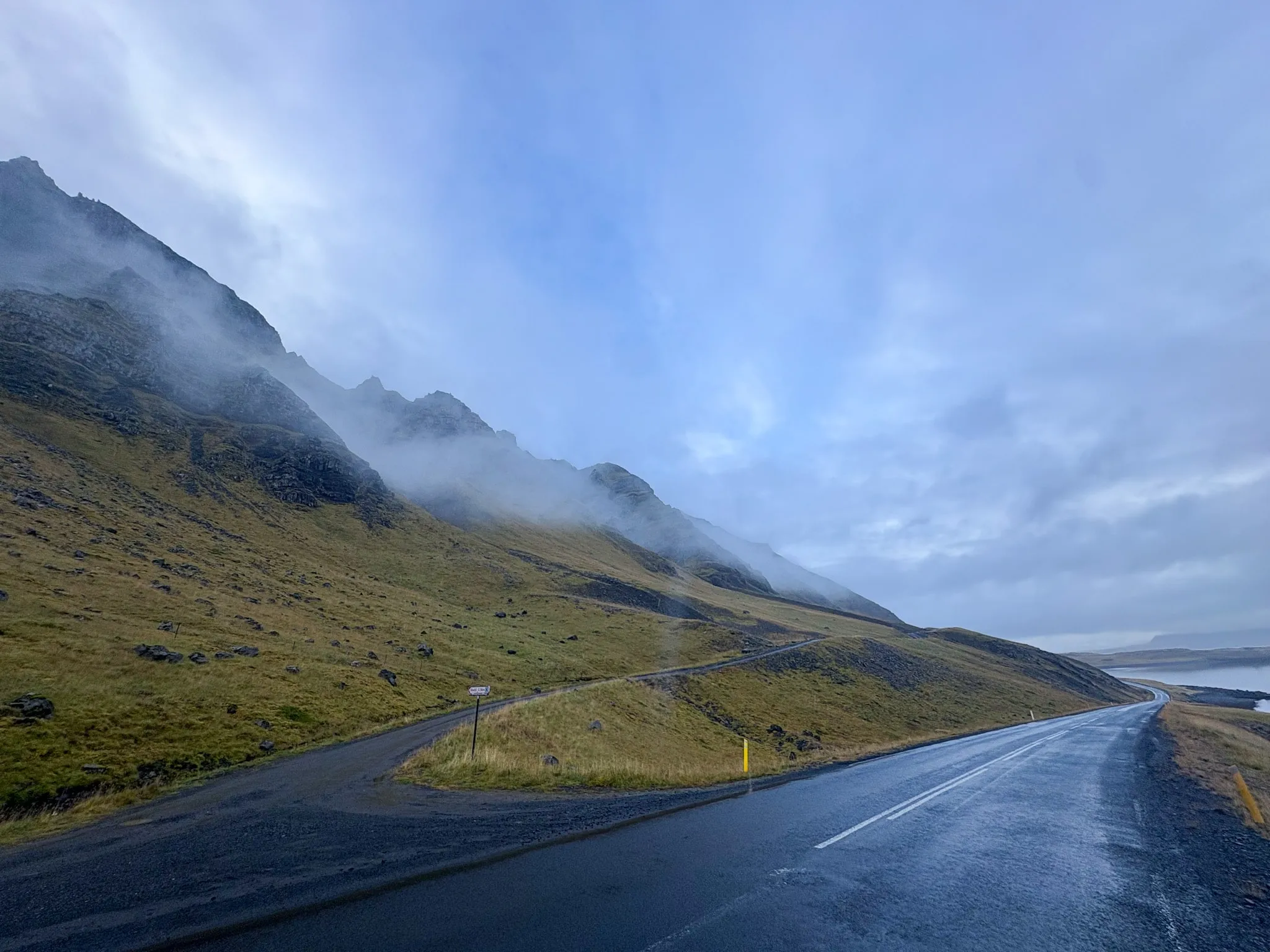
Four regional routes provide a useful framework for exploring Iceland beyond the capital. Each can be approached as a day trip, but spending a night within the region allows for a less hurried experience.
The Golden Circle
The most established of Iceland’s scenic driving routes, the Golden Circle links Þingvellir National Park, the Geysir geothermal field, and Gullfoss waterfall in a loop of approximately 230 kilometers from Reykjavík. Þingvellir occupies a rift valley where tectonic plates meet, while Gullfoss plunges in two stages into a rugged river canyon. The route is accessible year-round, although winter conditions can affect driving times.
The Silver Circle
Western Iceland’s Silver Circle winds through the historic village of Reykholt, the lava-fed cascades of Hraunfossar, and the neighboring Barnafoss waterfall. At Hraunfossar, water emerges from beneath a lava field, flowing in delicate streams towards the Hvítá River. Deildartunguhver, one of Europe’s highest-flow hot springs, supplies geothermal heat to nearby communities, while the route’s connection to Hvalfjörður adds a stretch of fjord scenery and walking trails.
The South Coast
Following Route 1 east from Reykjavík, the South Coast brings together some of Iceland’s most recognizable natural landmarks, from Seljalandsfoss and Skógafoss to the black-sand beaches of Reynisfjara and the coastal village of Vík. Waterfalls descend from former sea cliffs, glaciers rise above the agricultural plains, and volcanic formations meet the Atlantic shoreline. With visitor numbers particularly high in summer, an overnight stay makes early-morning exploration easier.
The Diamond Circle
North Iceland’s Diamond Circle connects the harbor town of Húsavík with Lake Mývatn, Dettifoss, Goðafoss, and Ásbyrgi Canyon. The route passes through a striking mix of volcanic formations, geothermal fields, and open countryside, with whale-watching excursions adding a coastal dimension. For travellers arriving from Reykjavík, Akureyri provides a practical domestic flight connection and a starting point for exploring the region by car.
A fifth region worth allowing time for is the Snæfellsnes peninsula, where fishing villages, coastal cliffs, lava formations, and the glacier-capped Snæfellsjökull volcano are concentrated within a relatively compact area. It is an excellent addition for travellers with more than a week, particularly those interested in western Iceland’s varied coastline.
Where to Stay: Six Vantage Points Across Iceland
The following properties offer six different perspectives on Iceland, from Reykjavík’s waterfront to the agricultural valleys and volcanic terrain beyond it. Two provide a city base; the remaining four are positioned for exploring the countryside.
Mjólk Hotel
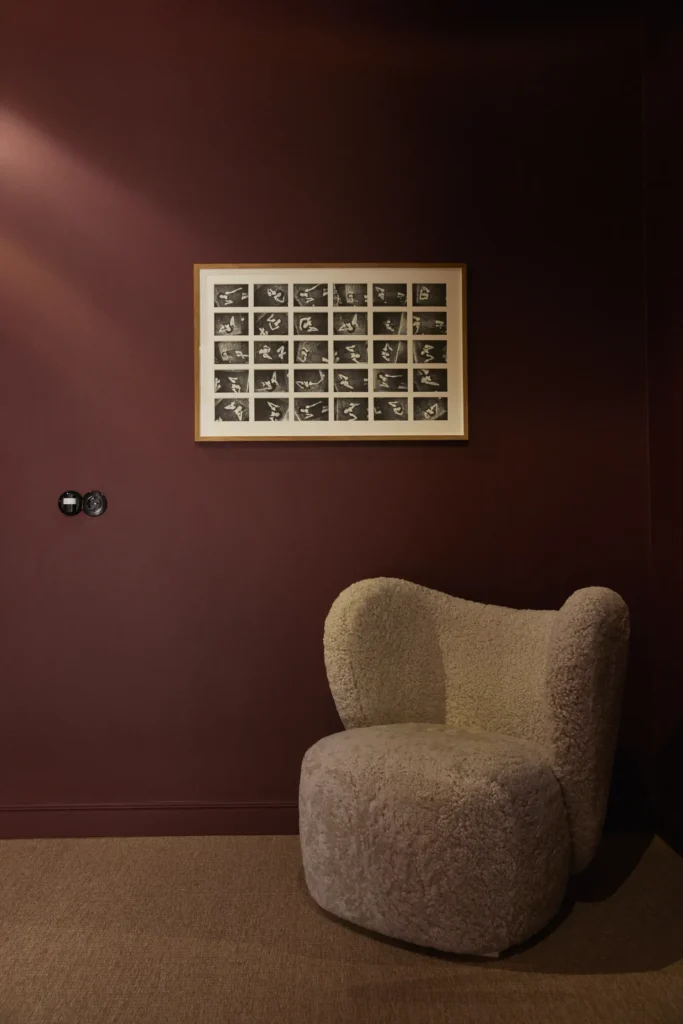
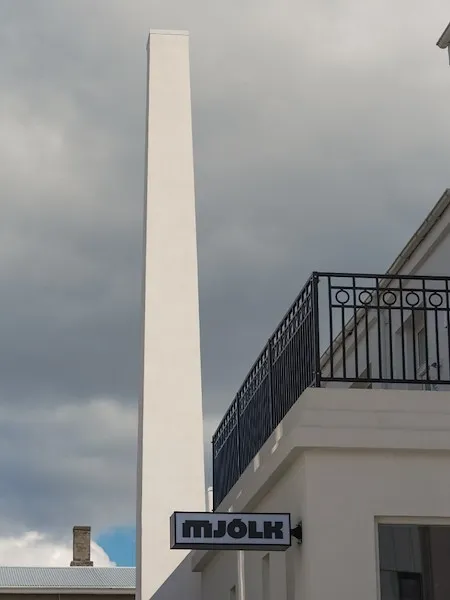
Reykjavík’s Grandi district has developed from a working waterfront into one of the city’s more interesting neighborhoods. Former fishing warehouses now accommodate galleries, cafés, bakeries, and independent businesses, while the harbor remains an active part of daily life. Mjólk Hotel‘s setting makes it a useful introduction to this side of the capital, within walking distance of the Old Harbor and the Harpa concert hall.
Across Faxaflói Bay, Mount Esja provides a familiar landmark on clear days. The surrounding streets have a more relaxed character than Laugavegur, Reykjavík’s principal shopping street, and offer a way to experience the city beyond its busiest visitor corridors.
The appeal of a small boutique property lies in its relationship with its building and neighborhood. In this setting, an industrial past and contemporary Nordic design offer a natural starting point for the interiors: pale timber, wool, ceramics, and an emphasis on materials. A cozy room with a well-chosen rug, good lighting, and views towards the harbor can provide more character than a larger room furnished without reference to its surroundings.
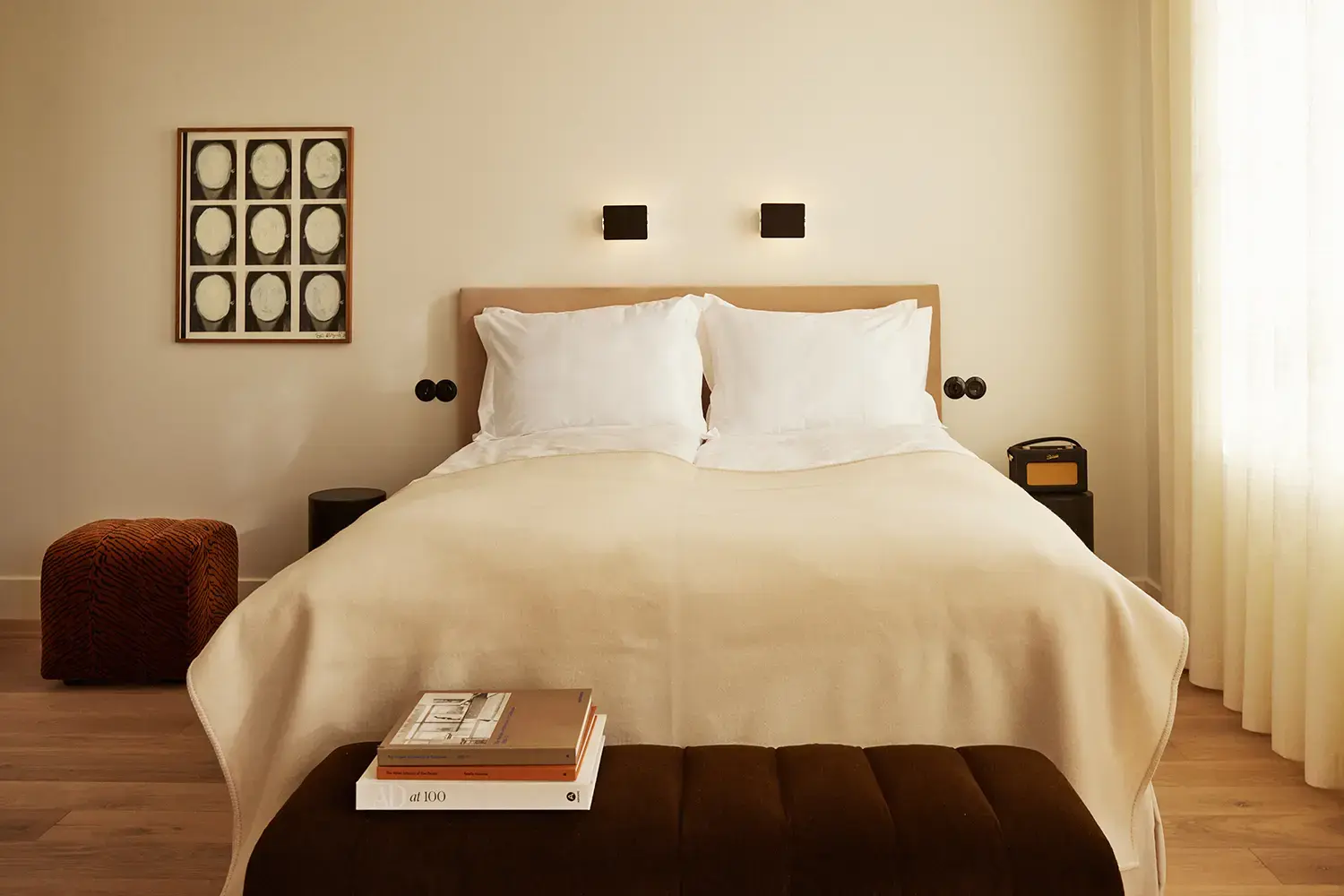
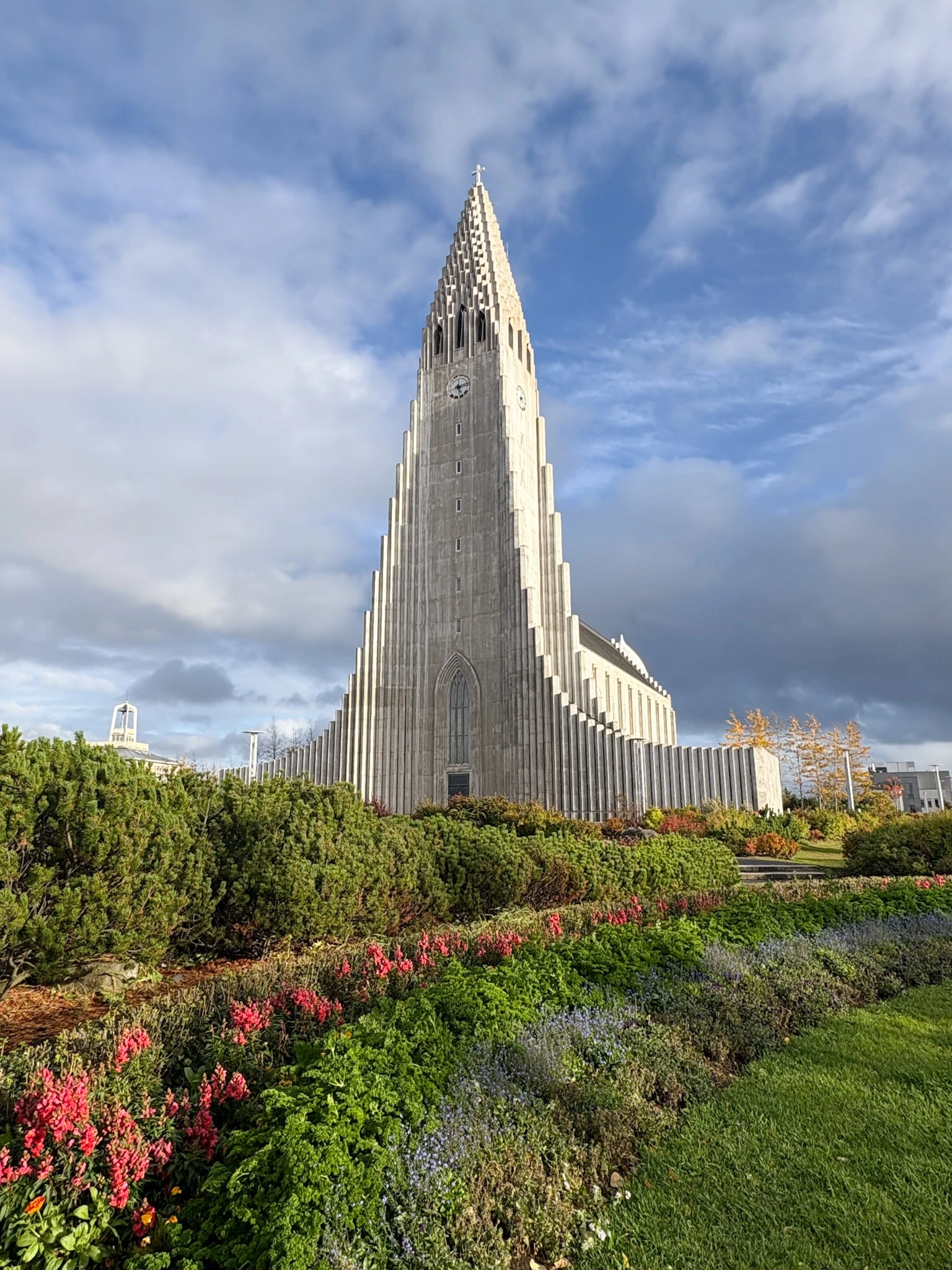
For travellers arriving late or departing early, a central location with easy access to restaurants and the waterfront is especially practical. Reykjavík’s compact center makes it possible to explore much of the city on foot, from the Old Harbor to Hallgrímskirkja and the streets around the Icelandic parliament.
The Reykjavik EDITION
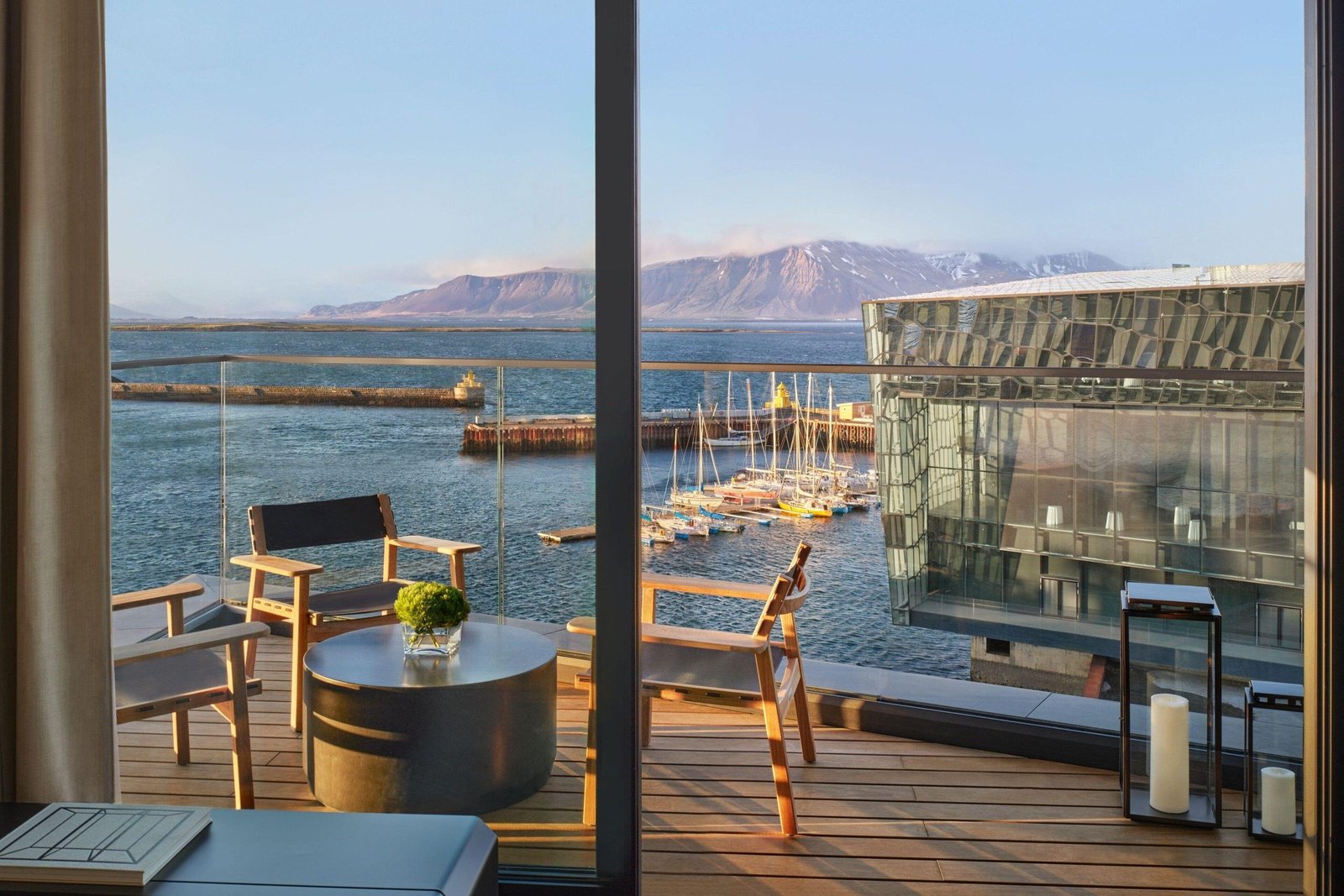
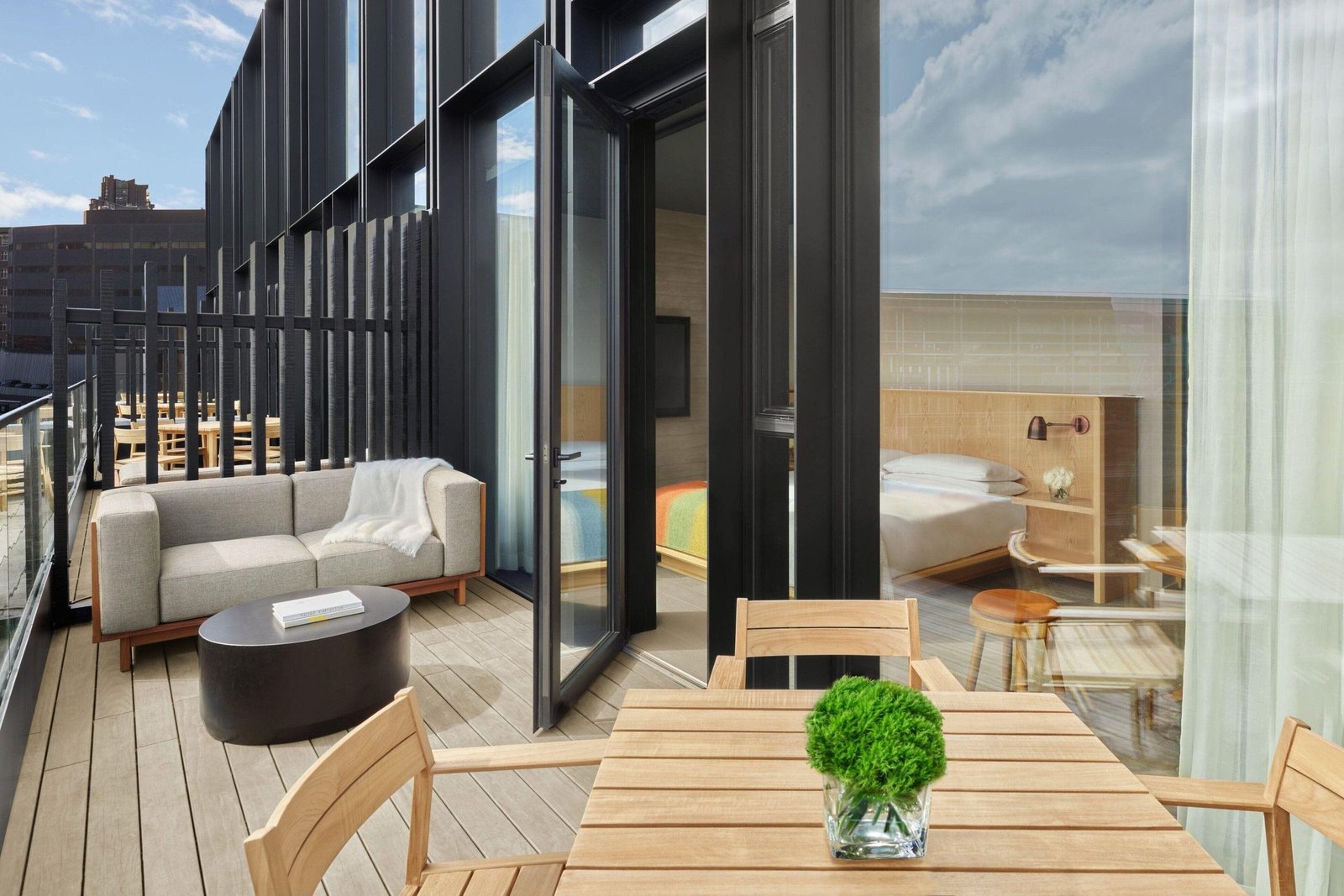
The Reykjavík EDITION occupies a prominent position beside Harpa, the concert hall whose geometric glass façade draws on Iceland’s basalt formations. The hotel connects the Old Harbor with the downtown streets, placing the Sun Voyager sculpture, waterfront walks, and restaurants within easy reach.
Developed by Ian Schrager in partnership with Marriott, the EDITION brand combines contemporary interiors with a strong emphasis on atmosphere. At the Reykjavík property, dark stone, timber, tactile finishes, and carefully controlled lighting establish a sleek aesthetic that draws on the surrounding architecture without turning Icelandic references into decoration.
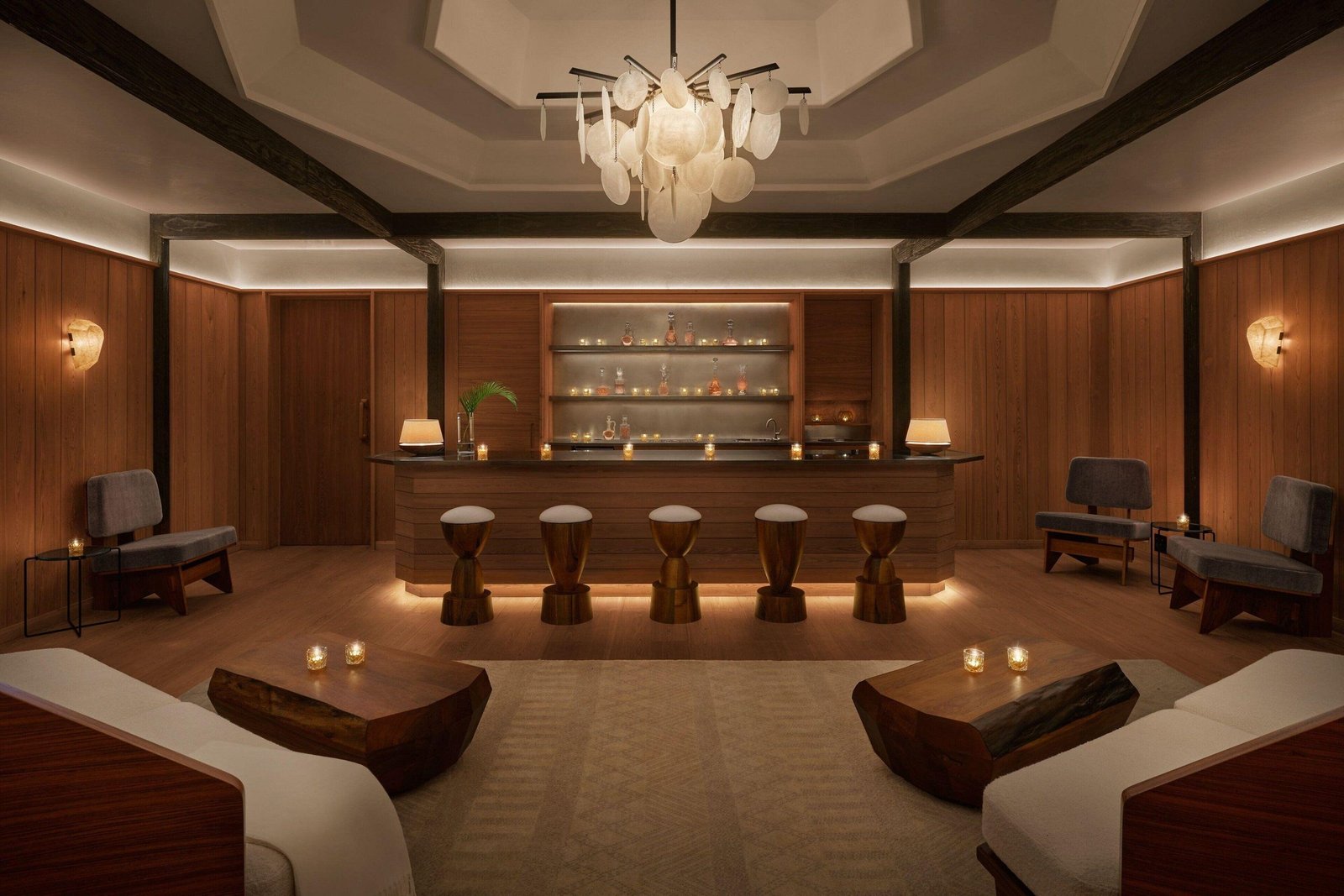
The hotel opened in 2021 and offers full-service accommodation, including the Tide restaurant, a rooftop bar, a spa, and event spaces. Its scale and facilities make it a practical choice for travelers who prefer a five-star hotel at the beginning or end of a longer regional itinerary. A cocktail overlooking the harbor offers a different perspective on Reykjavík after a day spent exploring the countryside.
The Old Harbor remains a departure point for whale-watching excursions, while the waterfront itself is an inviting place for a morning walk. On clear days, views extend across the bay towards the Snæfellsnes peninsula. The hotel also provides easy access to Reykjavík’s restaurants and nightlife, making it well suited to travellers who want a full evening in the city before heading out on the road.
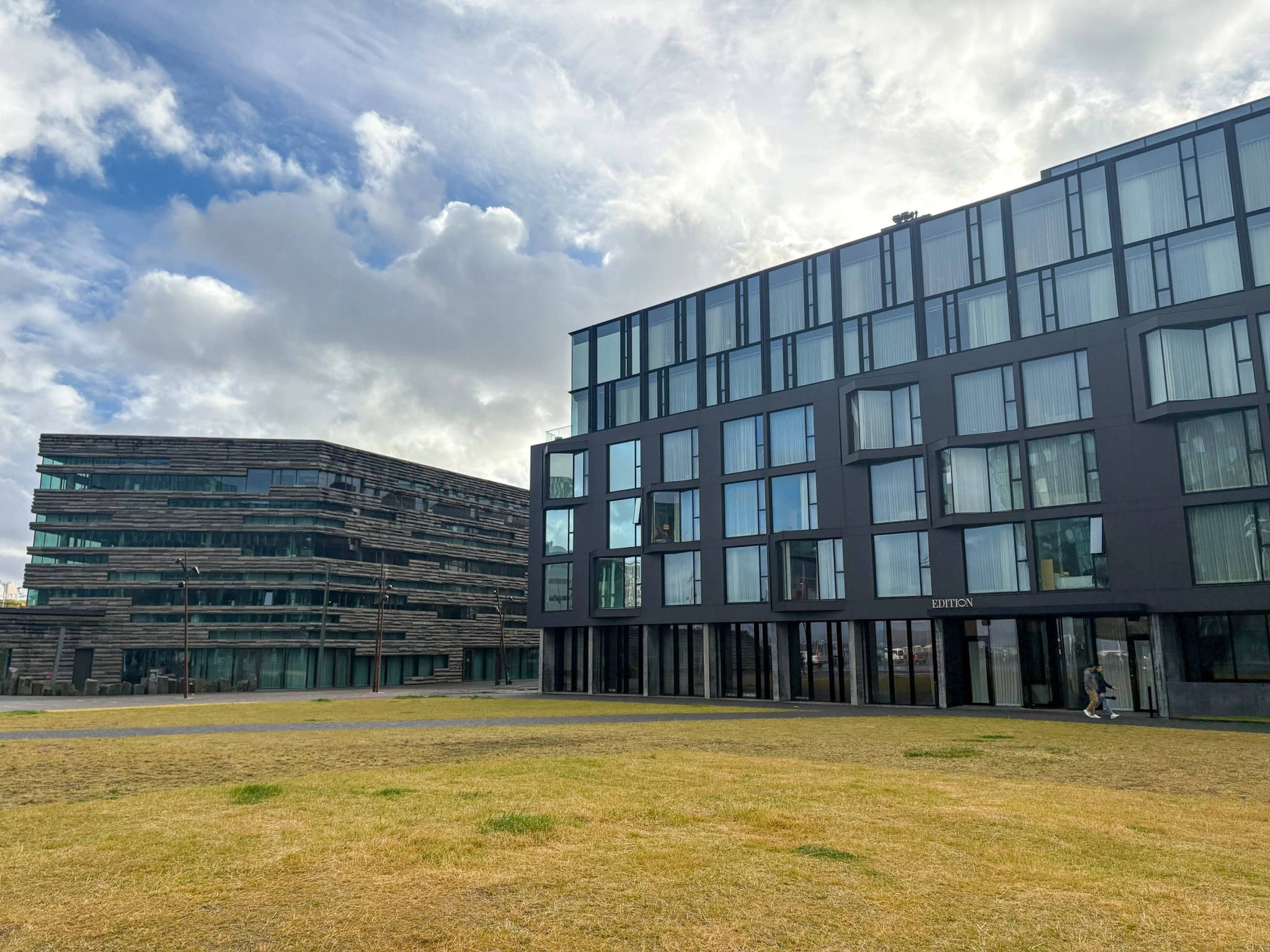
For those comparing the best hotels in Iceland, the Reykjavik EDITION is the choice for contemporary design, a comprehensive range of facilities and a prominent waterfront address. It is a city hotel first, and works particularly well as part of an itinerary that continues into the countryside.
EYRI Farm
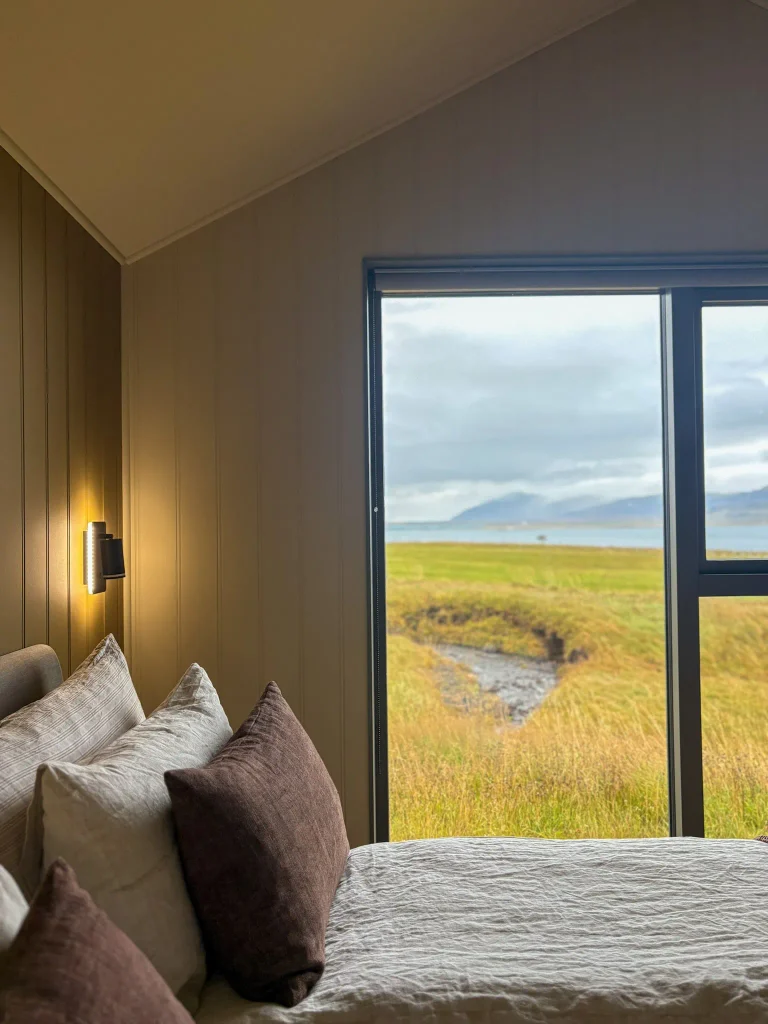
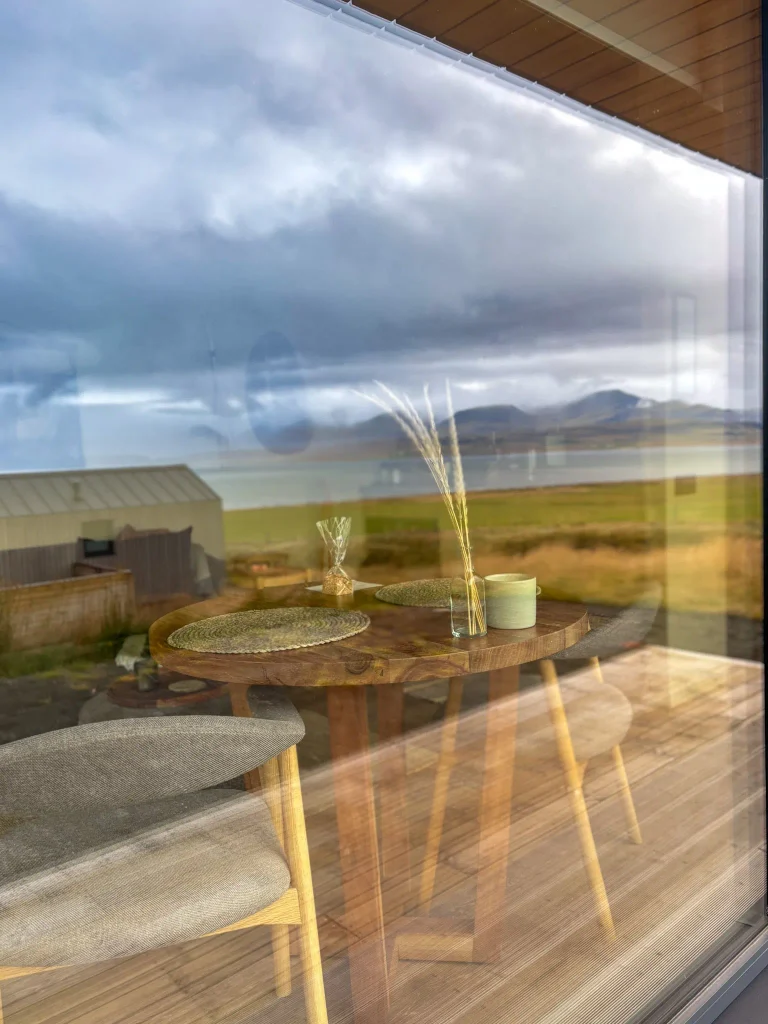
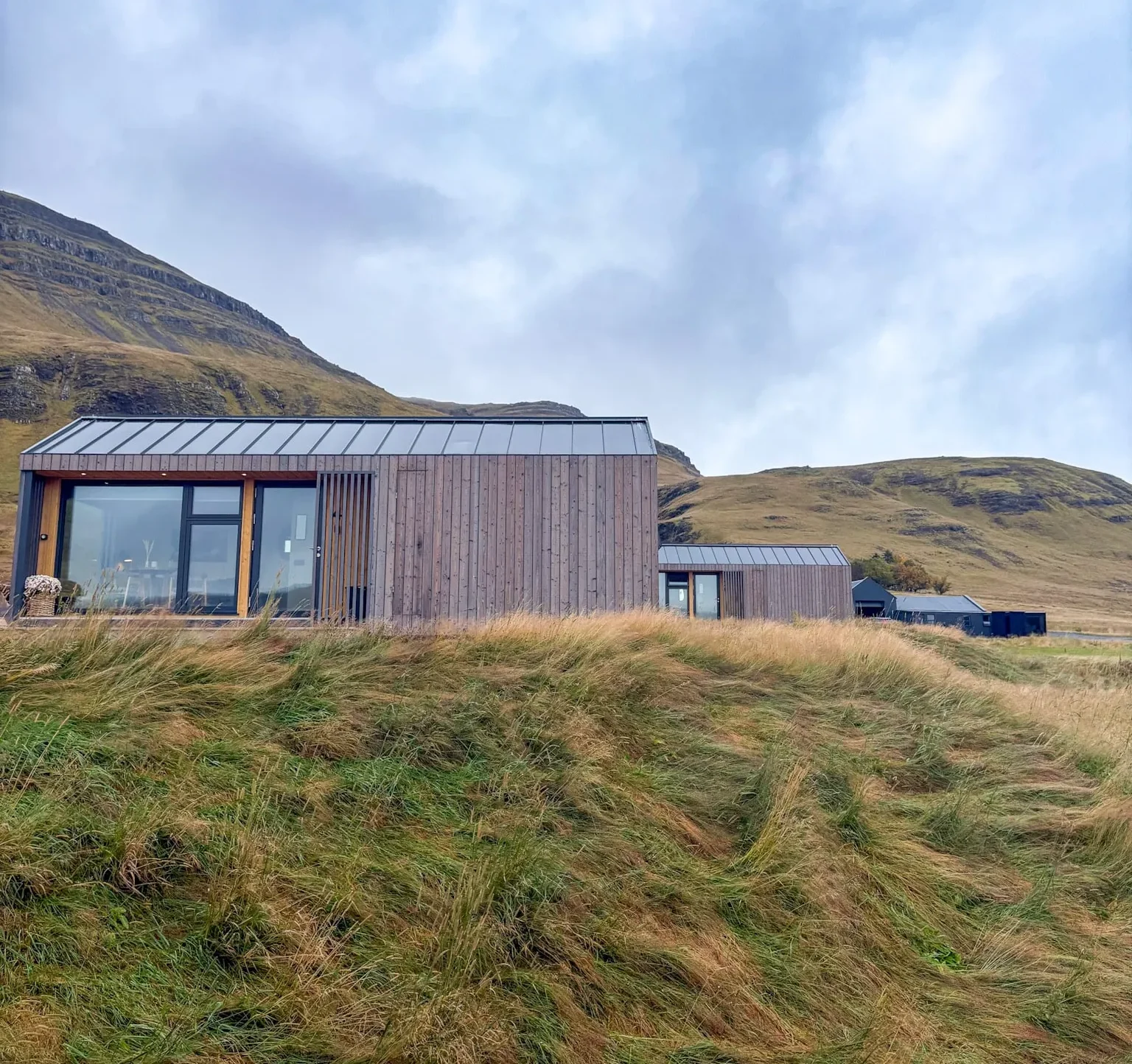
Kjós lies north of Reykjavík, opening towards Hvalfjörður, or Whale Fjord, where mountains rise above the water and green pasture stretches across the valley. I spent three nights at EYRI Farm in September, staying in one of its compact, well-designed cottages with an uninterrupted view towards the fjord and the mountains beyond. Around 30 minutes from the capital, the property offers a peaceful countryside setting that feels a world away from the city.
The cottage’s compact footprint was handled with real ingenuity, making the interior feel both functional and generous. A stream traced the edge of the property and fell directly beside my window, and I often left the windows open to let its sound drift inside. With rain moving across the mountains and the skies shifting from one hour to the next, the cottage offered a front-row seat to the changing weather, its steady soundtrack of running water lending a sense of calm to the day.
A breakfast basket delivered fresh to the cottage was another memorable detail. It held granola and yoghurt made with milk from a neighbouring farm, a simple expression of the close-knit agricultural community surrounding EYRI Farm. I tucked it into the cooler bag provided in the cottage and took it with me on my Silver Circle drive, carrying a taste of the area into a day spent exploring further afield.
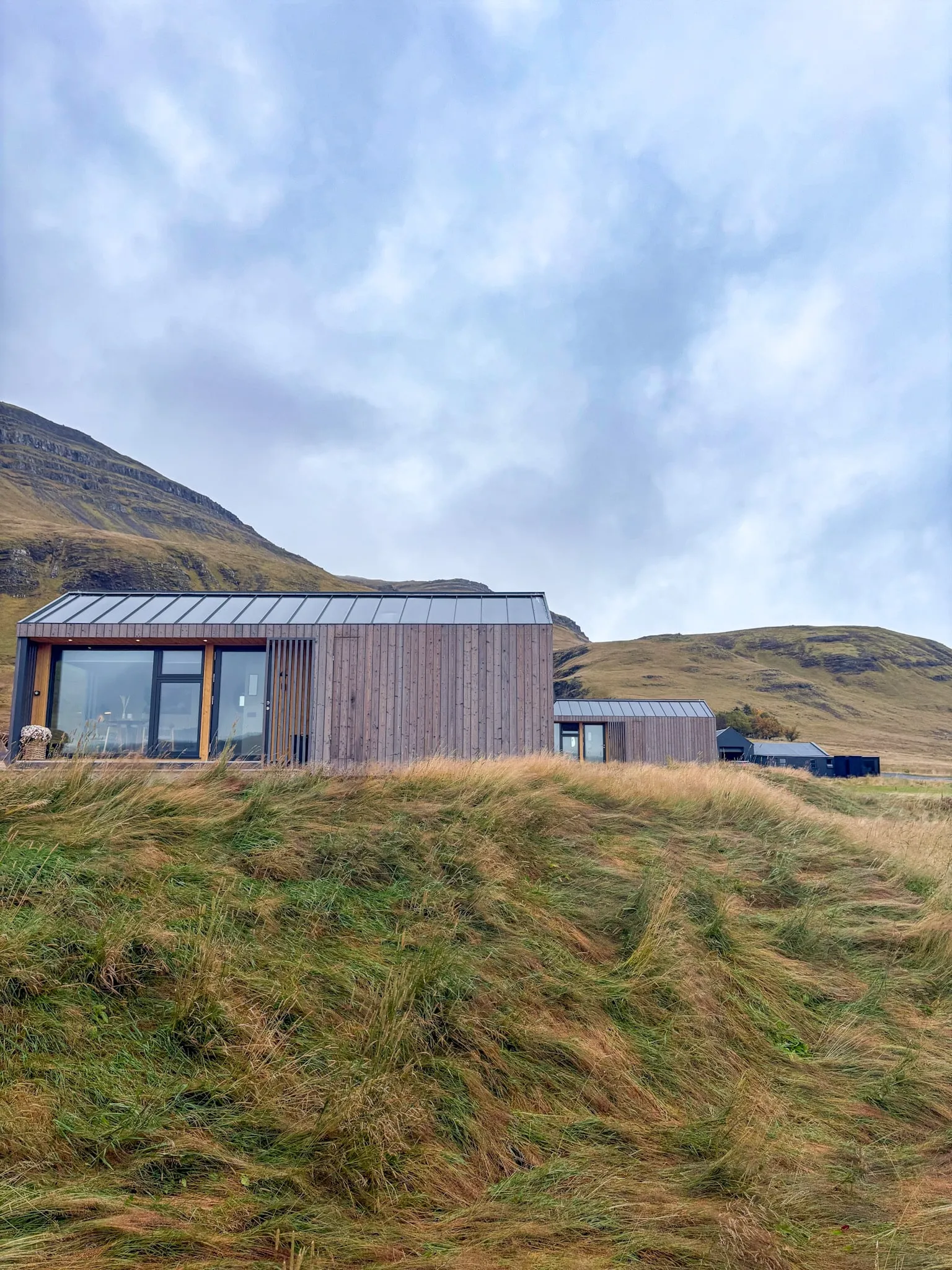
There is a particularly personal story behind EYRI Farm. The land belonged to the maternal family of owner Ólöf’s husband, who spent his summers here from the age of six to sixteen, helping his grandfather with the daily work of the farm. Having been part of their family story for generations, the property now offers visitors a way to experience this landscape while the owners have transformed the original farmstead, giving it a new purpose.
The development began with five custom-built cottages designed to complement the surroundings, alongside the restoration of the original farmhouse for guest accommodation. The owners are also repurposing old barns and outbuildings, with plans for improved communal facilities and outdoor spaces for gatherings, workshops and special occasions. Their ambition is to grow a family business that can be passed on to future generations, while preserving the character of the farm and the openness of the landscape.
Nature remains central to the experience. Eyrarfjall rises above the property, its freshwater springs supplying the drinking water available to guests. The waterfall and walking trails offer opportunities to explore the hillside without leaving the farm, while the cottages provide privacy after a day outdoors. There are no televisions in the cottages; instead, the owners encourage guests to read, listen to music, play a board game or simply enjoy time together. It is an approach that suits the setting, where the changing light, mountain views and sounds of the surrounding countryside offer plenty to draw your attention outside.
For those planning to explore western Iceland by road, it is a property I would highly recommend as a base. Its position in Kjós makes it well suited to exploring the Silver Circle, including Hraunfossar and Barnafoss waterfalls, and planning excursions along the Golden Circle.
Black Sand Hotel
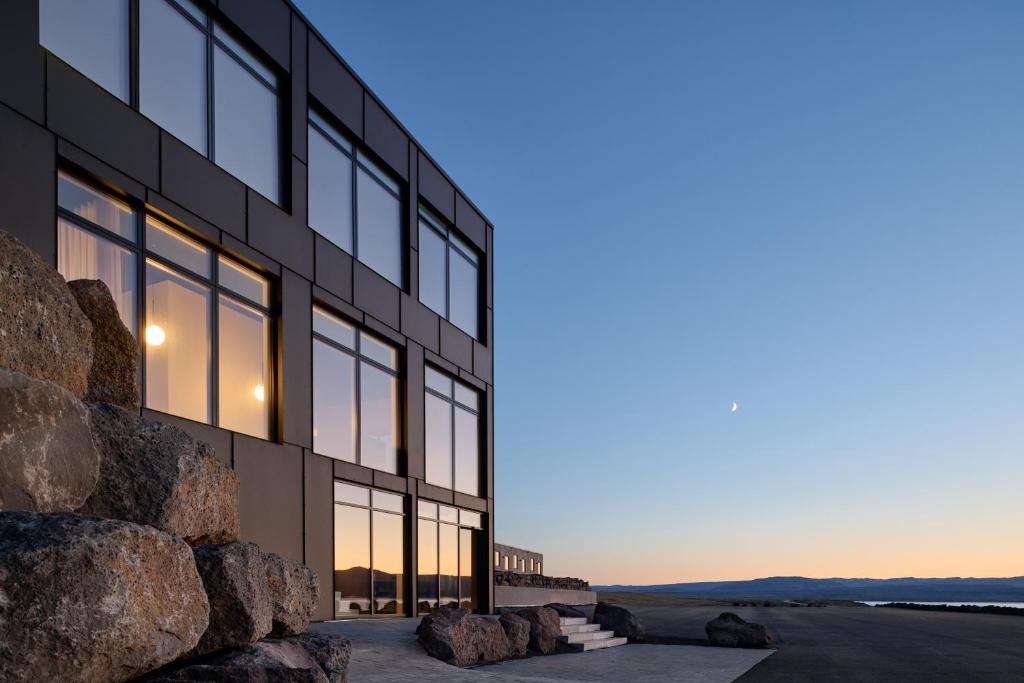
Black Sand Hotel sits along Iceland’s South Coast, where volcanic terrain, open plains and the Atlantic shoreline define the landscape. Its contemporary architecture and expansive windows connect the interiors to the surrounding scenery, bringing the shifting light and dramatic weather into the experience of staying here. Set within the wider Ölfus region, the hotel also provides a base for exploring South Iceland, with its geothermal landscapes, historic lava fields and celebrated natural landmarks.
A contemporary property in this setting benefits from restraint. Dark exterior materials, pale interiors and huge windows can frame the open countryside without competing with it. Floor-to-ceiling windows also bring changing light into the room, particularly during the long evenings of summer and the darker months when the northern lights may appear.
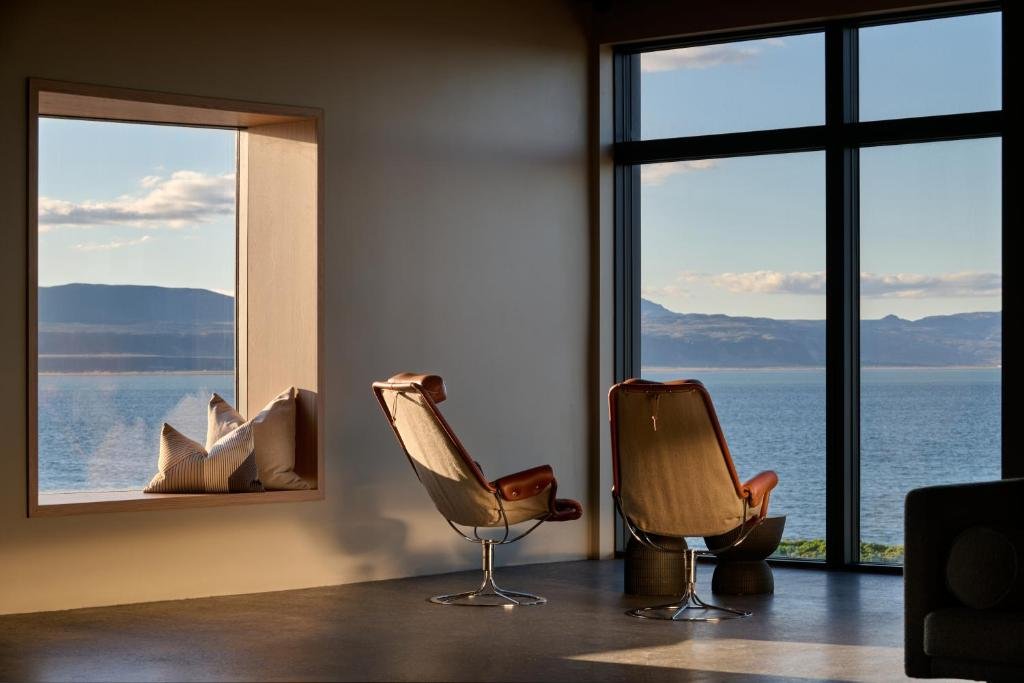
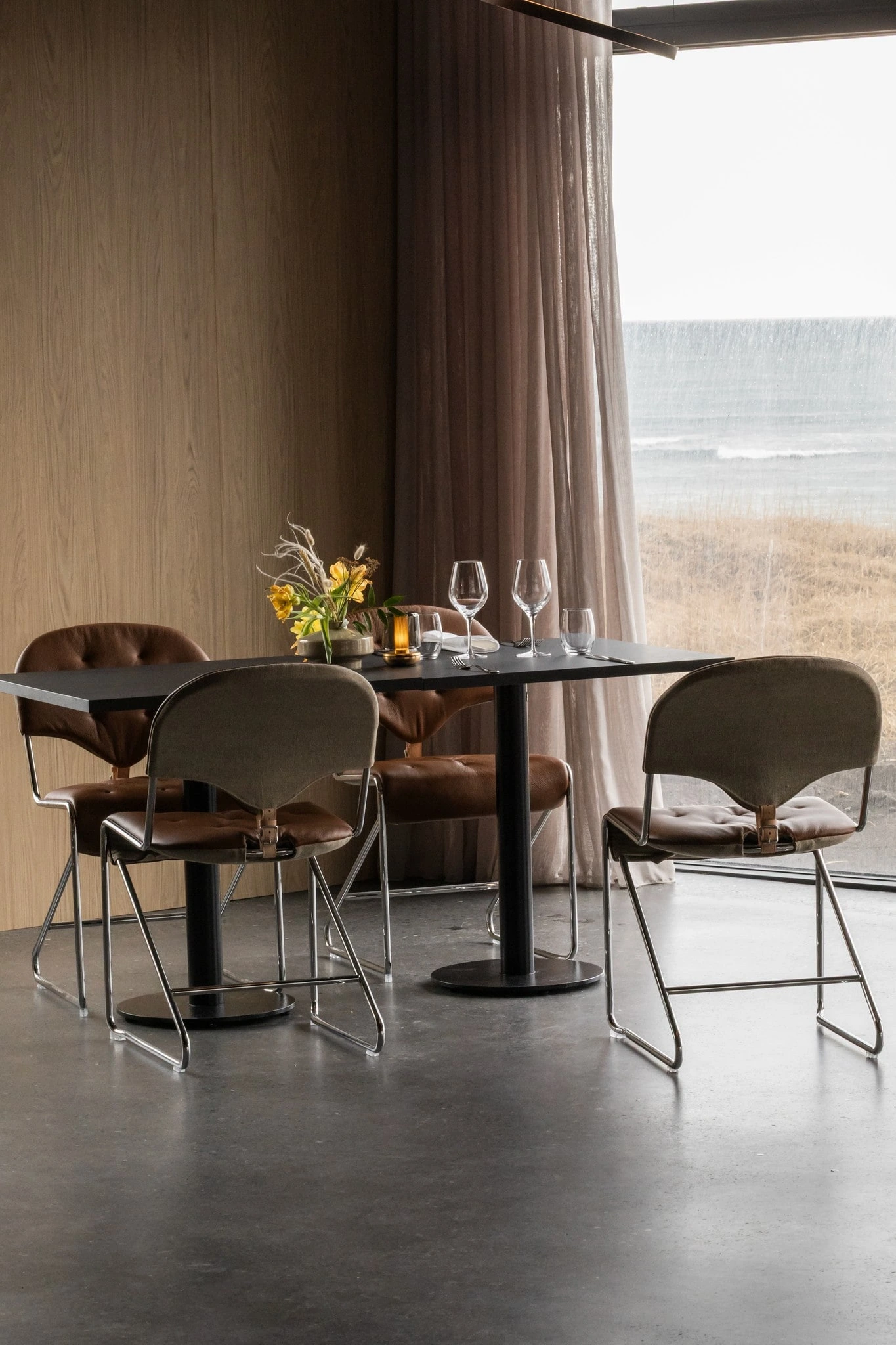
Nearby Hveragerði is known for its geothermal ground and heated greenhouses, which make fresh vegetables available throughout the year. The wider region offers a stark contrast between black sand, moss-covered lava and green agricultural land which provides a dramatic introduction to South Iceland.
Harmony Retreat Lodge
The South Coast is one of Iceland’s most appealing regions to explore, with waterfalls, glaciers and black-sand beaches accessible along the coastal route. Staying near Seljalandsfoss offers an opportunity to visit early in the morning, before the main visitor traffic arrives, then continue east towards Skógafoss, Reynisfjara and the coastal village of Vík.
This stretch of coastline lies beneath the mountainous terrain associated with Eyjafjallajökull, the volcano whose 2010 eruption disrupted air travel across Europe. Seljalandsfoss drops approximately 60 metres from a former sea cliff, with a path behind the cascade that allows visitors to experience the waterfall from an unusual perspective when conditions permit. A short distance away, Gljúfrabúi is partially concealed within a narrow gorge, making it an easy addition to the same stop.
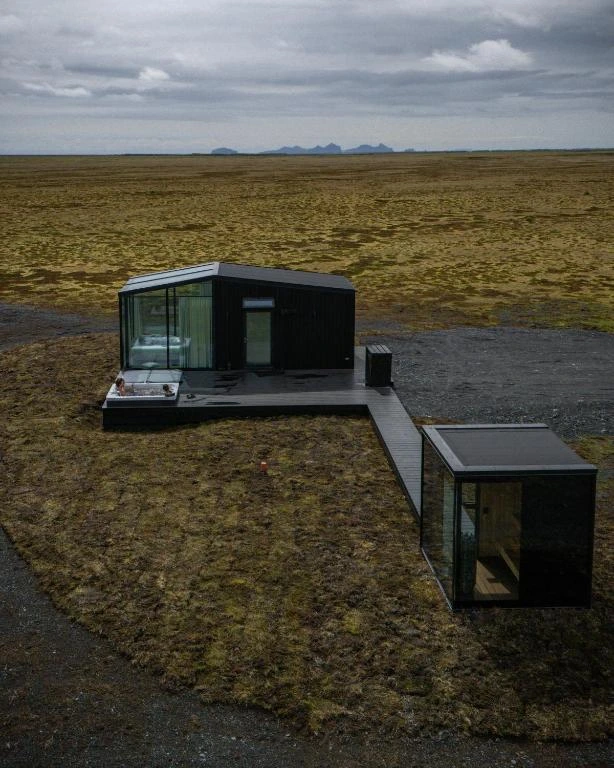
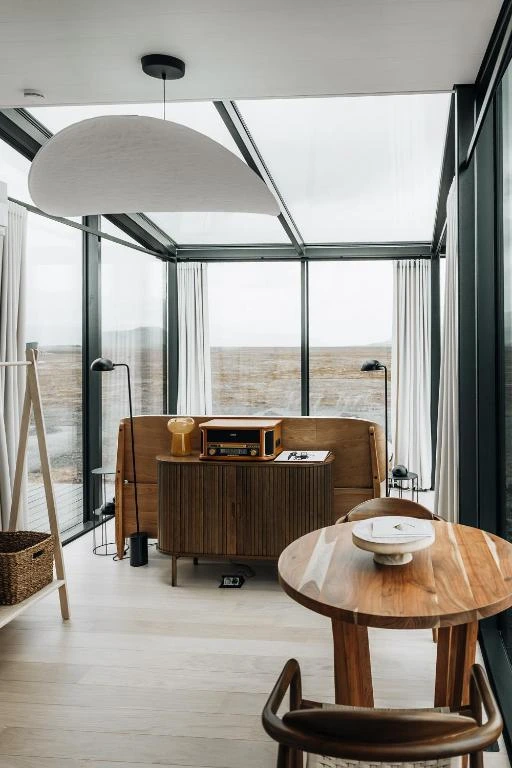
For accommodation close to these landmarks, Harmony Retreat Lodge offers two glass-roofed cabins set amid the South Coast’s open farmland, with views towards Seljalandsfoss and the Eyjafjöll mountains. Each 26-square-metre cabin combines contemporary interiors and natural materials with a glass ceiling above the bedroom, bringing the surrounding landscape into view from indoors. Private panoramic saunas and outdoor Nordic hot tubs provide another way to take in the mountain scenery, while kitchenettes allow for a more independent stay. The setting is well suited to couples who want a secluded base within easy driving distance of the region’s major sights.
The South Coast rewards an itinerary with room to linger. An early visit to the waterfalls leaves time to continue towards Vík, stopping at coastal viewpoints and walking routes along the way. With so much to see across a relatively concentrated stretch of the route, choosing accommodation near Seljalandsfoss can make it easier to explore at a more measured pace, without trying to fit every landmark into a single day.
Svartaborg Luxury Villa
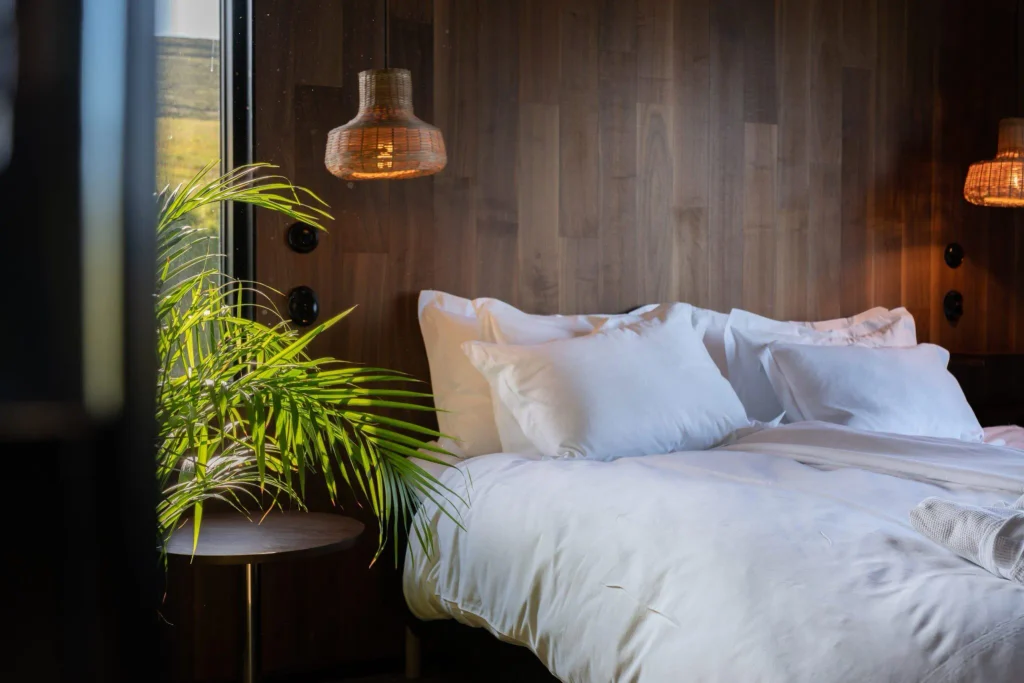
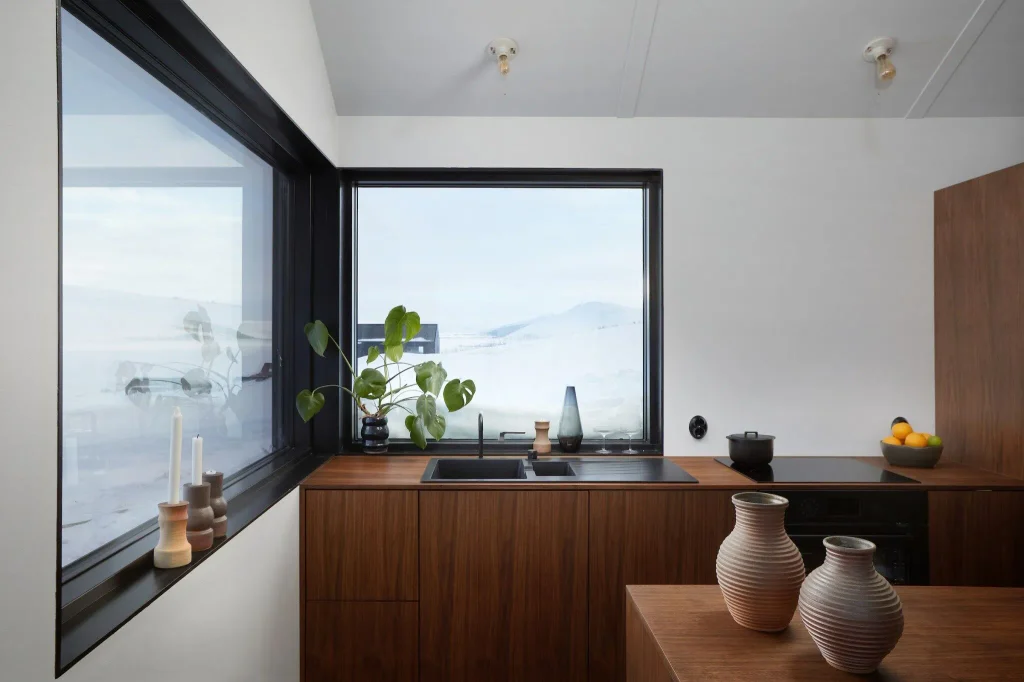
North Iceland has a character distinct from the southern tourist corridor. The terrain around Húsavík and Lake Mývatn combines volcanic formations, geothermal fields and a coastline known for whale watching. Húsavík itself is a small harbour town on Skjálfandi Bay, where humpback whales and other cetaceans can be seen during the principal viewing season.
The Svartaborg Luxury Villa above the town offers a different model of accommodation from a conventional hotel. For families or small groups, a shared living space and private kitchen can provide flexibility, particularly when the itinerary includes several days exploring the Diamond Circle. Views across the bay and surrounding mountains are an important part of the appeal, while the option of arranging a private chef, if offered, can make evenings easier after a full day outdoors.
The Diamond Circle connects Húsavík with Lake Mývatn, Dettifoss, Goðafoss and Ásbyrgi. At Mývatn, pseudocraters and geothermal features reveal the region’s volcanic history. Dettifoss is known for the volume of water moving through its canyon, while Ásbyrgi‘s distinctive horseshoe shape gives the northern route another geological landmark. Whale watching is a principal reason to visit Húsavík, but it is worth allowing time for the town itself. The harbour, local cafés and wooden church offer a quieter introduction to the north before heading inland.
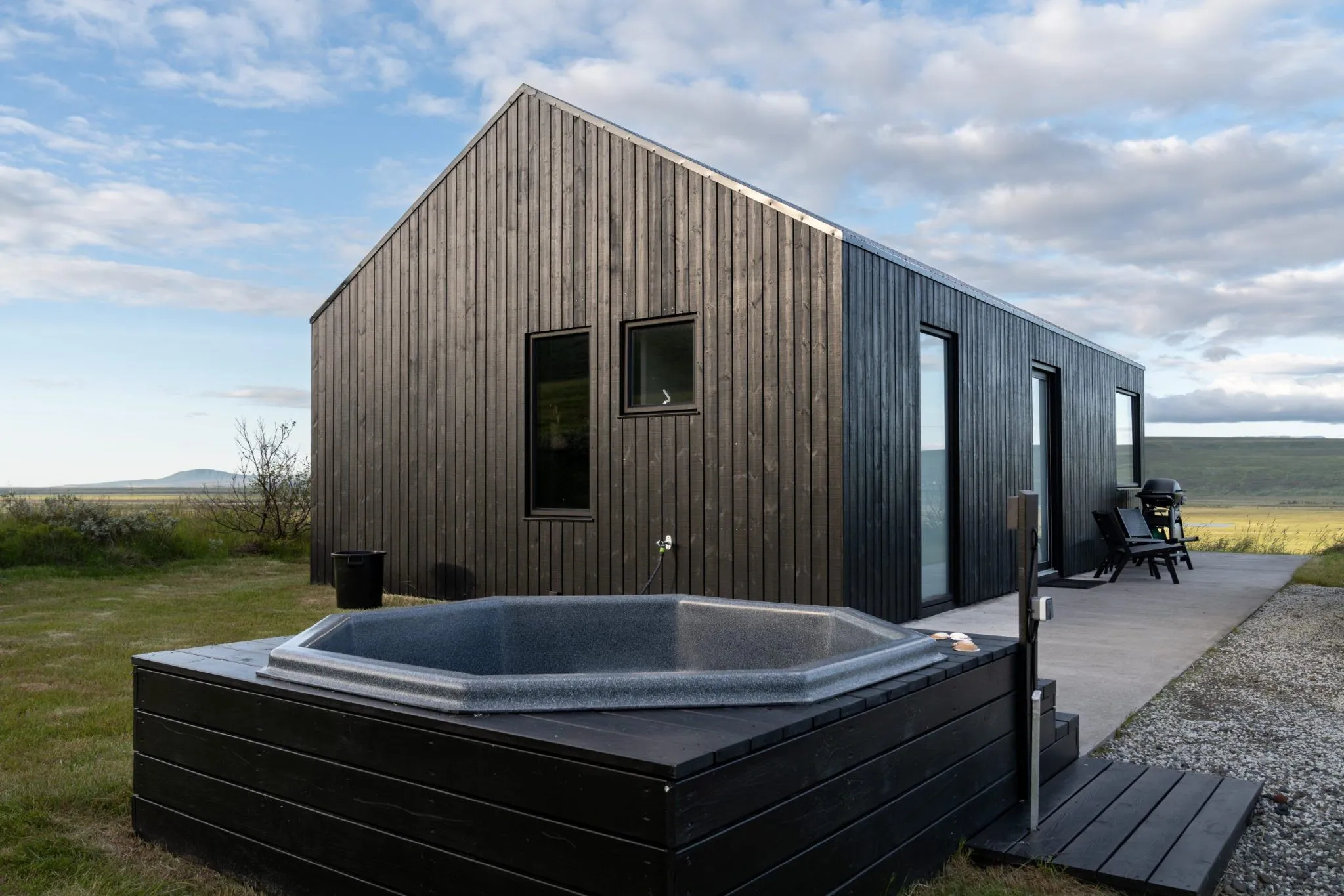
Svartaborg Luxury Villa is best considered by travellers who value privacy, space and the freedom to organise their own days. It is not directly comparable with the best hotels in Iceland that offer restaurants, front-desk service and extensive facilities. Instead, its appeal lies in the independence of a private residence and its position for exploring North Iceland.
CURATED TRAVEL
Need help booking a seamless journey to your destination?
Let us plan your itinerary from start to finish, with carefully selected stays, seamless routing, and considered recommendations throughout. As a Fora Travel advisor, we’re able to secure upgrades, added amenities, and preferred access, at no extra cost to you.
Alternative Hotels Worth Considering
ION Adventure Hotel, near the Golden Circle, is known for its contemporary architecture and setting against the surrounding lava fields. It is worth considering for travellers who want a design-led property with access to outdoor activities. Its location also makes it a useful starting point for exploring the geothermal and volcanic terrain of South Iceland.
For a more remote experience, Eleven Deplar Farm in the Tröllaskagi region of northern Iceland offers a different proposition, with an emphasis on outdoor pursuits and a secluded countryside setting. The surrounding mountainous terrain lends itself to seasonal activities, although its remote location requires more planning than a stay near Reykjavík or the main Ring Road.
Kvosin Downtown Hotel provides a central Reykjavík base for travellers who prefer to explore the city on foot. Its apartment-style rooms can be useful for longer stays, while its location places restaurants, cafés and cultural attractions within easy reach. For those seeking a central location without the scale of a large international hotel, it is a property worth comparing.
For those interested in distinctive architecture may also encounter Exeter Hotel, a design-led hotel in the Old Harbor district. Its contemporary interiors and proximity to the waterfront make it relevant to a city-focused itinerary, particularly for visitors who want to combine cultural sightseeing with Reykjavík’s restaurant scene.
The Icelandic Table
Food in Iceland reflects the limits and opportunities of the country’s climate. The surrounding North Atlantic supplies cod, haddock, Arctic char and other seafood, while lamb remains central to the national diet. Sheep spend the summer grazing across the countryside and highland pastures before being gathered in autumn. Skyr, a cultured dairy product with a long history in Icelandic households, is another everyday staple.
Geothermal energy has also influenced food production. In areas such as Hveragerði, heated greenhouses allow tomatoes, cucumbers and herbs to grow throughout the year. Hverabrauð, a dense rye bread traditionally cooked in geothermal ground, remains one of the country’s most distinctive food traditions.
The best regional kitchens make use of these ingredients in ways that suit their setting. Along the coast, seafood reflects the importance of nearby fishing communities. In agricultural valleys, lamb and dairy feature more prominently. In the north, Arctic char and other regional ingredients connect the menu to the surrounding rivers and coastline.
When assessing a hotel’s sustainability credentials, it is worth looking beyond a menu that mentions local produce. Ask whether the kitchen sources directly from nearby farms, how it manages food waste and whether seasonal availability genuinely influences what is served. Sustainability is most meaningful when it can be demonstrated through daily operations, sourcing and the property’s relationship with its community.
Regional Experiences Worth Building Into the Itinerary
The northern lights are one of Iceland’s defining seasonal attractions, generally visible from September through March when skies are dark and clear enough. Rural locations offer an advantage over brightly lit city streets, although no hotel can promise a sighting. Travellers should allow several nights if aurora viewing is a priority and remain flexible about weather.
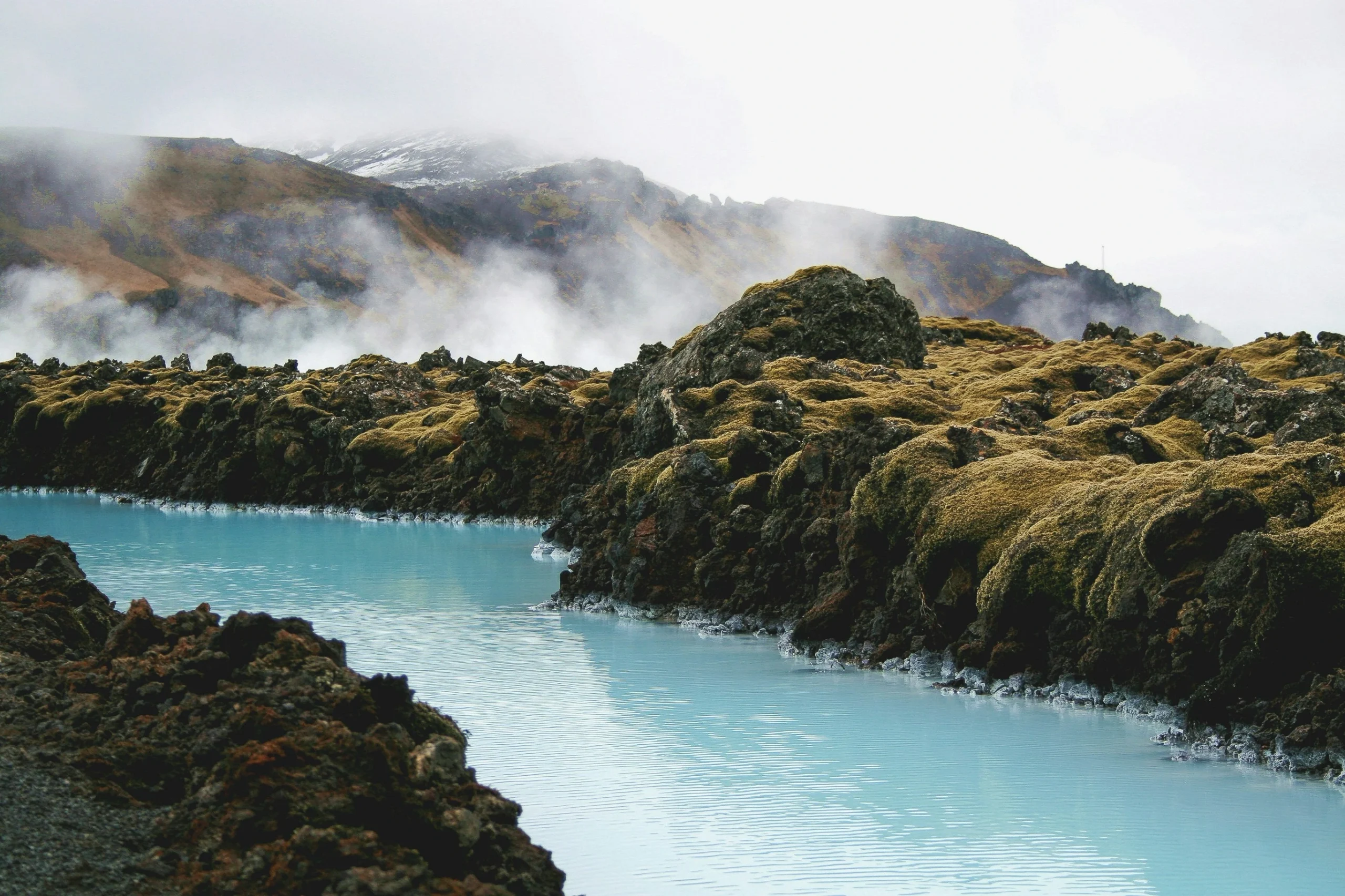
Geothermal bathing is another defining part of the Icelandic experience. The Blue Lagoon is the best-known option, but it is not the only one. The Secret Lagoon near Flúðir, Krauma in western Iceland and the Mývatn Nature Baths in the north each offer a different setting. The choice can be guided by location and the kind of bathing experience preferred.
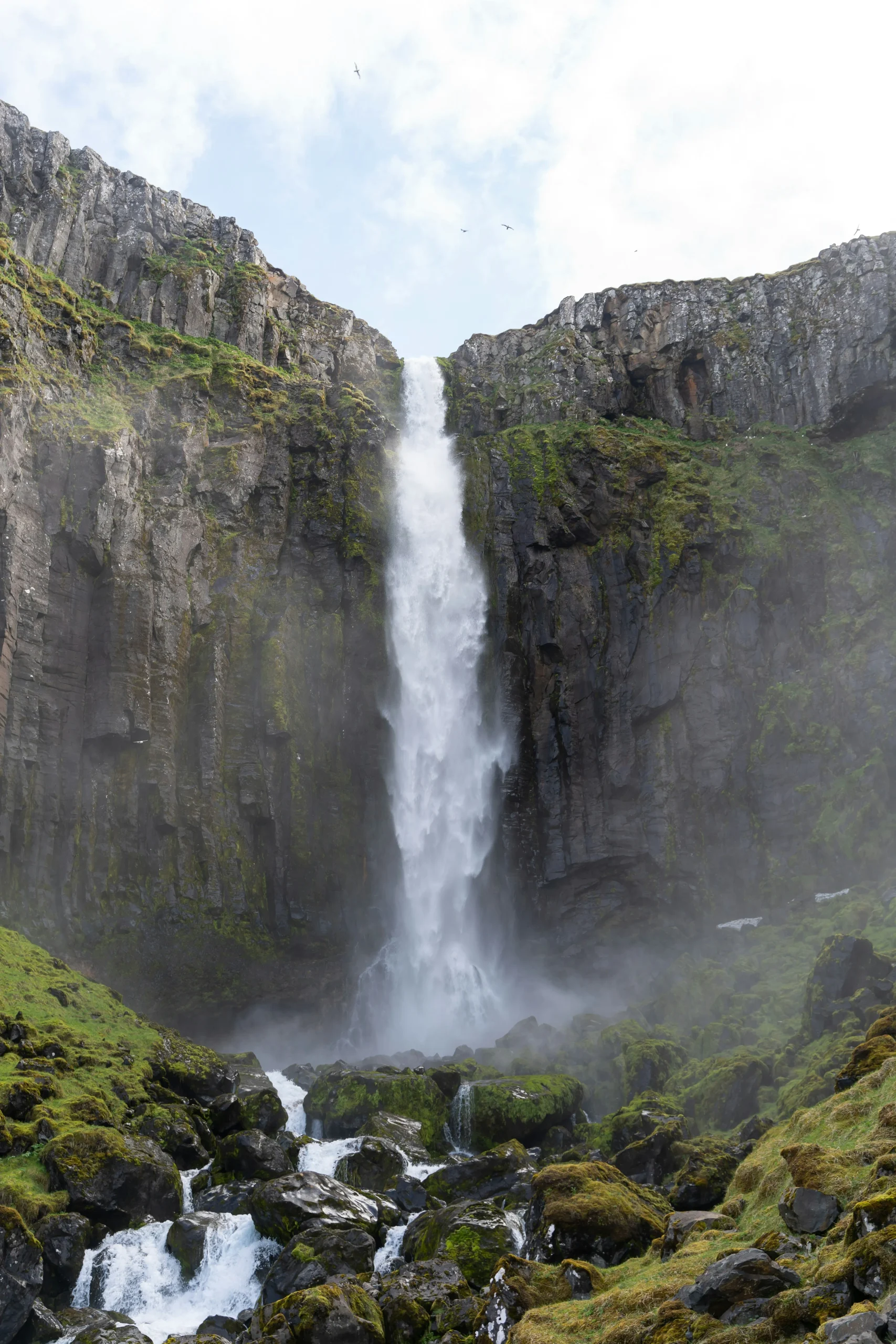
Waterfalls are spread across the country, from Gullfoss on the Golden Circle to Hraunfossar in the west and Seljalandsfoss on the South Coast. In the north, Dettifoss and Goðafoss are among the principal stops. Allowing time for short walks and changing weather makes these visits more rewarding than treating them as brief photo stops.
Whale watching from Húsavík generally operates from spring into autumn, with summer offering favourable conditions for many visitors. The Icelandic horse is another way to explore the countryside. Its distinctive tölt, a smooth four-beat gait, makes riding tours an appealing option for travellers interested in experiencing the landscape at ground level.
Navigating Iceland Beyond Reykjavík
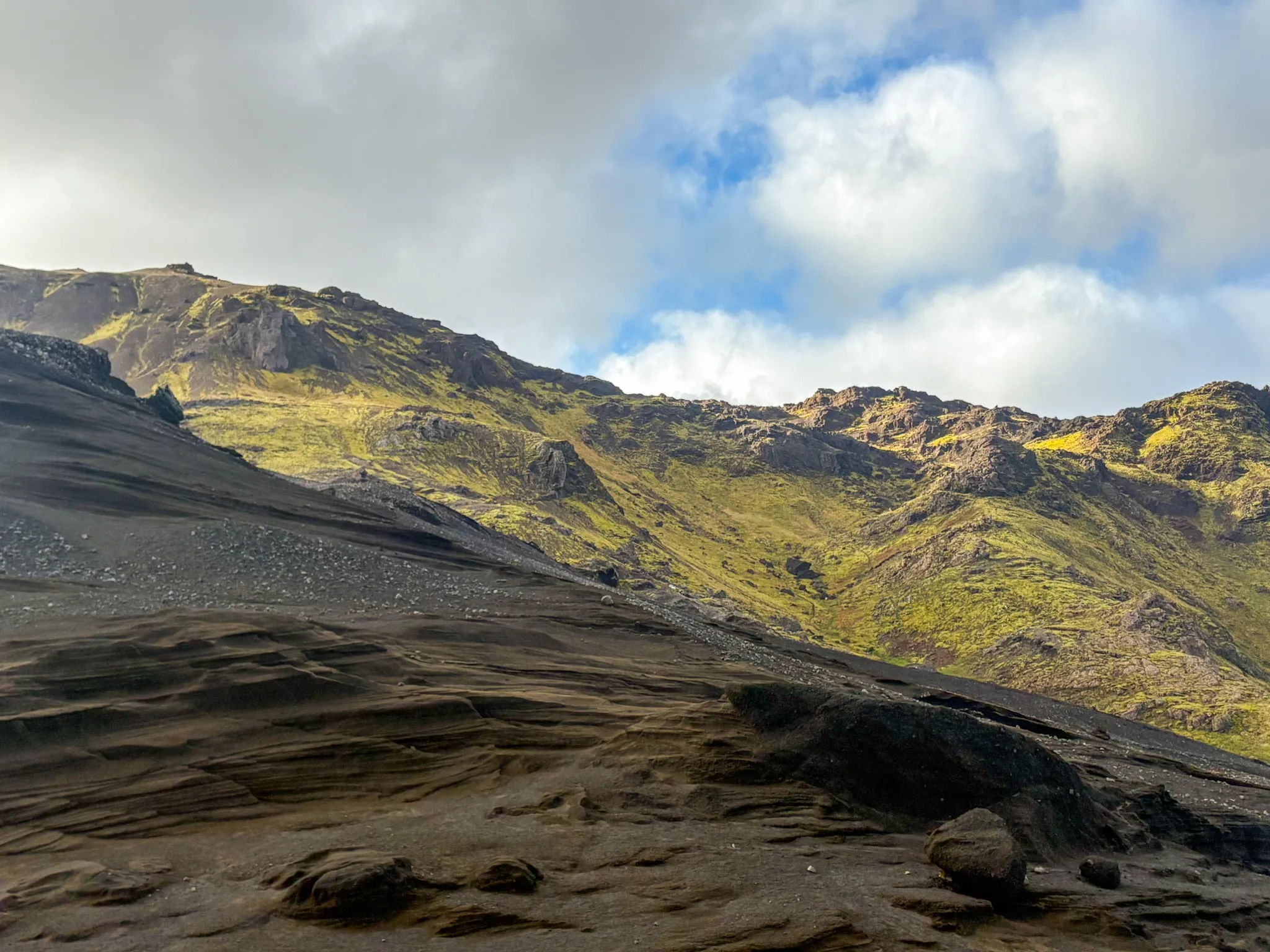
Keflavík International Airport is the principal arrival point for international travellers, approximately 50 kilometres from Reykjavík. A rental car provides the greatest flexibility for reaching the regional properties in this guide, although travellers should assess driving conditions, insurance and the suitability of the vehicle before setting out.
A standard two-wheel-drive car is generally suitable for paved main roads and many established tourist routes in favourable conditions. Four-wheel drive may be advisable in winter, while legally designated F-roads require an appropriate vehicle and are subject to seasonal closures. Never assume that a road is passable simply because a mapping application shows a route.
Driving times can also be deceptive. Reykjavík to Vík takes around two and a half hours in favourable conditions, while the drive to Húsavík is considerably longer. For a northern itinerary, a domestic flight to Akureyri followed by a rental car can reduce travel time, although the flight schedule and onward driving arrangements should be checked before booking.
Weather can change rapidly, particularly in winter. Check official road and weather updates each day, allow additional time between stops and avoid planning long drives around a fixed dinner reservation when conditions are uncertain. Headlights are required throughout the year, and rental agencies can advise on seasonal tyres and local driving requirements.
When to Visit Iceland
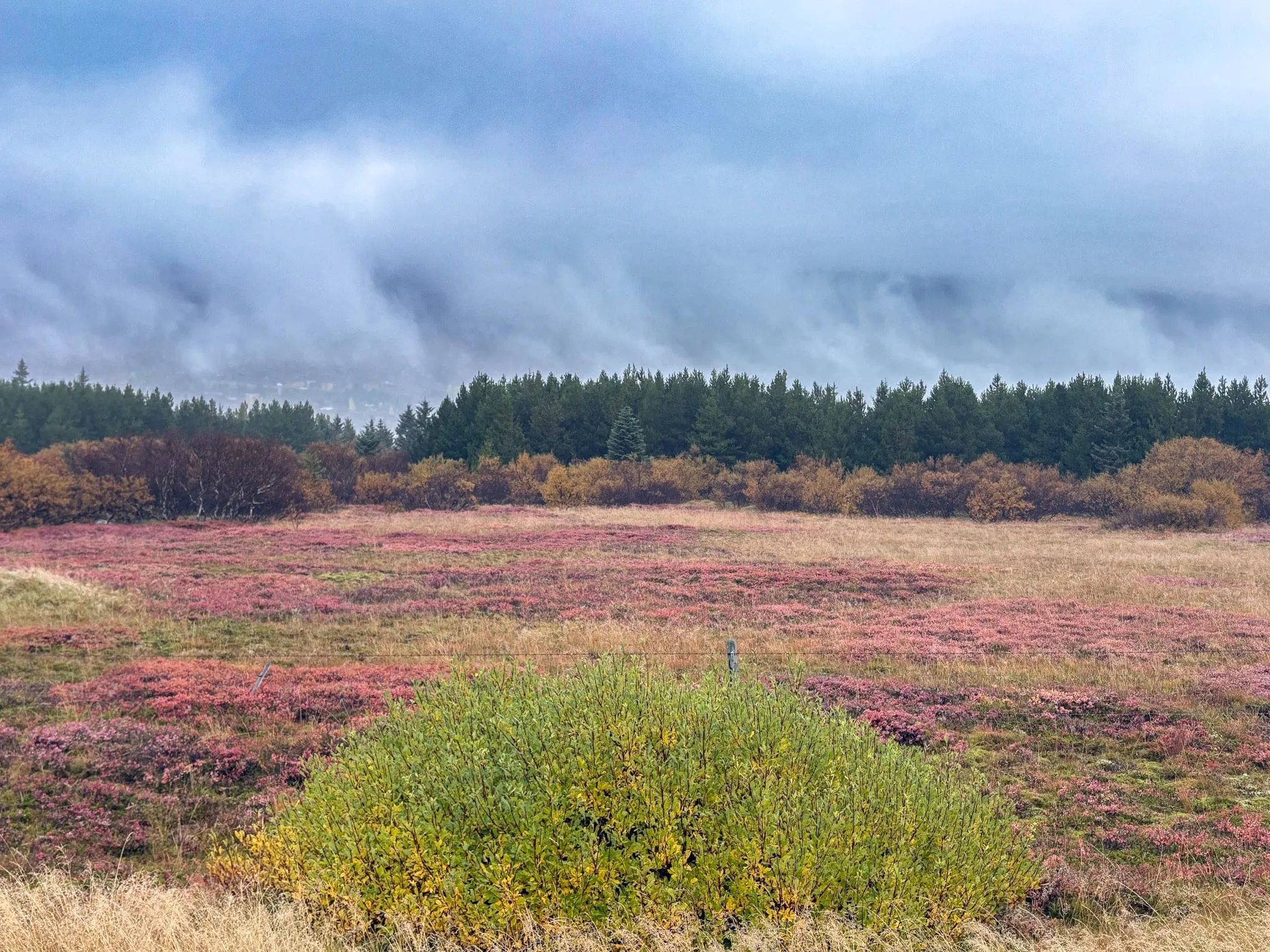
Iceland’s seasons offer distinctly different experiences, and the best time to visit depends on the balance of daylight, weather, activities and budget.
September and early October offer autumn colour, the return of darker nights and the possibility of seeing the northern lights. Many roads remain accessible, although conditions become less predictable as the season progresses. This period can be an attractive option for travellers seeking fewer visitors than during the height of summer.
Late October through February brings longer nights and the strongest seasonal emphasis on aurora viewing. Winter travel requires more flexibility, as snow, wind and limited daylight can affect driving plans. The reward is a different atmosphere, with geothermal bathing, quiet evenings and snow-covered scenery when conditions allow.
Late May through July brings extended daylight, green countryside and excellent opportunities for landscape photography and coastal exploration. The midnight sun period is especially appealing to travellers who want to cover longer distances, but it coincides with a busier travel season and offers no meaningful opportunity for aurora viewing.
March and April can provide a useful shoulder-season alternative, although snow and ice may remain in some regions. Rates and visitor numbers vary by property and date, so the value of a particular week should be assessed against actual availability rather than assumed.
The right season also depends on the region. Whale watching is principally a spring-to-autumn activity, while winter travellers may prioritise aurora viewing and bathing. Those planning to explore remote mountain routes should check opening dates and conditions carefully, as many highland roads remain closed for much of the year.
Closing Reflection
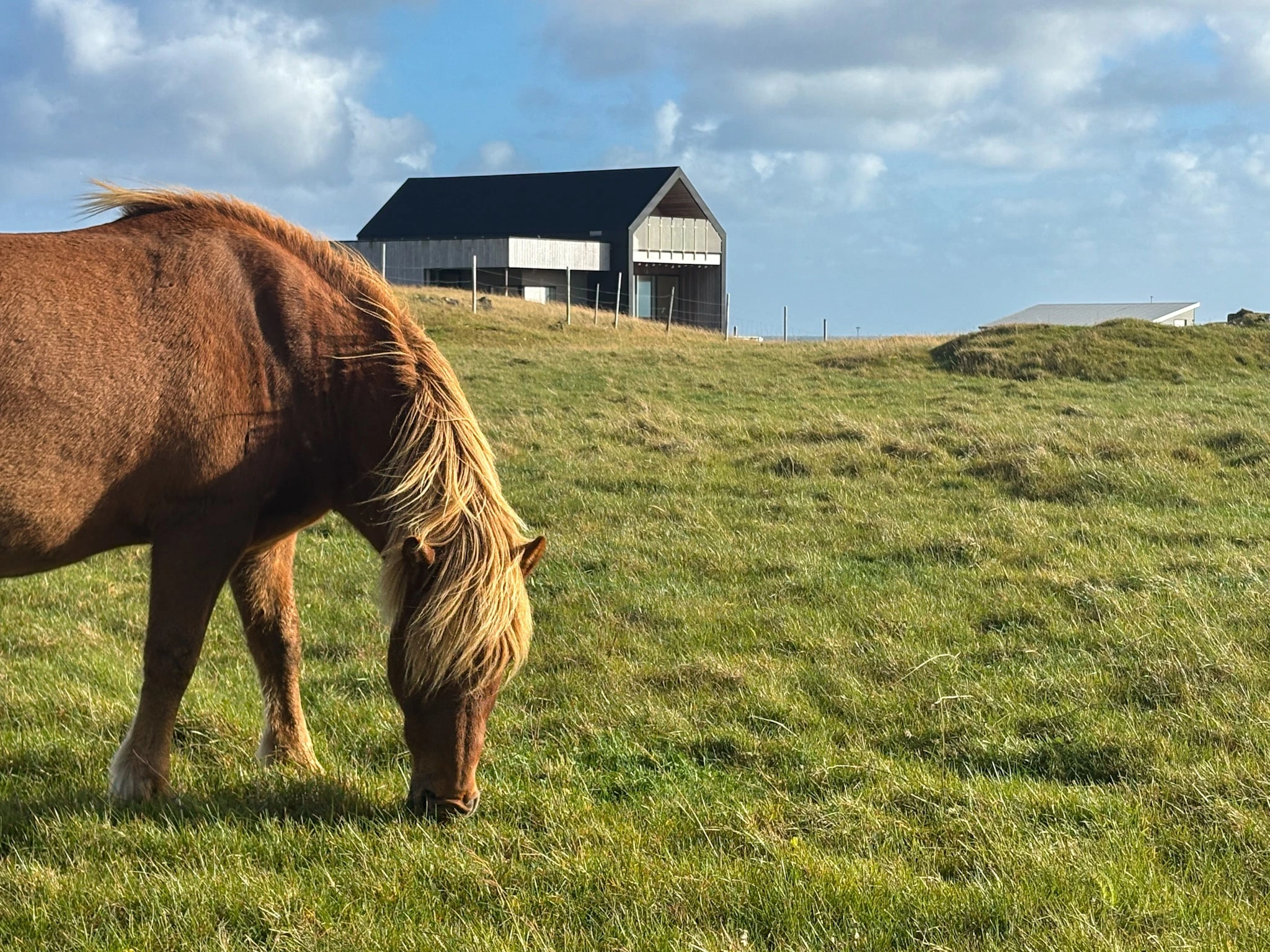
Iceland reveals itself differently with each change of region. A fjord in the west, the open farmland of the south and the volcanic terrain of the north each offer their own perspective on the country, shaped by local traditions, shifting weather and the particular character of the landscape.
The familiar landmarks remain worth seeking out, but they are only part of the experience. Staying a little longer in one place leaves room for the details that might otherwise be missed: a quiet morning overlooking the mountains, a meal rooted in local ingredients, or the last light settling over a harbour at the end of the day.
The best journeys through Iceland leave space for both discovery and the unexpected. Choosing a few regions to explore in depth, with accommodation that reflects their individual character, offers a way to experience the country beyond its most photographed sights.