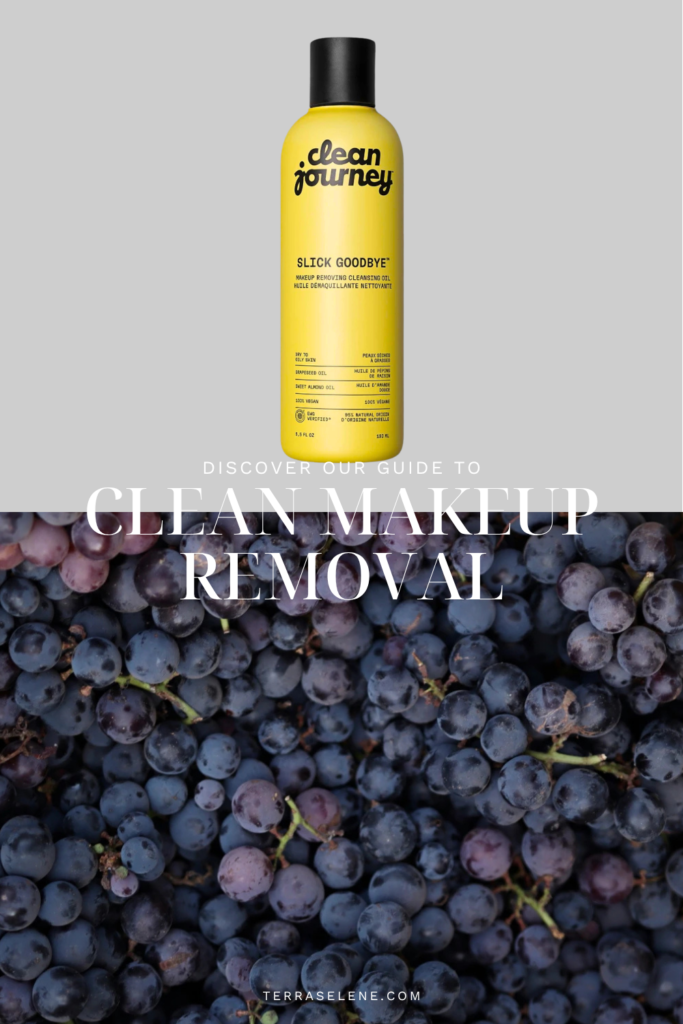
The modern makeup remover has quietly become one of the most overlooked parts of any skincare routine. Long dominated by harsh wipes, aggressive surfactants, and formulas designed for speed rather than skin integrity, the category has often prioritized convenience at the expense of the complexion itself. The best clean makeup removers take a more considered approach – removing makeup thoroughly while respecting the skin barrier, minimizing irritation, and leaving the skin balanced long after cleansing.
The shift away from traditional makeup wipes has been gradual rather than dramatic. Over the past few years, cleansing balms, oils, and gentler micellar formulas have quietly become staples in more thoughtful skincare routines, as they tend to remove makeup more effectively while placing less stress on the skin barrier. A well-formulated, clean makeup remover is designed to dissolve makeup, sunscreen, excess oil, and environmental residue without leaving the skin tight or over-cleansed afterwards. The goal is not aggressive cleansing. It is balanced; skin that feels comfortable, soft, and properly cleansed at the end of the day. What we explore are clean makeup removal formulas worth considering, the ingredients that make a difference, and the makeup removers that perform well across different skin types, sensitivities, and routines.
Some links in this post are affiliate links. That means we may earn a small commission, at no additional cost to you.
The Science Behind Like Dissolves Like: Why Oils and Balms Reign Supreme
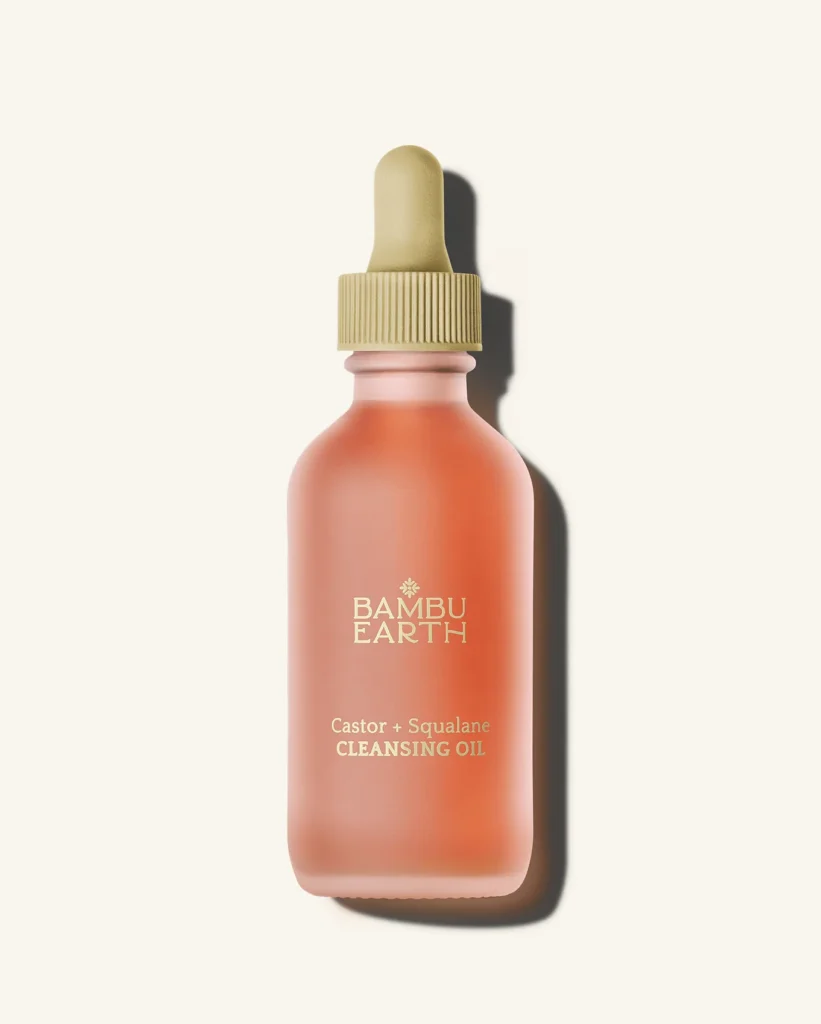

Chemistry is unsentimental about this. The pigments, film-formers, silicones, and UV filters that constitute makeup wear products for 14 hours are, by design, hydrophobic, meaning that they essentially repel water. A foaming, water-based cleanser, therefore, is unable to perform a task it is not built for. While it has the ability to lift surface oil and sweat, it is unable to lift a transfer-proof foundation.
The principle that resolves achieving a clean makeup remover is one of the oldest applications in chemistry, like dissolves like. and oil-soluble substances are dissolved by oil-soluble solvents. A well-formulated natural cleansing balm or cleansing oil is, at its core, a curated blend of lipids, jojoba, squalane, marula, and sometimes a touch of caprylic/capric triglyceride, which are chosen as their molecular structure is hospitable to the lipids already on your skin. When the cleansing balm meets your skin, it does not scrub. It binds. Pigment, sebum, mineral SPF, and the residue of a long day lift into the oil phase and rinse away together when water is introduced.
There is a second, less-discussed benefit: friction reduction. The eye area has skin roughly 40 percent thinner than the cheek. Pigment from a waterproof mascara is stubborn precisely as it is engineered to be, and the conventional wipe’s answer to stubborn is force. A balm’s answer is solvent action. It does the work a cleansing wipe asks fingertips to do, which is why dermatologists who treat under-eye laxity and milia are quietly emphatic about retiring the abrasive nightly cleansing wipe.
The skin’s acid mantle – the slightly acidic film of sebum, sweat, and amino acids that sits on the stratum corneum, equally matters here. A high-pH foaming wash, or an alcohol-heavy toner-remover, disrupts this mantle in ways the skin can repair, but only if it is not asked to repair the same disruption nightly for over a decade. A clean balm or oil sidesteps the question. It cleans by dissolution, which is why the skin underneath feels supple rather than squeaky, and why squeaky clean, once a marketing virtue, is now understood by formulators as a small daily injury.
HOW IT WORKS: THE TWO-PHASE CLEANSE
A cleansing balm begins in a solid formation, warms to a liquid oil against the skin, then, when emulsifiers in the formula combine with water, it transforms into a milky, rinse-clean face wash. The visual transformation is not theater. It is what results in the absense of a greasy residue, which was the historical objection to oil cleansing and the reason why facial wipes have been the go to makeup remover.
The Curated Edit: Best Clean Makeup Removers That Leave Nothing Behind
There is no single clean makeup remover. There is the right clean makeup remover for a specific texture, a specific climate, and a specific kind of lifestyle. The categories that earn a place on a considered skincare shelf, and the criteria, whether you are shopping Credo Beauty, The Detox Market, or any retailer with a published clean beauty standard, fall into four tiers, including one honest exception.
Cleansing Balm
Ideal For: Heavy makeup days and dry skin
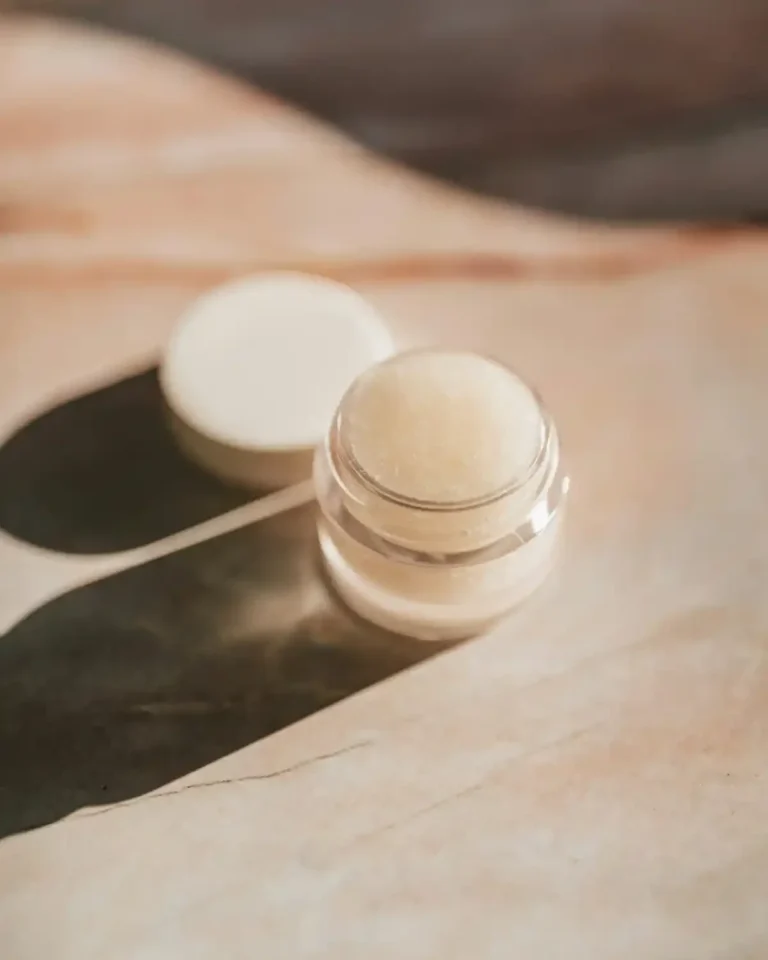
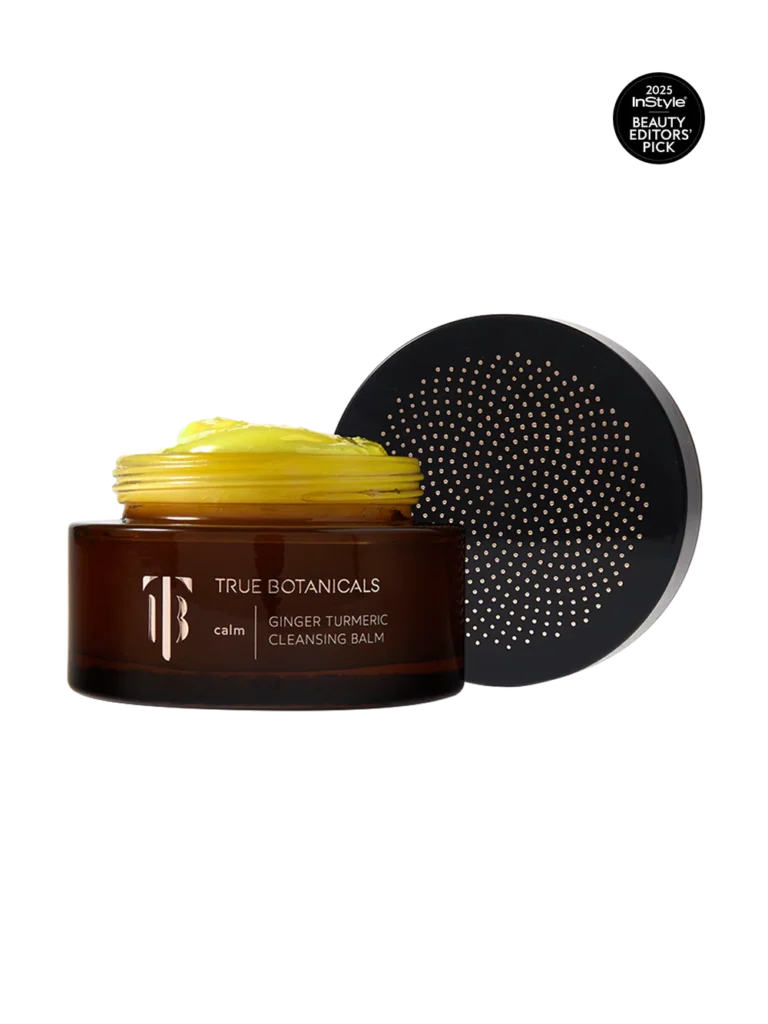
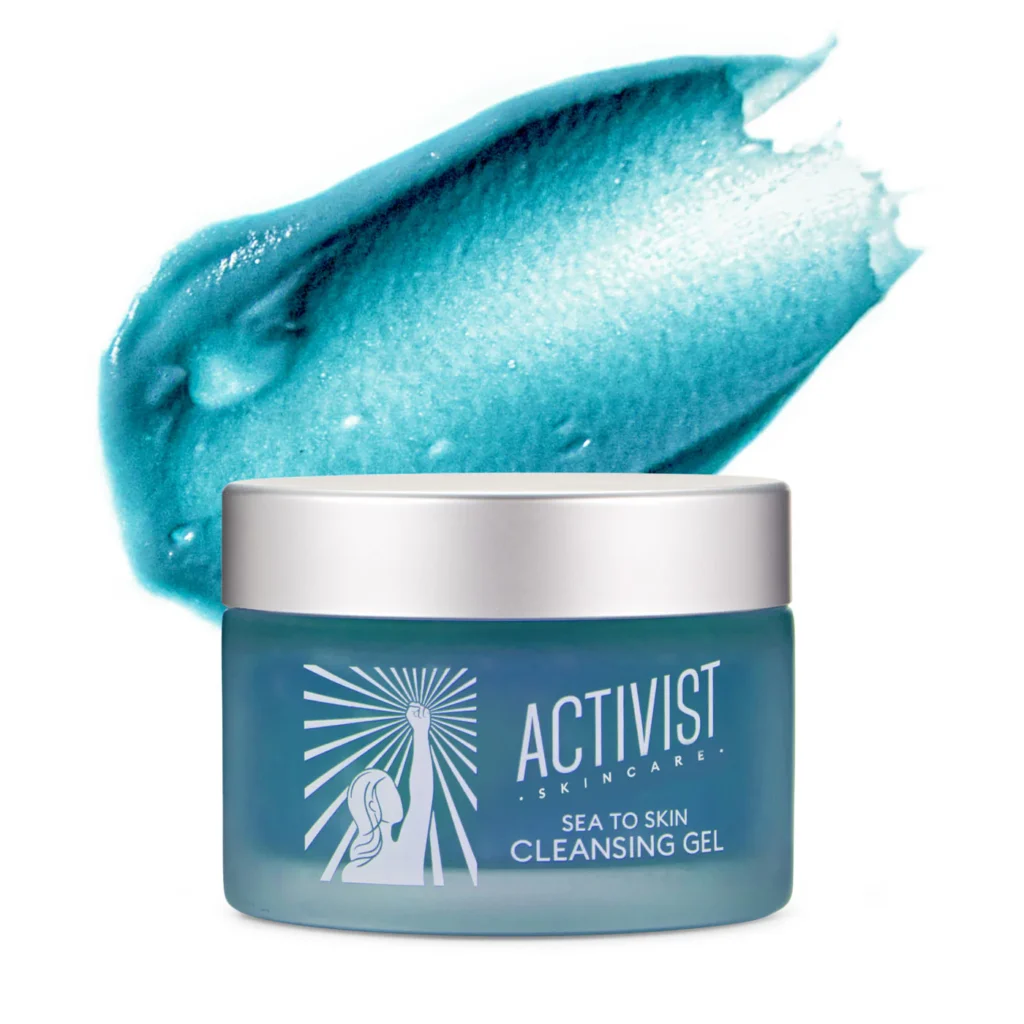
The cleansing balm is at the heart of the clean makeup remover edit. An effective cleansing balm is dense, almost waxy at room temperature, scoops cleanly with a small spatula, and warms in the palms of your hand to a thin oil within seconds. Look for a base of plant butters and oils, such as shea, jojoba, sunflower seed, marula, and an emulsifier that allows it to rinse cleanly. Avoid cleansing balms that lean on synthetic fragrance, as they are meant to capture a spa appeal; the spa appeal of a balm should come from the texture, not the perfume. Brands such as Then I Met You, Tatcha, and One Love Organics have set the bar here; The Detox Market’s “Cleansing Balm” category is a useful starting filter for anyone building their skincare shelf around organic skincare formulas.
Botanical Oil
Ideal For: Minimalists, oily skin, and sensitive eyes
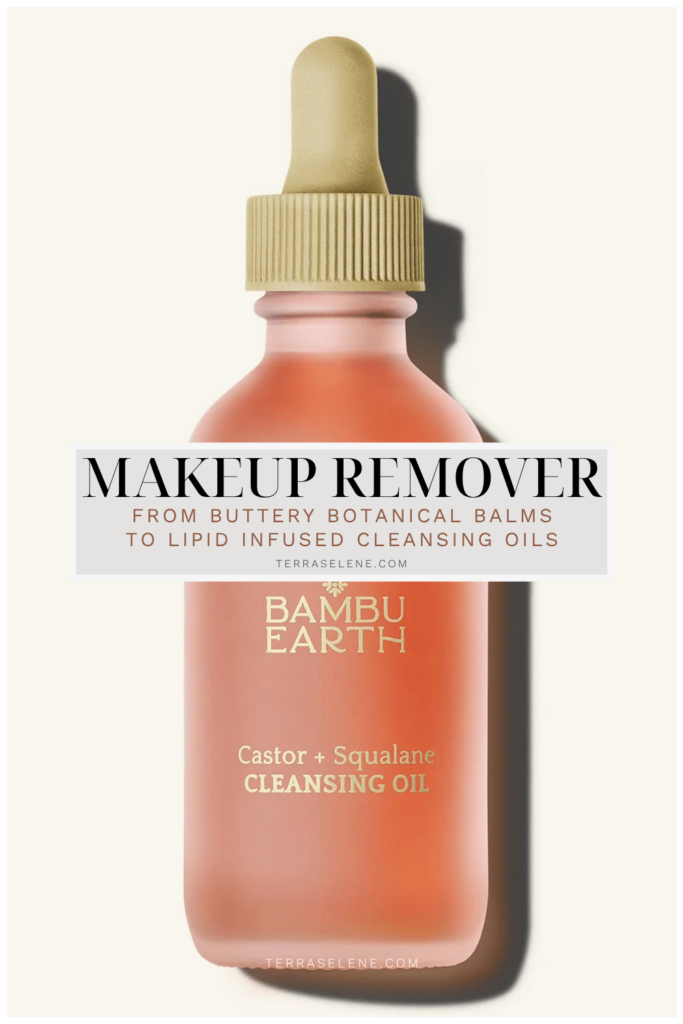
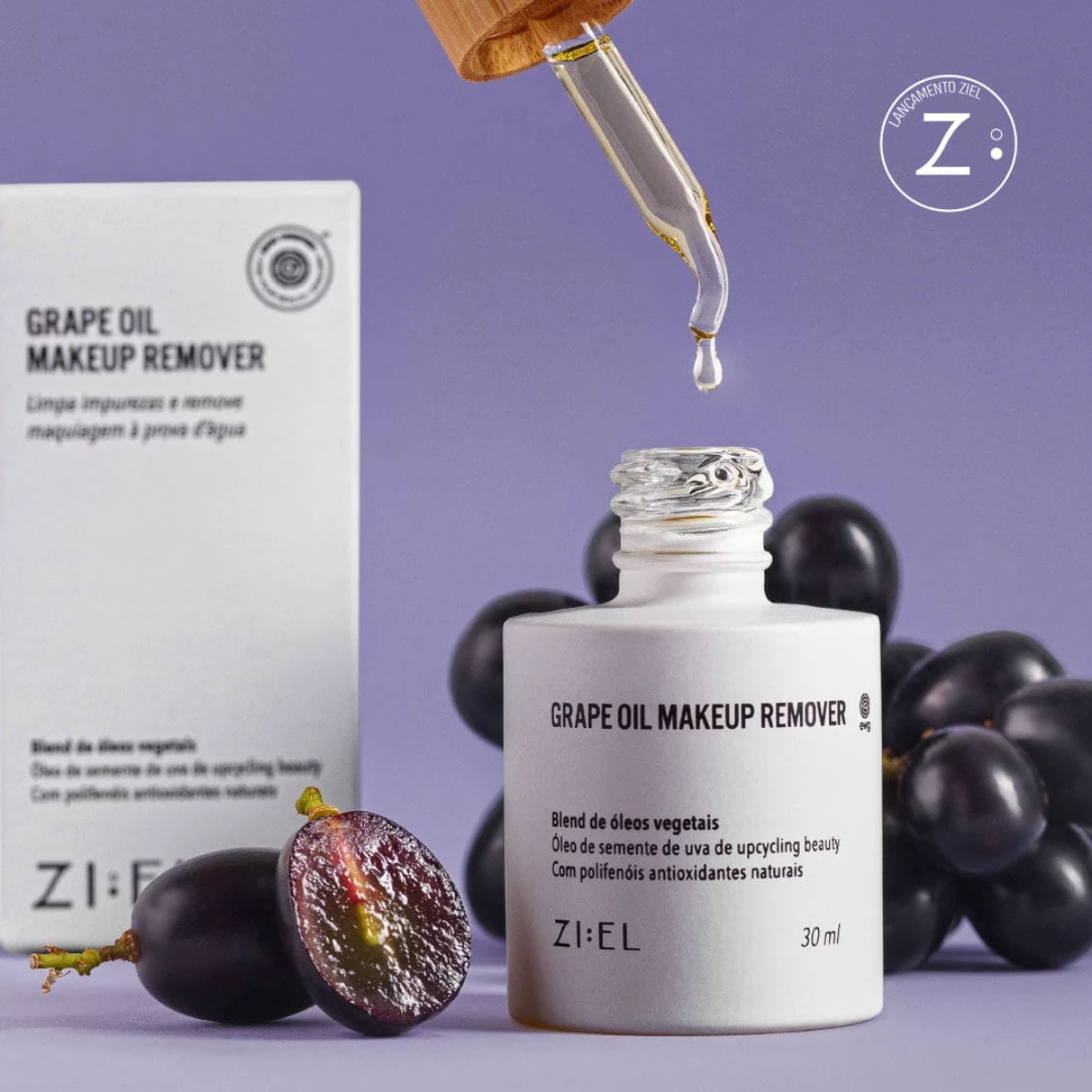
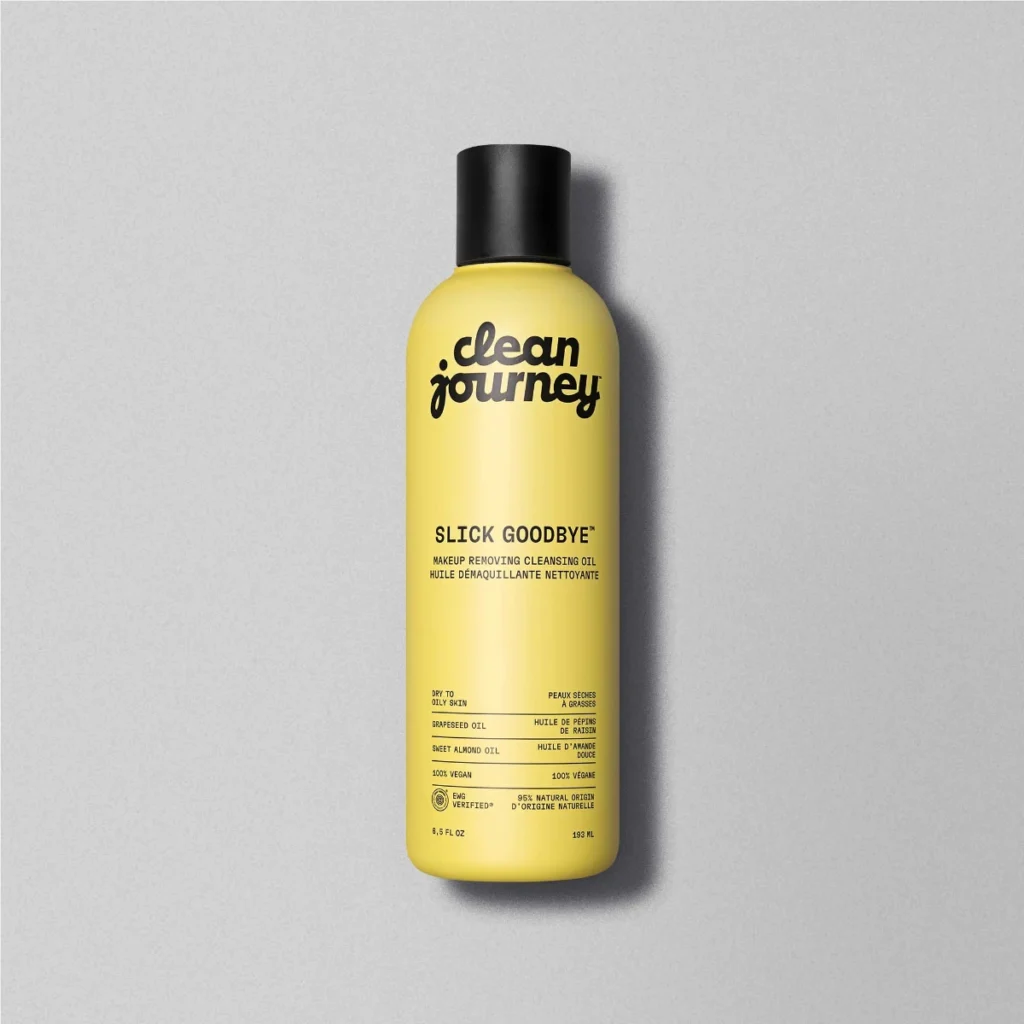
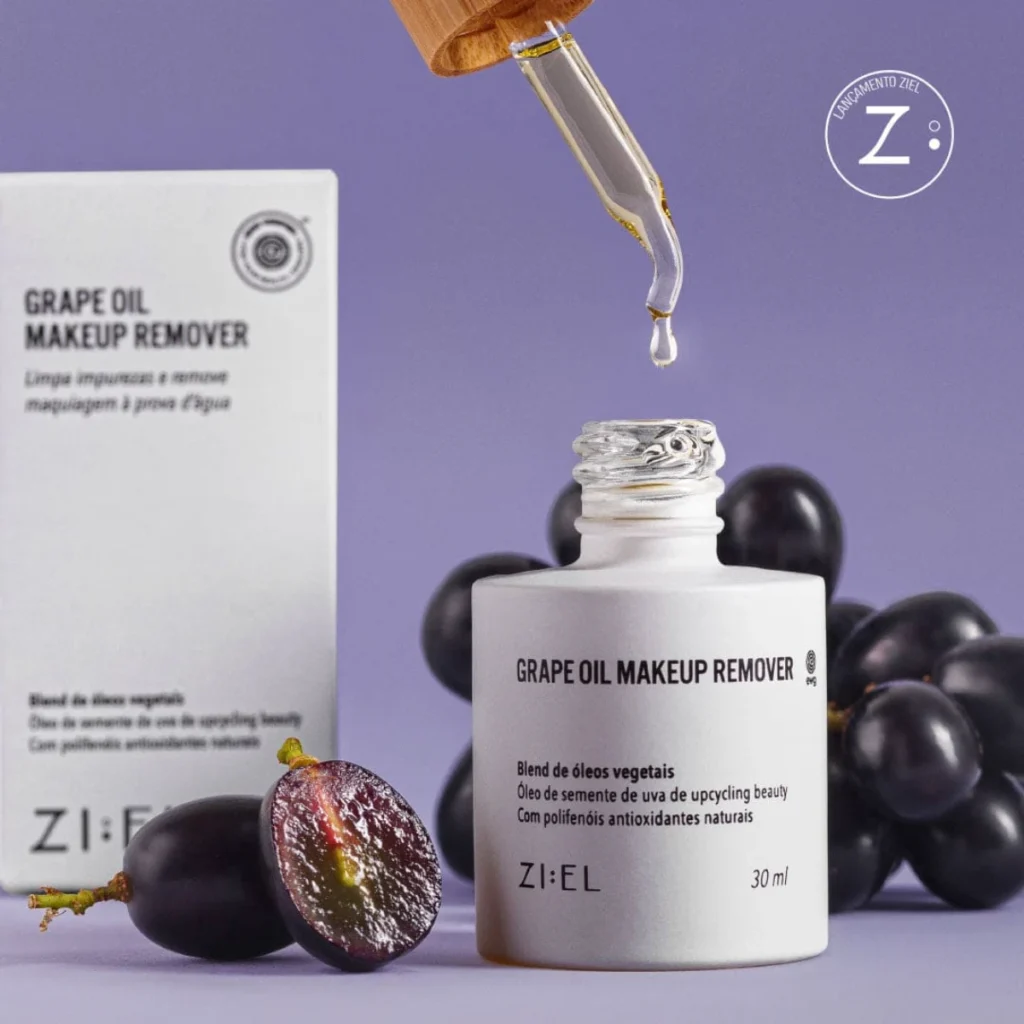
A single-ingredient or near-single-ingredient botanical oil is the most pared-back option when considering a clean makeup remover. The counterintuitive truth is that oil cleansing works particularly well on oily and acne-prone skin, as dissolving sebum with a compatible lipid is gentler than emulsifying it with a detergent. Squalane, plant-derived, weightless, and non-comedogenic, and jojoba, technically a wax ester and structurally similar to human sebum, are the two most reliable choices. Kosas’s Jet Lag Oil and Kosmea‘s certified-organic rosehip oil are apt examples of botanical oil which reside in the considered tier of clean makeup removal products.
Micellar
Ideal For: Second cleanse, post-gym, and travel
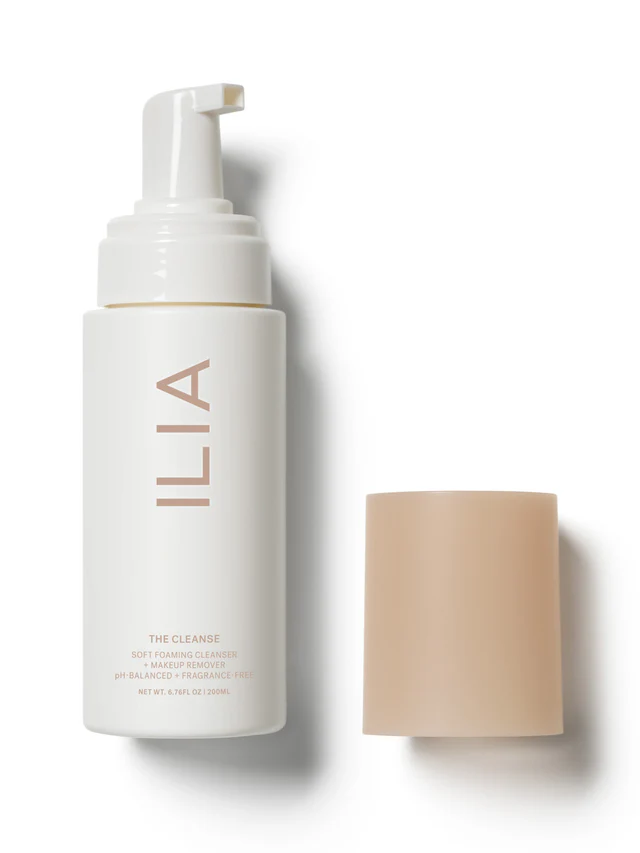
Micellar water is the non-toxic makeup remover’s pragmatic workhorse. It is not, in most cases, sufficient on its own to remove a full face of long-wear makeup. When applying a more considered routine, it applies micellar water as a second step after a cleansing balm or oil, or as a stand-alone for a lighter day. Look for micellar formulations that are void of SD alcohol in the top half of the ingredient list, and reach for the ones with added humectants, such as glycerin, panthenol, and allantoin, which leave the skin nourished and hydrated rather than thirsty.
Cleansing Wipes
Ideal For: Post-gym
The quietly held secret of the clean beauty world is that there is a legitimate fourth category. The objection to cleansing wipes has never really been the format. The objection has been the mass-market formulation: a polyester non-woven substrate soaked in a cocktail of harsh surfactants, synthetic fragrances, and preservatives like methylisothiazolinone, used with the kind of mechanical drag that asks the eyelid skin to bear what the dermis should not.
A well-formulated, clean facial wipe is a different kind of clean makeup remover. It runs on a biodegradable bamboo or cotton substrate, and is saturated in a micellar or oil-based solution rather than a detergent one, omits synthetic fragrance and the common sensitizer preservatives, and lists a transparent INCI deck that bears scrutiny. Used occasionally, after a workout when access to a sink is genuinely limited, or on the descent of a long-haul flight, a clean facial wipe is a defensible tool. The discipline is to keep it occasional, to use the gentlest pressure the format allows, and to follow with hydration shortly afterwards.
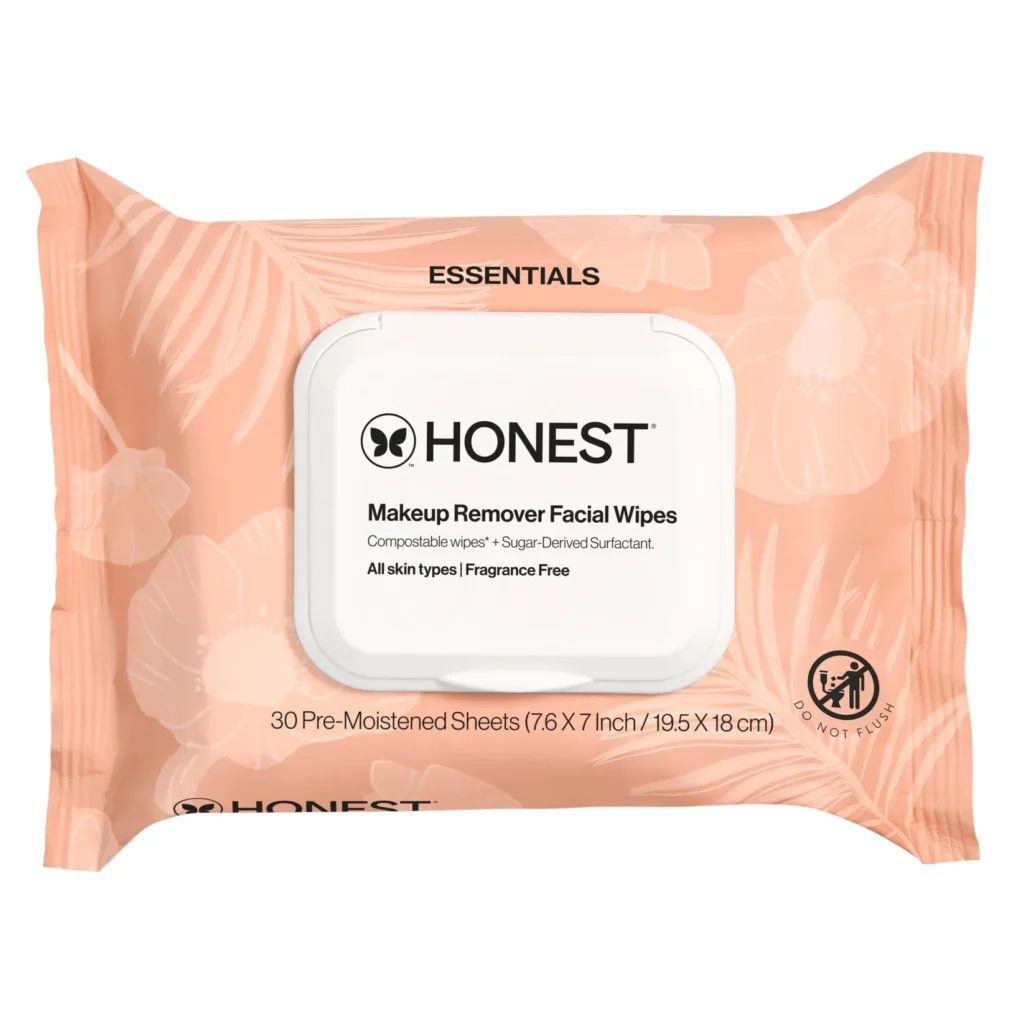
A short comparison, for the considered clean beauty shelf:
| CATEGORY | BEST FOR | WHAT TO LOOK FOR | WHAT TO AVOID |
|---|---|---|---|
| Balm | Heavy makeup, dry skin, ritual | Plant butters, clean emulsifier, no synthetic fragrance | Mineral oil base, vague “essence” perfumes |
| Oil | Oily skin, eye area, minimalists | Squalane, jojoba, marula, transparent INCI | Comedogenic carriers (coconut for some), citrus oils for sensitive skin |
| Micellar | Second cleanse, travel, light days | Glycerin, low-tier surfactants, no SD alcohol high in list | Alcohol-forward, fragrance, single-use cotton pads (use reusable rounds) |
| Clean Wipe | Post-gym, in-transit, honest exceptions | Biodegradable substrate, micellar or oil base, fragrance-free | Polyester non-woven, MIT/MCI preservatives, daily reliance |
68 percent of consumers actively seek out skincare brands made with clean ingredients, prioritizing purity over brand name. The implication for the considered buyer is that the legacy beauty heritage of a label matters less, now, than the legibility of its ingredient list.
For more on clean beauty:
- Reusable Makeup Remover Pads Made with Sustainable Materials
- Radiant Skin through Clean, Organic Makeup
- Natural Cleansing Balm: Your Complete Guide to Gentle, Effective Makeup Removal
- Organic Products for Skin: Glow Better with Clean Formulas
Clean Removal on The Go
Travelers are the honest consumers for whom the clean beauty routine gets tested first. Hotel skin is dehydrated skin, cabin pressure, hard water, and unfamiliar climate, and the temptation to default to whatever the gift shop sells is real and well-funded. The discipline is to assemble a kit that fits the calculus of a carry-on, leaning on the best clean makeup removers in their travel formats:
- A solid cleansing balm in a screw-top tin. This fully eliminates the TSA’s 3-1-1 liquids restriction and prevents leakage in any suitcase.
- A 100ml micellar water. This fits TSA limits, requires no rinsing, and doubles as a quick refresh after a long-haul flight before re-applying skincare.
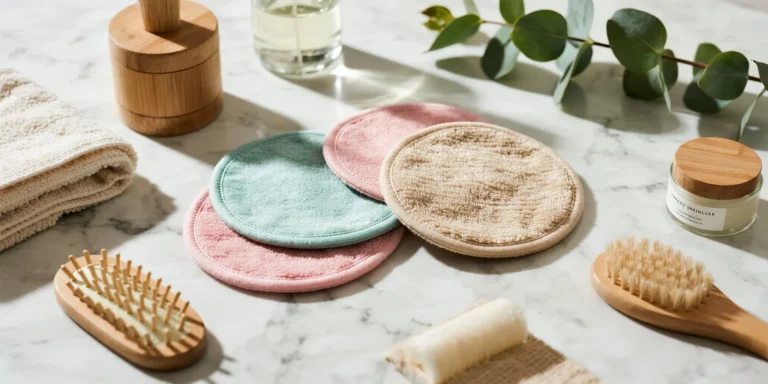
- Reusable bamboo or cotton flats in a small linen pouch, the sustainable answer to the cotton-round-and-tissue waste that a hotel bathroom otherwise generates.
- A travel-size pure oil in a 30ml glass dropper. For the eye area, where harsh, unfiltered hotel water and dehydration combine to make cleansing wipe-friction at peak.
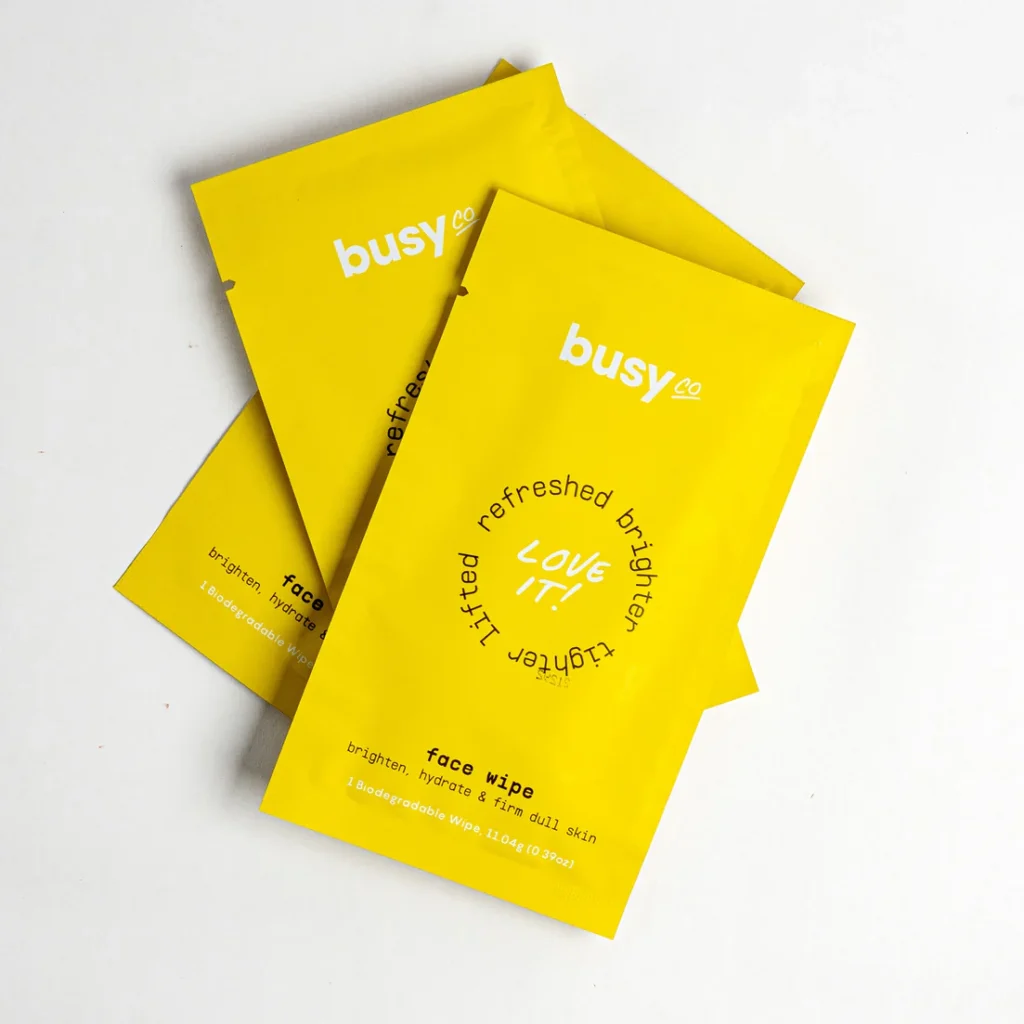
- A small pack of clean, biodegradable wipes. Kept in the seat-back pocket for easy access.
Micellar water is particularly well-suited for travelling, as it requires no rinsing and avoids the drying alcohols that are common ingredients in traditional toners.

What Dermatologists Recommend for Clean Makeup Removal?
The answer is more nuanced than online wellness resources suggest, and it is worth considering. Dermatologist-recommended products tend to be the gold standard and evidence-based, which separates wishful thinking from clinical reality.
frequently asked questions
Beyond Purity: The Ethics of Your Evening Routine
The global volume of single-use facial cleansing wipes sold annually runs into the tens of billions, and the substrate of most conventional flushable beauty wipes is a polyester-polypropylene blend that does not biodegrade in any meaningful timeframe. Municipal sewer systems in London, New York, and Sydney have publicly attributed multi-ton “fatbergs”, congealed masses of fat and non-woven fiber, substantially to cleansing wipes that were marketed as disposable and behaved as anything but. The clean beauty routine is, by elimination, a closed-loop: a glass jar refilled, a cotton pad laundered, a bottle returned, and, when cleansing wipes are used, a biodegradable substrate that breaks down rather than persists. The choice extends naturally to the rest of any skincare routine, where clean organic makeup closes the loop on the products being removed in the first place.
40.2 percent of consumers now prioritize natural ingredients above all other factors when selecting beauty items. That is not a fringe statistic. It is the new center of the market.
For conscious clean beauty shoppers, the proxy for trust has shifted from heritage brands to verifiable standards. The Environmental Working Group’s Skin Deep database rates individual makeup removers on ingredient hazard and data transparency, and is a useful counterweight to marketing language. Credo Beauty’s Clean Standard publishes a banned-ingredient list of more than 2,700 substances and refuses to stock formulations that include them. Neither standard is perfect; however, EWG’s hazard ratings have been critiqued for conflating ingredient doses and exposure, and retailer standards are commercially shaped, both of which raise the floor in a category that has historically had almost none.
The Quiet Return
The shift toward incorporating a clean makeup remover is, in the end, less a product decision than a position. It is the recognition that skin that is treated with restraint over the years looks different from skin that has been negotiated with nightly. The best clean makeup removers are the instruments of that position, four small objects on a counter that quietly reorder the close of the day: a cleansing balm, a cleansing oil, a bottle of micellar water, and, when the night calls for it, a considered wipe.
Our review of clean makeup removers is built on the same principle that organizes the rest of your skincare routine. Ingredients that respect the barrier. Formulations that work on the makeup products that people actually wear. A short shelf, carefully chosen, rather than a drawer of half-used compromises. The reward is the one that does not advertise itself: skin that looks, a year from now, like skin that has been allowed to keep its own quiet equilibrium.
Pin This for Later