Natural Cleansing Balm: Your Complete Guide to Gentle, Effective Makeup Removal
There is a reason natural cleansing balm has quietly become a cornerstone of modern skincare routines. For many, cleansing has long felt like a necessary disruption, a step that removes makeup but also strips comfort, moisture, and calm from the skin. Foaming washes squeak. Micellar waters require repetition. Makeup wipes rely on friction rather than care.
A natural cleansing balm offers a different experience entirely. Solid at first touch, it softens with warmth, then melts into a fluid oil that dissolves makeup, sunscreen, and accumulated residue without resistance. There is no tugging, no overworking the skin. What remains is skin that feels supple, balanced, and intact.
As more people move away from harsh cleansers, there is a growing interest in organic skincare and a demand for products that are free from synthetic ingredients. If you would like to discover how a curated range of organic skin staples elevates radiance while honoring barrier health, our related feature offers deeper insight. When formulated with plant oils, botanical waxes, and nourishing butters, a natural cleansing balm supports the skin barrier rather than challenging it. This matters more than ever as daily SPF use, long-wear formulas, and environmental exposure become the norm. Cleansing is no longer just about removal. It is about preservation.
What follows explores how natural cleansing balms work, what distinguishes them from other cleansers, how to choose the right formula, and how to use one with intention. Whether you are refining an existing routine or beginning again, this is a foundation worth understanding.
Some links in this post are affiliate links. That means we may earn a small commission, at no additional cost to you.



Young woman with bare glowing skin posing in soft window light, arm raised behind head.
What You’ll Discover
What is a Natural Cleansing Balm
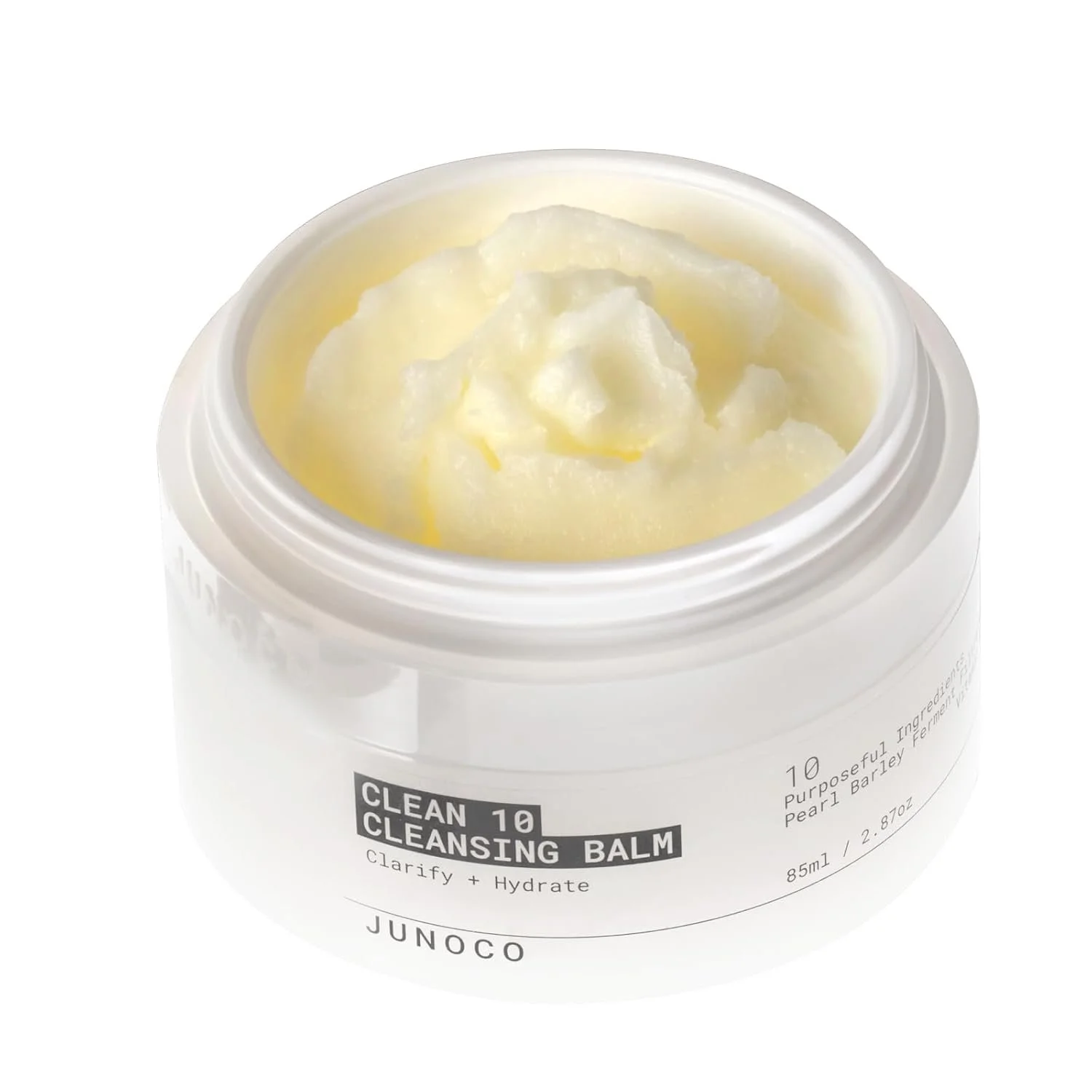
Open JunoSkin Clean 10 cleansing balm jar with white lid leaning back, shot on a cool gradient background.
A natural cleansing balm is a solid oil-based cleanser made from plant butters, seed oils, and botanical waxes. These balms typically feature key ingredients such as plant oils, butters, and waxes, which are chosen for their natural and functional benefits to support skin health and effective cleansing.
The defining feature is transformation. When warmed between the fingers, the balm melts into an oil that dissolves makeup, sunscreen, and excess sebum. When water is introduced, gentle emulsifiers turn that oil into a milky rinse that lifts impurities away cleanly.
Key distinctions include the absence of petroleum-based ingredients, the ability to rinse clean with water, and the use of skin-compatible oils that support barrier health. A natural cleansing balm is designed to remove waterproof makeup, high-SPF sunscreen, and pollution particles in a single step, without leaving skin tight or depleted.
Why Choose a Natural Cleansing Balm
In 2025, people are moving away from disposable makeup wipes and harsh foaming gels. The shift toward natural cleansing balm reflects a broader reevaluation of how skin should be treated. Rather than aggressive surfactants and disposable products, many now prioritize barrier protection, sensory comfort, and reduced waste. Natural cleansing balms are increasingly seen as an essential step in a holistic skin care routine, complementing other skin care products like serums and moisturizers for overall skin health.
Here’s what makes natural balms worth the switch:
Effective makeup and SPF removal: Quality formulas can remove over 99% of long-wear makeup and high-SPF sunscreen without aggressive rubbing. The principle is simple: oil dissolves oil. Dirty oil, sebum, and oil-based cosmetics break down on contact with the balm’s plant oils.
Non-stripping cleanse: Fatty acids from ingredients like shea butter, cocoa butter, and sunflower oil cleanse thoroughly without leaving that tight, uncomfortable skin feeling. These balms help keep your skin soft and nourished, maintaining moisture and supporting a healthy skin barrier. Studies show oil cleansers can reduce transepidermal water loss by 20–30% compared to stripping alternatives.
Skin nourishment during cleansing: Instead of just removing things, you’re adding value. Antioxidants from oils like grapeseed oil and vitamin E protect against environmental stressors. Soothing botanicals like calendula and green tea extract calm the skin as they clean.
Good for all skin types: Whether you have dry skin craving moisture, oily skin needing oil control, or sensitive skin that reacts to everything, there’s a balm formulation that works. The key is matching your skin type to the right ingredient profile.
Eco and lifestyle perks: A single jar replaces stacks of disposable wipes. The solid format passes airport liquid restrictions, making it perfect for travel. And a little goes a long way, so one container lasts for months.
Natural cleansing is about working with your skin’s biology rather than against it. The “like dissolves like” principle means oil-based formulas attract and lift away impurities without the harsh surfactants that disrupt pH balance.
Key Natural Ingredients to Look For
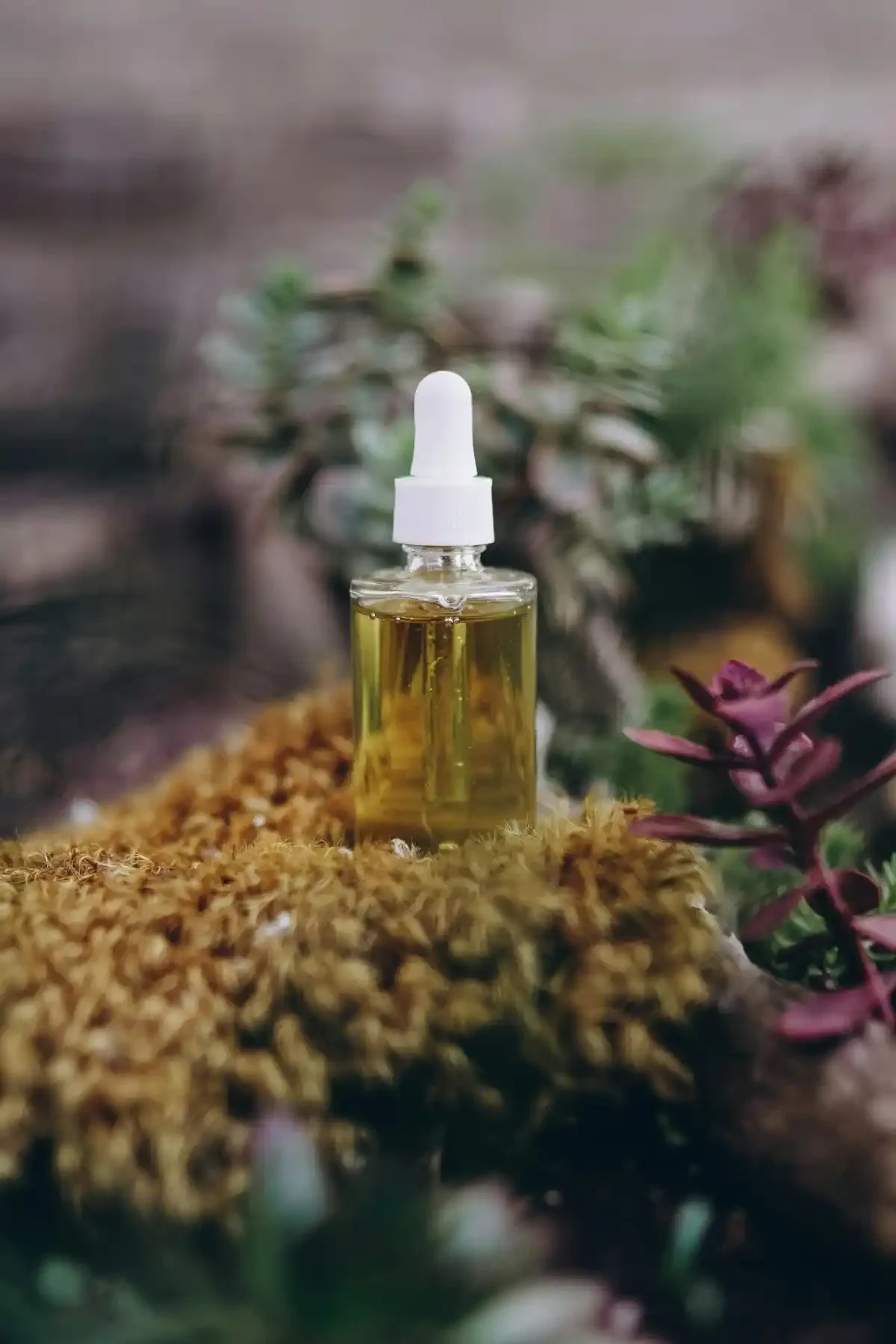
Glass dropper bottle of golden face oil resting on moss with blurred succulents in background.
Ingredient lists reveal how gentle, effective, and truly “natural” a cleansing balm is. Here’s what to prioritize when evaluating formulas:
Plant oils and esters: Sunflower seed oil, olive oil, grapeseed oil, and jojoba oil form the cleansing base. Caprylic/capric triglyceride (derived from coconut oil) adds slip and helps dissolve makeup. These oils support barrier function while breaking down impurities.
Plant butters and waxes: Shea butter, cocoa butter, and mango butter give the balm its solid, sorbet-like texture. Berry seed wax and sunflower wax act as natural solidifiers. These ingredients melt at skin temperature and deliver deep moisturization.
Antioxidant botanicals: Moringa, green tea extract, sea buckthorn, and rosemary extract protect skin from environmental stressors like pollution and UV exposure. Vitamin E (tocopherol) is a common addition that also extends shelf life.
Soothing and calming ingredients: Calendula, chamomile, oat extract, and centella asiatica (cica) are ideal for sensitive skin or anyone prone to redness. These botanicals reduce irritation during the cleansing process.
Natural essential oils: Citrus aurantifolia (lime oil) can provide a fresh scent and potential brightening benefits. Other options include sweet orange or lemon oil, which add a pleasant aroma and may help revitalize the skin.
Fruit enzymes for gentle exfoliation: Papaya or pineapple extract provides light enzymatic action, helping lift impurities and smooth texture without rough physical scrubs. This is particularly helpful for dull or congested skin.
What to limit or avoid: High fragrance loads can irritate reactive skin. Some essential oil combinations, while providing a pleasant natural scent or natural fragrance, may be too strong for daily use. If you’re acne prone, watch for potentially pore-clogging waxes and opt for formulas labeled non-comedogenic.
Who Can Use a Natural Cleansing Balm
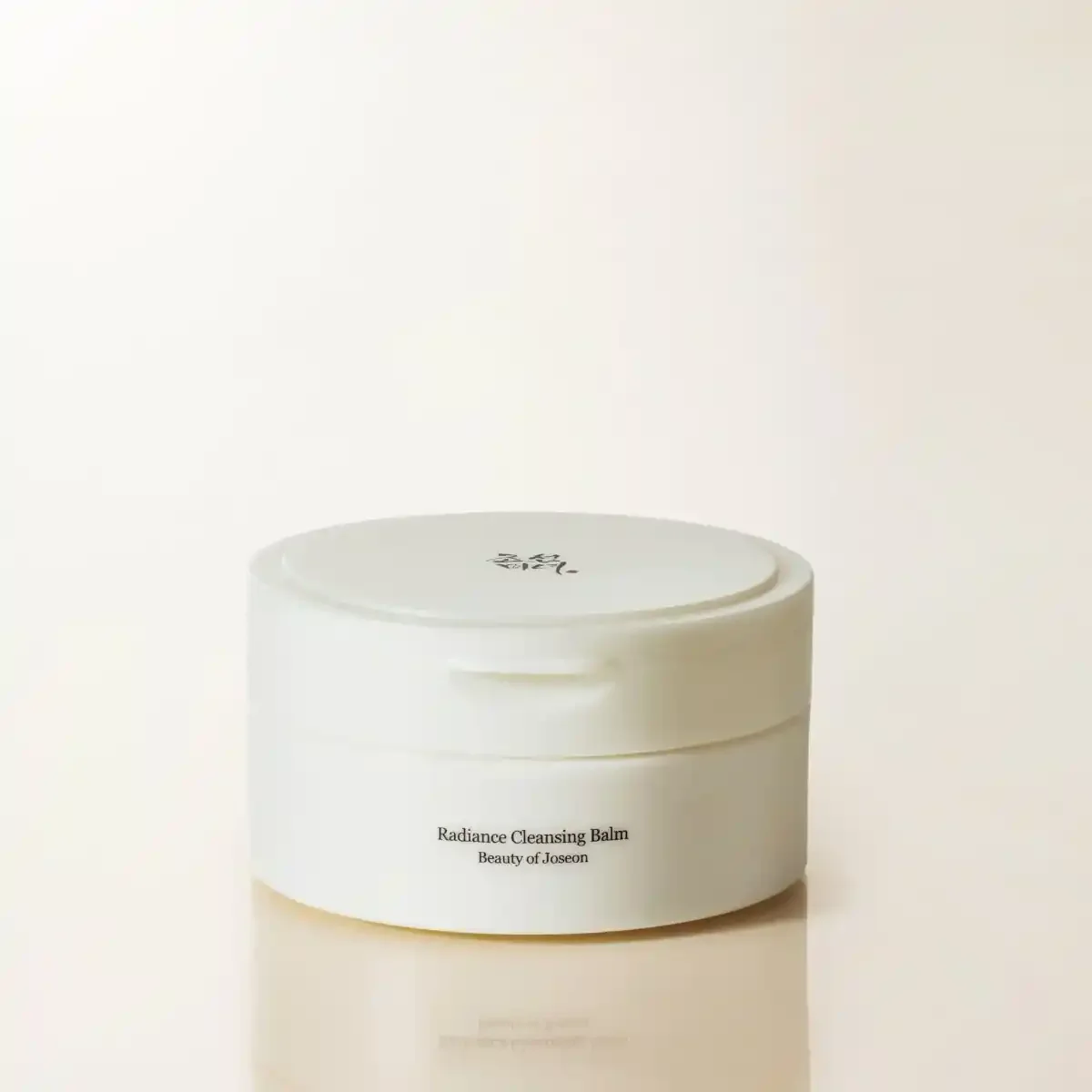
Minimal white tub of Beauty of Joseon Radiance Cleansing Balm shot on a soft beige reflective surface.
Natural cleansing balms can suit all skin types, but technique and formula choice matter. The right balm for dry skin in winter isn’t necessarily the right balm for oily skin in summer.
Dry and dehydrated skin benefits from richer formulas packed with shea butter, cocoa butter, and glycerin. These ingredients replenish moisture levels that central heating, cold weather, and harsh climates strip away. Look for avocado oil and coconut oil in the ingredient list for extra nourishment.
Oily and acne prone skin might seem like a contradiction with oil-based cleansing, but the opposite is true. Oil dissolves oil, including the excess oil clogging pores. The key is choosing lighter oils, grapeseed oil, sunflower oil, and hemp seed oil, and ensuring thorough rinsing or following with a water-based second cleanse. Jojoba oil is particularly helpful because it mimics skin’s natural sebum and can help regulate oil production without clogging pores.
Sensitive and redness-prone skin needs fragrance free or essential-oil-free balms with minimal ingredient lists. Cica, calendula, oat, and chamomile extracts soothe reactivity. If your skin flares easily, test any new product on a small area first.
Mature skin benefits from formulas boosted with vitamin E, sea buckthorn, rosehip, and collagen-supporting botanicals. These ingredients help with suppleness and address the dryness that often accompanies aging skin.
Who Can Use a Natural Cleansing Balm
Natural cleansing balms can suit all skin types, but technique and formula choice matter. The right balm for dry skin in winter isn’t necessarily the right balm for oily skin in summer.
Dry and dehydrated skin benefits from richer formulas packed with shea butter, cocoa butter, and glycerin. These ingredients replenish moisture levels that central heating, cold weather, and harsh climates strip away. Look for avocado oil and coconut oil in the ingredient list for extra nourishment.
Oily and acne prone skin might seem like a contradiction with oil-based cleansing, but the opposite is true. Oil dissolves oil, including the excess oil clogging pores. The key is choosing lighter oils, grapeseed oil, sunflower oil, and hemp seed oil, and ensuring thorough rinsing or following with a water-based second cleanse. Jojoba oil is particularly helpful because it mimics the skin’s natural sebum and can help regulate oil production without clogging pores.
Sensitive and redness-prone skin needs fragrance free or essential-oil-free balms with minimal ingredient lists. Cica, calendula, oat, and chamomile extracts soothe reactivity. If your skin flares easily, test any new product on a small area first.
Mature skin benefits from formulas boosted with vitamin E, sea buckthorn, rosehip, and collagen-supporting botanicals. These ingredients help with suppleness and address the dryness that often accompanies aging skin.
This section is informational only and not medical advice. If you have specific skin conditions or concerns, a dermatologist can provide personalized guidance.
How to Use a Natural Cleansing Balm
Following the right method maximizes makeup removal and minimizes residue or breakouts. Here’s the process that works:
Step 1: Start on dry skin: Scoop about a blueberry to marble-sized amount with clean, dry fingers or a spatula. Warm the balm between your fingertips until it softens and begins to melt into an oil.
Step 2: Massage thoroughly: Apply to dry face using circular motions for 30–60 seconds. Focus on areas with heavier makeup, SPF, or congestion. Use gentle pressure, no need to scrub. This step is where the balm does its work, dissolving long-wear foundation and built-up impurities.
Step 3: Eye makeup removal: Close your eyes and glide the balm over lashes and lids. Let it sit for a few seconds to break down waterproof mascara and eyeliner. Then, with closed eyes, gently wipe or massage away the product. Avoid rubbing harshly, the balm does the dissolving for you.
Step 4: Emulsify with water: Add a splash of lukewarm water to your face. Massage again briefly. The balm will turn into a milky lotion as emulsifiers activate, lifting away makeup, pollution, and dirty oil.
Step 5: Rinse or wipe: Either rinse thoroughly with lukewarm water or use a soft, damp washcloth to gently wipe away residue. A muslin cloth works well for this step and provides mild physical exfoliation.
Step 6: Follow with a water-based cleanser: For those who wear heavy makeup, apply SPF 30+ daily, or have acne prone skin, the double cleanse method is essential. Use a gel or cream cleanser or a gentle face wash after the balm to ensure pores are completely clean.
The double cleanse routine, balm first, water-based cleanser or gentle face wash second, is the gold standard for thorough cleansing without over-stripping. If you only wear light makeup or none at all, a single cleanse with the balm may be sufficient.
Natural Cleansing Balm vs. Other Cleansers
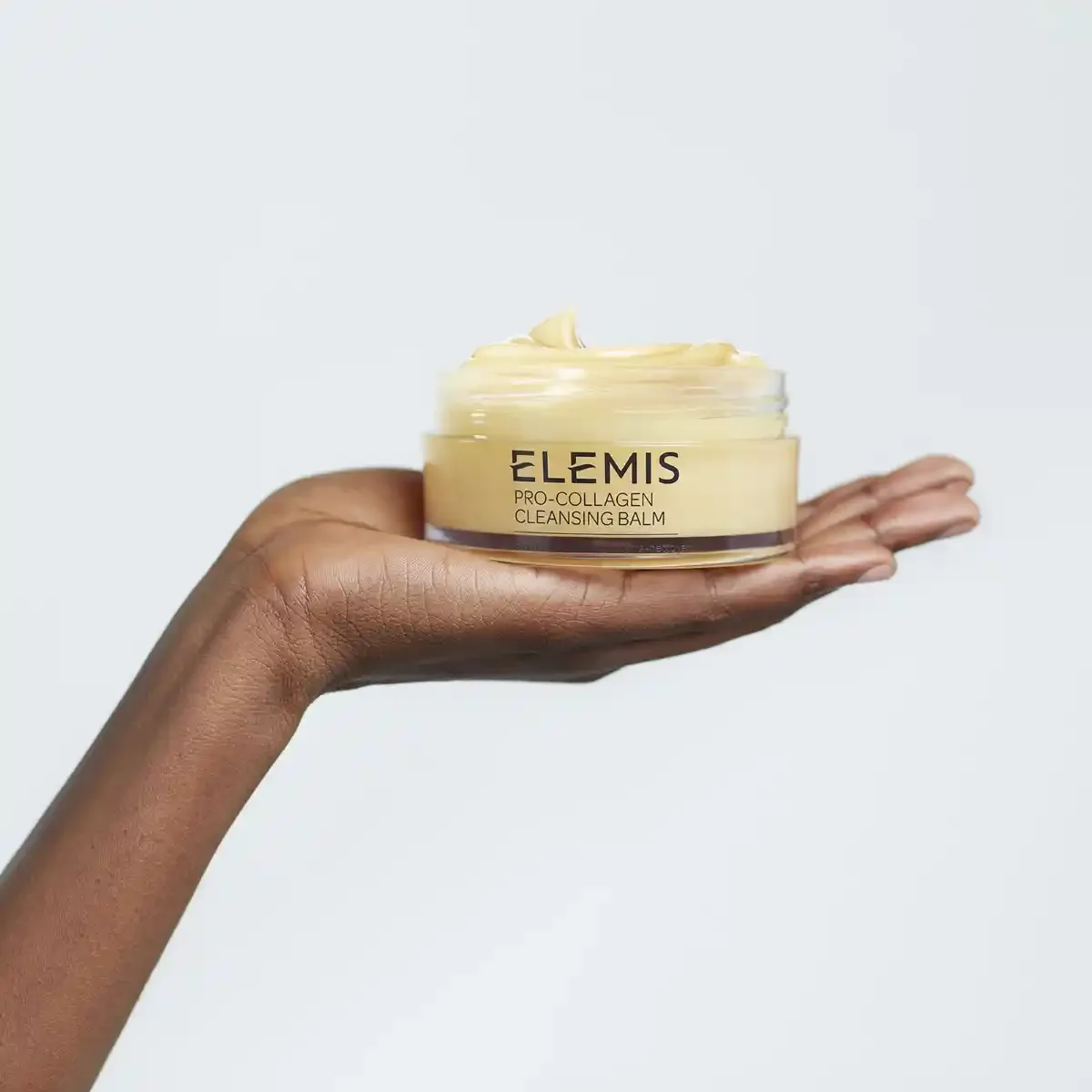
Hand holding a jar of Elemis Pro-Collagen Cleansing Balm against a light grey backdrop.
Cleansing balms occupy a specific niche in the skincare world. Understanding where they fit helps you build the most effective cleansing routine.
Versus foaming and gel cleansers: Balms remove heavy makeup and SPF more effectively because oil attracts oil. Foaming cleansers excel at cleaning bare or lightly made-up skin, but can be drying; their surfactants strip natural oils along with impurities. If you wear makeup daily, a balm handles the first step better than foam ever could.
Versus micellar water: Micellar water is convenient and works well for light makeup, but heavy coverage requires multiple cotton pads and significant wiping. That means more waste and more friction on your skin. For removing the toughest makeup, like long-wear foundation or waterproof formulas, balms are more thorough with less effort.
Versus makeup wipes: Wipes are harsh on skin, ineffective on waterproof makeup, and terrible for the environment. They require rubbing, which tugs at delicate skin, especially around the eyes. A cleansing balm with a reusable cloth accomplishes more with less irritation and less landfill contribution.
The ideal pairing: Use a cleansing balm as step one to melt makeup and SPF, then follow with a gentle water-based cleanser to cleanse pores. This double cleanse approach, popularized by K-beauty, gives you the benefits of both oil cleansers and water-based formulas.
How to Make a Simple Natural Cleansing Balm
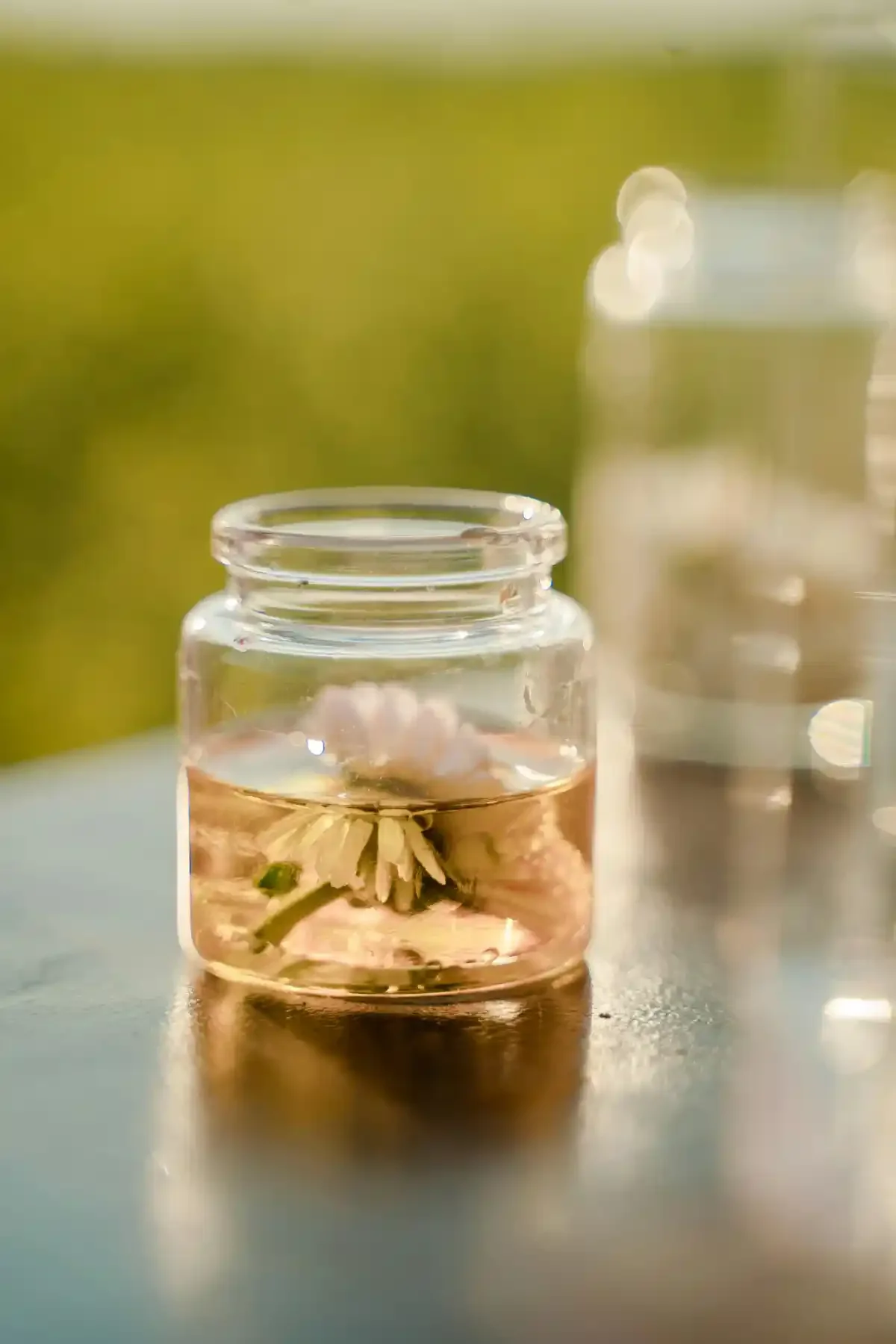
Small clear jar containing a single white blossom steeping in light pink botanical tonic outdoors.
Making your own balm gives you complete control over the ingredients and costs a fraction of what store-bought options do. This basic outline creates a 50-100g batch.
Core Ingredients
Shea butter provides richness and moisture
Cocoa butter adds firmness and skin-softening properties
Coconut oil or sunflower oil provides the cleansing base
Natural wax, like candelilla or beeswax, creates a solid texture
Vitamin E is an antioxidant that extends shelf life
Optional Ingredients
Calendula-infused oil for soothing properties
Green tea extract for antioxidant boost
A small amount of skin-safe essential oil, if desired and tolerated, such as lavender, chamomile, or citrus aurantium dulcis work well
Fruit extract for subtle scent
Melting Method
Combine butters and waxes in a heat-safe glass bowl. Place over a double boiler on low heat, stirring occasionally until fully melted. Alternatively, use 20–30 second microwave bursts, stirring between intervals to prevent overheating.
Mixing and Pouring
Remove from heat. Stir in heat-sensitive ingredients like infused oils, vitamin E, and any essential oil. Pour immediately into a clean, dry glass jar or tin.
Cooling and Setting
Let the balm cool at room temperature until it has fully solidified, which takes 2–4 hours. Refrigerating speeds the process but can sometimes affect texture. Don’t use until completely set.
Safety Notes
Patch test on a small area before using it on your full face
Label the jar with the date made
Always use clean, dry hands or a spatula to avoid contamination
Avoid water contact in the jar, which can introduce bacteria
Tips for Texture, Non-Greasy Feel, and Customization
Small tweaks in oils, butters, and waxes change a balm from heavy and greasy to light and silky. Here’s how to adjust:
To avoid greasiness: Use lighter-feeling oils like grapeseed oil, sunflower oil, or safflower oil. Reduce the coconut oil percentage. Adding esters like cetyl ethylhexanoate or polyhydroxystearic acid, if acceptable within your “natural” standards, can aid in improving slip and rinseability.
To adjust firmness: Increase wax or cocoa butter content for a firmer balm that holds up in hot climates. For a softer, sorbet-like texture, reduce wax and increase liquid oils.
For clay or charcoal versions: Add a small percentage of kaolin clay, pink clay, or finely milled activated charcoal. These ingredients create a creamier texture and provide mild detoxifying properties. Keep formulas water-free to prevent bacterial growth.
For sensitive skin: Leave out essential oils entirely. Focus on oat, calendula, and chamomile extracts. Simpler ingredient lists mean fewer potential irritants.
Customization by Skin Type
Dry or mature skin: Richer butters, avocado oil, rosehip oil
Oily or acne-prone skin: Lighter oils, minimal wax, include a touch of peel oil or citrus aurantifalia for brightness
Reactive skin: Fragrance-free, minimal ingredients, soothing botanicals
Keep a small notebook recording each batch, date, ingredients, proportions, and ambient temperature. This makes refinement easier over time and helps you replicate formulas that work.
Storage, Packaging, and Shelf Life
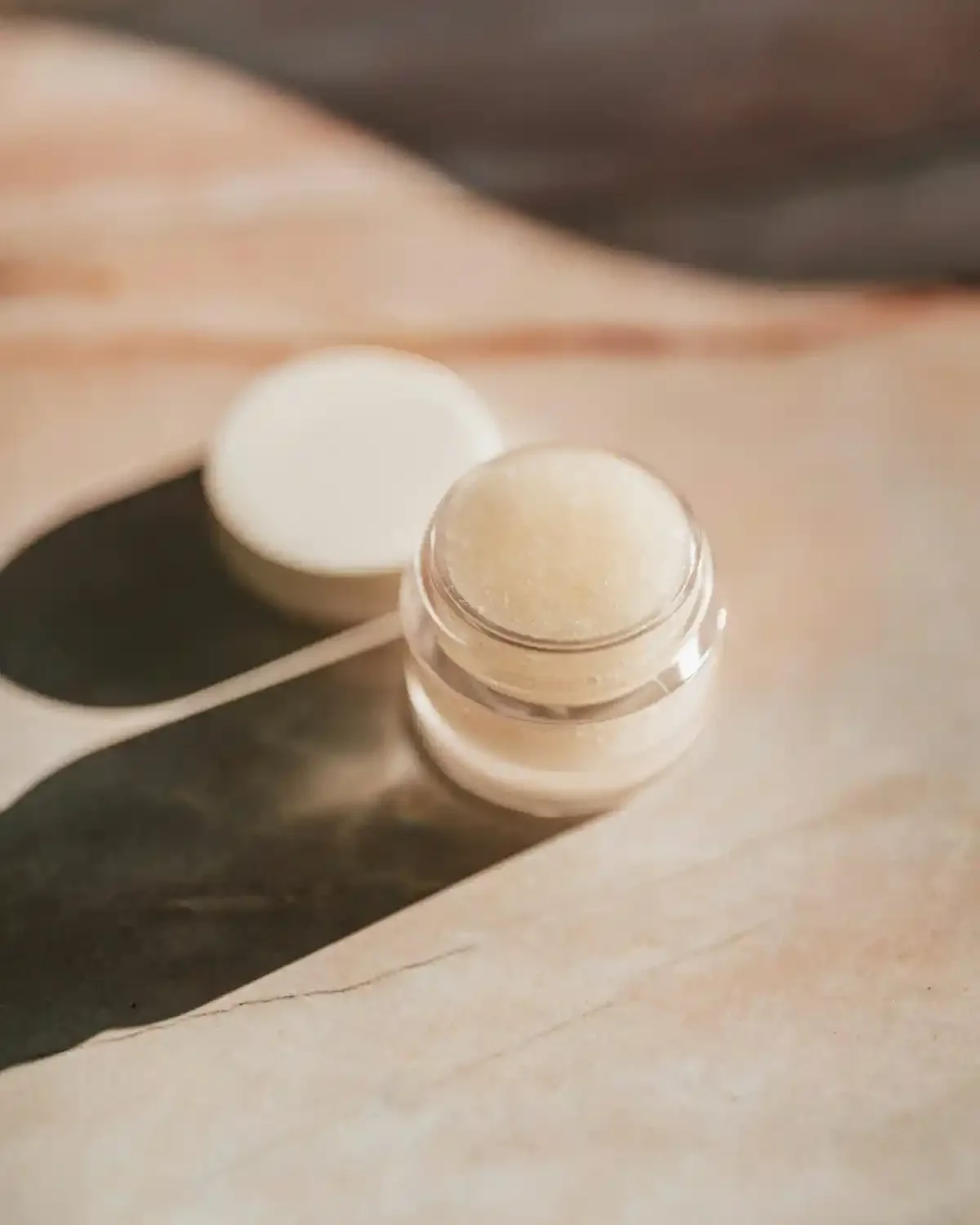
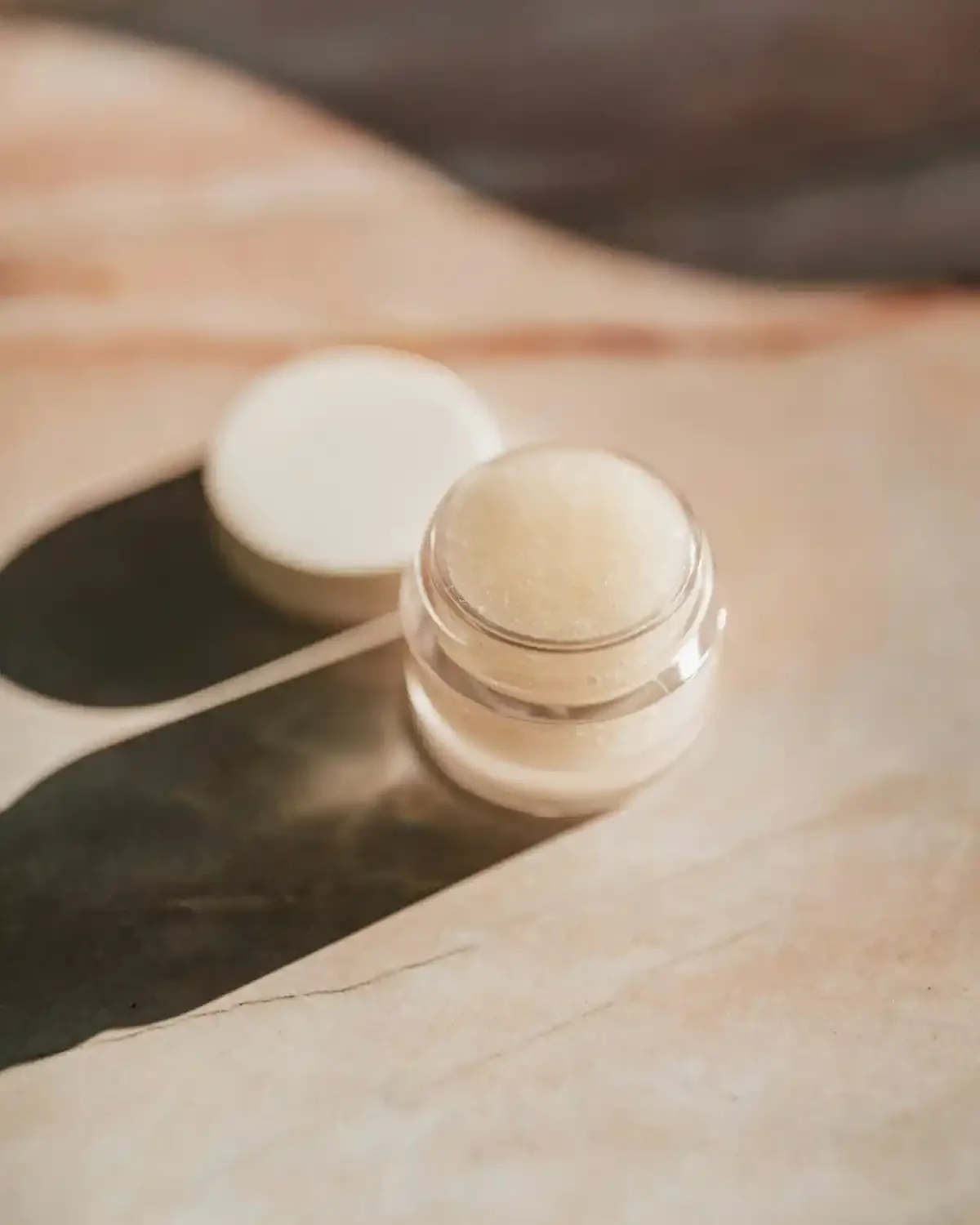
Close-up of a tiny clear pot of solid balm catching warm sunlight on a marbled surface.
Natural, water-free balms are relatively stable but still require smart storage to stay fresh and safe.
Best Containers
Opaque or amber glass jars protect from light degradation. Tins work well for travel. Airless pump jars reduce air exposure and contamination risk. Avoid clear containers in sunny bathrooms.
Hygiene Practices
Use a clean, dry spatula or scoop; never dip wet fingers into the jar. Water introduces bacteria that can spoil anhydrous, water-free, products. Store jars away from steamy showers where condensation can enter.
Temperature Considerations
High heat causes balms to melt, separate, or develop a grainy texture. Keep products in cool, dry places away from radiators and direct sunlight. If traveling to hot climates, consider a cooler or insulated bag. Add to your bag a small container rather than the full jar.
Approximate Shelf Life
Expect 6–12 months for properly stored anhydrous balms, depending on the freshness of oils used and vitamin E content. Ingredients such as cetyl ethylhexanoate and similar esters tend to extend stability.
Signs of Spoilage
Discard immediately if you notice a rancid smell, drastic texture change, or visible mold. When in doubt, throw it out.
Frequently Asked Questions
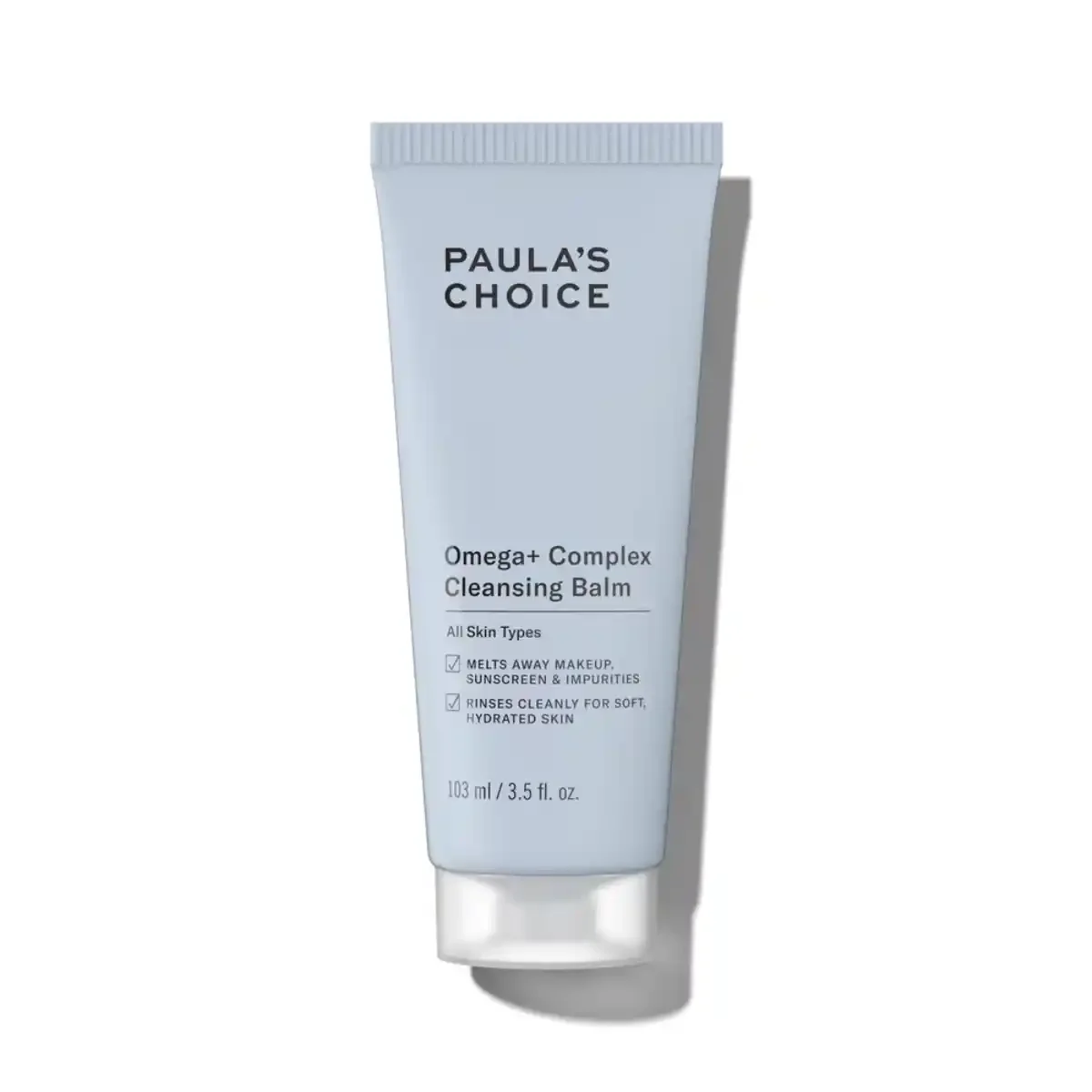
Paula’s Choice Omega+ Complex Cleansing Balm tube standing upright on pure white background.
Will a cleansing balm clog my pores?
Proper rinsing prevents most congestion issues. Choose non-comedogenic oils like grapeseed oil and jojoba oil, and always follow with a water-based cleanser if you’re prone to breakouts. The balm itself shouldn’t cause problems, incomplete removal does.
Can I use a cleansing balm every day?
Yes. Daily use is fine for most people, especially as part of a double cleanse routine. If you have very oily skin, you might limit balm use to days when you wear makeup or sunscreen, using a gentle gel cleanser on makeup-free days.
Is a natural balm enough on its own, or do I need another cleanser?
For minimal makeup or bare skin, a single cleanse often suffices. For heavy makeup, SPF 30–50, or city pollution exposure, double cleansing with a gel or face cream-style cleanser afterward ensures clean skin.
How much product should I use?
About a blueberry to marble-sized amount works for most faces. Increase slightly for full-coverage makeup; decrease for lighter applications. A little goes a long way.
Cleansing as Care
A natural cleansing balm can transform your evening cleansing routine from a rushed obligation into something you actually look forward to. The key is finding the right formula for your skin type, using proper technique, and following up appropriately based on how much makeup and sunscreen you wear.
If you are curious about other whole-ingredient moisturizers that nourish without synthetics, explore how a nutrient-rich tallow cream locks in hydration while supporting barrier health. Whether you invest in a ready-made face cream and makeup remover hybrid from a trusted brand or craft your own small batch at home, the principles stay the same: quality nourishing ingredients, thorough massage, proper emulsification, and complete rinsing. Your skin does a lot for you, it deserves a green clean approach that works with its natural biology.
Start with one week of consistent balm use and see how your skin responds. You might just find that this simple swap leave skin feeling soft, balanced, and genuinely healthy.
RELATED POSTS