Natural Facial SPF: Mineral Sunscreen That Works
Choosing a sunscreen is no longer as simple as grabbing the first SPF bottle off the shelf. The skincare-conscious are waking up to the harsh reality: not all sunscreens are created equally. When it comes to protecting your face, the most consistently exposed and delicate part of the body, a shift is underway toward mineral-rich, natural sunscreens that offer clean, conscious coverage without compromise.
Unlike chemical sunscreens, which often rely on synthetic filters that absorb into the skin, natural sunscreens sit on the surface of the skin, acting as a physical shield. They're favored not just for their ability to block UVA and UVB rays immediately upon application, but for their gentler, more holistic approach to skincare. For those with sensitive skin, or anyone seeking to reduce exposure to harmful chemicals, a natural facial SPF is more than a trend, it’s a recalibration of what effective sun protection should look and feel like.
This movement toward mineral protection sits within a broader return to ingredient transparency and plant-forward formulation. If you are exploring a more holistic skincare philosophy, you may also appreciate our guide to clean, plant-based formulas that support radiant skin, which expands on how thoughtful ingredient choices can elevate both glow and long-term skin resilience.
In this in-depth exploration reveals what makes natural sunscreens uniquely effective, which active ingredients truly matter, and how to find a formula that suits your skin type and your values. From the science of broad spectrum protection to comparisons between cult-favorite brands, we walk you through the textures, compositions, and certifications to look for.
Some links in this post are affiliate links. That means we may earn a small commission, at no additional cost to you.


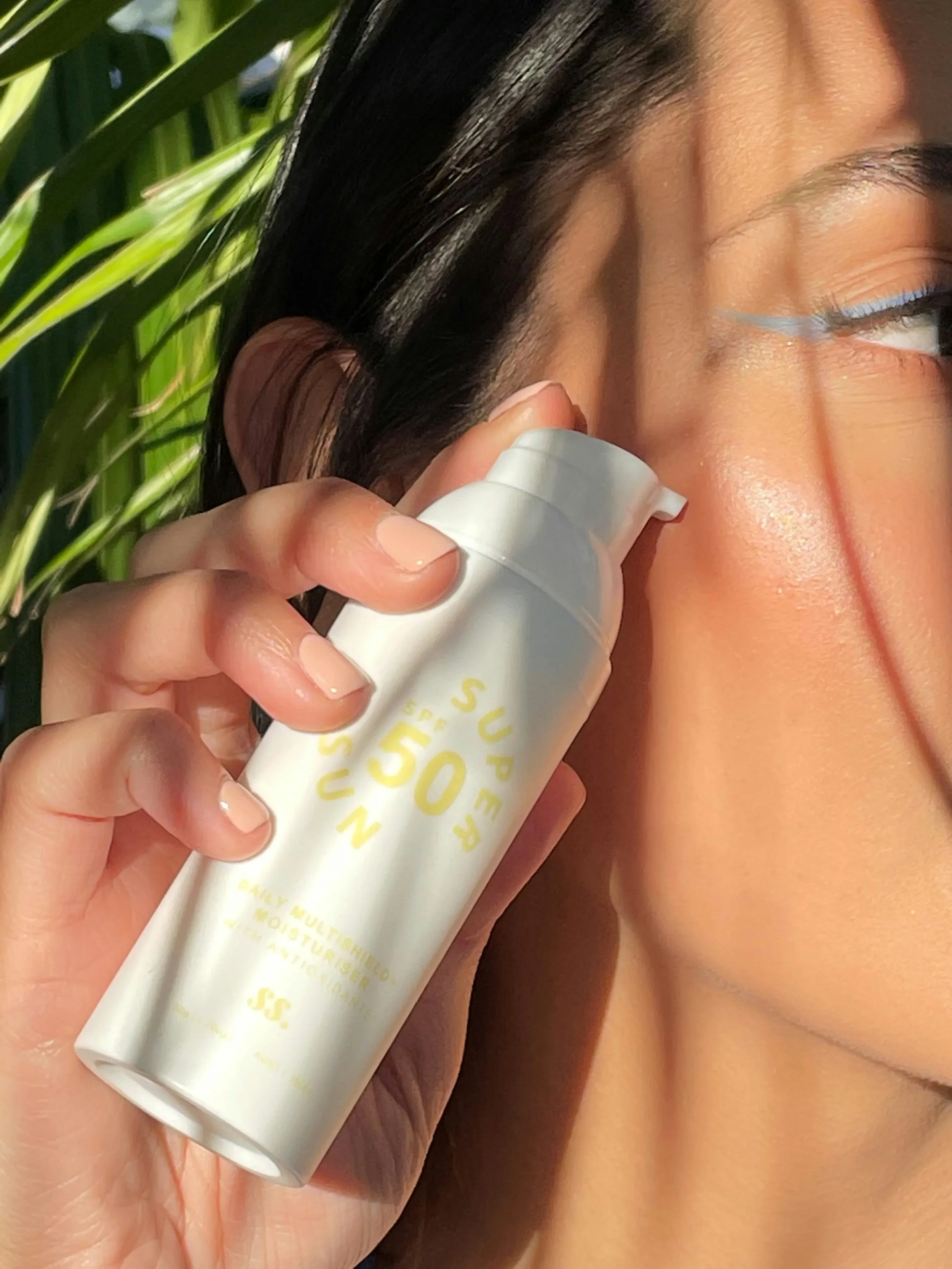
Model applies Sunny Skin Super Sun SPF 50 multitasking moisturizer pump in dappled sunlight.
What You’ll Discover
Why Choose Natural Facial SPF Over Chemical Sunscreen
Chemical sunscreens absorb UV rays using synthetic compounds like oxybenzone and octinoxate converting them into heat, many of which have been linked to allergic reactions, hormonal disruption, and coral reef damage. These ingredients break down over time and may generate free radicals, contributing to skin aging and inflammation.
Natural sunscreens, on the other hand, use mineral-based filters such as zinc oxide and titanium dioxide to create a reflective barrier against UV rays. Mineral face sunscreens provide immediate protection without requiring a 15-minute absorption period. This is especially beneficial for early-morning exposure or incidental sun while commuting.
Incorporating a facial sunscreen into your daily skincare regimen ensures consistent defense against harmful UV rays and environmental stressors. Daily use of a natural facial sunscreen is recommended to protect against UV damage year-round. Wearing sunscreen daily can help prevent skin cancer, including melanoma. The best natural face sunscreens not only shield your skin but also nourish it with antioxidant-rich ingredients, such as vitamin E, supporting long-term skin health without relying on chemicals that compromise wellness.
Broad Spectrum Protection
Understanding what SPF does, and doesn’t do. is foundational. SPF refers to a sunscreen’s ability to block UVB rays, which cause sunburn and damage to layers of our skin. However, a truly effective product also protects against UVA rays, which penetrate deeper and are responsible for skin aging, pigmentation, and the breakdown of skin elasticity.
That’s where broad spectrum protection comes in. Only products labeled broad spectrum can protect against both UVA and UVB rays. Chemical sunscreens often require multiple active ingredients to achieve this, each with potential irritants or ecological risks. Mineral sunscreens, especially those with non nano zinc oxide, offer a more comprehensive shield. Zinc oxide alone provides true broad spectrum coverage, while titanium dioxide is more limited to UVB and short UVA wavelengths.
For facial sunscreen, broad spectrum protection is non-negotiable. Your face is constantly exposed, not just during beach days, but every moment you step outside. Choosing a formula with verified mineral active ingredients ensures coverage without compromising your skin's health or the marine ecosystem.
Key Ingredients To Look For
When evaluating a natural face sunscreen, begin with the active ingredients. Look for non nano zinc oxide or titanium dioxide in concentrations high enough to offer meaningful SPF coverage. Non nano formulations stay on the surface of the skin, reducing systemic absorption and increasing reef safety.
Beyond minerals, potent natural antioxidants enhance both protection and skin nourishment. Green tea extract, known for its anti-inflammatory properties, and vitamin E, which supports skin hydration and barrier health, help neutralize free radicals generated by sun exposure. Hyaluronic acid provides hydration without heaviness, ideal for balancing water loss due to sun exposure. Aloe vera is another important ingredient for its soothing and hydrating effects, especially for sensitive or irritated skin. Non-comedogenic oils like jojoba oil or squalane support barrier repair, with jojoba oil specifically offering skin-calming and moisturizing properties, and make the texture more spreadable without clogging your pores.
Effective mineral sunscreens often feature clean ingredients, including natural and non-toxic components. Other ingredients such as sunflower seed oil, glycerin, and rose extract can further nourish and soothe the skin. After considering these key ingredients, remember that active ingredients in effective mineral sunscreens include niacinamide, hyaluronic acid, aloe vera, and antioxidants.
Together, these ingredients create a formula that not only deflects harmful rays but also soothes, hydrates, and strengthens the skin’s resilience over time.
How To Select a Chemical Free Facial Sunscreen
Chemical free is an alluring label, but it’s often used loosely for marketing purposes and without regulation. The term implies purity, yet many products that claim it still contain synthetic stabilizers, preservatives, or fragrance compounds that can disrupt the skin’s natural barrier, especially on the face, where the skin is thinner and more reactive.
To ensure you’re selecting a truly clean, mineral-based formula, begin by reading the full ingredient list and prioritizing clean ingredients, natural, organic, and non-toxic components. The only approved active ingredients for natural sunscreen are zinc oxide and titanium dioxide. These minerals provide physical UV light protection by reflecting rays away from the skin’s surface, unlike chemical sunscreens that absorb and neutralize them through synthetic reactions. Natural facial sunscreens containing zinc oxide and/or titanium dioxide are generally recognized as safe and effective by the FDA. A truly chemical free product will contain only these mineral ingredients and will exclude compounds like oxybenzone, octinoxate, avobenzone, and octocrylene, all of which have raised health and environmental concerns.
For sensitive skin, prioritizing a fragrance free formula is non-negotiable. Synthetic fragrances, often grouped under the vague term parfum, are a leading cause of contact dermatitis and irritation. These are frequently added to mask the earthy scent of natural ingredients but can provoke inflammation, especially when worn daily under sun exposure.
Those with acne-prone, combination, or reactive skin should look for additional markers such as non-comedogenic, dermatologist tested, silicone free, or tested for allergic reactions. While these labels are not universally regulated, they indicate that the product has undergone some form of skin compatibility testing or excludes pore-clogging ingredients like certain silicones and occlusive oils.
Consider the texture as well. Mineral sunscreens tend to be thicker than chemical formulas, which can feel heavy or occlusive if not properly formulated. Opt for micronized, non nano zinc oxide, which blends more evenly while staying on the skin’s surface, ensuring both efficacy and comfort. Certifications offer an added layer of trust. The Environmental Working Group (EWG) publishes an annual sunscreen guide, ranking formulas by safety and efficacy. Products that carry EWG Verified status or similar third-party certifications, such as NSF/ANSI 305 for organic content or Made Safe, have passed stringent ingredient safety assessments.
Lastly, consider brands that disclose their complete formulation transparency, including percentages of active ingredients and full origin traceability. This signals integrity, and allows you to make an informed decision rooted not just in claims, but in clarity. Choosing a natural face sunscreen becomes simpler when guided by more than just front-label promises. Your skin deserves ingredients that protect, not provoke.
Tinted Sunscreens for Flawless Coverage
Tinted sunscreens are a game-changer for anyone seeking both effective sun protection and a smooth, even complexion. By blending mineral actives like zinc oxide and titanium dioxide with subtle pigments, these formulas provide broad spectrum protection against UVA and UVB rays while offering light coverage that helps blur imperfections and even out skin tone. Unlike chemical sunscreens, mineral-based tinted options create a physical barrier on the skin, making them especially suitable for sensitive skin types.
For those with oily skin, a non greasy, lightweight tinted sunscreen can help control shine without clogging pores. Many of today’s best formulas, such as Babo Botanicals and Juice Beauty, are designed to suit a range of skin tones and offer more than just sun defense, they’re infused with antioxidants and vitamin C to support skin elasticity and overall skin health. These added skincare benefits help protect against environmental stressors and promote a radiant, healthy-looking complexion.
Whether you wear makeup daily or prefer a bare-faced look, tinted mineral sunscreens can easily replace foundation for a natural finish, all while shielding your skin from harmful UV rays. With the right product, you can streamline your morning routine and step out with confidence, knowing your skin is protected and glowing.
Sunscreen Sticks for Easy Application
Sunscreen sticks are the ultimate solution for quick, mess-free sun protection application, making them a favorite for busy mornings, travel, or on-the-go touch-ups. These compact sticks typically feature zinc oxide or titanium dioxide as their active ingredients, delivering reliable broad spectrum protection against both UVA and UVB rays. Their solid format allows for precise application, especially on areas that are often missed, like the nose, ears, and the back of the neck.
When choosing a sunscreen stick, look for options that are fragrance free and non comedogenic to minimize the risk of allergic reactions and breakouts, particularly for sensitive or acne-prone skin. Brands like Earth Mama and Andalou Naturals offer reef safe, portable sticks that glide on smoothly without leaving a heavy residue. Because they’re easy to stash in a bag or pocket, sunscreen sticks make it simple to reapply protection throughout the day, no spills, no fuss.
Perfect for the whole family, these sticks are a practical addition to any sun care routine, ensuring you never miss a spot and always have effective protection at your fingertips.
Natural Sunscreen Brand Comparison
Choosing a face sunscreen is ultimately a personal decision informed by texture, formulation, and how a product feels on your skin throughout the day. Natural facial SPF products are an essential part of modern cosmetics and beauty routines, enhancing appearance and supporting natural beauty while providing safe, effective sun protection. The following mineral formulas represent a few sunscreens vetted for textures and experiences, with a focus on clean actives and versatile wear.
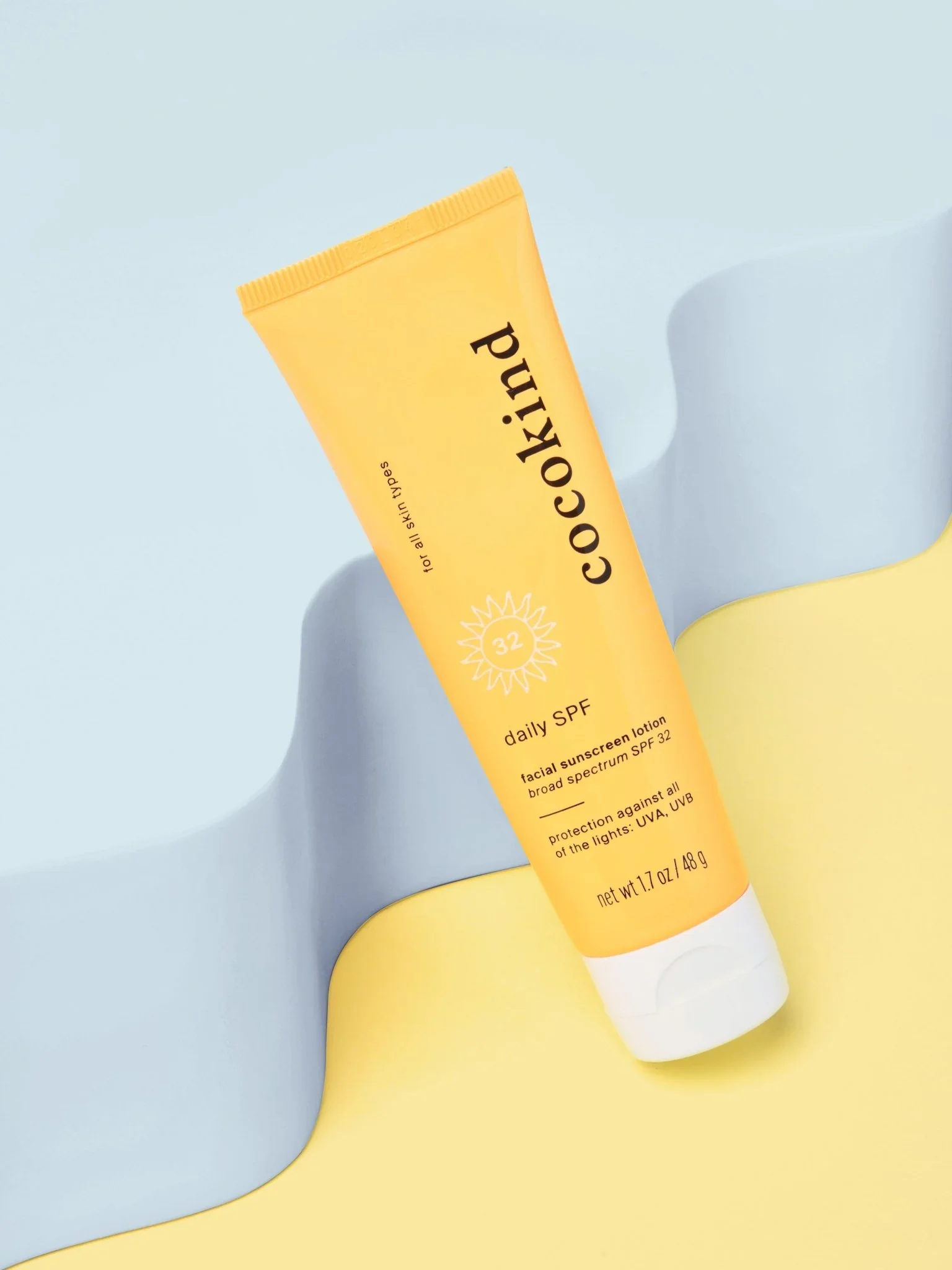
Bright yellow Daily SPF 32 tube by Cocokind styled on soft pastel backdrop.
Cocokind Daily SPF 32 Mineral Sunscreen with Zinc Oxide centers non nano zinc oxide as its primary active UV filter. A cult favorite in my own routine, this is the mineral sunscreen I return to daily for its balance of protection, comfort, and ease. What makes this formula stand out is its inclusion of niacinamide for barrier support and antioxidants such as turmeric and licorice root extract to calm environmental stress. These ingredients help reduce redness and support sensitive skin. It absorbs easily despite a creamy profile, making it well suited to normal to combination skin, and especially comfortable for sensitive or reactive skin. Its broad spectrum physical protection and seamless layering make it a reliable go-to beneath skincare and makeup.
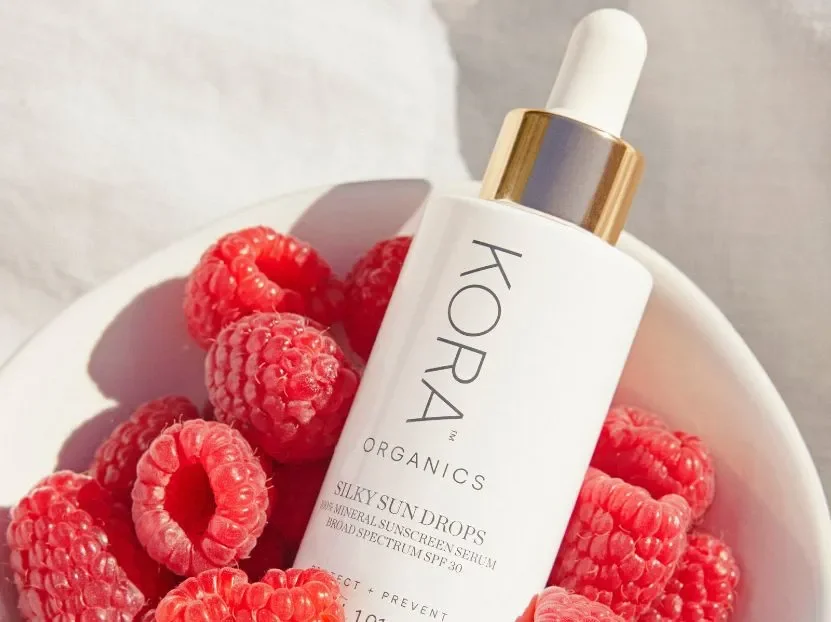
Kora Organics Silky Sun Drops mineral SPF 30 serum bottle nestled in fresh raspberries.
Kora Organics Silky Sun Drops Mineral Sunscreen distinguishes itself with a serum‑like texture enhanced by rosehip oil, pomegranate extract, and acai fruit to nourish and smooth. Though it provides mineral SPF, its fluid, oil‑rich base lends a radiant finish that complements drier or mature skin types in need of both hydration and antioxidant support. The presence of these botanical actives helps improve texture and foster a luminous look, placing this formula in the ideal category for dry or aging skin that benefits from extra nourishment without heaviness.
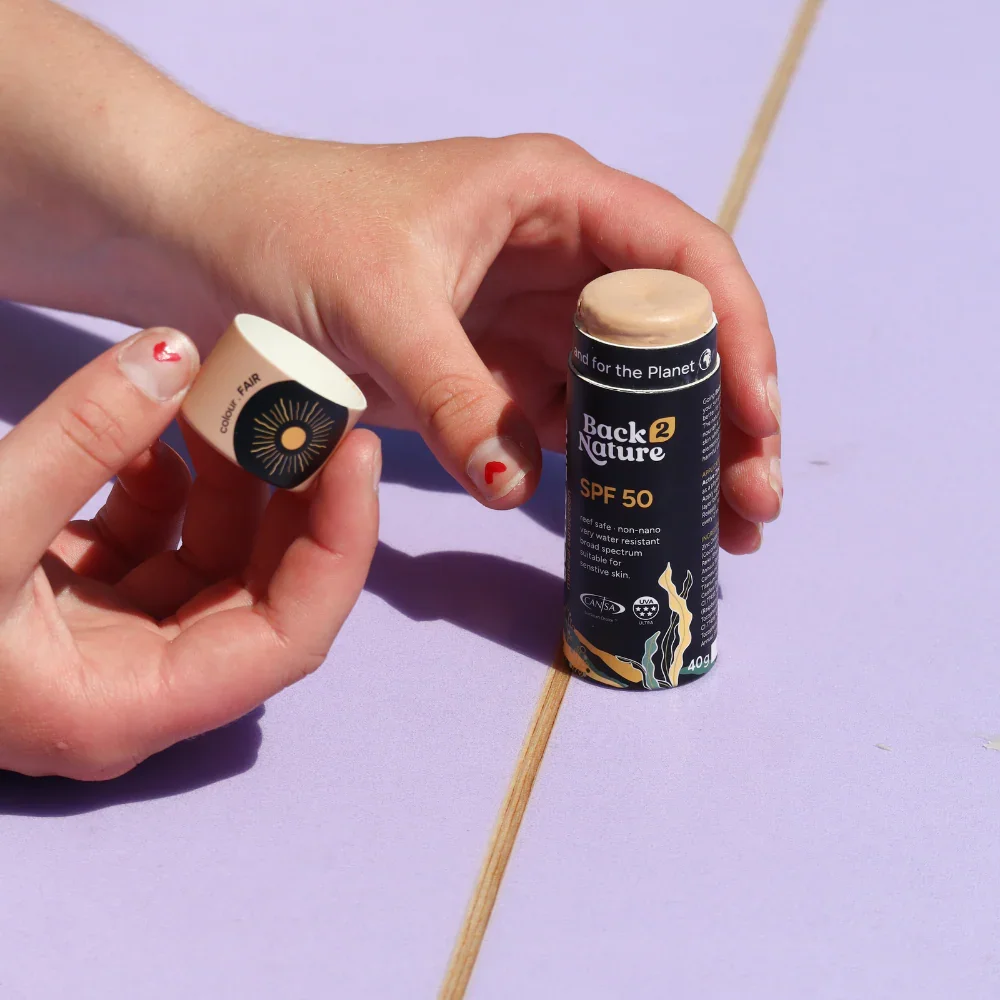
Hands open reef-safe SPF 50 zinc sunscreen stick from Back 2 Nature on lilac surface.
Back 2 Nature Active Zinc Mineral Sunscreen uses a zinc oxide–rich formulation alongside emollients like sunflower seed oil and shea butter, creating a soft, almost velvety feel on the skin. It’s a staple in my own routine, I love the ease of application, the light, earthy scent, and the way it doubles as both cover-up and SPF. Its simplicity and transparency speak to its integrity, and the eco-conscious packaging reflects values that go beyond skincare. This formula suits a wide range of skin types, but its richness, smooth glide, and gentle tint make it especially fitting for normal to dry skin seeking protection without compromise.
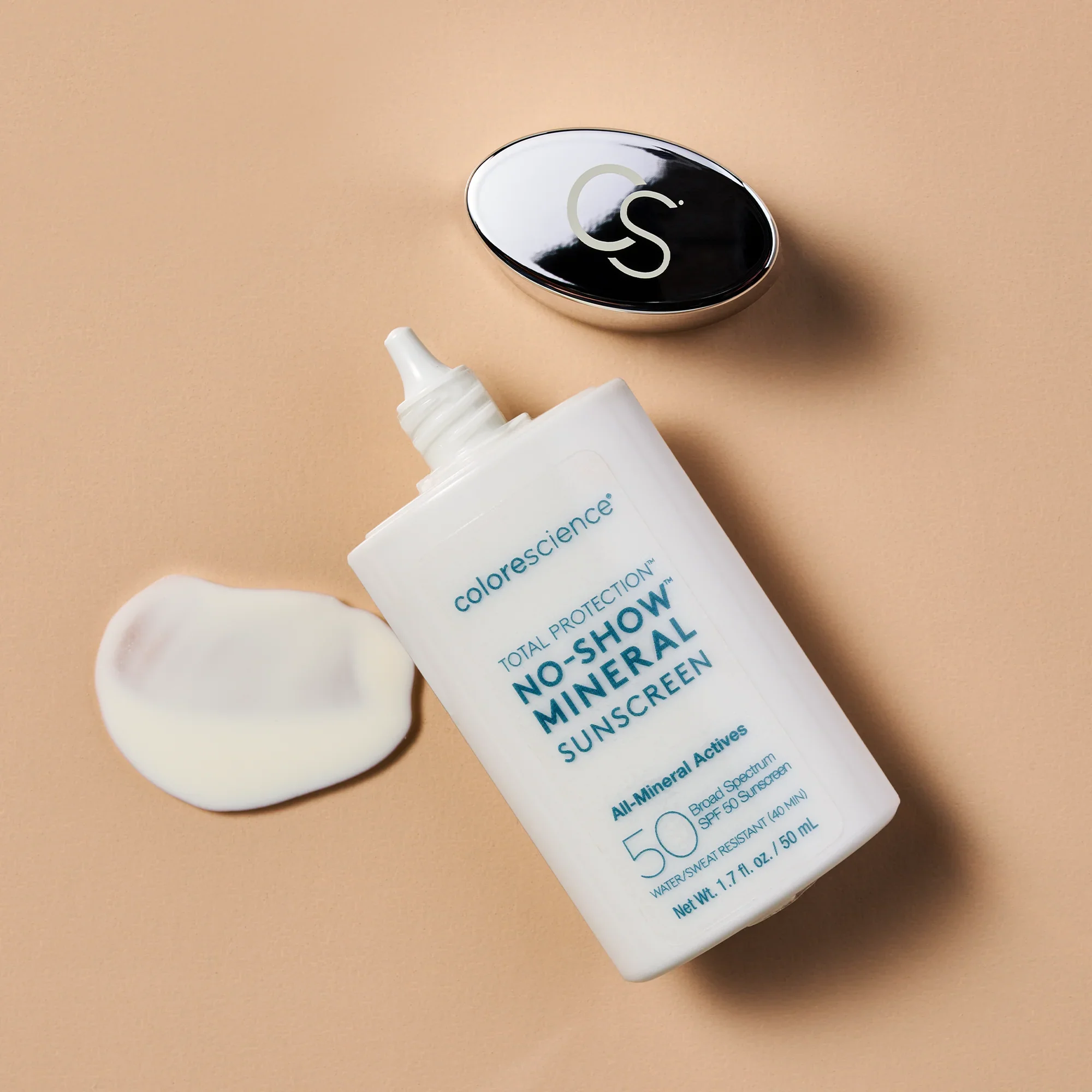
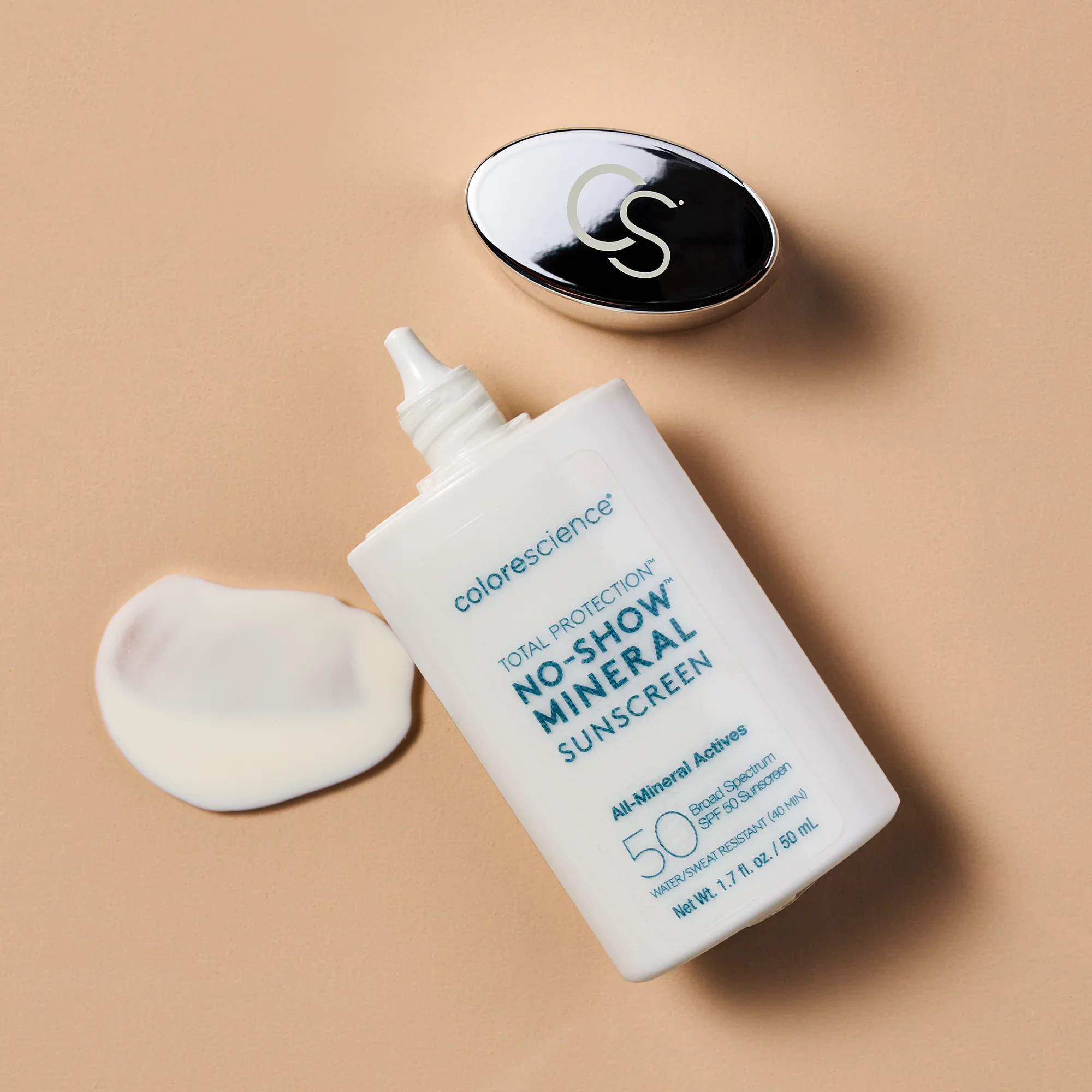
Colorescience No-Show Mineral Sunscreen SPF 50 bottle with lotion swatch on beige.
Colorescience Total Protection No‑Show Mineral Sunscreen is designed to feel weightless with a focus on micronized zinc oxide for minimized white cast. Its blend of antioxidants including vitamins C and E supports defense against free radicals, and the texture absorbs cleanly without shine. This formula is especially worth considering for combination to oily skin or anyone who prefers a more invisible finish that plays well under makeup or on bare skin.
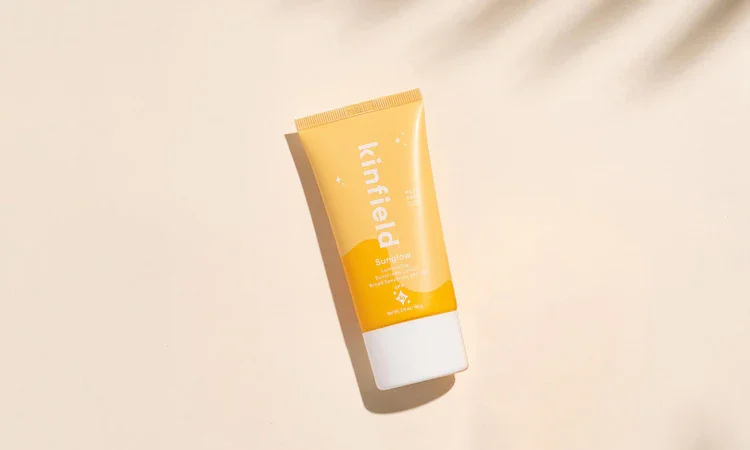
Soft-peach backdrop highlights Kinfield Sunglow SPF 30 illuminating sunscreen.
Kinfield Sunglow blends non nano zinc oxide with a softly tinted, warm base enhanced by ceramides and plant oils that help maintain hydration. What sets this apart is its natural luminous tint that enhances skin tone while still offering effective mineral protection. The texture is quite hydrating without being heavy, making it suitable for normal to dry skin types or anyone who enjoys a glowing finish without a separate cosmetic layer.
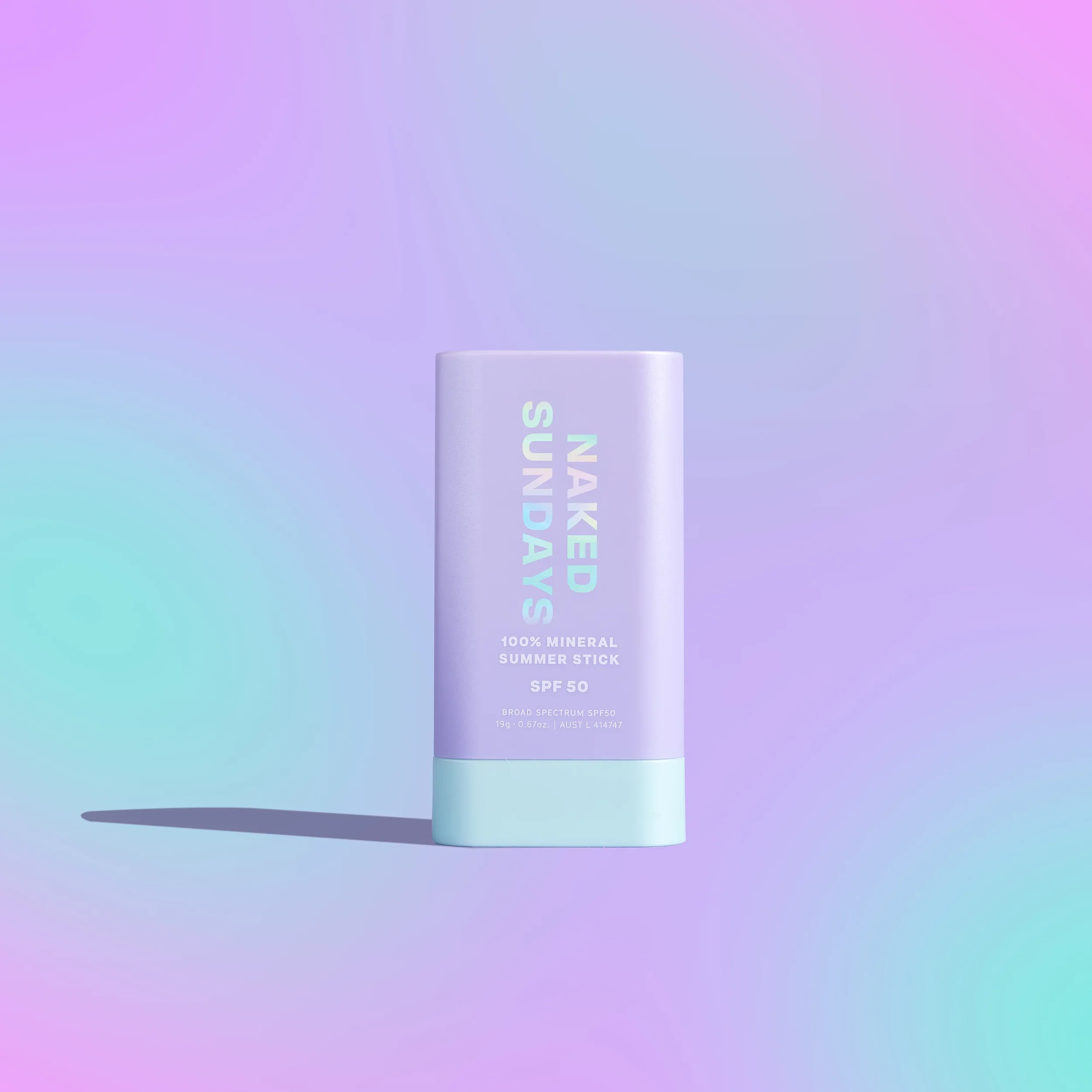
Pastel gradient backdrop with Naked Sundays Mineral Summer Stick SPF 50.
Naked Sundays SPF50 Mineral Glow Sun Stick features non-nano zinc oxide as its sole active, delivering reliable broad spectrum protection in a convenient, clear-finish stick. Its blend of antioxidant-rich watermelon extract and emollients like avocado seed oil and cocoa seed butter offers hydration while creating a dewy, non-greasy barrier against UV damage. The formula glides on smoothly without a white cast, making it ideal for quick, seamless reapplication throughout the day. Best suited to normal to dry skin types, this sun stick supports a luminous finish while nourishing and conditioning the skin, even over makeup.
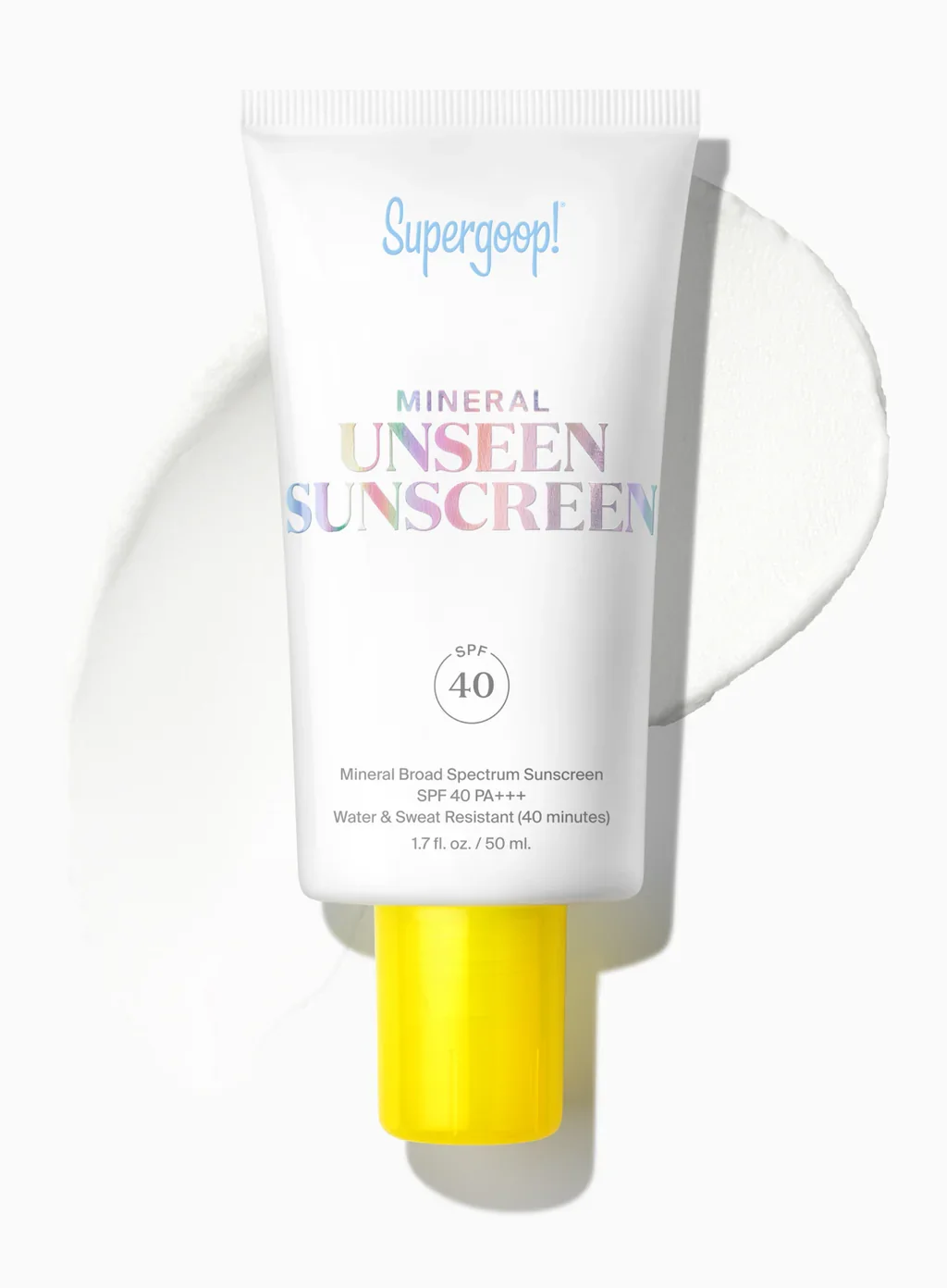
Tube of Supergoop! Mineral Unseen Sunscreen SPF 40 with velvety white swatch on white.
Supergoop Mineral Unseen Sunscreen reframes mineral SPF with a primer‑like feel that blends invisibly. It relies on micronized zinc oxide and powerful antioxidants such as vitamin E and meadowfoam seed oil to create a silky surface that feels almost second skin. The absence of a traditional white cast and a naturally smooth finish make this well suited to normal and combination skin, especially for those who layer makeup.
Tube of Supergoop! Mineral Unseen Sunscreen SPF 40 with velvety white swatch on white.
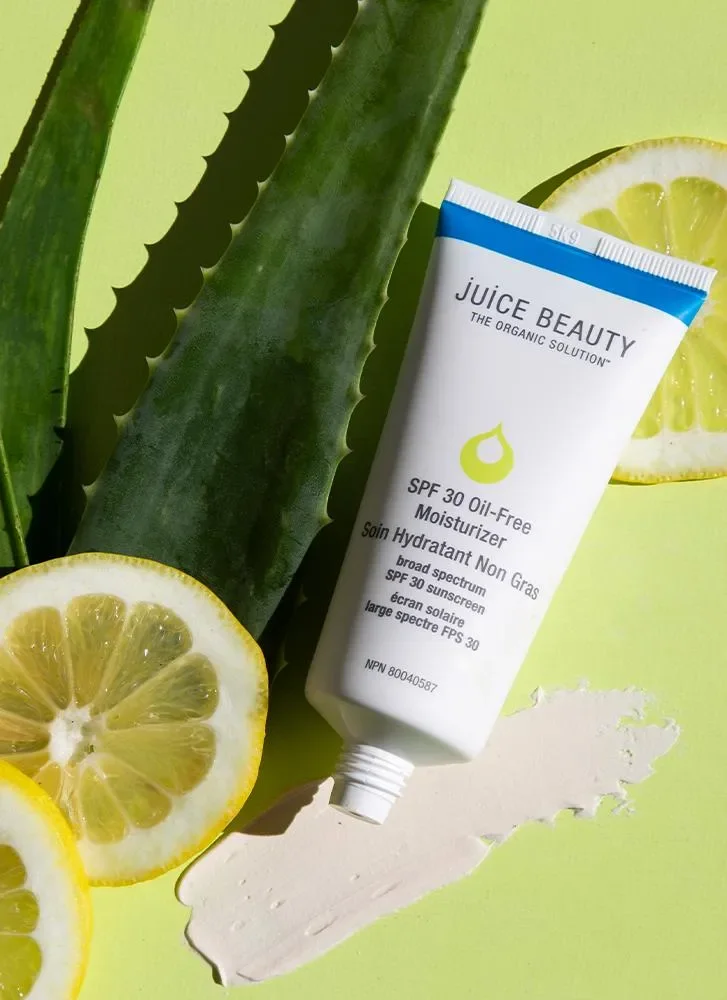
Juice Beauty SPF 30 Oil Free Moisturizer pairs non nano zinc oxide with organic fruit juices like apple, grape, and tomato that provide antioxidant support. Its oil‑free base helps control shine, and the lightweight profile lends itself to everyday wear under makeup. The formula is best suited to normal to oily or combination skin, particularly for those who prioritize a non‑greasy feel and additional antioxidant protection without heavy texture.
In the discussion of nourishing ingredients, it's worth noting that natural antioxidants like red raspberry seed oil can offer moderate natural SPF benefits. Plant-based oils and antioxidants can provide additional benefits and minor SPF properties, but they should not be relied upon as the sole form of sun protection.
Each of these mineral sunscreens engages with the idea of face protection differently: some glide, some glow, and others disappear. None rely on synthetic filters, and all prioritize elemental zinc or titanium actives as the core of their defensive architecture. The choice among them rests on how the texture meets your skin, how it layers with your routine, and how the sensory experience aligns with your day.
Product Outline for Natural Face SunScreens
The best mineral sunscreens share a common foundation: protective without irritation, sensory without weight, and honest in their formulation. Whether browsing the aisle or building a skincare routine, use the following elements to discern quality from claim:
SPF Rating
Choose SPF 30 or higher for daily wear, especially for facial skin exposed year-round. This level offers effective protection without requiring overly thick formulations. Higher SPF can be useful, but only when paired with correct application and reapplication.
Active Ingredients
Seek formulas containing non nano zinc oxide (18–25%) for full-spectrum UVA and UVB protection. Titanium dioxide may be included to boost UVB coverage, but zinc is essential for deep UVA defense. Non nano ensures the particles stay on the skin's surface and pose minimal absorption or environmental risk.
Texture and Format
Consider the format that best suits your daily needs:
Creams and lotions offer hydration for dry or mature skin.
Sticks allow for mess-free reapplication on-the-go.
Tinted moisturizers can replace base makeup while blending white cast.
Serum-like drops feel nearly weightless on oilier or combination skin.
Skin Type Compatibility
Match the formulation to your skin’s needs:
Fragrance free options reduce irritation risk for sensitive skin.
Non-comedogenic claims suggest the product won’t clog pores, ideal for oily or acne-prone skin.
Hydrating or oil-free bases help balance dryness or excess sebum, depending on your profile.
Packaging and Sustainability
Opt for eco-conscious materials, aluminum tubes, recyclable plastics, compostable cartons, or refillable vessels. Brands that minimize unnecessary packaging or offer carbon-neutral shipping add meaningful value to each purchase.
In essence, the ideal face sunscreen does more than protect, it harmonizes with your skin, routine, and values. It wears like skincare, acts like armor, and speaks with clarity through its ingredient list.
Daily Application Tips for Optimal Face SPF
Daily wear means your sunscreen needs to feel effortless. Apply sunscreen to your face every morning as the final step in your skincare routine, before makeup. Use about one fingertip length of product for your forehead, and two fingertip lengths to cover the rest of your face thoroughly. Always extend application to your jawline, ears, and the upper chest area if exposed. If you wear makeup, opt for tinted mineral options that offer light coverage and SPF in one.
Reapplication is essential. Every two hours outdoors, or immediately after swimming or heavy sweating, you’ll need to refresh your SPF. Consider stick or powder formats for mid-day top-ups, they layer easily and can fit into your bag without mess.
Common Facial Sunscreen Concerns
Mineral sunscreens can be deeply effective, but they come with their own learning curve. Here’s how to navigate the most common challenges and refine your daily SPF experience:
White Cast
This is the most cited issue with natural sunscreens, typically due to high concentrations of zinc oxide. To reduce it:
Warm the product between your fingertips before applying to help it melt into the skin.
Apply in thin, even layers.
Choose a tinted version or one formulated with micronized non nano particles, which reflect light more evenly across diverse skin tones.
Irritation or Sensitivity
Even “clean” formulas may include plant-based actives or preservatives that irritate reactive skin. Perform a patch test on your jawline and wait 24 hours before full use. If redness, stinging, or tightness appears, discontinue use and switch to a formula labeled for sensitive skin with minimal essential oils or botanicals.
Shine and Oiliness
Some mineral sunscreens leave a dewy or occlusive finish. For those with oily skin, opt for matte or gel-cream formulations that absorb quickly. Blotting sheets, mineral SPF setting powders, or lightweight touch-up sticks can help maintain a fresh appearance throughout the day.
Pilling or Poor Layering
If your sunscreen pills under makeup or skincare, wait a full minute after moisturizing before applying SPF. Press rather than rub the product into the skin and allow it to fully absorb before proceeding with makeup.
Rather than viewing these issues as dealbreakers, consider them invitations to fine-tune your application technique and texture preferences. The right product may require exploration, but once found, it will become an intuitive part of your morning routine
Reef Safety and Environmental Impact
Skincare choices echo far beyond the bathroom mirror. When washed off in the ocean or shower, the chemical compounds in many conventional sunscreens can accumulate in waterways, threatening delicate marine ecosystems. Two ingredients in particular, oxybenzone and octinoxate, have drawn global scrutiny for their role in coral reef decline. Even in concentrations as low as one drop in 6.5 Olympic-sized swimming pools, these filters can disrupt coral reproduction, deform coral larvae, and accelerate bleaching, especially in warming waters.
Beyond coral reefs, chemical UV filters such as octocrylene, avobenzone, and homosalate have been detected in marine species, including fish and sea turtles, with potential bioaccumulation and endocrine-disrupting effects. These compounds do not readily break down, meaning they persist in the environment long after use, contributing to what scientists now term aquatic pollution from personal care products.
By contrast, non nano zinc oxide and titanium dioxide are considered safer alternatives. These mineral filters sit on the skin's surface and are less likely to dissolve or accumulate in marine tissues. That said, even mineral actives can cause harm if they are in nano form or coated in certain synthetics, so opt for non nano, uncoated formulations whenever possible.
Packaging matters, too. Sustainable options such as aluminum tubes, recyclable plastics, biodegradable cartons, or refillable containers reduce landfill waste and oceanic microplastics. Some brands have gone further, eliminating secondary boxes, printing with soy-based inks, or participating in carbon offset programs for production and shipping.
True reef safety is about integrity. It requires scrutinizing the ingredients list, questioning vague claims, and choosing formulas that align with both skin health and ecological awareness. In doing so, you contribute not only to your own protection, but to the protection of the marine systems that support life far beyond the shoreline.
Sunscreen and Skin Cancer Prevention
Consistent sunscreen use is one of the most effective ways to reduce your risk of skin cancer. By choosing a sunscreen with broad spectrum protection, you shield your skin from both UVA and UVB rays, the primary culprits behind sunburn, DNA damage, and the development of skin cancers. Mineral sunscreens with zinc oxide and titanium dioxide as active ingredients form a physical barrier that reflects harmful UV rays, offering reliable defense for all skin types.
For optimal protection, select a water resistant sunscreen with a high SPF, and make sure to apply it generously to all exposed areas. Reapply every two hours, or immediately after swimming or sweating, to maintain coverage. Remember, sunscreen is just one part of a comprehensive sun safety strategy, pair it with protective clothing and shade for the best results.
By making sunscreen a non-negotiable part of your daily routine, you’re not only preserving your skin’s health and appearance, but also taking a proactive step in preventing skin cancer for yourself and your loved ones.
Sunscreen Regulations and Standards
Navigating sunscreen labels can be confusing, especially with unregulated terms like “reef safe.” While there’s no legal definition for that phrase, a good rule of thumb is to choose sunscreens with non-nano zinc oxide or titanium dioxide and avoid chemical filters like oxybenzone and octinoxate, which are known to harm coral reefs.
The Environmental Working Group (EWG) provides a helpful Skin Deep® database, where sunscreens are rated for ingredient safety and broad spectrum protection. Some brands go further by applying for EWG VERIFIED™ status, which confirms full ingredient transparency and strict safety standards.
While these tools aren’t regulatory certifications, they can help guide safer, more conscious choices, both for your skin and for the planet.
Testing and Review
A sunscreen may be mineral, reef safe, fragrance free, and still not work for you. That’s why testing new SPF is a key part of building a skincare wardrobe rooted in both effectiveness and embodiment.
Step 1: Patch Test on Jawline
Apply a thin layer to your jawline or behind the ear and leave it on for 24 hours. Watch for irritation, tightness, clogged pores, or redness. If your skin feels nourished and unbothered, move to a full-face trial.
Step 2: Evaluate Sensory and Visual Finish
Observe how the product sits on your skin. Does it melt in or sit on top? Is there a noticeable cast, or does it reflect light smoothly? Does the finish match your preferred texture, matte, radiant, barely-there? Photograph your skin immediately after application and again 3-4 hours later. This helps you observe finish changes, how it behaves with makeup, and whether your skin feels heavy or balanced.
Step 3: Track Wear and Reapplication
On a day outdoors, note how long the sunscreen lasts before reapplication is needed. Do you sweat through it? Does it sting your eyes or migrate? How does it hold up under heat, humidity, or wind?
Step 4: Integrate or Replace
If the sunscreen performs well across all conditions, sensitivity, aesthetics, longevity, it can become a staple. If not, use the data to refine what you’re looking for next: lighter texture, no cast, stronger staying power, or better compatibility with your moisturizer.
Reviewing and testing your SPF is about noticing how your skin responds across multiple settings. The best product will feel like less of a layer, and more like part of your skin's natural language.
The Daily Routine of Natural Protection
A natural facial SPF is more than a skincare essential, it’s an act of daily devotion. By choosing mineral sunscreens, you're shielding your skin from the cumulative effects of harmful UV rays while nurturing it with clean, antioxidant-rich ingredients. You're opting out of chemical exposure and opting into awareness. This isn’t just about surface-level protection. It’s about choosing what aligns with your values, your skin’s integrity, and the rhythms of a life lived outdoors. Whether you seek hydration, mattifying benefits, or reef-safe assurance, the right natural face sunscreen becomes a subtle but powerful part of your self-care routine.
And as you refine your approach to daily protection, you may find yourself drawn to products that extend that same clarity and care into the rest of your routine. For a closer look at formulas that prioritize both performance and purity, explore our take on botanical skincare with integrity, where clean ingredients meet radiant results. Let your skin breathe. Let it reflect the light without absorbing its damage. And let your choices, both small and significant, ripple outward, toward a future where health, beauty, and ecological stewardship walk hand in hand.
Related Posts