Future of Travel in 2026: Wellness Tourism Industry
Wellness tourism has moved from the margins of luxury to the center of the global travel strategy. As 2026 unfolds, wellness travel is no longer an indulgence reserved for spa weekends. It has become a structural force within the global travel industry, shaping destinations, investment flows, and the expectations of wellness travelers. This evolution parallels a broader shift toward travel shaped by intentional pace and deeper connection. What exactly is wellness tourism, and how is wellness travel redefining the future of travel?
At its core, wellness tourism refers to travel experiences designed to promote health holistically, physical and mental health, and enhance overall well being. It includes immersive wellness retreats, preventive health programs, and even medical journeys that incorporate curated treatments according to ones individual needs. In 2026, the shift is unmistakable. Wellness travelers are seeking measurable health solutions, emotional support, and restorative benefits that extend beyond a single trip. As the market continues to expand, the Global Wellness Institute reports sustained growth across both domestic wellness trips and international wellness vacations. This transformation invites a deeper question: how is wellness tourism changing the architecture of travel itself, and what does that mean for destinations, industry professionals, and the global wellness tourism sector?
Some links in this post are affiliate links. That means we may earn a small commission, at no additional cost to you.


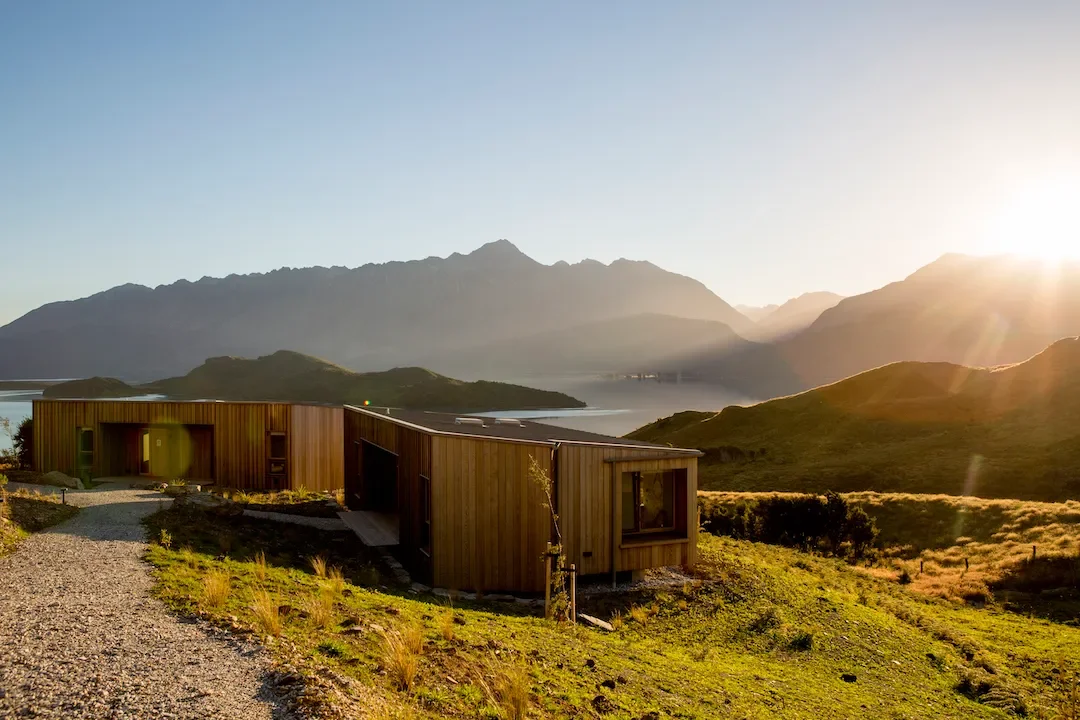
Timber eco-lodge at Aro Ha retreat overlooks Lake Wakatipu and the Southern Alps at golden sunrise.
What is Wellness Tourism
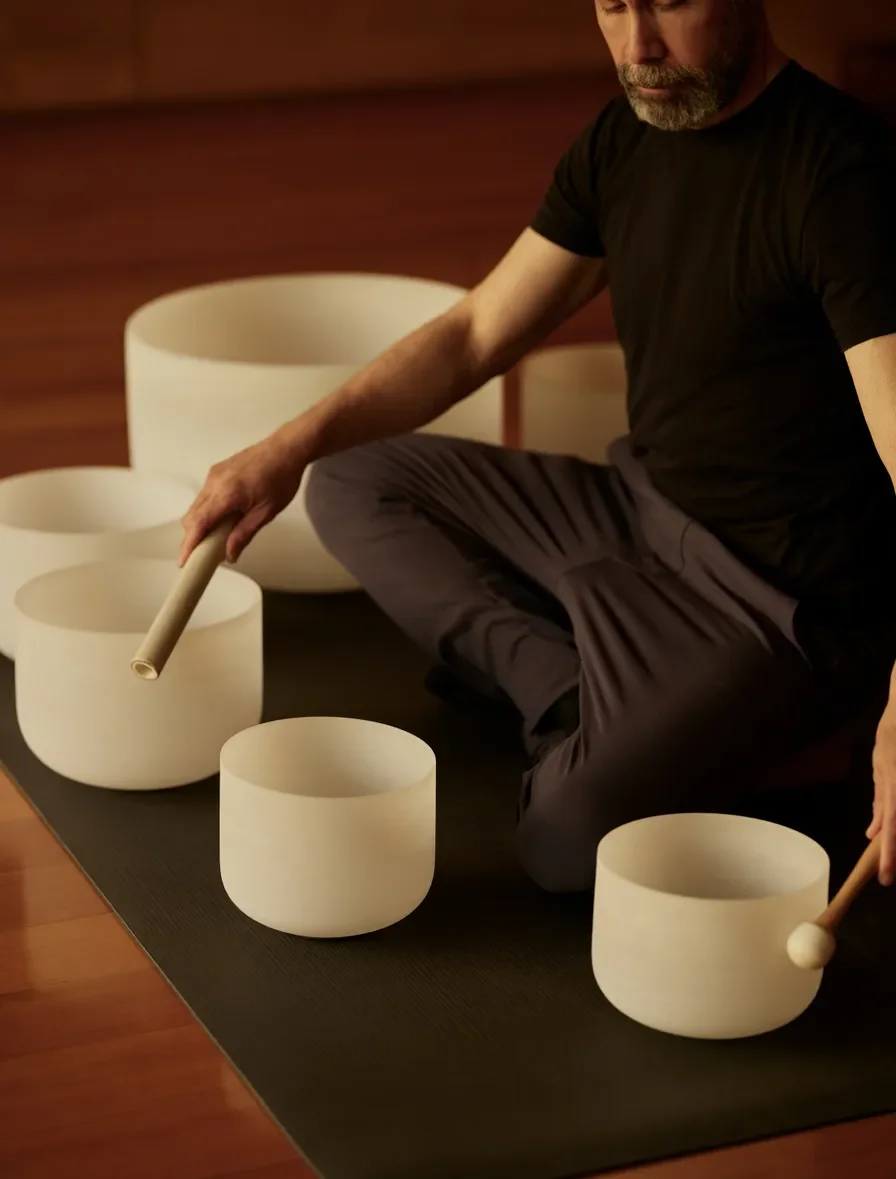
Restorative crystal-bowl sound therapy in the Amangir's Desert Lounge.
Wellness tourism has moved from the margins of luxury to the center of global travel strategy. As 2026 unfolds, wellness travel is no longer confined to spa weekends or isolated retreat enclaves. It has become a structural force within the global travel industry, shaping destination design, capital investment, and the expectations of increasingly discerning wellness travelers. The question is no longer whether wellness tourism matters. The question is how profoundly it is reshaping the future of travel.
Wellness tourism refers to travel intentionally designed to support physical and mental health, strengthen emotional resilience, and enhance overall well-being through structured, preventive experiences. It encompasses immersive wellness retreats, integrative health programs, restorative spa therapies, physical fitness journeys, and, in certain contexts curated medical treatments aligned with individual needs. What distinguishes wellness tourism in 2026 is its emphasis on measurable outcomes and long-term continuity. Wellness travelers are seeking experiences that regulate stress, recalibrate sleep, restore physical well-being, and reinforce holistic health practices that endure beyond a single trip.
This shift carries implications far beyond retreat centers and resort walls. It is influencing how the Global Wellness Institute measures the global wellness tourism market, how destinations design wellness tourism experiences rooted in local culture and natural assets, and how industry professionals structure wellness offerings with measurable health benefits. It raises distinctions between medical tourism, health tourism, and preventive wellness travel. It highlights the economic impact of wellness tourism expenditures. And it invites a deeper examination of how technology, sustainability, and ethical stewardship are shaping the next phase of the global wellness tourism sector.
Wellness tourism is no longer a niche category within travel. It is becoming one of its defining frameworks.
Global Context and the Global Wellness Institute
The Global Wellness Institute remains the most authoritative body tracking the global wellness tourism market. Its research defines the scale of the global tourism industry and contextualizes the wellness economy within broader economic growth. According to the Global Wellness Institute, the global wellness tourism sector has surpassed pre-pandemic benchmarks, with wellness tourism expenditures rising steadily as wellness tourists prioritize preventive care and holistic health.
On average, those travelling with their wellness in mind, spend significantly more than the average tourist, positively impacting the economic growth in various destinations. Resultantly, the global wellness tourism market now represents a multi-trillion-dollar share of the wellness economy. Regional variations are significant. North America and Europe remain strong wellness tourism destinations, while Asia continues to expand rapidly, supported by health resorts, thermal springs, and wellness real estate developments. In the Middle East, integrated wellness facilities are embedded within luxury developments. In Latin America and Africa, locally sourced wellness treatments rooted in indigenous wellness practices are driving interest among international wellness travelers.
The Global Wellness Institute also distinguishes between primary wellness travelers and secondary wellness travelers. Primary wellness travelers organize trips specifically for wellness tourism experiences. Secondary wellness tourists incorporate wellness offerings into broader leisure itineraries. Both segments are expanding, and the global wellness tourism industry reflects this dual growth pattern.
Wellness Tourism Experiences in 2026

Therapist sprinkles colorful blossoms and herbs into a hand-hammered copper tub filling with warm spa water.
Wellness tourism experiences in 2026 are defined by depth, diversity, and intentional design. From yoga retreats in coastal enclaves to health programs centered around preventive diagnostics, the range of wellness offerings continues to expand across the global wellness tourism market. Wellness tourists traveling today expect structured wellness programs that combine self-care, physical fitness, and mental wellness into cohesive wellness vacations that generate measurable health benefits and support longevity and well-being.
Primary wellness travelers actively seek destinations that center on health and wellness as the primary purpose of travel. They travel specifically for wellness retreats, yoga and meditation retreats, spa treatments, and structured fitness programs. Secondary wellness tourists may be leisure tourists who incorporate wellness services into a broader itinerary. Secondary wellness travelers increasingly select accommodations that feature integrated facilities such as fitness centers, guided wellness routines, and on-site practitioners who support both physical and mental health outcomes.
A defining shift within wellness tourism is the integration of sustainability. Eco-friendly wellness tourism merges sustainability with well-being by offering activities such as yoga and meditation retreats, and spa treatments in eco-conscious settings. These destinations incorporate green building designs, renewable energy sources, water conservation systems, and locally sourced wellness treatments into their operational models. This reflects the understanding that holistic health now includes environmental responsibility, and wellness travelers increasingly evaluate the ecological impact of wellness offerings before booking their vacations.
Spa and thermal experiences remain foundational within this evolving landscape. Health and wellness resorts continue to expand their facilities to include hydrotherapy circuits, contrast bathing, thermal immersion, and mineral-rich treatments rooted in regional traditions. Additionally, elemental experiences are trending strongly for 2026. Seaweed bathing in Ireland has gained renewed attention as a mineral-dense ritual that supports physical well-being and restorative benefits while connecting to coastal heritage. Soaking in geothermal waters at the Blue Lagoon in Iceland represents another experience drawing global wellness travelers seeking detoxification, emotional health support, and holistic health within dramatic natural settings.
Every destination has its own unique wellness experiences shaped by local culture and natural assets. Mountain regions emphasize altitude training and forest immersion to strengthen physical fitness and mental health. Coastal destinations center on saltwater therapies, marine botanicals, and ocean-based spa treatments. Desert landscapes focus on silence, reflection, and spiritual well-being through digital detox programs and expansive nature immersion. The global wellness tourism industry increasingly recognizes that authenticity and place-based healing are central to meaningful experiences.
Wellness brands are investing in sustainable real estate developments that align with environmental standards, reinforcing the intersection between the wellness economy and tourism management. Plant-based cuisine, regenerative sourcing, and locally sourced treatments are no longer supplementary features but core components of contemporary wellness offerings. In 2026, wellness tourism experiences are not defined by isolated indulgences but by integrated programs that support physical and mental health, emotional health, and enhance one's personal wellbeing within environmentally responsible frameworks. As the global wellness tourism sector expands, destinations that successfully combine structured wellness programs, eco-friendly design, elemental healing traditions, and measurable health benefits will define the next chapter of wellness travel.
Need help booking a seamless journey to your destination?
Let our Travel Atelier craft a slow, sensory itinerary that honors the spirit of each place, treads lightly on the planet, and moves in harmony with your own natural cadence. Through our affiliation with Fora Travel , you unlock VIP upgrades, daily breakfast, and insider perks at no extra cost.
- Flight planning and booking support.
- Bespoke hotel and villa curation.
- Eco-conscious routing and local guides.
- 24 / 7 support from departure to return.
Complimentary discovery call · No planning fees for Terra Selene readers.
Meditation Retreats for Mental Health and Self-Care

Meditation retreats have become one of the most defining expressions of wellness tourism in 2026. They range from three-day immersive experiences to multi-week residencies designed to gently interrupt habitual patterns of stress and cognitive overload. Many wellness retreats integrate yoga and meditation within a broader holistic health framework, weaving guided mindfulness programs, breathwork, and structured reflection into a daily rhythm. The emphasis is not performance. It is regulation. Meditation retreats are intentionally designed to reduce and relieve both external and internal stressors that accumulate through constant stimulation. Structured silence replaces noise. Digital detox protocols create space for mental clarity. Facilitated workshops encourage emotional health processing in contained, supported environments. In this context, self-care is geared towards nervous system repair.
Wellness tourists increasingly approach meditation retreats as essential tools for strengthening mental health rather than temporary escape. The aim is to restore mental wellness in a way that can be sustained after departure. Through repetition, stillness, and embodied awareness, participants often experience improved sleep, enhanced focus, and a recalibration of emotional health. Spiritual well-being becomes less abstract and more integrated into daily experience.
The appeal lies in both subtle and measurable impact. Wellness travelers frequently report strengthened wellness routines, deeper self-regulation, and greater capacity to maintain wellness under pressure once they return home. The question often asked, are wellness retreats worth it, reflects a cultural shift. For many wellness tourists, the restorative benefits and sustained mental well-being outweigh the cost of attendance because the outcome extends far beyond the duration of the wellness trip. Meditation retreats within the wellness tourism industry are therefore not marketed solely as serenity. They are structured environments for rebuilding internal resilience. In a landscape increasingly shaped by burnout and digital acceleration, they offer something rarer than relaxation. They offer restoration.
Medical Tourism Versus Health Tourism
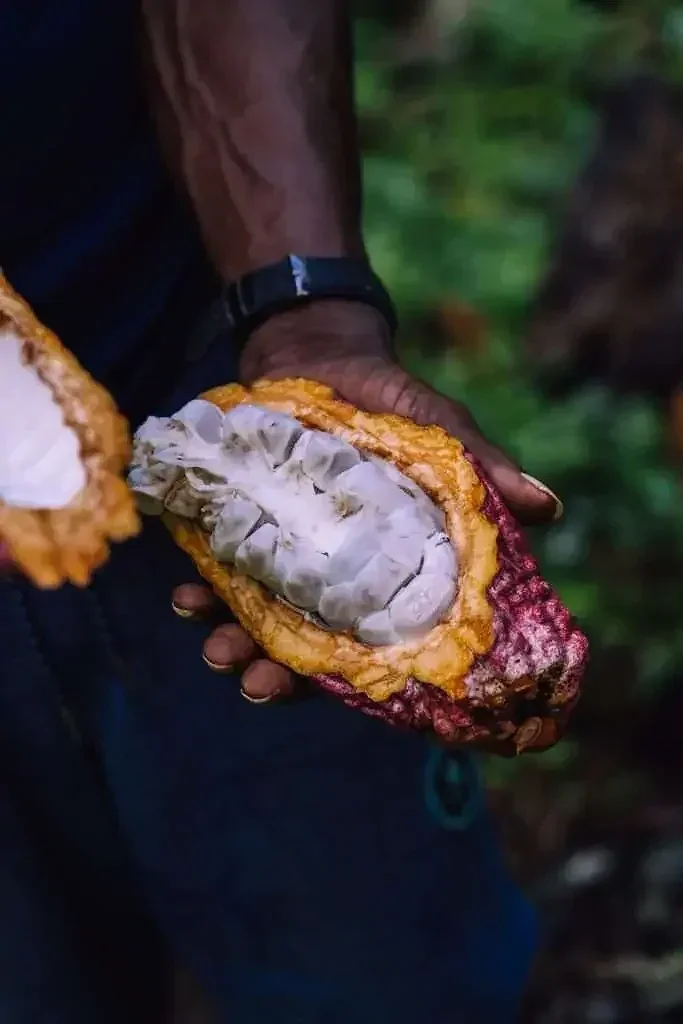
Hand presents a freshly split ripe cacao pod, revealing glistening white beans amid lush Panamanian jungle.
Medical tourism and health tourism are often grouped, yet they reflect fundamentally different motivations within the broader wellness tourism industry. Medical tourism refers to travel undertaken for specific medical treatments. This may include dental care, elective surgical procedures, fertility treatments, or specialized interventions that are unavailable or cost-prohibitive in a traveler’s home country. The primary objective is clinical resolution. Efficiency, expertise, and access are central drivers.
Health tourism operates from a different premise. Rather than responding to acute medical needs, it focuses on preventive care and holistic health. Health tourism may include diagnostic screenings, integrative therapies, nutritional consultations, longevity assessments, and structured lifestyle evaluations designed to support physical health and mental health before illness occurs. The emphasis is proactive rather than corrective.
Wellness tourism intersects with health tourism when travelers pursue structured wellness services intended to promote health without undergoing invasive medical treatments. A wellness traveler may attend a health resort to recalibrate sleep patterns, improve metabolic balance, or strengthen physical fitness through guided programs. They may participate in yoga or meditation retreats to support mental wellness and emotional health. The intention is enhancement, not intervention.
The distinction ultimately rests in mindset. Medical tourism is typically a response to adverse health conditions or specific clinical necessity. Wellness tourism, by contrast, is oriented toward self-care, physical well-being, and mental well-being as ongoing priorities. Wellness tourists travel not because something is broken, but because they seek to maintain wellness, deepen holistic health practices, and enhance overall well-being.
As the global wellness tourism sector continues to expand alongside medical tourism and health tourism, clarity becomes increasingly important. Each serves a purpose within the broader health and wellness ecosystem. Yet wellness tourism remains defined by prevention, personal growth, and strengthening the body and mind before illness dictates urgency. It reflects a shift in how travelers understand health itself, not as crisis management, but as continuous cultivation.
Physical Fitness and Active Wellness Travel

Open-air jungle gym with punching bags, free weights and hanging vines invites energizing workouts at Musa MX.
Physical fitness has become central to wellness travel, not as aesthetic performance, but as recalibration of strength, stamina, and physical well-being. In 2026, wellness tourism experiences increasingly integrate guided hikes through mountain terrain, ocean-based endurance swims, sunrise mobility sessions, and structured fitness classes led by local fitness instructors who understand both the land and the body. These offerings are no longer add-ons within wellness resorts. They are core design elements of immersive wellness programs.
Destinations shaped by dramatic natural landscapes are positioning themselves as environments for health transformation. Forest trails become training grounds for cardiovascular resilience. Coastal paths support physical fitness through rhythm and breath. High altitude regions enhance endurance and metabolic adaptation. Within wellness resorts, fitness centers anchor structured programming, yet the emphasis increasingly extends outdoors where physical and mental health evolve together through movement in nature.
Structured fitness classes, recovery protocols, and progressive endurance challenges are framed as measurable pathways toward physical health improvement rather than temporary exertion. Wellness tourists seeking active wellness trips expect intentional sequencing, from warm-up to recovery, that supports both physical and mental health outcomes. Emotional health and physical well-being are understood as intertwined, with movement serving as both release and regulation.
For wellness travelers, physical fitness within wellness tourism is less about peak output and more about sustainable rhythm. It is about rebuilding trust in the body, restoring energy, and returning home with movement practices that can be maintained long after the wellness trip concludes.
Benefits of Wellness Tourism
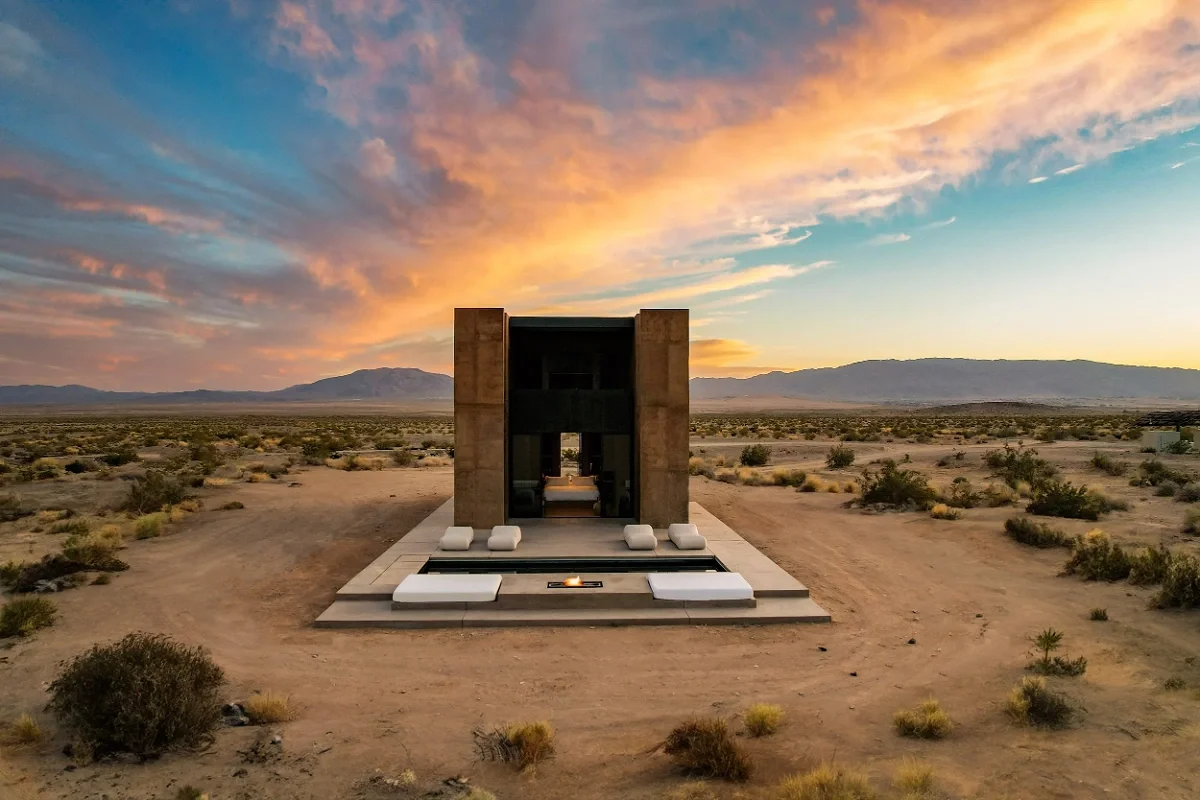
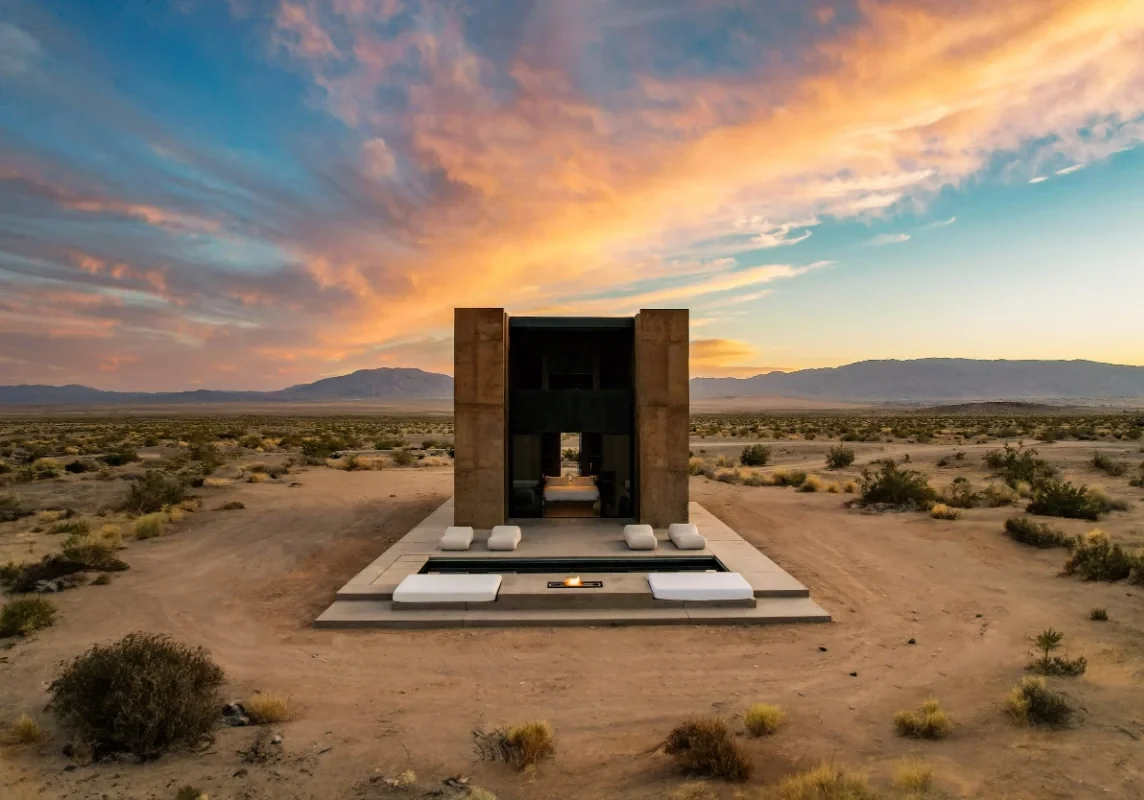
Minimalist concrete cabin glows against a vast Mojave Desert plain beneath a dramatic pink-orange sunset sky.
The benefits of wellness tourism extend far beyond relaxation. At its most immediate level, structured wellness tourism experiences are designed to regulate the nervous system. Guided breathwork, meditation retreats, thermal immersion, and intentional physical fitness programs actively reduce stress rather than simply distract from it. This regulation is often supported by travel experiences rooted in a slower rhythm and conscious pace, where the absence of urgency becomes part of the healing mechanism. Measurable outcomes such as improved sleep quality, lowered resting heart rate, enhanced recovery time, and increased heart rate variability are increasingly cited by wellness travelers who approach wellness travel as preventive care rather than passive leisure.
Mental health outcomes are equally significant. Unlike conventional vacations that may provide temporary relief from professional demands, wellness tourism programs intentionally address emotional health and cognitive overload. Structured self-care protocols, digital detox frameworks, and facilitated reflection spaces support mental wellness in ways that unstructured leisure trips often do not. For many wellness tourists, the shift is subtle but powerful. Instead of returning home depleted by over-scheduling, they return with strengthened wellness routines and clearer behavioral frameworks for maintaining wellness.
Long-term health benefits are increasingly associated with repeat participation in wellness tourism. When physical and mental health practices are reinforced through immersive environments, habit formation becomes more likely. Exposure to consistent sleep schedules, nutrient-dense cuisine, guided fitness classes, and evidence-informed wellness services can catalyze sustainable healthy lifestyle changes. Physical health improvements, such as improved mobility, cardiovascular endurance, and metabolic balance, often persist when wellness travelers integrate learned practices into daily life.
Perhaps the most significant benefit, however, is recalibration. Wellness tourism creates structured interruption. It removes individuals from habitual stress cycles and reintroduces embodied awareness. In doing so, it supports not only physical and mental health but a redefinition of how individuals relate to work, rest, movement, and personal well-being. The benefits of wellness tourism are therefore not confined to the duration of a trip. They extend into daily life, shaping how wellness travelers eat, move, sleep, and respond to stress long after returning home.
Technology and the Future of Wellness Tourism
Technology is no longer an accessory to wellness tourism. It is becoming part of the architecture that shapes how wellness travel is designed, delivered, and sustained. In 2026, digital systems extend travelers' embodied experiences.
Wellness apps now serve as entry points into curated wellness programs. Pre-trip assessments measure stress levels, sleep patterns, and physical fitness baselines. Virtual consultations with licensed wellness practitioners allow programs to be customized around mental health goals, physical health metrics, or specific restorative outcomes. This shift signals a move away from generic retreat models toward precision wellness tourism experiences tailored to individual needs.
During wellness vacations, wearable technology tracks heart rate variability, recovery time, sleep cycles, and movement patterns. For wellness travelers focused on measurable health benefits, this data provides feedback loops that reinforce progress. Fitness programs, meditation retreats, and spa treatments are no longer evaluated solely by subjective feeling but by observable shifts in physical and mental health indicators. The integration of data strengthens credibility within the global wellness tourism industry, particularly for travelers who prioritize evidence-informed holistic health.
For industry professionals, digital infrastructure enables scalability and accountability. Data analytics allow wellness resorts and health resorts to measure guest outcomes across cohorts. Structured feedback systems support continuous refinement of wellness services. Transparent credential verification systems allow wellness tourists to evaluate practitioner training and ethical standards before committing to programs. As the global wellness tourism sector matures, transparency is becoming a competitive advantage rather than a regulatory burden.
Technology is also reshaping continuity. Historically, wellness travel was episodic. A guest would attend a retreat, return home, and gradually lose momentum. In 2026, digital platforms extend wellness routines beyond the duration of a trip. Guided meditation libraries, personalized fitness classes, and structured self-care protocols remain accessible after departure. This continuity transforms wellness tourism from a temporary reset into a catalyst for maintaining wellness long term.
There is, however, a tension emerging within wellness travel. The same digital systems that enable customization can also risk over-quantification. Wellness tourists increasingly seek balance between measurable health benefits and the intangible qualities of silence, presence, and spiritual well-being. The future of wellness tourism will likely be defined not by how much technology is integrated, but by how thoughtfully it is used.
When deployed with intention, technology strengthens the integrity of wellness tourism. It connects pre-trip preparation, on-site experience, and post-trip integration into a unified ecosystem. Rather than fragmenting attention, it can anchor accountability. The result is a model of wellness travel that is not isolated from daily life but embedded within it, reinforcing overall well-being long after the journey concludes.
Market Trends and Global Wellness Institute Findings
According to the Global Wellness Institute in its Global Wellness Economy Monitor, the global wellness tourism market reached approximately 651 billion dollars in 2022, reflecting a decisive recovery from pandemic-era contraction. The institute projects the market to reach approximately 1.1 trillion dollars by 2027, with growth expected to exceed that of the broader tourism industry during the same period. Beyond headline figures, the structure of the market reveals its nuance.
The Global Wellness Institute distinguishes between primary wellness travelers, who travel specifically for wellness tourism experiences, and secondary wellness travelers, who incorporate wellness activities into broader itineraries. Secondary wellness travelers account for the majority of trips globally, yet primary wellness travelers typically generate higher per-trip expenditures due to longer stays, curated wellness programs, and specialized wellness services.
Domestic wellness trips represent the largest share of overall activity. Most wellness tourism expenditures occur within travelers’ home countries, underscoring how wellness travel has become integrated into lifestyle patterns rather than limited to occasional international journeys. International wellness travel contributes a smaller share of total trips, yet it accounts for substantial revenue due to higher average spending levels. Regionally, North America, Europe, and Asia Pacific remain the largest markets. Established spa cultures, thermal bathing traditions, and integrative health systems support consistent participation. At the same time, emerging destinations continue to expand infrastructure aligned with wellness facilities, health resorts, and preventive health services, diversifying the global wellness tourism landscape.
Wellness tourism operates within the broader wellness economy, interconnected with fitness, spa services, preventive health, and wellness real estate. Capital investment across these adjacent sectors contributes to the continued expansion of wellness-focused hospitality and destination development.
The data does not suggest a fleeting surge. It reflects sustained capital flow, differentiated spending behavior, and projected multi-year growth through 2027, as reported by the Global Wellness Institute.
Future Outlook

If the past decade asked where we want to go, 2026 is asking how we want to feel when we return.
Travel is becoming less about accumulation and more about calibration. The most meaningful journeys now offer space to reset nervous systems, rebuild physical strength, restore emotional clarity, and reconnect with purpose. What once felt indulgent is now understood as maintenance. What once felt aspirational is now essential.
For you as a reader, this shift invites discernment. Not every retreat, resort, or wellness vacation delivers depth. The question to carry forward is whether an experience strengthens your long term well being or simply distracts from depletion. Seek destinations that honor place. Seek programs led by qualified practitioners. Seek environments that respect both the body and the land. The future of travel rewards intention.
The future of travel will belong to those who understand that well being is not a trend category. It is a human need. And when journeys are designed to genuinely support physical and mental health, to restore rhythm, and to renew perspective, travel becomes something quieter and more powerful than escape. It becomes a return to self.
Related Posts