Some links in this post are affiliate links. That means we may earn a small commission, at no additional cost to you.
The Glacier Express is one of the world’s most celebrated train travel journeys, carrying travelers through the heart of Switzerland in panoramic comfort. Linking the iconic resort destinations of Moritz and Zermatt, the Glacier Express route crosses deep valleys, mountain passes, and historic railway lines that define the Swiss Alps. Known as the “slowest express train in the world,” it invites passengers to trade haste for wonder, an invitation that echoes our commitment to considered, slow-travel connection. The Glacier Express experience is defined by a unique blend of breathtaking scenery, attentive service, and a choice between first and second class comfort, making it a highlight of Swiss travel.
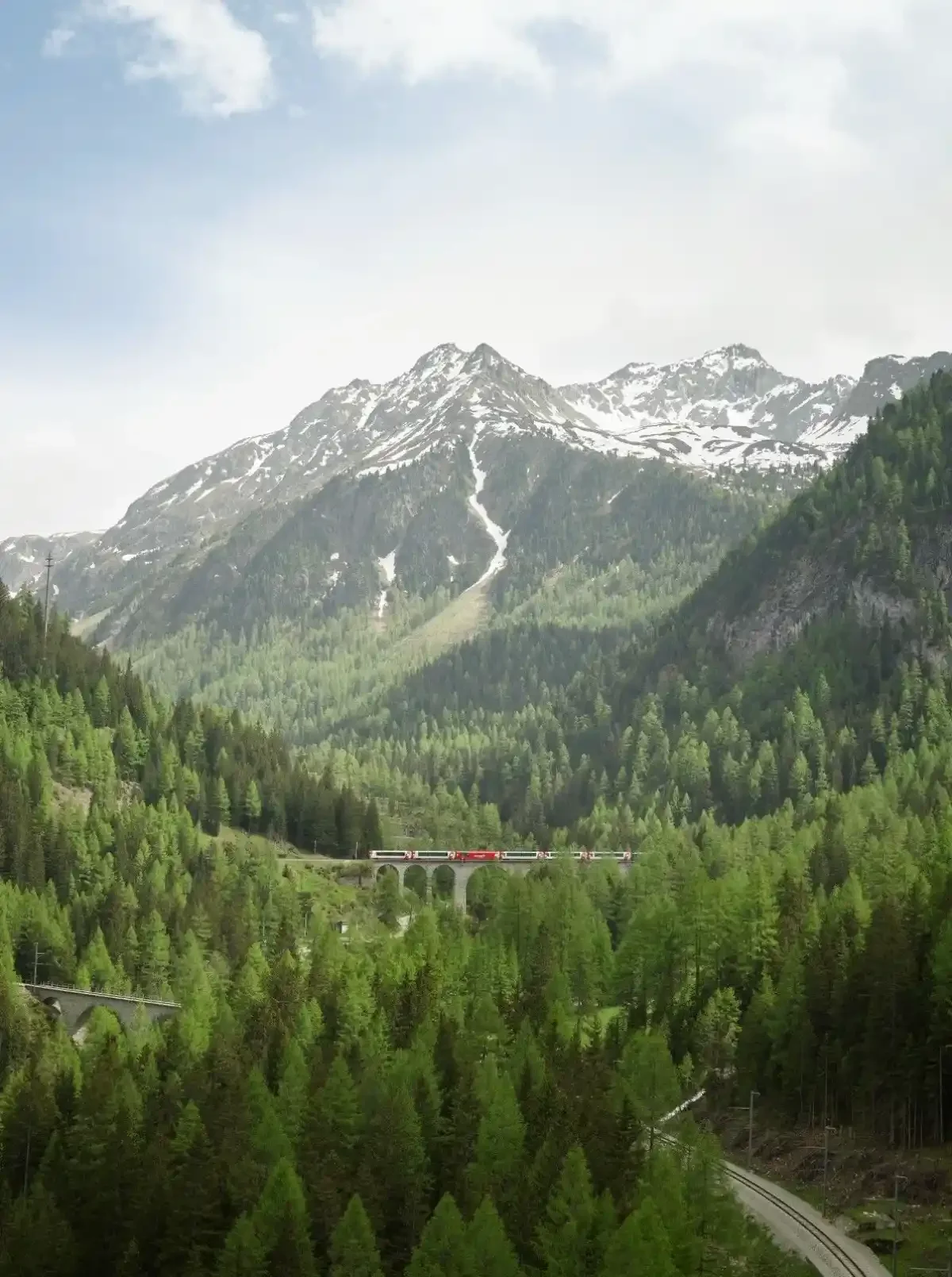
Every curve along the journey reveals spectacular landscapes and another dimension of Switzerland’s geography: glacial peaks that seem to float in cloud, sun-washed villages, and rivers cutting through emerald meadows. The Glacier Express route spans 291 kilometers, 181 miles, weaving across 291 bridges and through 91 tunnels. The entire route from Zermatt to St Moritz showcases the full grandeur of the Swiss Alps, though travelers can also choose to experience select sections. From its first ascent below the Matterhorn to its highest point at the Oberalp Pass, 2,033 meters above sea level, the route captures both the precision of Swiss engineering and the art of slow travel.
History and Heritage of the Glacier Express
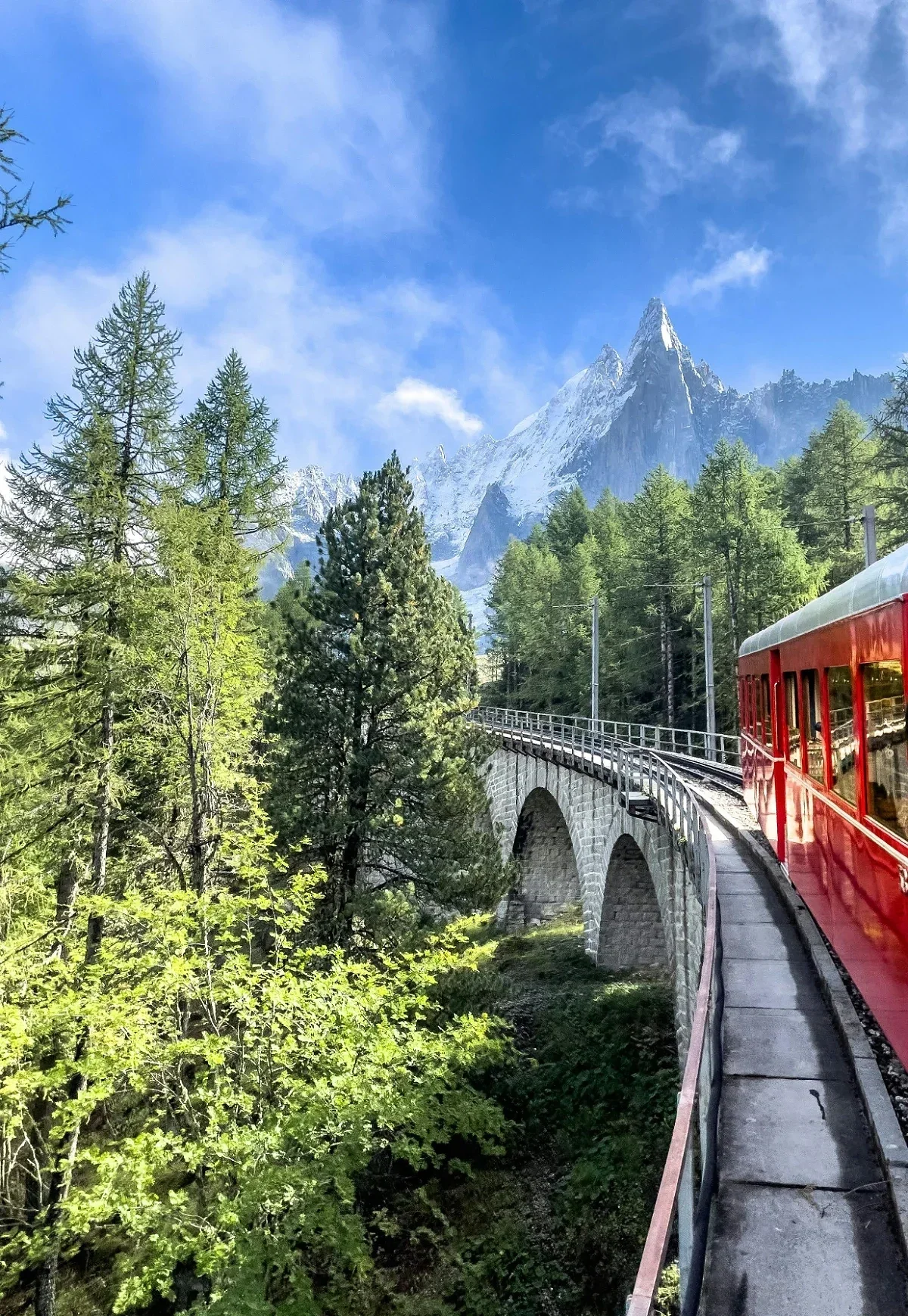
The story of the Glacier Express is closely tied to the evolution of Switzerland’s mountain railways, where engineering precision met the demands of an unforgiving landscape. When the service first launched in 1930, it was conceived as a practical connection between Zermatt and St Moritz, linking two alpine regions that were otherwise difficult to access. The collaboration between the Rhätische Bahn and the Matterhorn Gotthard Bahn required innovative solutions to navigate steep gradients, deep valleys, and extreme seasonal conditions, laying the foundation for what would become one of the world’s most iconic rail journeys.
In its early years, the experience was shaped more by function than refinement, yet the route itself quickly defined the train’s identity. As it passed through high mountain terrain, crossed dramatic gorges, and connected culturally distinct regions of Switzerland, it offered a continuous view of the country that few had encountered before. The railway line became more than infrastructure; it formed a connective thread between landscapes, languages, and ways of life. Post-war investment brought a gradual transformation in Switzerland. Electrification, improved track systems, and the construction of key engineering works such as the Furka Base Tunnel allowed the Glacier Express to operate reliably throughout the year, removing the seasonal limitations that once defined alpine travel. This shift marked a turning point, as the journey evolved from a regional transport service into a destination in its own right.
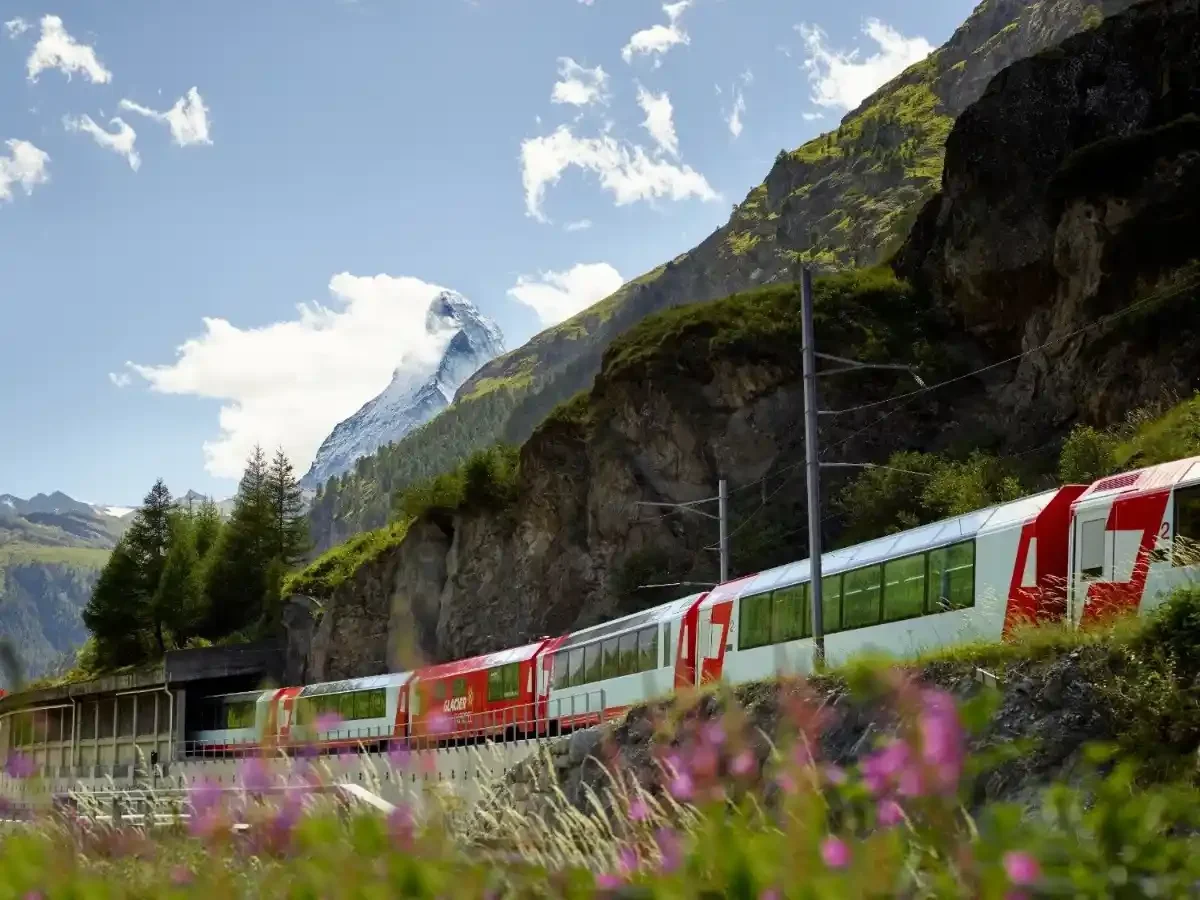
By the early 2000s, the Glacier Express began to take on the form recognized today. The introduction of panoramic coaches reframed the experience, replacing smaller windows with expansive glass that turned each carriage into a moving vantage point across the Swiss Alps. The refurbishment in 2006 further refined interiors and onboard service, aligning the journey with contemporary expectations while maintaining its restrained, distinctly Swiss character. This evolution reflects a broader shift in how legacy travel experiences are being reimagined. Much like the transition seen in the Orient Express Corinthian, where a historic rail icon expands into maritime form without losing its identity, the Glacier Express has evolved through careful enhancement rather than reinvention. The focus remains on continuity, where innovation supports the experience rather than overtaking it.
The establishment of Glacier Express AG in 2017 brought a new level of focus to the train’s operations, ensuring continuity while enhancing the overall experience. The addition of Excellence Class introduced a more curated approach to onboard travel, yet the essence of the Glacier Express remained unchanged. The route, the railway line, and the landscapes in Switzerland continue to anchor the journey, offering a rare balance between heritage and quiet innovation.
Where the Glacier Express Travels
The timetable lists just two termini, Zermatt in the south and St Moritz in the east, but the railway line is a composite of two historic networks. The Matterhorn Gotthard Bahn carries the train from Zermatt to Disentis, then transfers responsibility to the Rhaetian Railway, whose Albula and Bernina sections are part of a UNESCO World Heritage site recognized for their harmonious integration of technology and nature. Together, they form a meter-gauge line, a narrow-gauge railway specifically designed to navigate the steep, mountainous terrain of the Swiss Alps, enabling the train to traverse challenging alpine routes.
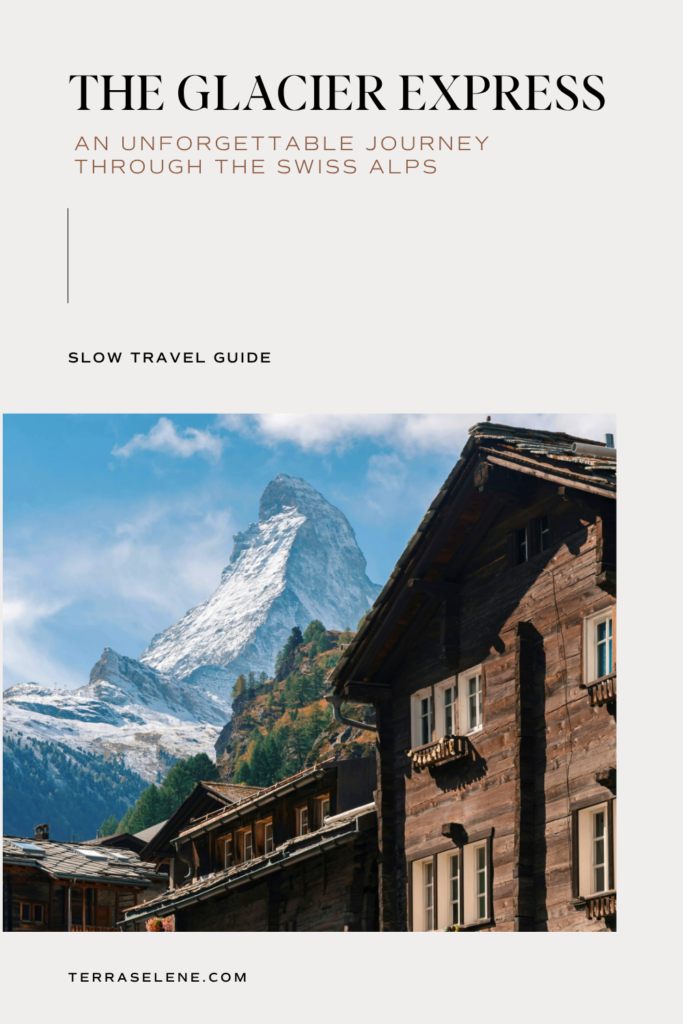
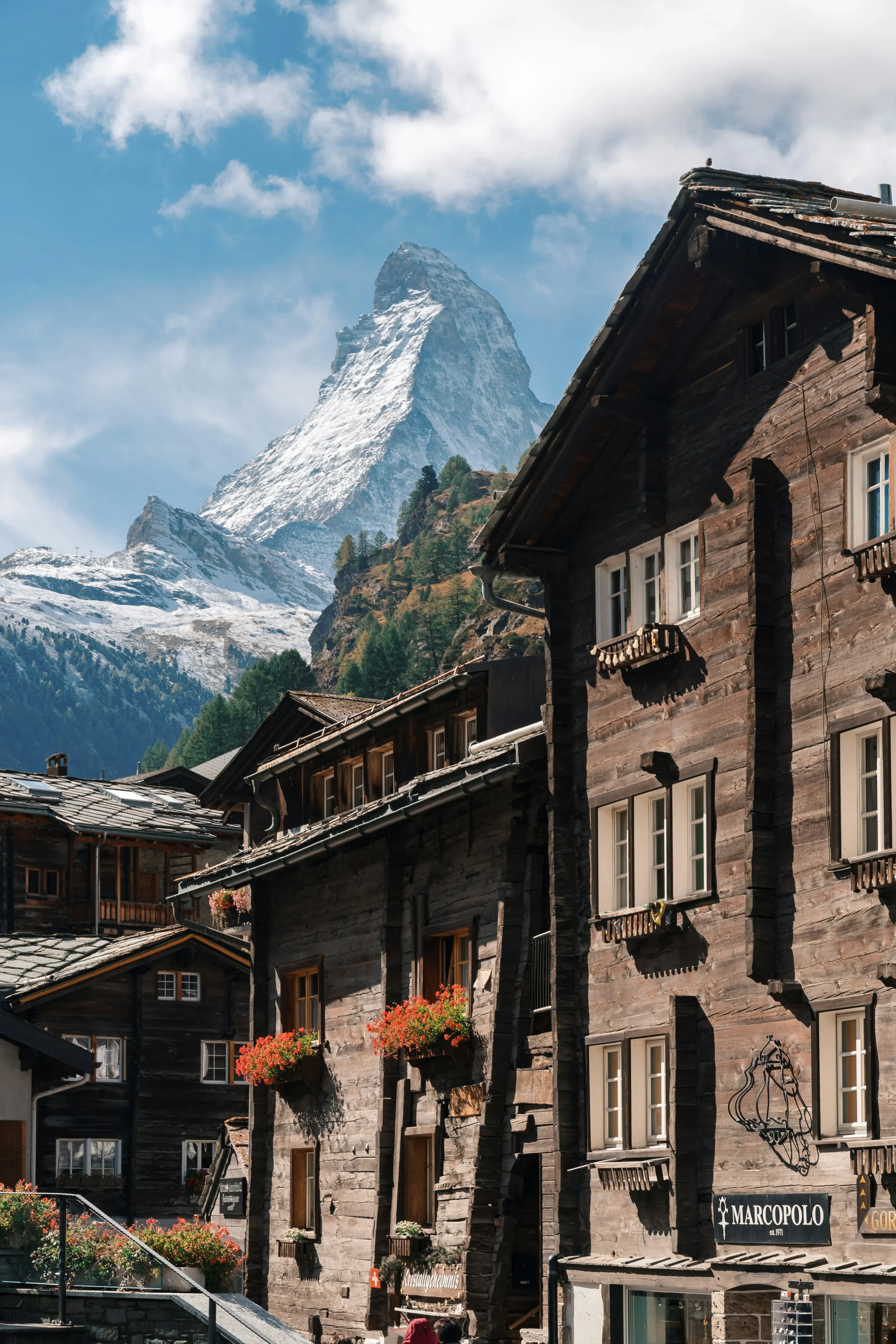
Leaving Zermatt, a car-free village known for its proximity to the Matterhorn and its range of accommodations, the train service rolls beneath the Matterhorn’s north-east ridge, then follows the Matter Valley toward Brig. Vineyards appear in disciplined terraces, and the air softens as altitudes drop. Past Brig, the line bends toward Andermatt, climbing through larch forests before entering the Furka Base Tunnel, a 15-kilometer bore that allows winter operation when the historic Furka Pass road closes under ice. Emerging on the high plateau near Realp, the track continues its ascent, eventually reaching the Oberalp Pass. Here, the perspective flips: peaks now sit level with carriage windows, and lakes reflect sky as crisply as cut glass. Along the route, key train stations such as Brig, Andermatt, and Chur serve as important access points, connecting passengers to other trains and destinations throughout the region.
The descent toward Disentis introduces the young River Rhine, its water turquoise against white stone, and highlights the dramatic gorge that is a signature feature of the journey. At Reichenau-Tamins the river widens, and the Glacier Express glides into Chur, Switzerland’s oldest city. The final eastbound stage circles through spiral tunnels on the Albula Line, crosses the Landwasser Viaduct in a single sweep of limestone arches, and enters the Engadin Valley where St Moritz waits amid lakes the color of lapis in summer and silver in winter.
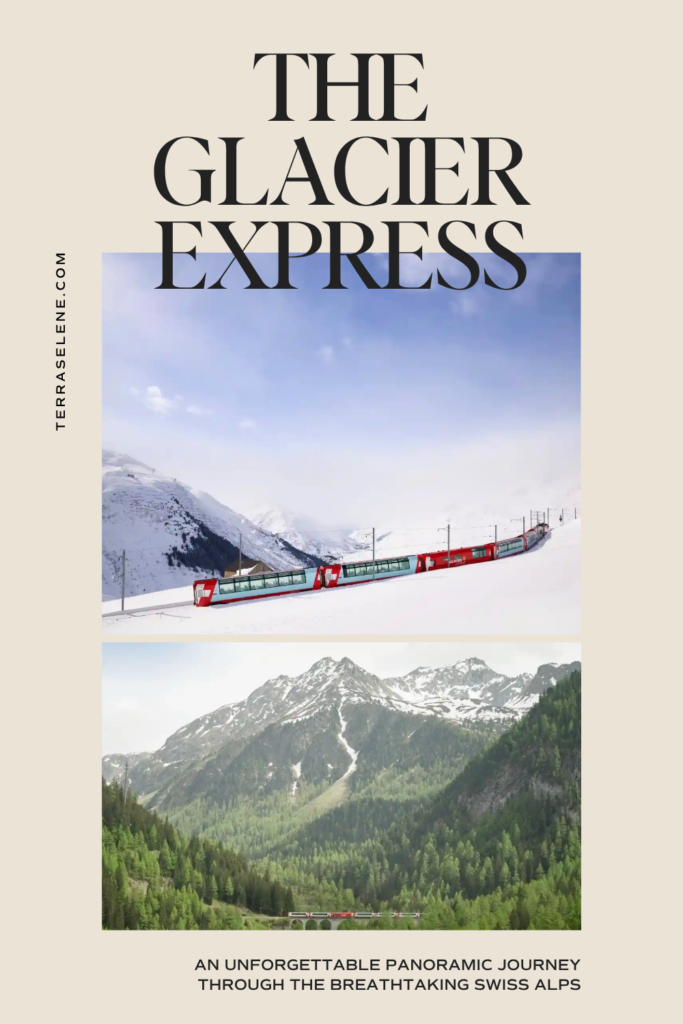
If you choose to ride the Glacier Express route with regular trains that do not require reservations, you will need to change trains at certain stations, such as Disentis, Andermatt, and Visp. These connections are well-timed, and the trains often feature large windows and comfortable seating, making them a practical alternative to the panoramic Glacier Express. The large panoramic windows on the Glacier Express feature floor-to-ceiling windows for unobstructed views of the landscapes.
Scenic Highlights Along the Route
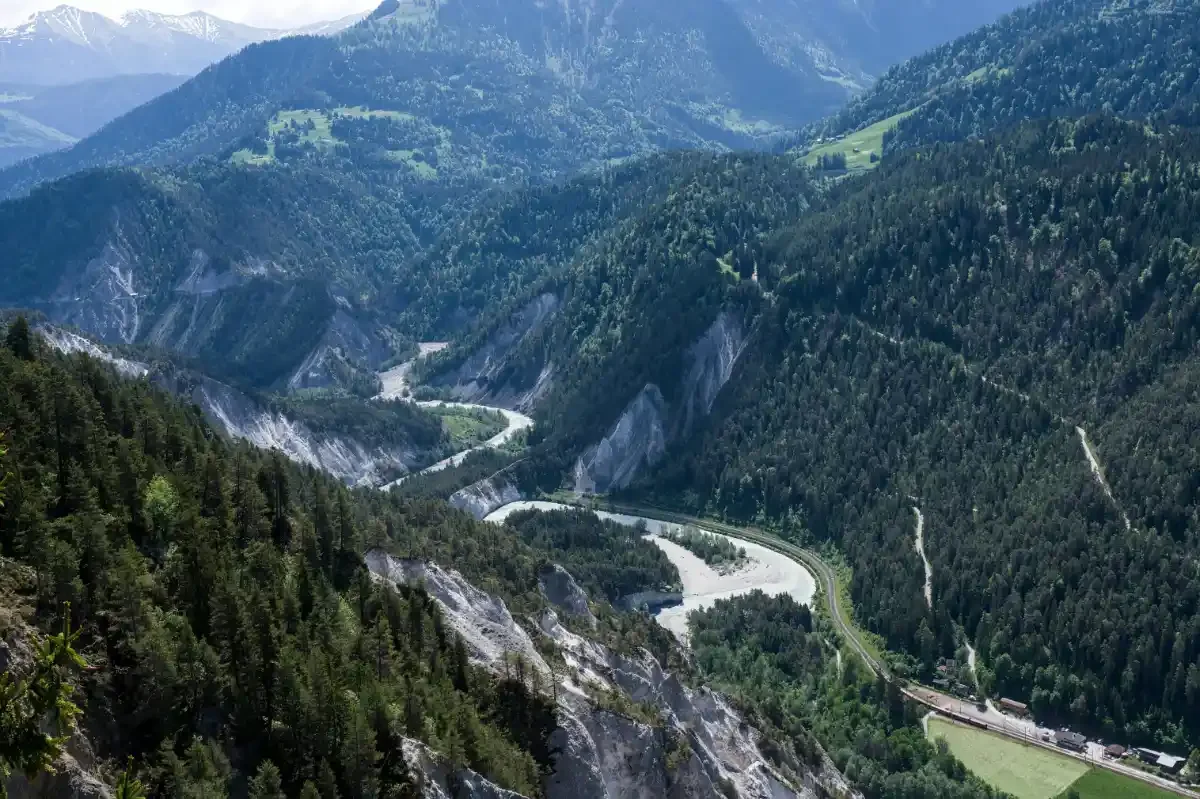
Rhine Gorge
The Glacier Express route provides remarkable clarity of the Swiss Alps, nowhere more striking than the Rhine Gorge, also known as the Swiss Grand Canyon, where pale cliffs fall toward a ribbon of turquoise water, and forests gather along the valley floor. The panoramic windows frame these scenes without interruption, allowing the journey to unfold as a continuous study in light and scale. For those seeking flexibility, local trains run along the same railway line and offer access to many of the same views, making it possible to shape a more fluid itinerary across the Swiss Alps. Many travelers also pair the Glacier Express with other scenic routes, creating a more layered experience of Switzerland’s mountain regions rather than a single passage through them. Those traveling with photography in mind will appreciate the opening windows in designated areas of the train, reducing reflections and allowing for clearer images of the passing landscape.
Oberalp Pass
The Glacier Express runs along the Oberalp Pass, which marks the highest point at 2 033 meters above sea level, where the landscape opens into a broad alpine saddle shaped by snow and wind. From late winter into spring, snow still lines the track, while early blooms begin to emerge through the thaw, creating a quiet contrast between seasons. This section of the train journey takes on a more expansive quality rather than a steep ascent. The gradient is gentle, yet the altitude is unmistakable as the horizon stretches and the surrounding peaks settle into a wider, more open frame. Small alpine structures appear distant against the terrain, and meltwater gathers in shallow lakes that reflect the passing train in moments of stillness.
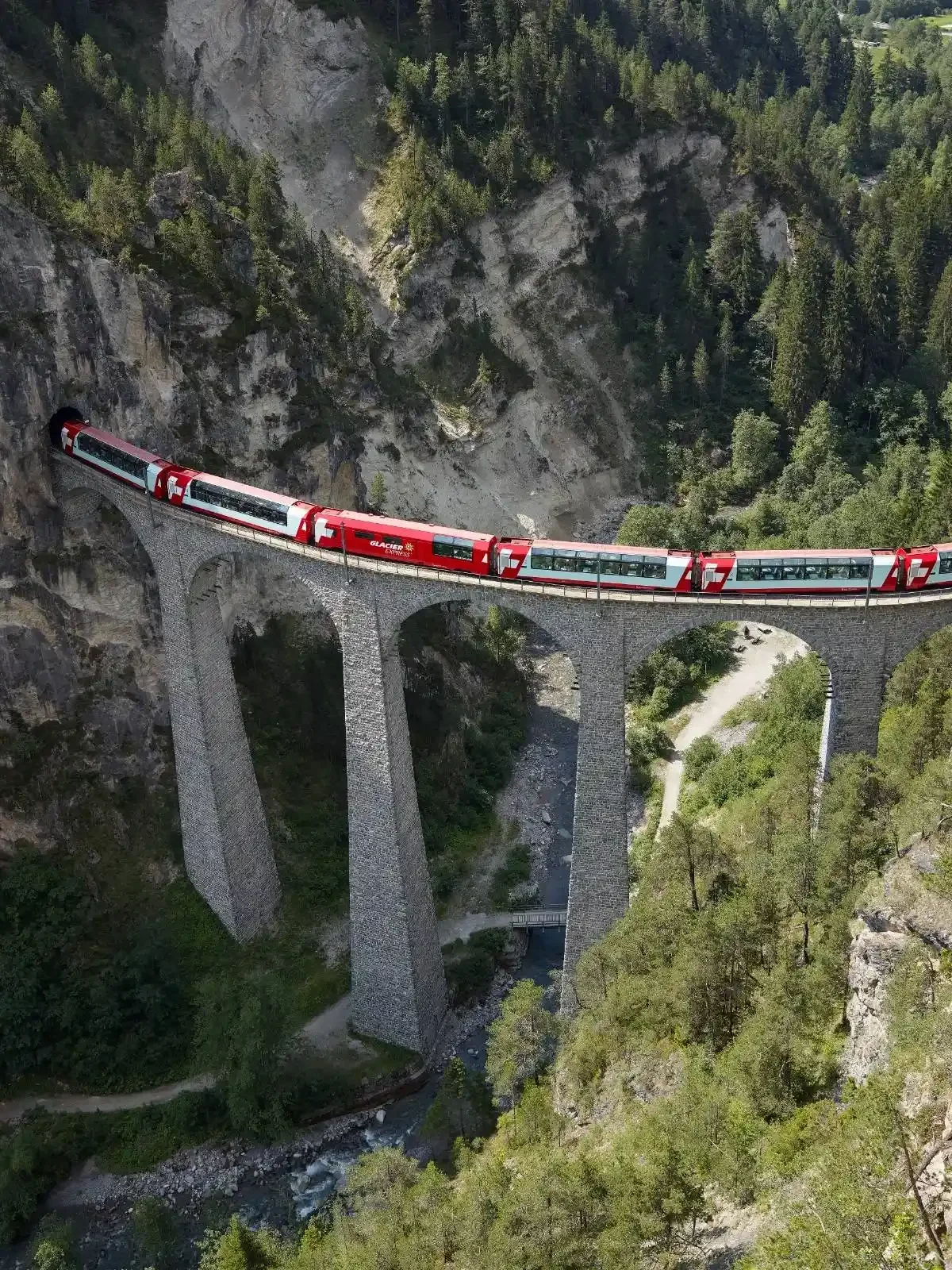
Landwasser Viaduct
Few bridges own a silhouette as recognisable as this six-arch curve near Filisur. Built in 1902 from local limestone, the viaduct stands 65 meters above the valley floor and runs directly into a cliff-face tunnel. The design demonstrates how Swiss railways embrace geography rather than flatten it. Passengers on the right side of eastbound services enjoy an unobstructed view of the entire structure; those on the left watch shadows ripple across the engineering that supports them.
Planning Your Glacier Express Journey
Onboard Experience

Every Glacier Express carriage is a glass studio calibrated for views, but service varies by class. On-board entertainment is available in all classes, enhancing the scenic train journey through the Swiss Alps. Excellence Class, introduced in 2019, reimagines train travel as a curated tasting menu. Featuring seats arranged 1+1 across the car width, each traveler is guaranteed a window seat, providing the ultimate in luxury, comfort, and premium service. Lounge chairs adjust for lumbar support with ample leg room, free headphones supply multilingual commentary, and a dedicated host manages a flow of champagne and espressos, with complimentary coffee, juice, and snacks between touristic briefings. A five-course regional lunch pairs Valais saffron soup with Pinot Noir from Graubünden and includes a souvenir glass as a parting gift. The reservation supplement for this tier is CHF 540, payable in addition to a First Class ticket or a Swiss Travel Pass. Booking your seat in the Excellence class allows for the most exclusive Glacier Express experience.
First Class trades intimacy for capacity but retains wide seats and full-height windows. In First Class, seats are arranged 2+1 across the carriage, offering more elbow room and fewer passengers per car compared to Second Class, though the on-board service is the same. Meal service is available as a three-course reservation or à la carte from the rolling on board kitchen, with food and beverage not included in the reservation fee; these can be ordered from a full menu at extra cost. Second Class features a 2+2 seating arrangement across the carriage, offering comfortable seats and panoramic windows, with a slightly higher capacity than First Class but the same high standard of service. In both of these Classes, staff progress down the train at regular intervals, taking orders for food and drink. The same scenery slides by regardless of ticket type, a reminder that the railway’s true luxury is time. All carriages are air-conditioned, luggage racks accommodate full-size suitcases, and attendants issue tour maps detailing each valley, pass, and station. All Classes on the Glacier Express have power sockets and free WiFi available for passengers.
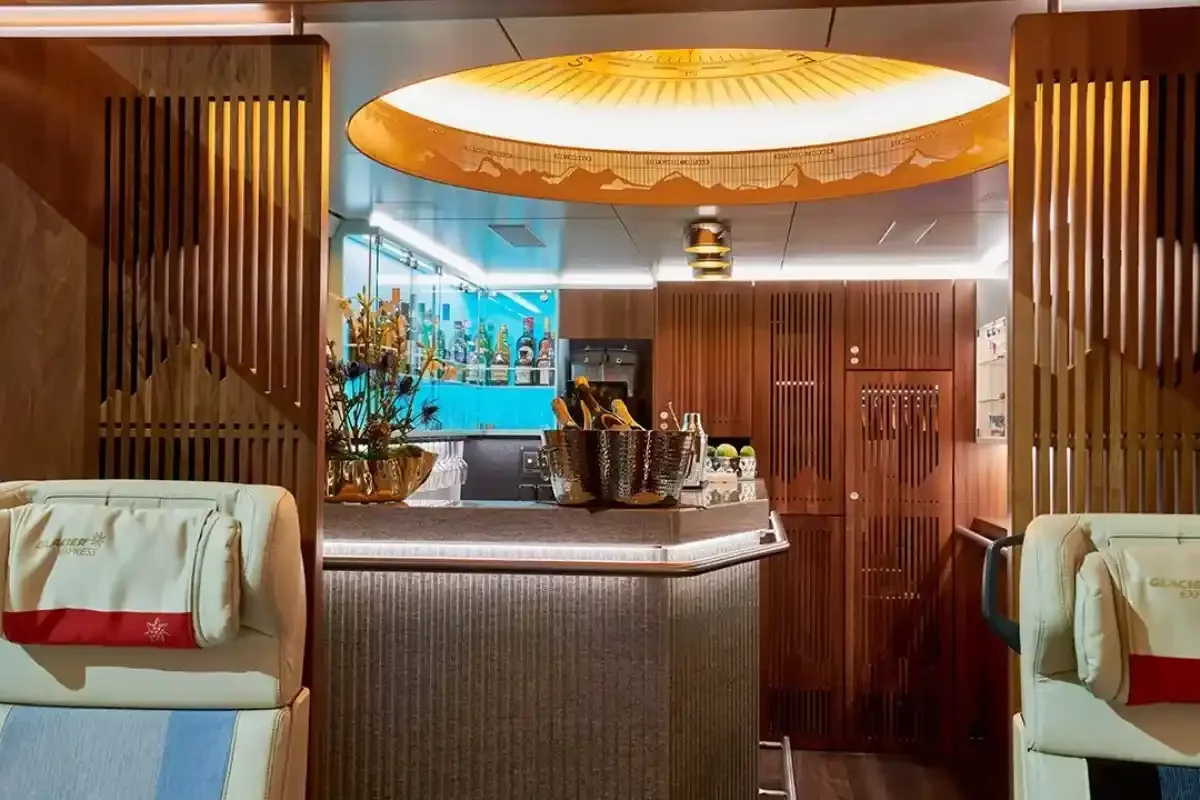
The Glacier Express features a stylish glacier bar car, a unique amenity among Swiss trains, where you can enjoy drinks in a social setting. Food and drinks can also be ordered from your seat, and lunch is served at your seat in First and Second Class, with options to pre-book or order on the day. A three-course meal costs about CHF 50. Passengers may be seated with other travelers, and seating can be shared or assigned for privacy. You are also allowed to bring your own food and drinks, including a picnic and a bottle of wine, on board for added flexibility.
Dining across classes reflects the Swiss commitment to local supply chains. Menus change seasonally: mountain cheese in autumn, trout from Alpine lakes in spring, and berries from the Valais in early summer. Lunch is served at your seat in both First and Second Class, with options for two, three, or four-course meals, all presented on fine china with freshly polished silverware. Plates arrive timed to landscape cues: main course after the Furka Base Tunnel, dessert as the train skirts the Engadin lakes. Coffee service ends near Samedan, where evening light paints the runway of Europe’s highest commercial airport.
Booking and Reservations
Travel on the Glacier Express train requires both a valid ticket and a Glacier Express seat reservation. A seat reservation is mandatory for all travelers, and you can easily make your Glacier Express seat reservation online through the official Glacier Express website, which provides real-time carriage diagrams for selecting your preferred seat. When planning your journey, it’s important to purchase train tickets as early as possible, as availability can be limited, especially during peak seasons. Carefully select your travel date, considering peak periods like July, August, December, and January, to ensure the best experience and seat availability. Sales open 93 days ahead, and train passes can be purchased up to six months in advance. Sought-after seats, particularly in Glacier Express Excellence Class, sell out quickly. Some upgrades or special services, such as first class, private compartments, or onboard meals, may incur an extra cost in addition to your ticket and reservation. The Glacier Express website primarily sells full-price tickets, which can be more expensive than purchasing a Saver Day Pass or other discounted options. Travelers holding passes for local trains, such as the Swiss Travel Pass or GA Travel Card, should note that the pass counts as your Glacier Express ticket, but you still need to pay the seat reservation fee. Second Class one-way fares between Zermatt and St Moritz start at CHF 159; First Class fares begin at CHF 268. Children under six travel free, provided they share a seat. Some packages, including the Glacier Express, often feature a Digital Swiss Coupon Pass, offering exclusive experiences throughout Switzerland.
It is best practice to secure the reservation first, then purchase the ticket, especially if travel dates are inflexible. Online booking through Glacier Express AG offers real-time carriage diagrams that display available window seats. Printed confirmation is not required; a QR code on a mobile device suffices.
Best Season to Ride The Glacier Express
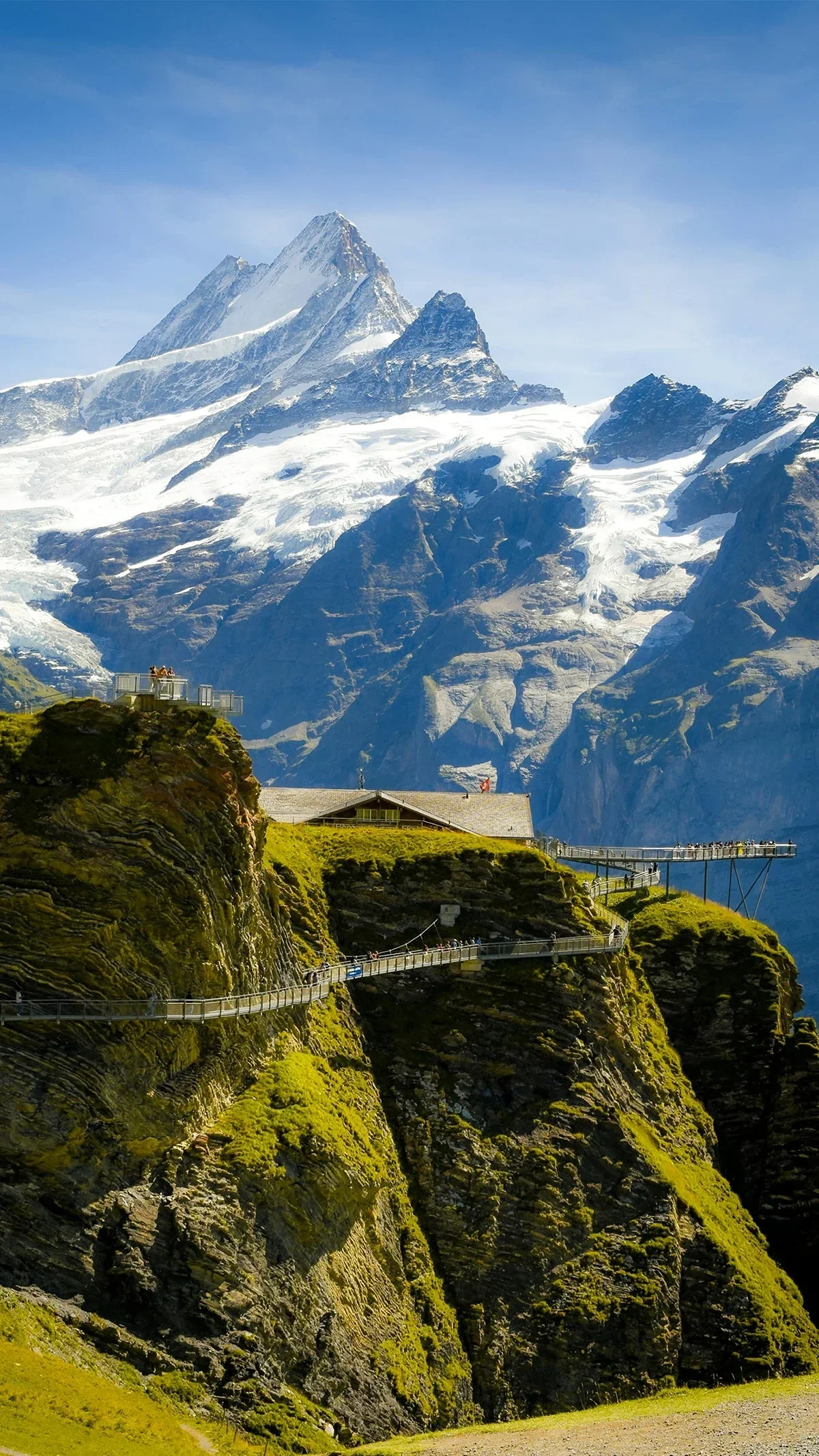
The Glacier Express operates most of the year, pausing only for track maintenance from mid-October to early December, with service resuming in mid-December. Each season reshapes the view beyond the panoramic windows. During the winter season, the Swiss Alps are cloaked in monochrome clarity: lakes freeze into mirrored slate, forests glint with hoarfrost, and the train usually runs two departures a day, both of which should be booked at least three months ahead. Spring follows with snowmelt waterfalls that streak granite walls and brighten pastures; afternoon light during these months deepens the chalk-white folds of the Rhine Gorge. Summer offers the longest daylight of the year, revealing every contour of green valley and alpine hiking trail, yet its popularity means the Excellence Class seats onboard the Glacier Express can vanish weeks in advance. By September, autumn replaces glare with gold as larch forests burnish the Engadin slopes, and cooler air settles over quieter platforms before service pauses in mid-October. Photographers gravitate to the winter season for stark contrasts and to summer for extended light, while slow-travel devotees often favor the quieter shoulder months when reservations are easier, and carriages feel unhurried. Historically, the Glacier Express operated only during the summer months due to avalanche risks and snow conditions in the alpine region, but today it runs most of the year, allowing travelers to experience the route in every season.
Winter Trips and Activities
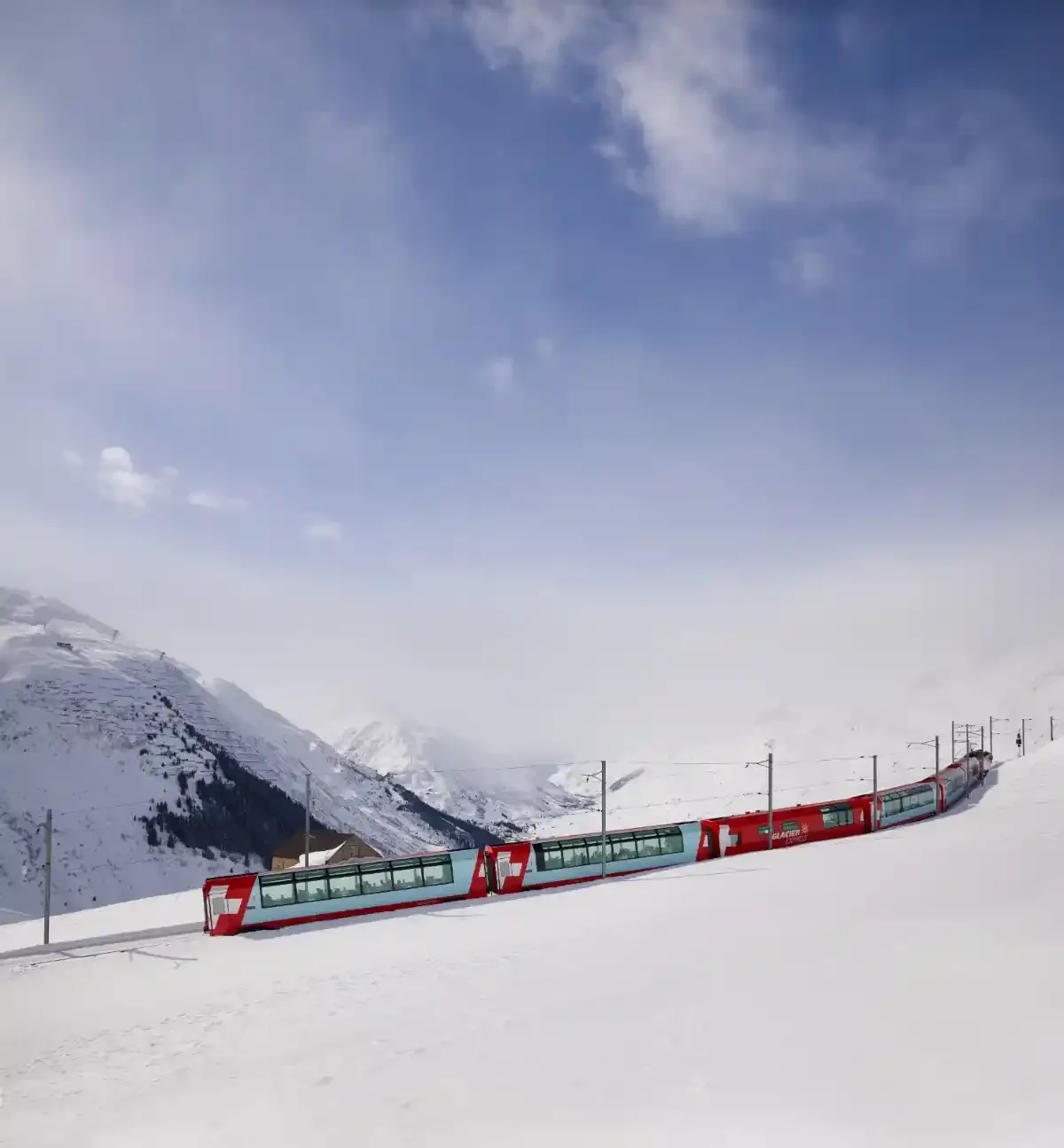
When winter cloaks the Swiss Alps in a shimmering blanket of snow, the Glacier Express transforms into a cozy sanctuary, gliding through a landscape of pure white. The train’s panoramic windows frame scenes of frozen rivers, frosted forests, and mountain villages dusted with powder, making every moment onboard feel like a journey through a living snow globe. The journey outside becomes a true winter wonderland, evoking a magical, fairy-tale atmosphere that enchants travelers as they traverse the Alps. Inside, passengers are treated to warm hospitality, with soft drinks, regional cuisine, and attentive service ensuring comfort as the train winds its way between Zermatt and St Moritz.
Winter is also the season when the Glacier Express opens up a world of alpine adventure at every stop. In Zermatt, travelers can step off the train and onto the slopes for world-class skiing beneath the Matterhorn, or explore winter hiking trails that meander through silent, snow-laden forests. Andermatt offers opportunities for snowshoeing and tobogganing, while the Engadin valley around St Moritz is renowned for its cross-country ski trails, ice skating, and even horse-drawn sleigh rides. This rhythm of movement and stillness reflects a broader shift towards wellness-oriented journeys, where trips are designed not only around destinations but around how they are felt in the body. The contrast between the warmth of the train’s modern design and the crisp mountain air outside makes winter journeys especially memorable. Whether you’re seeking the thrill of alpine sports or the tranquility of a winter landscape viewed from a window seat, the Glacier Express delights travelers with a winter experience that is both magical and uniquely Swiss.
Cost, Passes, and Practical Tips
Treat tickets and seat reservations as separate purchases: the base fare can be covered by a Swiss Travel Pass, GA Travel Card, or standalone point-to-point ticket, but every passenger still needs a dated seat reservation before boarding. Booking the reservation first secures space on the preferred departure and direction. A Saver Day Pass, bought far in advance, occasionally undercuts the standard fare, particularly in Second Class. Luggage remains with passengers inside each carriage, so pack layers for temperature changes on exposed mountain platforms even though interiors stay comfortably regulated. For the best views, choose the right-hand side when traveling east from Zermatt toward St Moritz to capture the sweep of the Landwasser Viaduct, and sit left on westbound services to watch the Rhine Gorge open beneath the windows. Photographers will find a thin microfiber cloth useful for polishing the large glass panes, and holding a dark jacket behind the lens helps eliminate interior reflections when shooting the Swiss Alps in full sunlight.
Combining with Other Trains
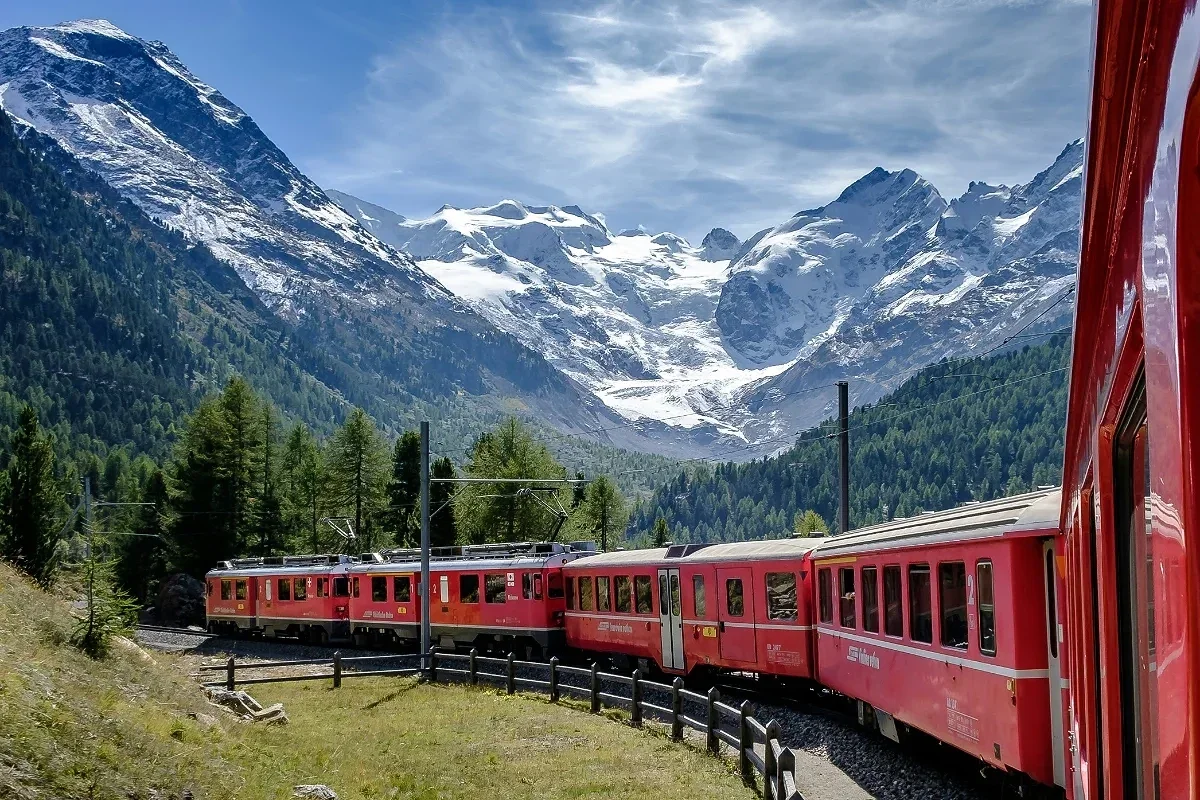
The Glacier Express is just the beginning of what’s possible when exploring Switzerland by rail. Thanks to the country’s seamless network of local trains and panoramic routes, you can easily combine your Glacier Express journey with other legendary train rides. With a Swiss Travel Pass or Swiss Travel Pass Flex, travelers enjoy unlimited access to public transportation, making it simple to connect from St. Moritz or Zermatt to destinations like Lugano via the Bernina Express, or Lucerne aboard the Gotthard Panorama Express. The flexible timetable and well-coordinated connections allow you to craft a personalized itinerary, weaving together the best of the Swiss Alps, vibrant cities, and tranquil lakes. Whether you’re planning a day trip or an extended adventure, the Glacier Express opens the door to a world of scenic train travel and cultural discovery.
CURATED TRAVEL
Need help booking a seemless journey to your destination?
Let us plan your itinerary from start to finish, with carefully selected stays, seamless routing, and considered recommendations throughout. As a Fora Travel advisor we’re able to secure upgrades, added amenities, and preferred access — at no extra cost to you.
Explore St. Moritz
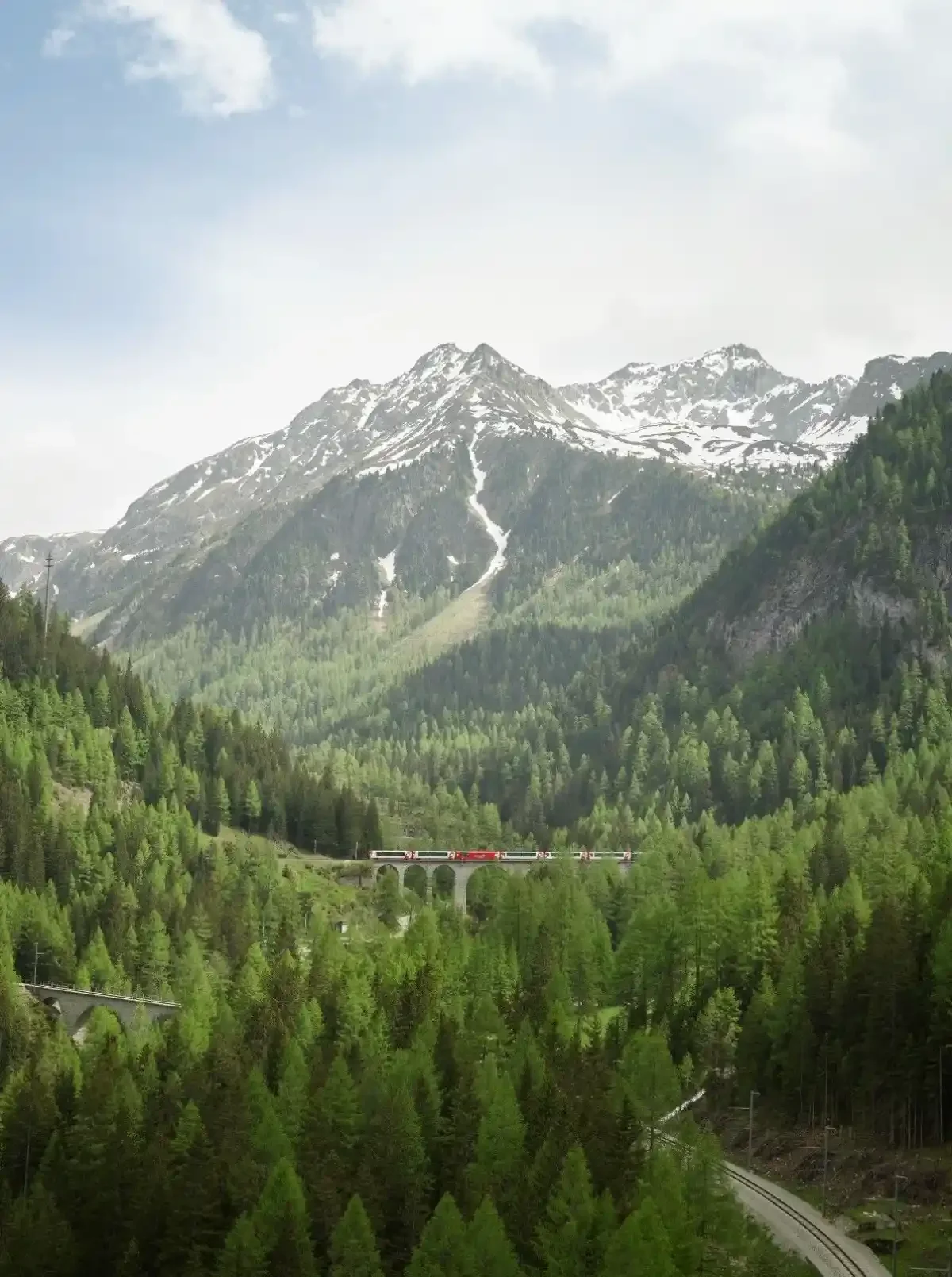
Arriving in St Moritz aboard the Glacier Express is the perfect prelude to exploring one of Switzerland’s most glamorous alpine destinations. The town’s railway station sits at the gateway to the Engadin valley, where sparkling lakes and snow-capped peaks create a playground for both relaxation and adventure. After disembarking, travelers can easily connect to local trains for onward journeys or take a relaxing drive through the surrounding mountains.
St Moritz is famed for its luxury hotels, world-class spas, and vibrant culinary scene, offering everything from traditional Swiss fare to Michelin-starred dining. In winter, the area is a haven for skiers and snowboarders, with pristine slopes and extensive cross-country trails. For those seeking a slower pace, the town’s boutiques, art galleries, and lakeside promenades provide ample opportunity to unwind and soak in the alpine atmosphere. Luggage services at the station make it easy to transition from train travel to your next adventure, whether you’re heading to a mountain resort or exploring the valley’s scenic attractions. With a valid ticket or Swiss Travel Pass, visitors can also take advantage of local trains to discover nearby villages and hidden gems throughout the region. St Moritz is not just a destination; it’s the perfect finale to a journey defined by elegance, comfort, and the breathtaking beauty of the Swiss Alps.
Why Slow Travel Elevates the Journey
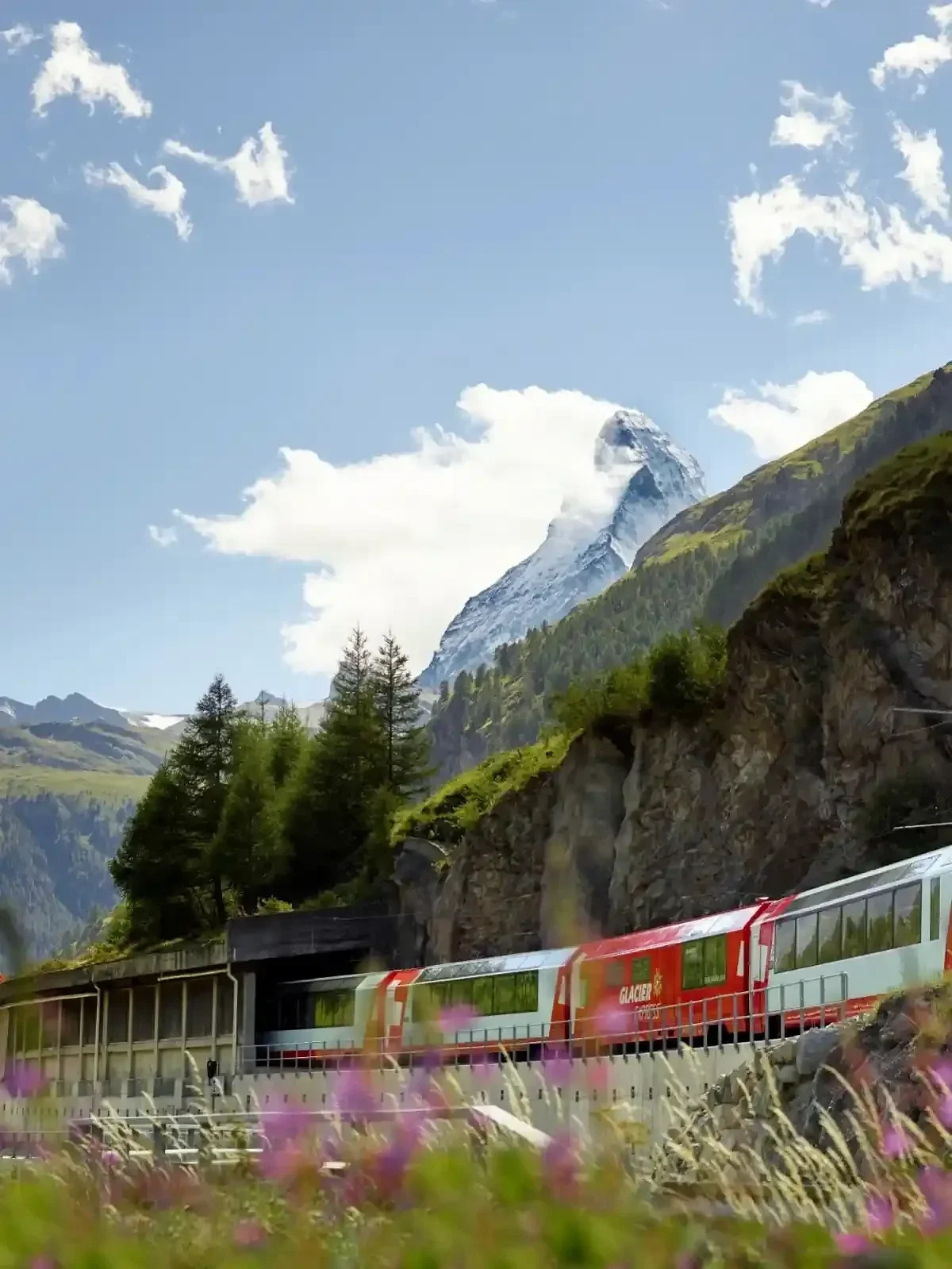
Slow travel philosophy values depth over distance. The Glacier Express illustrates this principle at the national scale. Covering barely 180 miles in eight hours, it does not measure progress in kilometers but in moments: the first glimpse of the Matterhorn, the smell of resin in conifer forests above Andermatt, the hiss of ice as skis scrape platforms in winter. This cadence aligns with our earlier explorations of the slow travel philosophy and the pilgrimage along the Camino Portugués, where landscape and time blend into a single lesson on presence. The train’s deliberate pace also highlights how infrastructure can honor ecology. Spirals and viaducts adapt to topography rather than erase it, and panoramic coaches ensure every passenger witnesses the alpine environment that engineering protects.
Pin This for Later