Some links in this post are affiliate links. That means we may earn a small commission, at no additional cost to you.
The Dolomites are not a single destination. They’re a mountain range forming part of the Southern Limestone Alps, spanning roughly 350,000 acres across northeastern Italy and folding through the provinces of Trentino-Alto Adige, Südtirol, Veneto, and Friuli-Venezia Giulia. Named a UNESCO World Heritage Site in 2009, this region holds 26 distinct mountain groups, over 2,000 peaks, and a cultural geography shaped by centuries of Italian, Austrian, and Ladin influence. The pale mountains that glow pink and amber at sunset are limestone formations born from ancient tropical seabeds during the Triassic period, uplifted when the African continent collided with Europe some 65 million years ago.
What makes the Italian Dolomites distinct from other Alpine regions in Europe is their layered quality of the landscape. Jagged rock walls rise from soft valleys where Ladin is still spoken in villages like those of Val Badia and Val Gardena. The region blends refined mountain architecture, food traditions rooted in both Italian and Austrian kitchens, and hiking trails that range from gentle meadow walks to exposed via ferrata routes. This guide is designed for intentional travelers planning a first or second trip, those who want to understand how the region is organized, where to stay, how to move between villages, and which experiences are worth building a full day around.
The Northern Italy Landscape
Northern Italy is a region where natural grandeur meets centuries of culture, offering travelers a tapestry of experiences that extend far beyond the ordinary. Here, the Dolomites rise as a dramatic mountain range in the northeastern corner, their pale limestone peaks earning UNESCO World Heritage Site status for their unique geology and breathtaking beauty. This part of Italy is a magnet for those who crave adventure, with countless outdoor activities including mountain climbing, hiking trails, and mountain bike routes which weave through valleys and over high passes, where each turn reveals a new vista that feels untouched by time.
The Geography Of The Dolomites
The first thing to understand about the Dolomites is that they do not exist as a single valley, but as a vast and varied mountainous region often described as a stone book of the Earth’s history, preserving 250-million-year-old fossilised coral reefs. Composed of pale carbonate rock, the range takes on shades of pink and orange at sunrise and sunset, a phenomenon known as enrosadira, and is often referred to as the pale mountains for this reason. Its jagged peaks and serene valleys create a landscape of striking contrast, further shaped by a layered history that includes the presence of World War I front lines running through the mountains.
The region stretches roughly east to west, from the Adige River in the west to the Piave Valley in the east, bordered by the Puster Valley to the north and the Sugana Valley to the south. Within this expanse, distances that look short on Google Maps often take far longer than expected in reality. Twenty kilometers via a mountain pass like Passo Gardena or Passo Sella can mean 45 to 60 minutes navigating hairpin turns, cyclists, and summer traffic.
The eastern Dolomites, centered around Cortina d’Ampezzo and the Tre Cime di Lavaredo area, hold some of the most photographed peaks. Moving west, you enter the Ladin valleys of Alta Badia, Val Gardena, and Val di Fassa, each with its own character and access points. Further west still, near Trento and Madonna di Campiglio, the western Dolomites include the Dolomiti di Brenta, separated slightly from the main massif but equally dramatic. The Puster Valley runs as an east-west corridor connecting Brunico, Dobbiaco, and Sesto, serving as the access spine to Lago di Braies and the Tre Cime toll road.
Altitude shapes everything here. Valley bases typically sit between 1,200 and 1,500 meters, while a total of 18 peaks exceed 3,000 meters. Marmolada reaches approximately 3,343 metres, making it the highest peak in the Dolomites, and it hosts the Marmolada Glacier, which is widely recognised as the range’s largest and most significant glacier. Weather shifts rapidly between the valleys and summits, with July temperatures in the valley reaching 25 to 30 degrees Celsius, while snow patches persist above the treelines well into early summer. The hiking season typically runs from late June to late September, with September bringing clearer air and golden larch foliage, alongside the gradual closure of lifts and mountain huts as mid-October approaches. These are the months to visit the Dolomites, offering fine weather and a quieter experience away from the peak summer crowds.
Dolomiti Bellunesi National Park
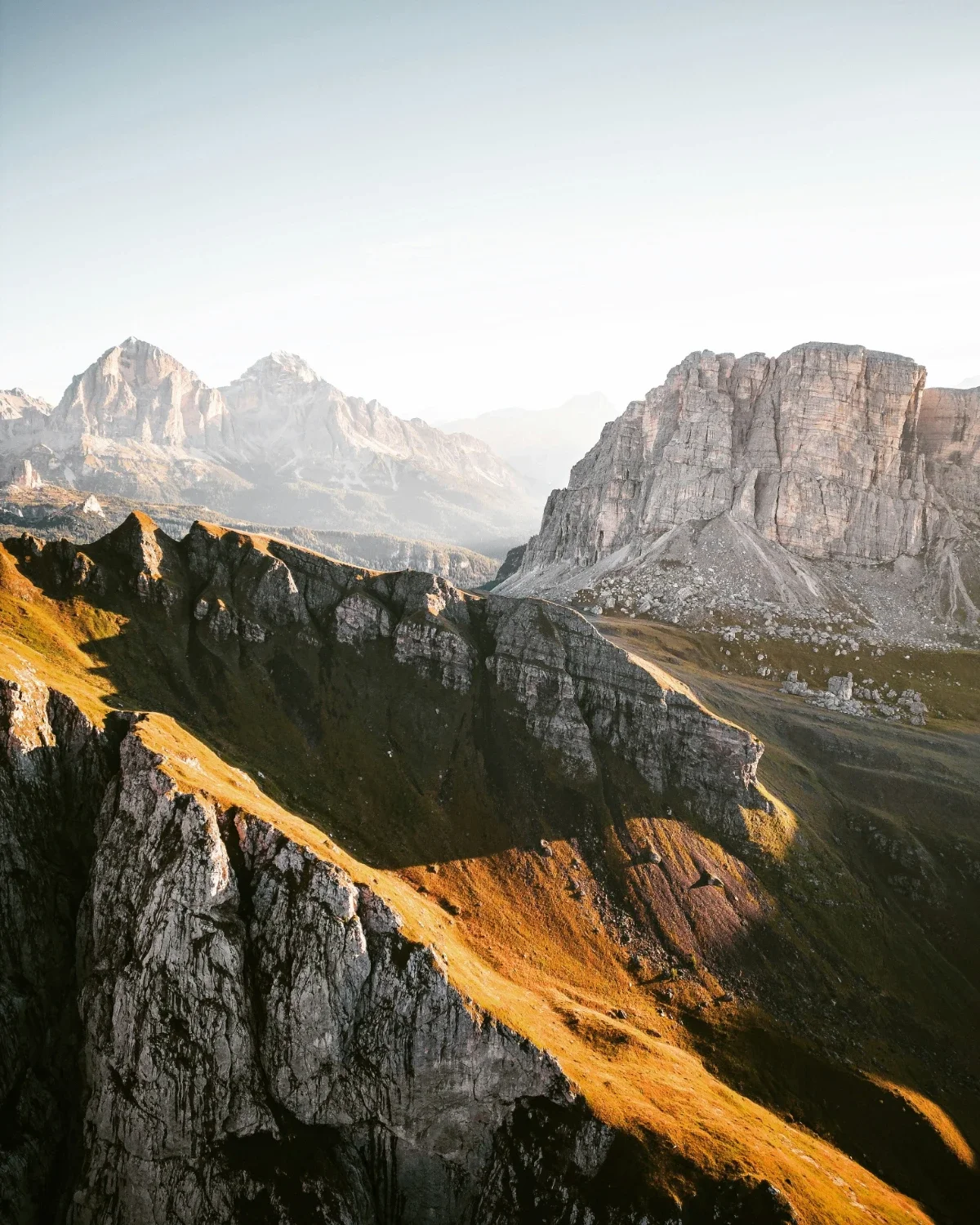
The Dolomites form a protected mountain landscape where access is carefully managed to preserve ecological integrity while allowing for meaningful exploration. Large sections of the range sit within a network of regional parks and conservation areas, where development is restrained, and movement through the terrain is thoughtfully guided. Within this network, the Dolomiti Bellunesi National Park offers a more remote and grounded experience of the range. Trails pass through dense forests before opening into alpine meadows, with dramatic rock faces rising steadily beyond. The routes extend across varied elevations, creating a sense of continuity that allows the landscape to unfold at its own pace.
Protection of the Dolomites is maintained through deliberate, ongoing practices. Meadow ecosystems are carefully preserved, trail systems are maintained to minimize erosion, and wildlife habitats are respected across changing elevations. The region supports a diverse range of species, including ibex and chamois navigating steep terrain, marmots inhabiting alpine grasslands, and golden eagles gliding across the open skies. Seasonal transitions shape the environment further, from early summer wildflower blooms to the quieter, more sparse conditions of autumn.
What defines the Dolomites is the equilibrium between access and preservation. Infrastructure provides entry into the mountains while maintaining continuity across the landscape. Visitors move through a system shaped by protected zones, marked trails, and a shared responsibility to respect the environment. To travel through the Dolomites is to engage with a landscape that has been carefully maintained over time. Each path carries an awareness of the terrain’s sensitivity, encouraging a considered approach to movement and presence. In return, the mountains offer a rare sense of clarity, where the environment remains intact and quietly enduring.
The Valleys that Define The Dolomites
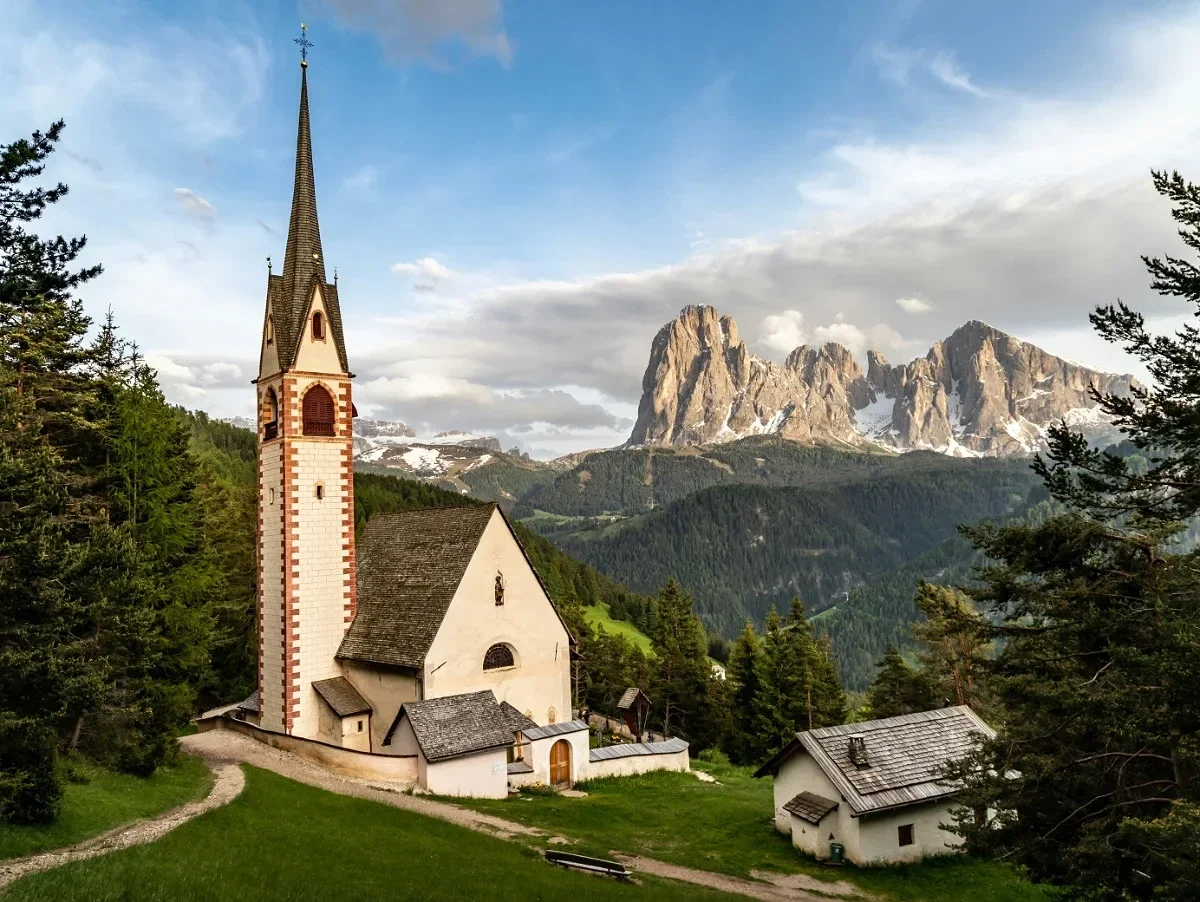
The Dolomites reveal themselves through a series of distinct valleys, each offering a different perspective on the range. Rather than forming a single, continuous landscape, the region unfolds in varied pockets, where atmosphere and terrain shift from one valley to the next.
Val Gardena
Val Gardena functions as one of the most versatile bases in the region, with three main villages strung along the valley floor: Ortisei, Santa Cristina, and Selva di Val Gardena. Ortisei is the most polished, with a pedestrian-friendly center, shops, and the Ortisei-Alpe di Siusi gondola providing direct access to Europe’s largest high-altitude meadow. Santa Cristina sits quieter and more central, while Selva positions you closer to the high passes and alpine terrain around the Sella Group.
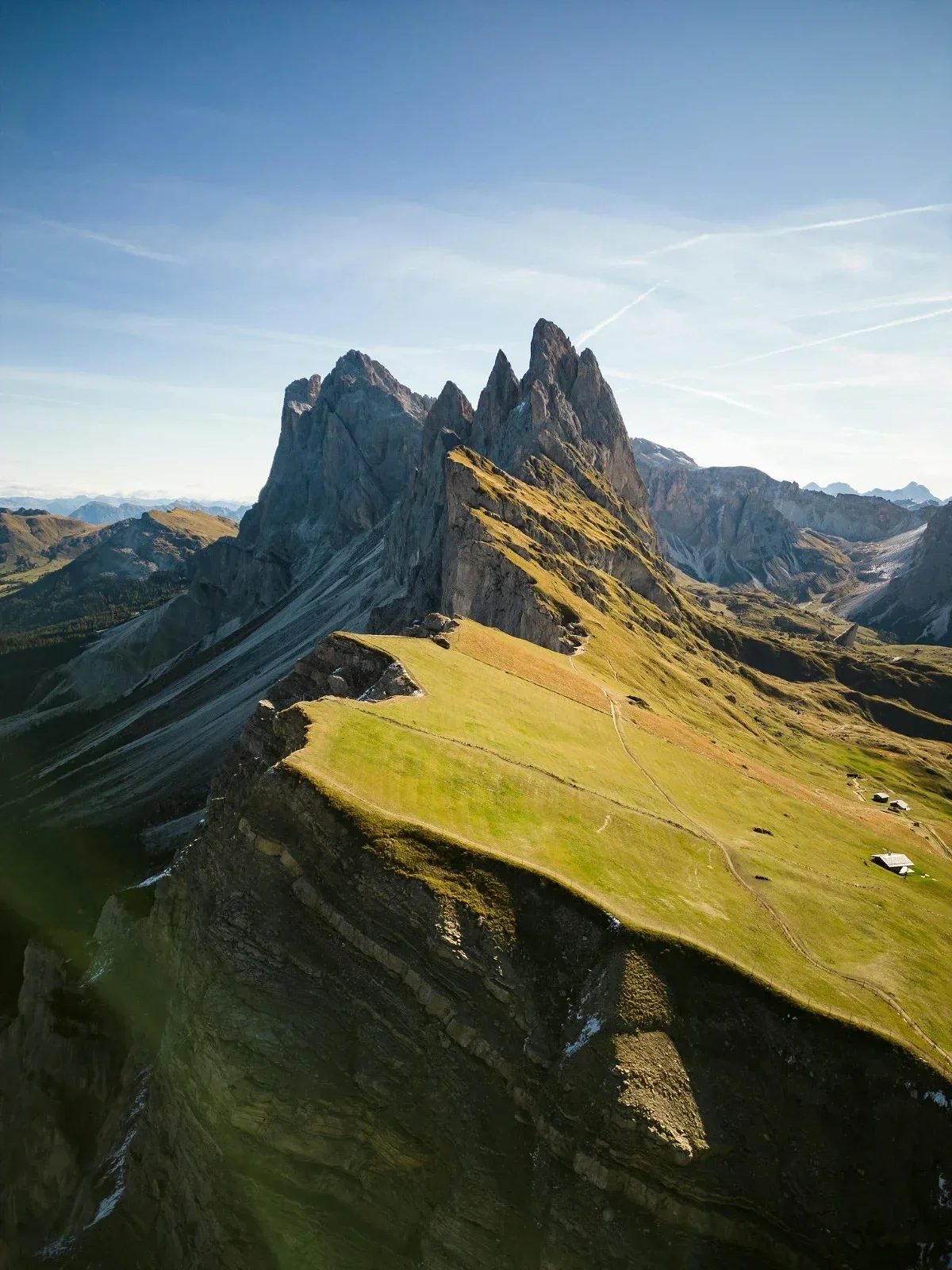
The surrounding landscape blends wildflower meadows with views of the Odle and Geisler peaks, some of the most recognizable silhouettes in the region. The Seceda ridge at 2,519 meters and Col Raiser offer accessible high-elevation walking without technical demands. Road connections toward Gardena Pass and Passo Sella make Val Gardena a natural hub for scenic drives and day trips to Alta Badia or the Sella massif. This valley suits travelers who want a blend of design-forward hotels, wellness facilities, and high-elevation hiking without constant driving.
Alta Badia
Alta Badia spreads across a quieter, more dispersed valley system centered around the villages of Corvara, Colfosco, La Villa, and San Cassiano. This is the heart of Ladin culture, where the language persists in daily life, and the architecture carries a distinct alpine refinement. The valley feels less concentrated than Cortina or Ortisei, with an amphitheater-like ring of peaks including views to the Sella Group, Sassongher, and the Fanes-Sennes plateau.
Lifts radiate directly from the villages, making it possible to start and end many hiking trails without driving to remote trailheads. This suits travelers who value via ferrata, longer plateau hikes, and food-forward hotels with refined half-board dining. Proximity to Passo Campolongo connects quickly to Arabba, while the Gardena Pass links to Val Gardena in under 30 minutes. Alta Badia works particularly well for those who want to minimize car usage once they arrive and prefer quieter evenings in a village setting.
Cortina d’Ampezzo and the Ampezzo Basin
Cortina occupies a broad valley floor in the Ampezzo Basin, ringed by dramatic peaks including Tofane, Cristallo, and Sorapiss. As host of the 1956 Winter Olympics and the upcoming 2026 games, the town carries an urbanized energy distinct from the Ladin valleys. A corso of shops and restaurants runs through the center, and the accommodation ranges from simple B&Bs on passes like Passo Tre Croci to renovated spa hotels near the town center.
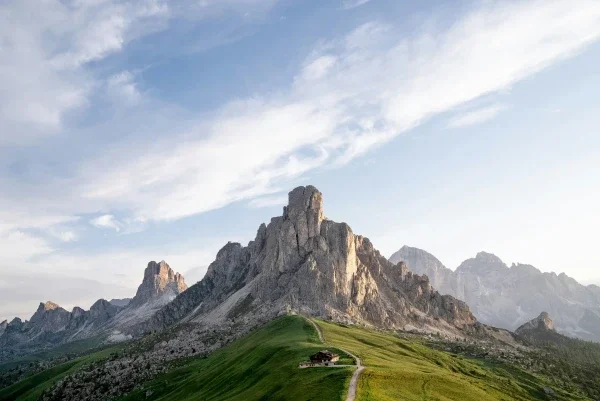
For shorter trips focused on iconic eastern Dolomites experiences, Cortina makes sense as a sole base. The Cinque Torri area, Lago di Sorapis, and access to Tre Cime di Lavaredo via Passo Falzarego and Misurina fall within reasonable driving distance. The town also provides easy access to Passo Giau, one of the most photogenic drives in the region. Note that construction related to the 2026 Olympics continues to affect parking and some routes, so plan accordingly. For longer trips of seven or more days, Cortina pairs well with Alta Badia or a few nights in the Puster Valley to balance east and central exploration.
Puster Valley And The Braies / Tre Cime Corridor
The Puster Valley runs broadly east-west between Brunico, Dobbiaco, and Sesto, with train service and easier driving than the interior mountain passes. This corridor serves as the access spine to Lago di Braies, Tre Cime di Lavaredo via the toll road to Rifugio Auronzo, and smaller lakes like Dobbiaco and Misurina. The Tre Cime circuit, a 10-kilometer loop past Rifugio Lavaredo and Rifugio Locatelli, ranks among the most popular hikes in the entire region.
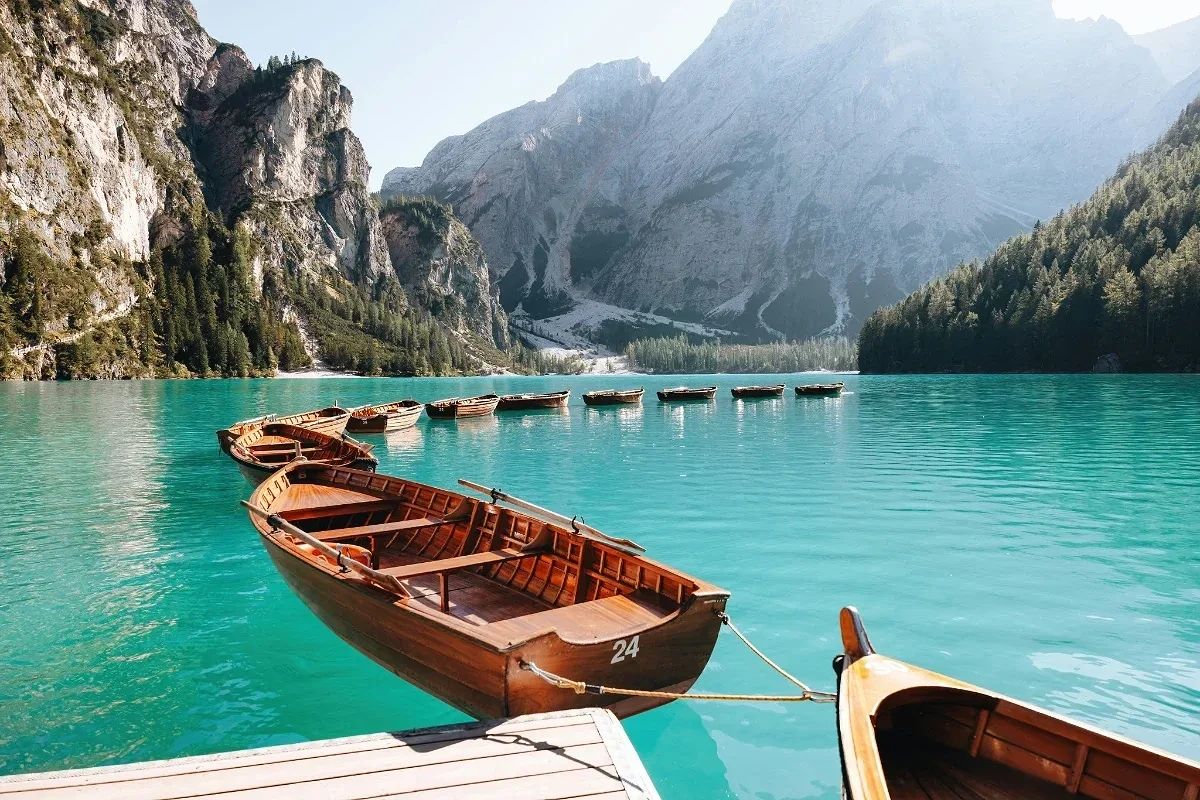
Staying in Dobbiaco or Sesto positions you for pre-dawn starts to avoid crowds and capture sunrise light on the three peaks. The toll road to Rifugio Auronzo costs €30 to €35 per car and has a daily vehicle cap in peak season. Lago di Braies operates with timed entry, parking controls, and shuttle systems during July and August, requiring specific planning. Most people visit Braies as a half-day stop, but for travelers prioritizing the Tre Cime area, basing in Puster Valley reduces long day-trip driving from Cortina or Val Gardena.
Alpe Di Siusi and Val Di Funes
These two landscapes sit near the western edge of the classic Dolomites imagery but serve different purposes. Alpe di Siusi, known as Seiser Alm in German, is Europe’s largest high-alpine meadow. Daytime car access above Compaccio is restricted, requiring use of the Siusi or Ortisei gondolas with last descents around 6 to 7 pm, depending on the season. The plateau is ideal for slower days, gentle walks, and photography rather than technical climbing.
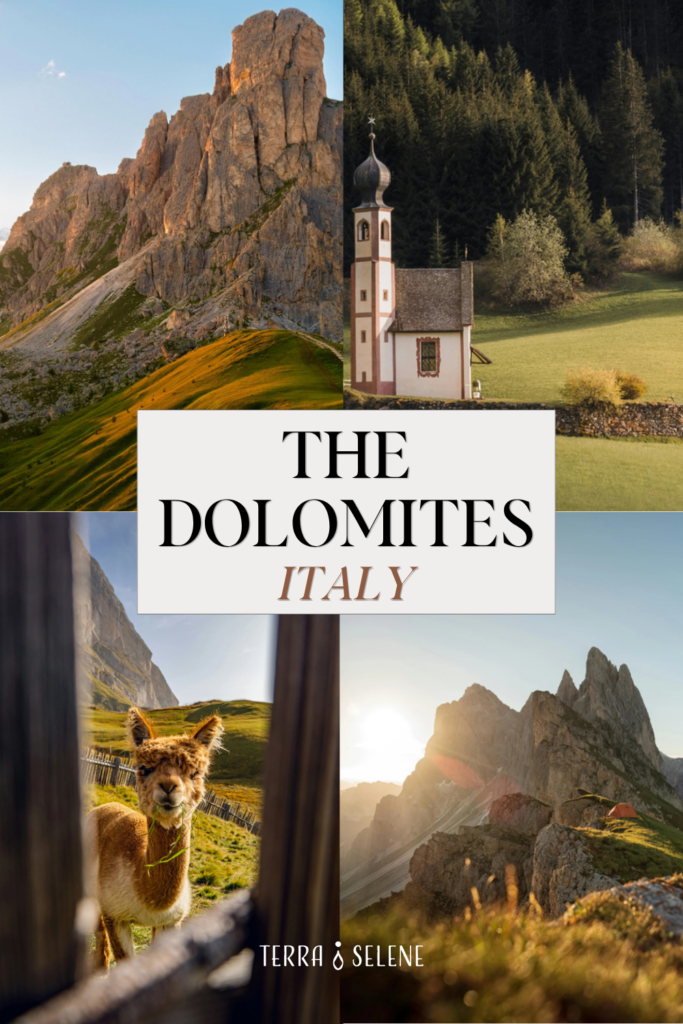
Val di Funes lies north of the main axis, a side valley with views of the Odle and Geisler peaks framing the churches of San Giovanni and Santa Maddalena. While famous in photographs, reaching Funes means a dedicated half-day detour from Val Gardena or Bolzano. Travelers should decide if the visit fits their priorities rather than adding it reflexively. Both areas reward those who build a specific day around them rather than squeezing them into an already packed itinerary.
Structuring a Well-Planned Trip to the Italian Dolomites
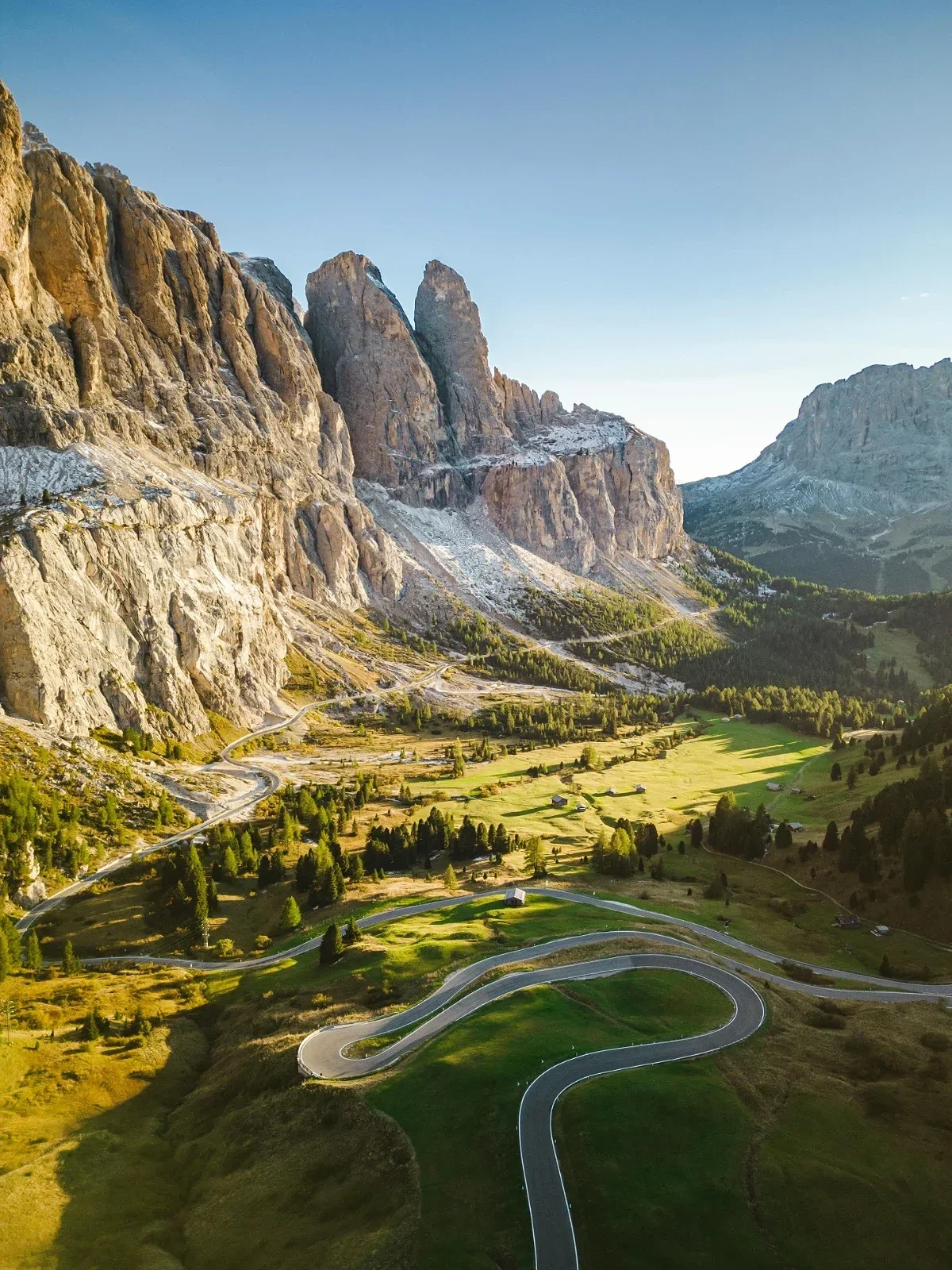
The Dolomites may appear compact on Google Maps and in photographs; however, the reality unfolds differently when on the ground. Distances are shaped by mountain passes, winding roads, and elevation changes, which quickly turn short routes into time-consuming journeys. Attempting to move between too many valleys within a limited timeframe often results in constant packing, driving, and logistical friction, rather than time spent enjoying the landscape itself.
A three to four-day stay is best anchored in a single base, allowing for a focused introduction to one area without unnecessary movement. With six to seven days, the experience deepens, creating space for two carefully chosen bases that expand mountain access. Ten days or more allows the Dolomites to be explored with intention and a slower travel pace, where transitions feel gradual and rest days can be absorbed into the journey rather than treated as an afterthought.
Within seven to eight days, the structure can expand into two bases arranged with intention. A sequence such as Cortina d’Ampezzo for three nights followed by Alta Badia for four nights allows for a natural progression through the eastern and central Dolomites. Alternatively, beginning in the Puster Valley with a focus on Tre Cime and Lago di Braies, then continuing to Val Gardena, creates a route that minimises repetition while maintaining geographic flow. Moving through the region in a single direction, whether east to west or the reverse, creates continuity, whereas frequent backtracking across mountain passes quickly fragments the experience.
Where to Stay
Choosing where to stay in the Dolomites means selecting a home valley first, then finding accommodation within it. The valley determines your daily rhythm, the views from your breakfast table, and the trailheads within easy reach. The region supports various accommodation styles, from design hotels to rifugios, but the focus here is on why certain areas work for certain travelers.
Val Gardena: Design-Forward Base With Varied Terrain
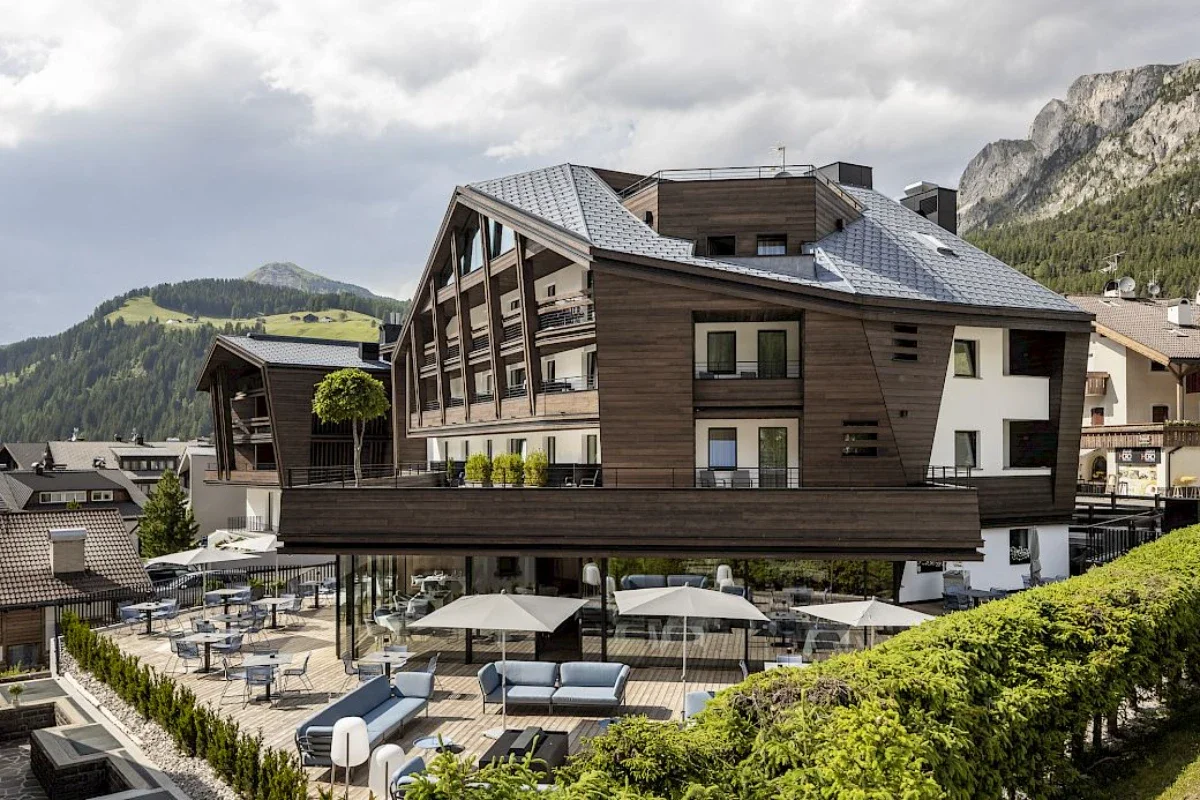
Val Gardena offers a polished base with strong infrastructure, walkable town centres, and direct lift access into some of the most recognisable landscapes in the Dolomites. A typical stay centres around Ortisei or Selva, where mornings begin with gondola access to Seceda or Col Raiser, followed by a full day on the trails and a return by late afternoon. The rhythm here is structured and efficient, with accommodation designed to support both movement and recovery.
Among the more considered stays, Linder Cycling Hotel stands out for its clarity of concept and execution. Positioned in Selva, it combines a contemporary alpine aesthetic with a strong focus on active travellers, particularly those moving through the mountains by bike or on foot. Interiors are clean and design-led without feeling excessive, while the property integrates practical details such as secure bike storage, guided route support, and wellness facilities that feel aligned with the pace of the region. The hotel’s rooftop area, with its pool and mountain views, creates a natural transition from day to evening, reinforcing the structure of a Dolomites itinerary where time is divided between elevation and recovery. Its location within Selva also places lifts, trailheads, and restaurants within easy reach, reducing the need for constant driving.
Alta Badia: Quiet Ladin Villages And Lift-Based Exploration
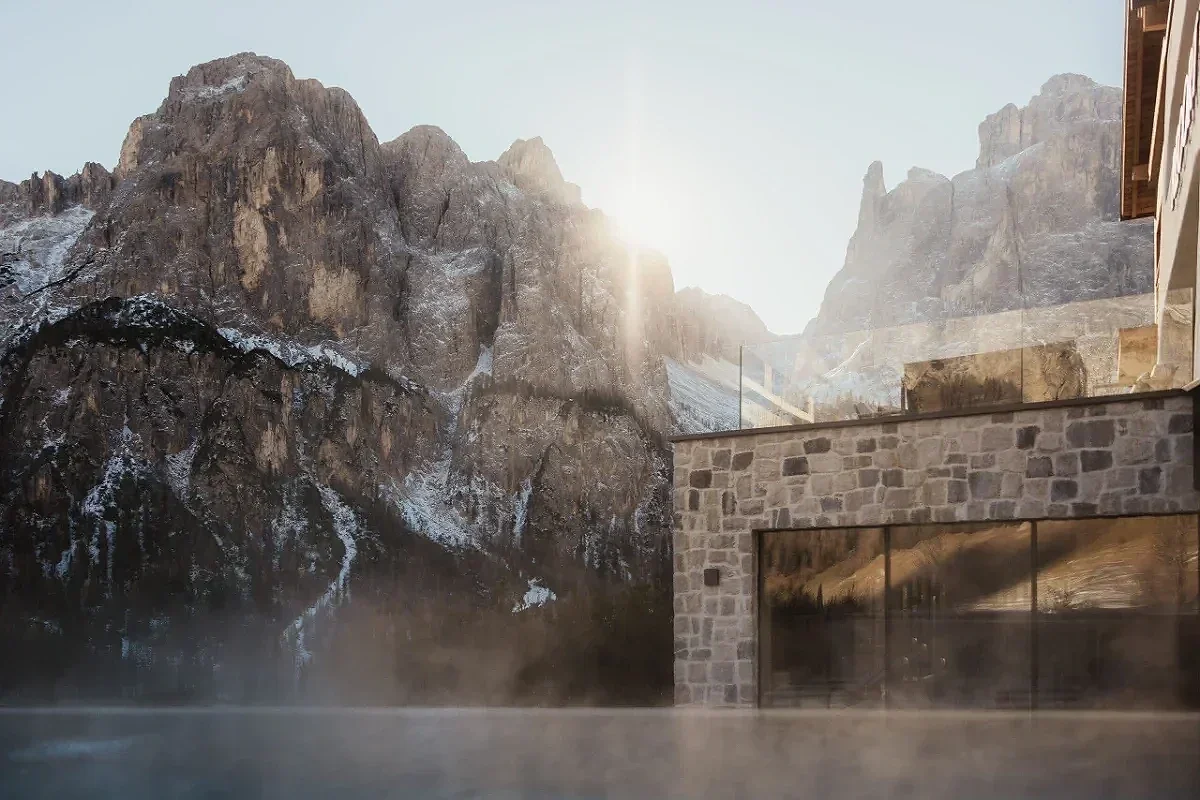
Alta Badia is for travellers who prioritize a quieter base, refined dining, and immediate access to the mountain range without relying on constant driving. Villages such as Corvara and La Villa sit centrally within the valley, allowing for direct lift connections into high alpine terrain, where longer hikes can begin without the need to reposition each day. The pace here is more contained. Days tend to unfold through lift-assisted routes across plateaus and passes, followed by evenings that centre around the hotel. Half-board stays are common, with multi-course dinners that reflect South Tyrolean cuisine, from regional specialities to well-curated wine pairings.
Within this setting, Hotel Recort offers a more intimate and design-conscious interpretation of the alpine stay. Located in La Villa, the property is positioned slightly away from the main flow of Corvara, creating a quieter, more private atmosphere. The design leans toward a modern alpine aesthetic, with a focus on natural materials, soft tones, and a sense of calm that carries through both the rooms and shared spaces. What sets Hotel Recort apart is the balance it achieves between simplicity and refinement. The experience is intentionally contained, where the focus shifts from movement during the day to recovery in the evening, supported by wellness spaces that feel integrated rather than secondary. Dining follows a similar approach, with a clear emphasis on quality, locality, and a slower pace that aligns with the valley itself.
Cortina d’Ampezzo: A Dynamic Eastern Hub
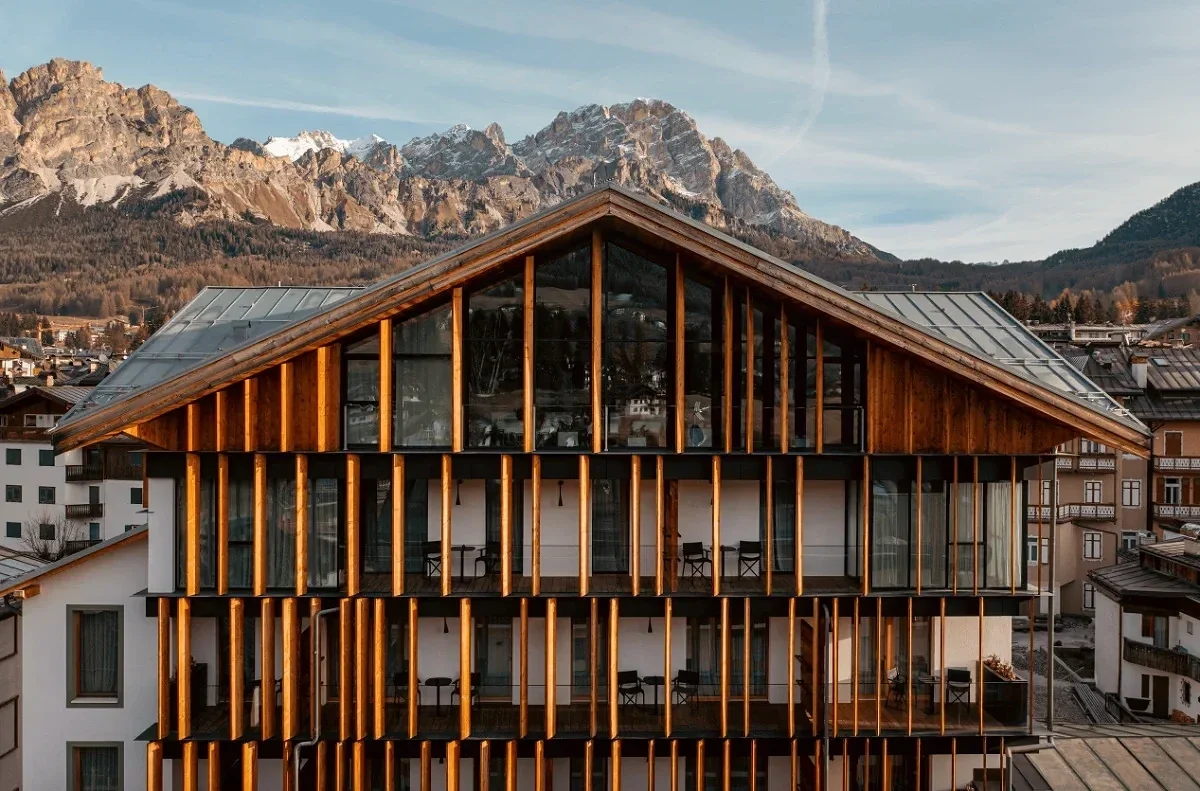
Cortina d’Ampezzo suits those who prefer a more active and social base, with a wider selection of restaurants, shops, and cafés than elsewhere in the Dolomites. The structure of a stay here tends to involve short drives each day, with access to trailheads spread across the eastern range, including Tre Cime, Lago di Sorapis, and Cinque Torri. It works particularly well for shorter trips where variety and proximity to key landmarks are a priority.
Accommodation ranges from simpler alpine stays near mountain passes to more refined hotels within or just outside the town centre. Demand remains high during the summer months, with pricing influenced by ongoing infrastructure investment linked to the upcoming Winter Olympics, making early booking a practical requirement.
Hotel de Len, located in the centre of Cortina, combines modern alpine design with a strong focus on sustainability, integrating natural materials, energy-efficient systems, and a considered use of space throughout the property. The felt experience is structured around both movement and recovery. Its central location allows for easy access to dining and town life in the evening, while the hotel itself offers a quieter counterbalance through its wellness area, which includes a rooftop spa with views across the surrounding peaks. Interiors are minimal and refined, aligning with a more design-forward interpretation of the Dolomites rather than a traditional Alpine aesthetic.
Puster Valley And Braies Area: For Tre Cime-Focused Trips
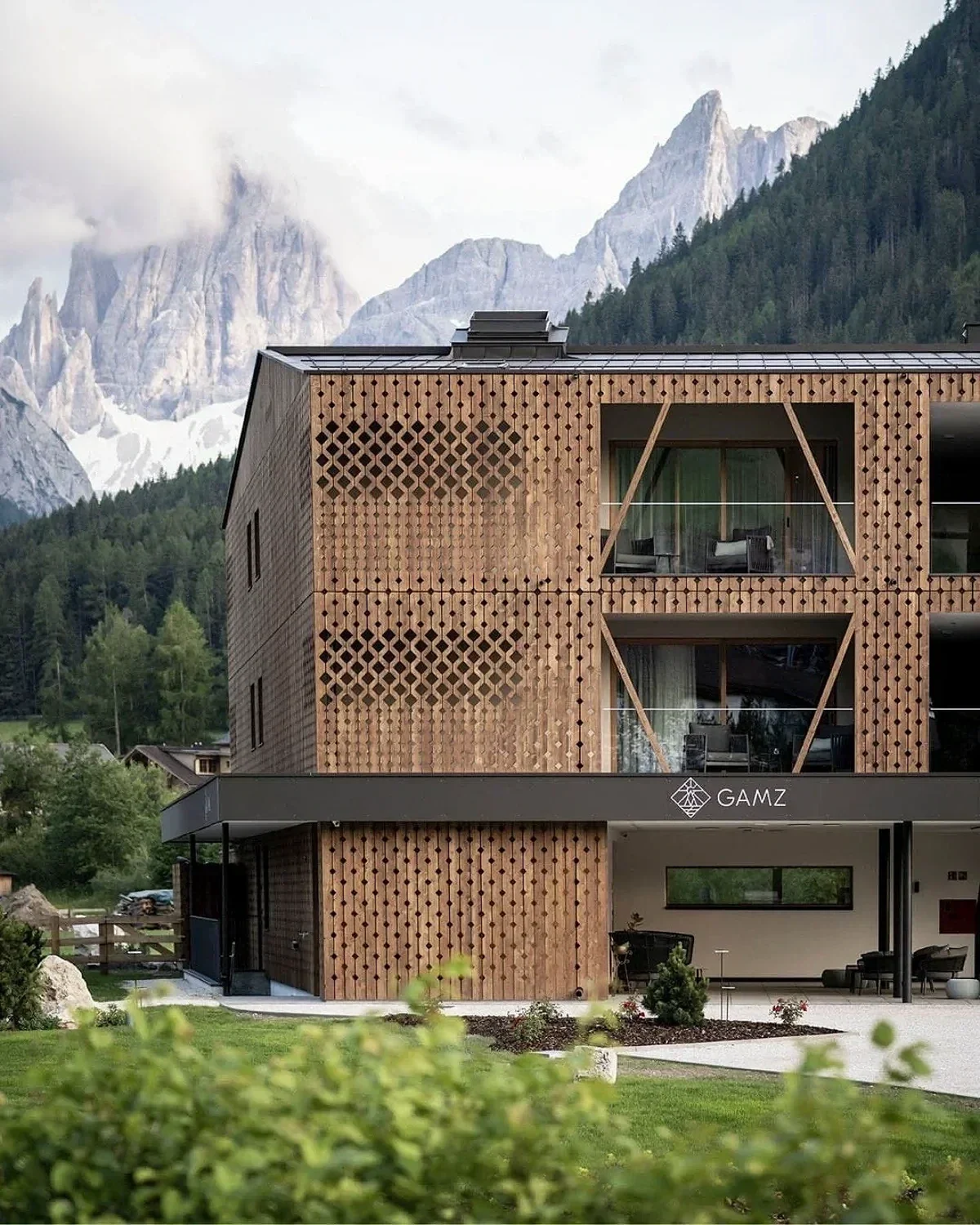
The Puster Valley and Braies area places you closest to the eastern Dolomites, making it a strong choice when Tre Cime di Lavaredo is the priority. Staying in villages such as Dobbiaco or Sesto allows for early access to trailheads, which is particularly valuable for sunrise hikes toward Rifugio Locatelli and full Tre Cime circuits. This positioning also simplifies logistics around toll road access and seasonal restrictions, reducing the need to navigate long drives before dawn. Days here tend to follow a clear structure. Mornings begin early, shaped by light and access windows, while afternoons open into lake visits or shorter routes across the surrounding terrain, including Lago di Braies. The landscape feels more focused and less dispersed than other parts of the Dolomites, which naturally leads to a more intentional way of moving through it.
Aparthotel Gamz aligns well with this approach. Located in Sesto, it offers direct proximity to the eastern peaks, allowing for efficient access without unnecessary transfers. The apartment-style layout creates flexibility, particularly for early departures and varied return times, where rigid hotel schedules would otherwise interrupt the flow of the day. The design is clean and contemporary, with a focus on functionality and comfort. Spaces are well considered, with enough detail to feel refined while remaining practical for an active itinerary. Wellness facilities are present but understated, supporting recovery without shifting the focus away from the mountains.
Refugios: Staying High in the Mountains
Refugios operate throughout the summer season, generally from late June to late September, providing accommodation at altitude within the heart of the Dolomites. Staying in one shifts the experience is entirely, placing you within the landscape itself. They work best as a single-night addition to a valley-based itinerary, particularly along routes such as Tre Cime di Lavaredo, the Sella massif, or the Fanes area. The structure is straightforward, with half-board arrangements that include a set dinner and breakfast, allowing the day to be shaped around the surrounding terrain rather than logistics.
Accommodation is simple, with a mix of shared dormitories and modest private rooms. The value lies in access rather than comfort. Refugios suit those who want to centre a full day around a specific area and are comfortable with pared-back conditions in exchange for proximity and immersion.
CURATED TRAVEL
Need help booking a seemless journey to your destination?
Let us plan your itinerary from start to finish, with carefully selected stays, seamless routing, and considered recommendations throughout. As a Fora Travel advisor we’re able to secure upgrades, added amenities, and preferred access — at no extra cost to you.
Language and Cultural Expression
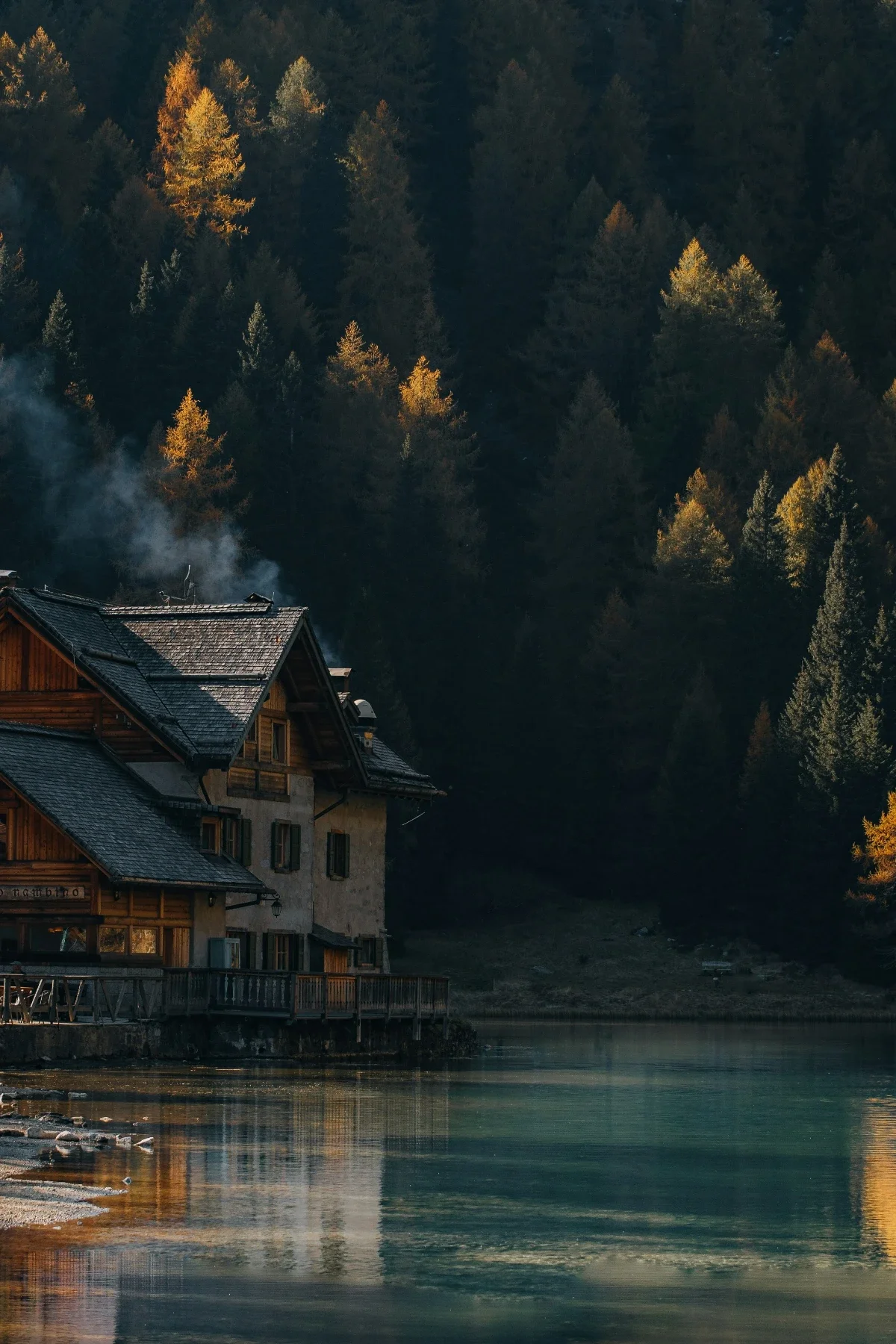
The Dolomites sit at the intersection of Italian, Austrian, and Ladin influences, and that mix shapes how the region is experienced day to day. Italian and German are widely spoken, often interchangeably depending on the valley, while Ladin remains rooted in smaller mountain communities, preserving a distinct cultural identity that continues to inform local life.
This cultural overlap is most clearly expressed through the cuisine in the Dolomites. Menus shift across the region, drawing primarily from Alpine traditions with subtle Italian influence, resulting in dishes that remain closely tied to the destination. Specialities such as casunziei and apple strudel sit alongside more rustic mountain fare, each shaped by local ingredients and seasonal availability. The Dolomites offer a clear expression of the formation of culinary traditions, where food reflects the landscape, climate, and cultural influences that define the region.
Cultural expression in the Dolomites becomes more visible in the summer months, when villages host outdoor events centred on food, music, and local traditions. In Alta Badia, initiatives such as “Nos Ladins” highlight Ladin culture through guided experiences, local producers, and regional cuisine, often set in mountain huts and alpine landscapes. In Val Gardena, weekly markets in Ortisei and Selva bring together regional produce, handmade goods, and Ladin specialities. The summer calendar also includes events such as the Val Gardena Jazz Festival, where performances take place across villages and in open mountain settings. In Ladin valleys like Val Badia, cultural centres and small-scale local gatherings continue to preserve the language and tradition in a way that remains part of everyday life.
Noteworthy Regional Experiences
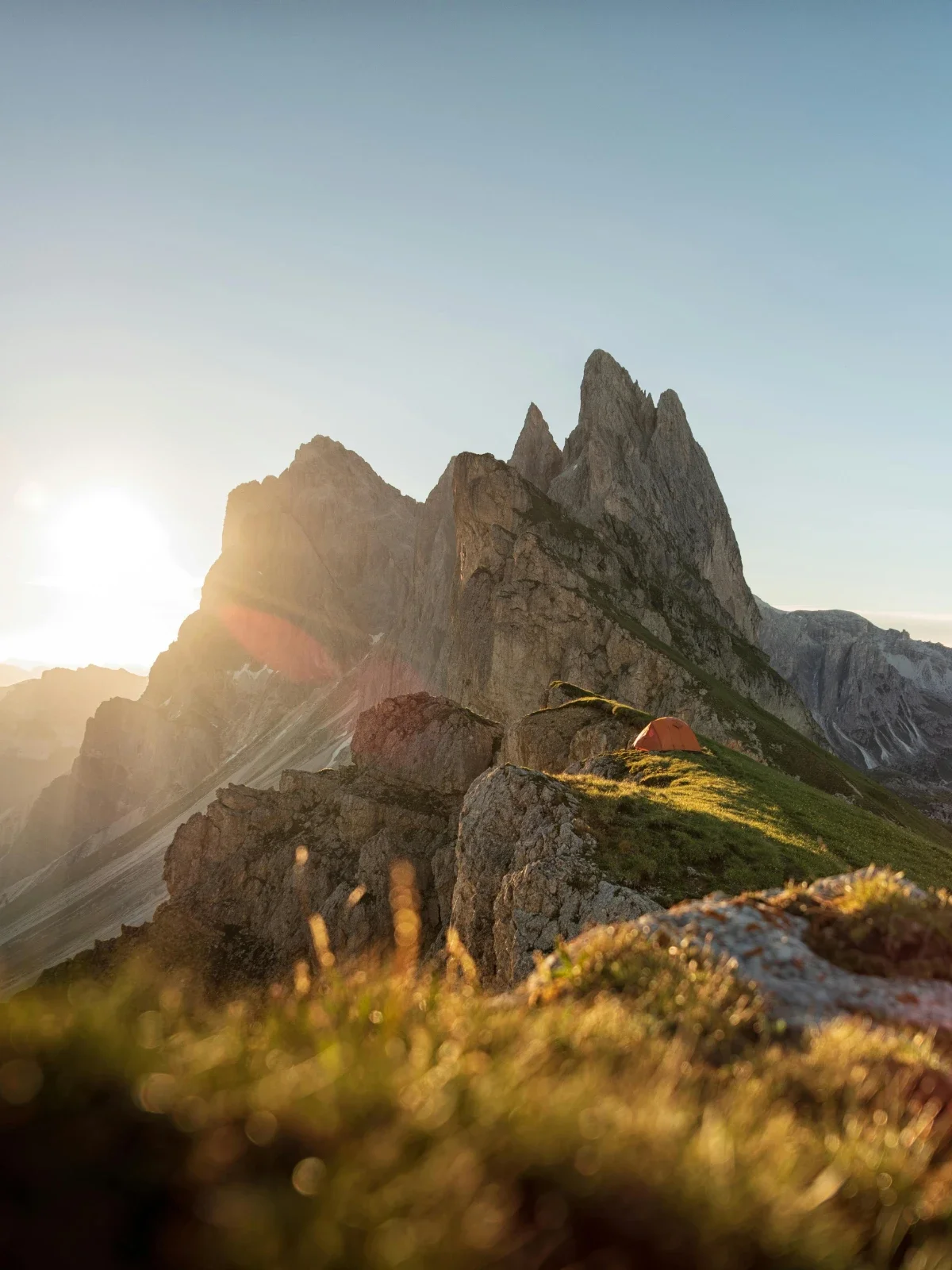
The Dolomites are best experienced through a handful of defining landscapes, each capable of demanding an entire day rather than being reduced to a brief stop along the way. Approaching the region in this manner allows for depth of experience, where time is spent within a place rather than moving quickly between highlights.
Certain locations stand out for their scale, composition, and clarity of setting, offering a direct understanding of what makes the Dolomites distinct. These are the places that capture the essence of the range, where the terrain, light, and structure come together with a sense of precision that has long drawn attention from artists and architects, including Le Corbusier, who described the Dolomites as “the most beautiful architectural work in the world.”
Ridgelines And High Alpine Circuits
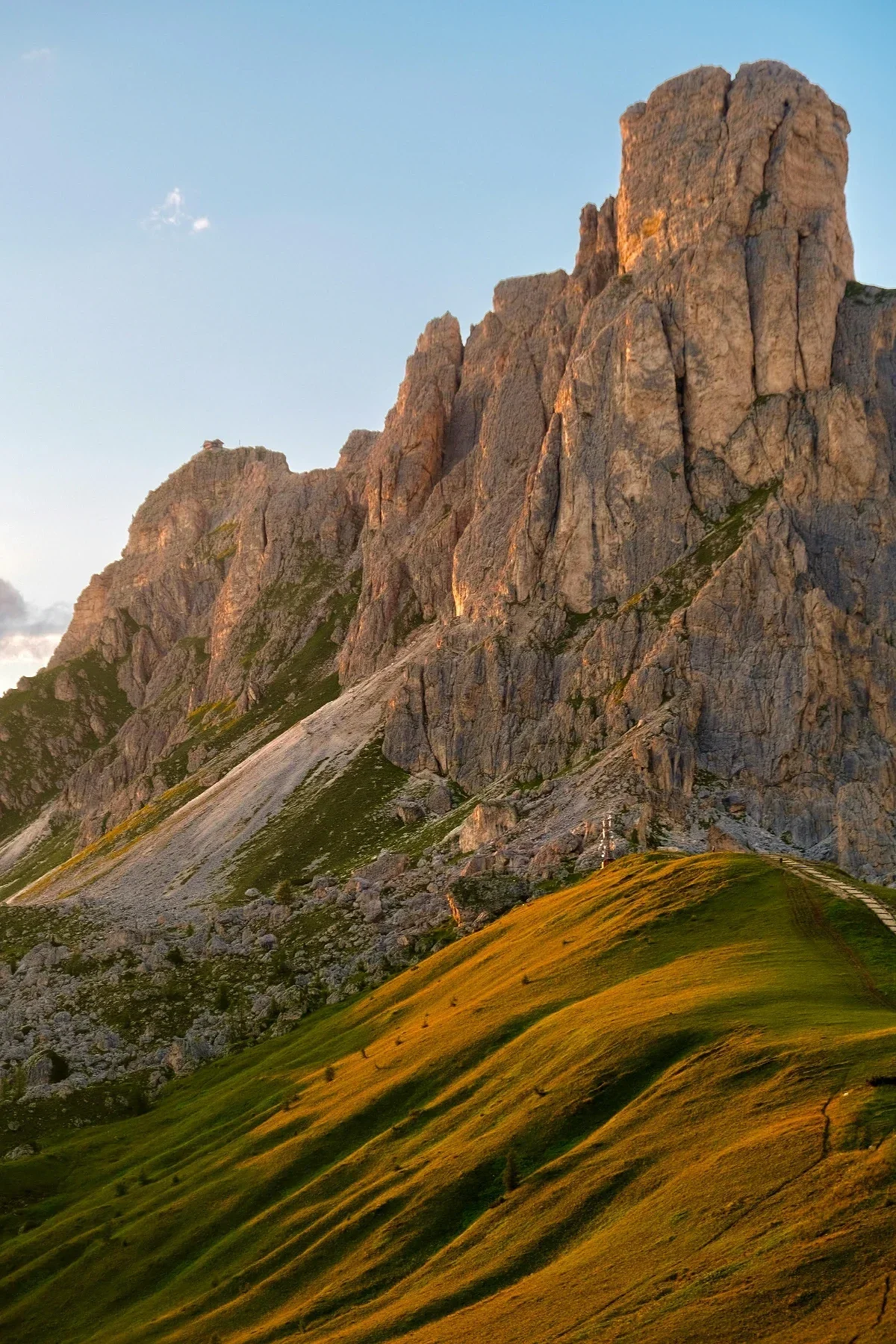
A Seceda and Col Raiser day from Val Gardena involves a morning gondola, ridge walking with views of the Odle peaks, lunch at a malga, and a late afternoon descent. The Tre Cime di Lavaredo circuit from Puster Valley or Cortina requires an early drive to the Rifugio Auronzo parking lot via the toll road, then a clockwise loop past Rifugio Lavaredo and Rifugio Locatelli with time to linger rather than rush. In Alta Badia, routes like La Crusc or Gardenaccia offer panoramic views without constant crowds. Many of these high-elevation routes include the opportunity to climb via ferrata or technical paths, offering both a physical challenge and rewarding summit views. The Dolomites are renowned for their top-tier via ferrata climbing experiences, attracting adventurers from around the world. Choose one high-elevation loop per day and leave time for a long lunch at a rifugio.
Lakes And Water Landscapes
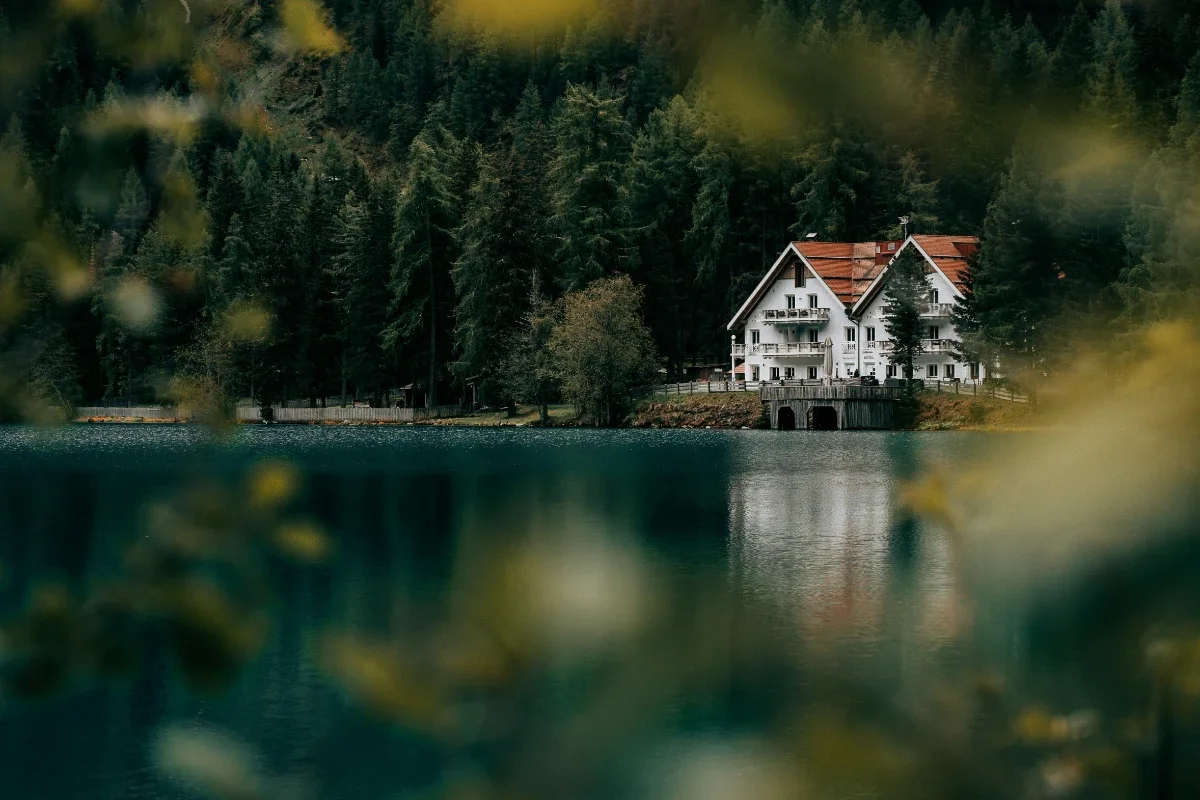
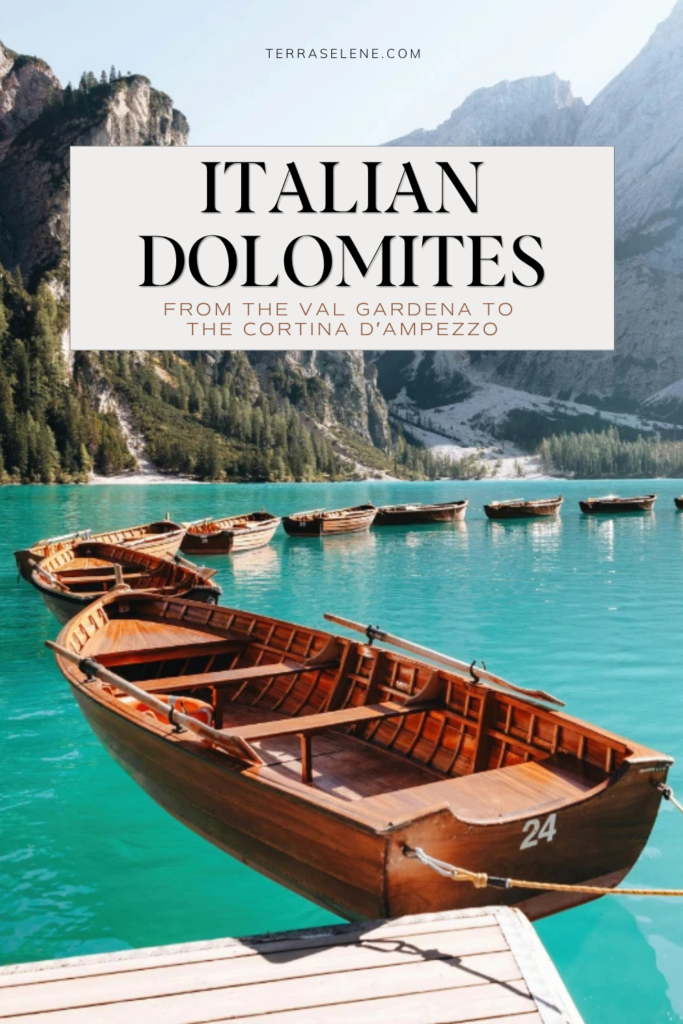
Lago di Sorapis requires an early start from Passo Tre Croci, a steady and occasionally exposed trail of about 5 kilometers, and time to sit at the turquoise lake rather than treating it as a photo stop. Lago di Braies operates with peak-season access restrictions, timed entry, and shuttles, making early morning or late afternoon arrivals essential. The lake is beautiful, with mountains reflected in still water, but it can feel crowded midday. Smaller lakes like Lago di Dobbiaco or Lake Antorno make worthwhile stops if they fall naturally along your route, especially during fall when marine life colors of the ancient seabed contrast with golden larch.
Meadows, Plateaus, And Gentle Days
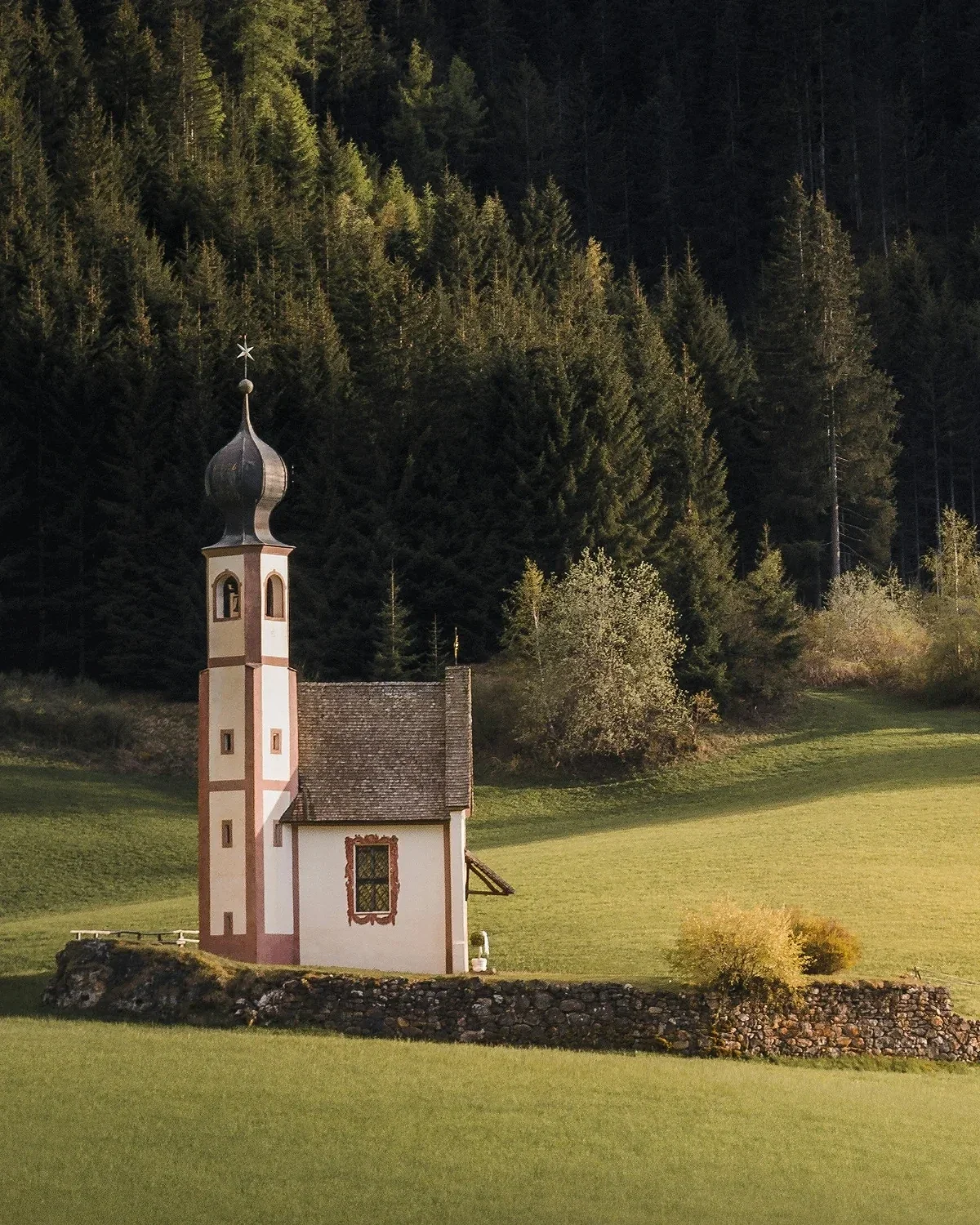
Alpe di Siusi offers a different pace. Gentle walking among cabins and rolling pastures suits active rest between more demanding hikes. Plan for logistics: daytime driving bans above Compaccio, required cable car use, and last gondola times in late afternoon. A full day or long half day here, timed for morning or evening light with a simple lunch at a hut, provides a counterpoint to ridgeline circuits.
Scenic Mountain Pass Drives
A loop via Gardena Pass and Sella Pass from Val Gardena or Alta Badia takes 1 to 2 hours with planned pauses at viewpoints. Passo Giau and Passo Falzarego near Cortina combine panoramas with World War history, including tunnels and open-air museums from the conflict that shaped these borders. Drives reward timing outside peak midday traffic and pairs well with short walks or rifugio lunch stops.
Navigating the Dolomites

Logistics shape the quality of a Dolomites trip more than the sheer number of highlights visited. Whether you’re approaching the Dolomites through a lens of wellness, with time set aside for slower movement, mountain air, and restorative spaces, or an adventure-packed getaway, understanding the logistics is key.
Airports and Access to The Dolomites
Reaching the Dolomites involves flying into one of several nearby cities and continuing into the mountains by road or rail. The closest airport is Treviso Airport, located approximately 1.5 to 2 hours from the eastern Dolomites, including Cortina d’Ampezzo. Venice Marco Polo Airport is the most commonly used international gateway, with a drive of around 2 to 2.5 hours to Cortina and closer to 3.5 to 4 hours to Val Gardena.
Further west, Verona Airport provides good access to Alta Badia and Val Gardena, typically within 2.5 to 3.5 hours by car. Milan Malpensa Airport is a viable option for western routes, although transfer times extend to approximately 3.5 to 4.5 hours depending on the destination valley.
A rental car offers the most efficient way to move through the region, particularly when accessing trailheads, mountain passes, and multiple valleys within a single trip. Rail connections are reliable to towns such as Bolzano and Bressanone, after which local buses or transfers continue into the mountains. Public transport works well for single-base stays, though it becomes limiting when trying to move fluidly across multiple valleys.
Dolomite roads wind narrowly through hairpin turns with frequent cyclists and slow traffic in July and August. Limit driving to two or three segments per day to avoid fatigue. Popular trailhead and lake parking lots fill by mid-morning in high season, making early starts essential. Using lifts reduces driving: basing in Corvara or Ortisei where hikes begin at gondola stations in town, minimizes road time. A mountain bike can also extend your range from valley bases without constant car trips.
Seasonality
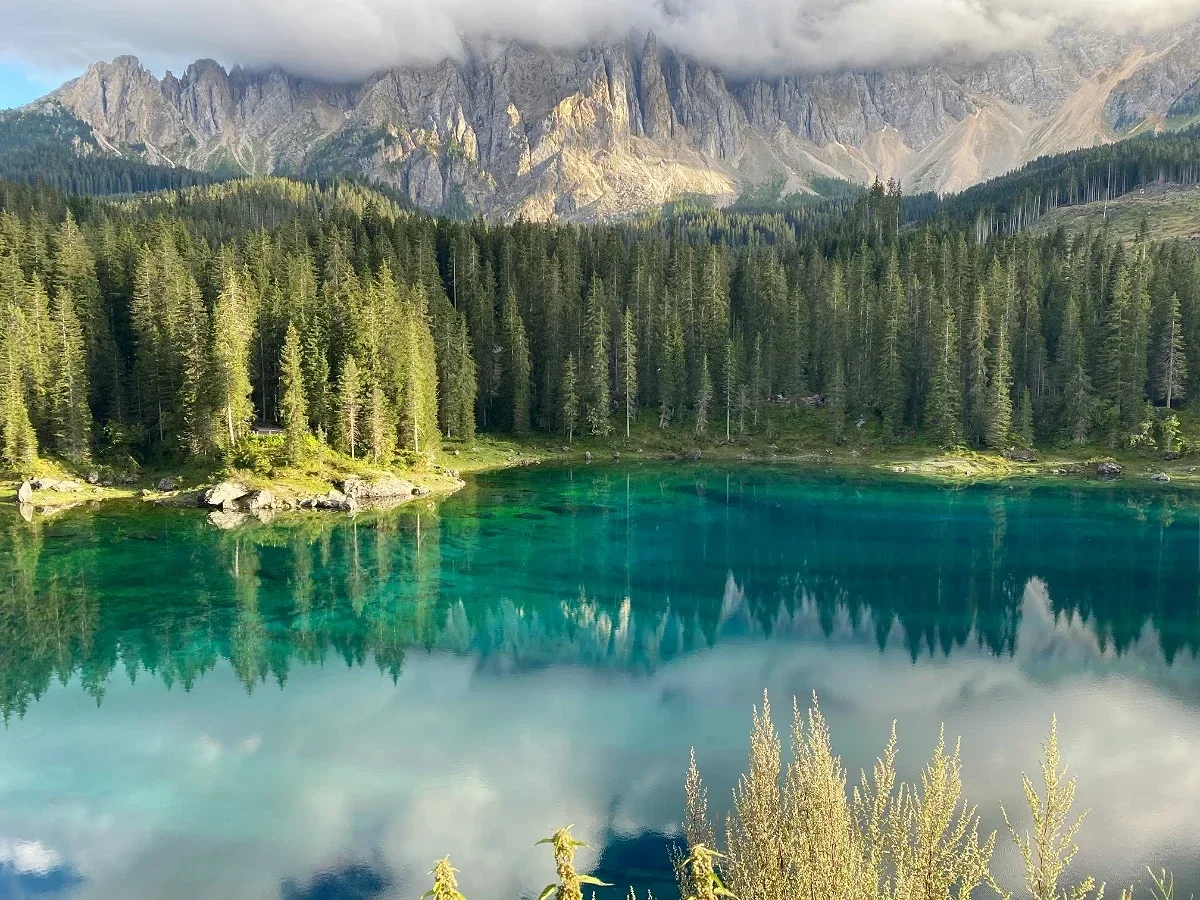
The summer season in the Dolomites runs from late June through to the end of September, when the trails are accessible, lifts are operating, and conditions are stable enough to move comfortably through the mountain range. This is the window when hiking, lift-access viewpoints, and alpine routes fully open. July and August bring the warmest temperatures and the longest operating hours for lifts and mountain huts, but they also coincide with high season in Europe. Trails, parking areas, and key viewpoints fill up relatively quickly, particularly around well-known locations such as Tre Cime and Lago di Braies.
Late June and early July can still carry residual snow at higher elevations, which may affect certain passes and exposed routes. By September, conditions begin to shift. The air becomes clearer, temperatures cool, and larch forests begin to turn, particularly in valleys such as Puster. Visitor numbers drop noticeably during the shoulder season, making it one of the most balanced times to experience the region. By early to mid-October, lifts and rifugios begin to close for the off-season, marking the end of reliable summer access across the mountain range.
Local Regulations
Access across the Dolomites is actively managed, particularly during the summer months when visitor numbers increase, and pressure on infrastructure becomes more visible. Parking at popular trailheads is typically paid, with machines accepting cards or coins, and spaces filling early in the day.
At Lago di Braies, vehicle access is regulated during peak season, with timed entry restrictions and mandatory shuttle systems introduced to control traffic. The road to Tre Cime di Lavaredo operates as a toll route with a daily vehicle limit, and access can be restricted once capacity is reached. On Alpe di Siusi, private car access is limited during daytime hours, with entry permitted only before and after set time windows.
Lift systems form a key part of how the region is navigated, with one-way tickets generally ranging between €15 and €25, and multi-area passes available depending on duration and coverage. Operating hours vary by lift and by month, making it important to check final descent times each day to avoid unnecessary or extended returns on foot.
Working with these systems allows for a far more efficient experience, reducing time spent navigating restrictions and increasing time spent in the landscape itself.
Safety and Emergencies
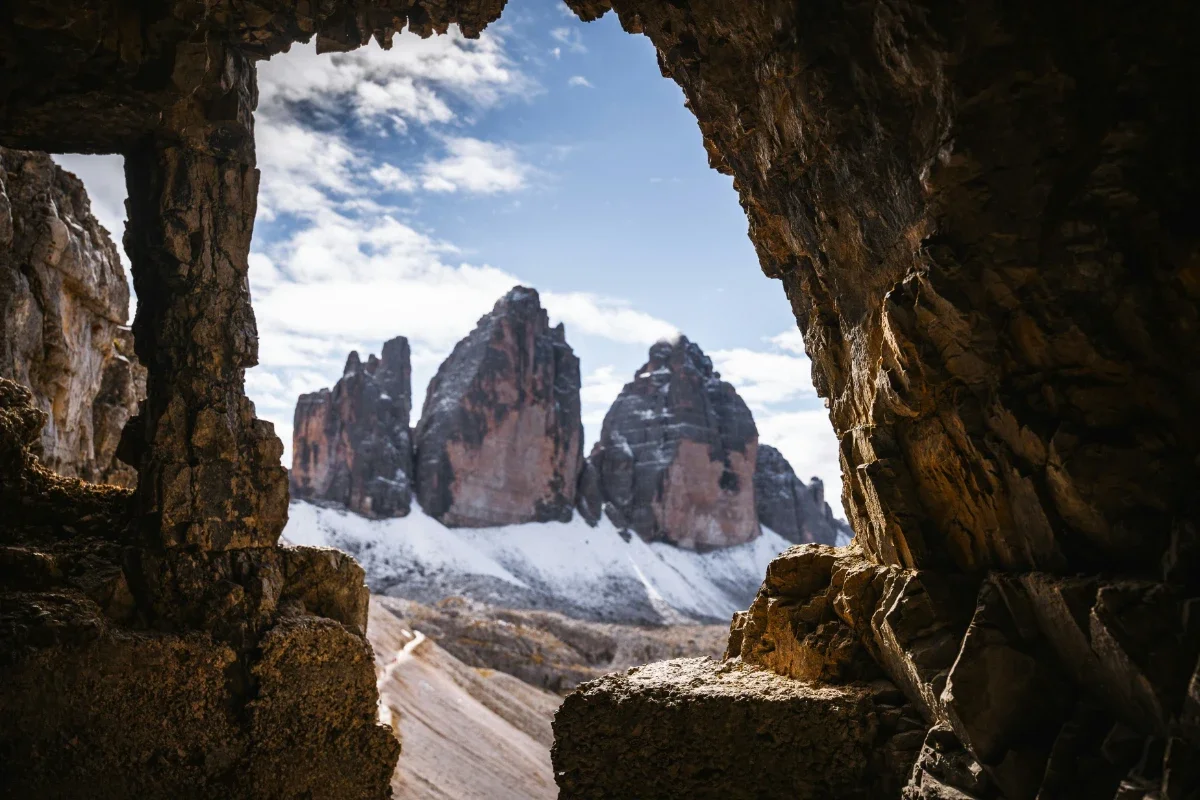
Exploring the Dolomites is a rewarding adventure, but the region’s rugged terrain and rapidly changing weather demand respect and preparation. Whether you’re tackling a challenging hiking trail, navigating a mountain pass, or simply enjoying a walk in one of the valleys, it’s essential to be aware of your surroundings and plan accordingly. Weather in the mountains can shift quickly, and trails may become steep or exposed, so proper gear and up-to-date information are key to a safe trip.
In case of emergency, the Dolomites are well-served by experienced mountain rescue teams and local authorities who are trained to respond swiftly to accidents or sudden changes in conditions. It’s wise to carry a charged phone, know the local emergency numbers, and consider travel insurance that covers mountain activities and medical evacuation. By taking these precautions, you can focus on enjoying the region’s natural beauty and endless adventures, knowing you’re prepared for whatever the mountains may bring.
Responsible Tourism
The Dolomites’ breathtaking landscapes are both a gift and a responsibility. As more people visit this remarkable region, the need for responsible tourism has never been greater. Travelers can help protect the Dolomites’ fragile environment by choosing sustainable practices, using public transport where possible, minimizing waste, and respecting local regulations designed to preserve the mountains’ natural beauty.
Eco-friendly accommodations, such as traditional mountain huts and modern hotels powered by renewable energy, offer a way to experience the Dolomites while treading lightly on the land. Supporting local food producers and artisans not only enriches your trip but also strengthens the region’s communities. By embracing local customs, savoring regional food, and leaving no trace on the countless hiking trails, visitors play a vital role in ensuring that the Dolomites remain a place of wonder and beauty for generations to come. Responsible travel here is not just a choice, it’s a way to honor the mountains and the people who call them home.
Final Perspective
The most meaningful trips to the Dolomites emerge from designing a route around a few specific landscapes rather than a checklist of famous names. Before booking, consider your primary focus: long hikes and via ferrata, lake days and photography, family-friendly meadow walks, or a balance of hiking and time spent at the spa. Most people visit for a limited time, so choose accordingly.
Build your itinerary around two or three anchor experiences. A Seceda ridge day, a Tre Cime circuit, and an Alpe di Siusi morning provide geographic variety without constant movement. Allow the remaining days to flow from those locations.
This approach aligns with a slower way of exploring Italy and Europe, where staying longer in fewer places leads to a deeper connection with the landscape, the food, and the local culture. People tend to visit the Dolomites expecting beautiful mountains and dramatic photos, and the region certainly delivers. But the beauty deepens when you stop chasing views and start inhabiting them: a long lunch at a rifugio, sunset light turning rock walls amber, the quiet of a village evening after a week of walking. Plan with location, time, and personal preference in mind, and the trip shapes itself around what matters to you.
Pin This for Later