
The gentle crackle of a fermenting jar and the tangy aroma of bubbling brine promise a ritual that transcends mere cooking, offering a sensory-rich pause in your day. The concept of cultured foods centers on the philosophy of harnessing natural fermentation to transform ingredients, guided by principles that set this practice apart from other food preparation methods.
The tradition of making cultured foods started with the motivation to preserve seasonal harvests, enhance nutrition, and create probiotic-rich foods, evolving as people discovered the unique flavors and health benefits of fermentation. This slow, attentive approach aligns naturally with the ethos of slow-food principles.
In this guide, you’ll discover how cultured foods transform farm-to-table produce into probiotic-packed delights. From mastering the fermentation process to savoring every tangy, effervescent bite, we’ll walk you through definitions, health and planet-friendly benefits, essential tools, and foolproof methods. By the end, you’ll have full control over flavors, textures, and techniques, ready to create and eat everything from crunchy sauerkraut to fizzy kombucha, nourishing both gut and spirit. Embrace fermentation as a wellness ritual and sustainability practice that honors each season’s bounty and nurtures a deeper connection to the land you live on. Let’s dive into the world of cultured magic.
Some links in this post are affiliate links. That means we may earn a small commission, at no additional cost to you.
What Are Cultured Foods?
Fermentation extends far beyond flavor. It is a precise, biologically rich process that transforms everyday ingredients into nutrient-dense, living foods, quietly supporting the body while reducing strain on the planet. At a nutritional level, fermented foods introduce a diverse ecosystem of beneficial bacteria that help maintain a balanced gut microbiome. This internal environment plays a central role in digestion, immune resilience, and overall metabolic function. Foods like kefir and yogurt are particularly potent: kefir, for instance, delivers a concentrated source of calcium for bone integrity, magnesium for cellular function, and vitamins K and B, all while supporting microbial diversity in the gut.
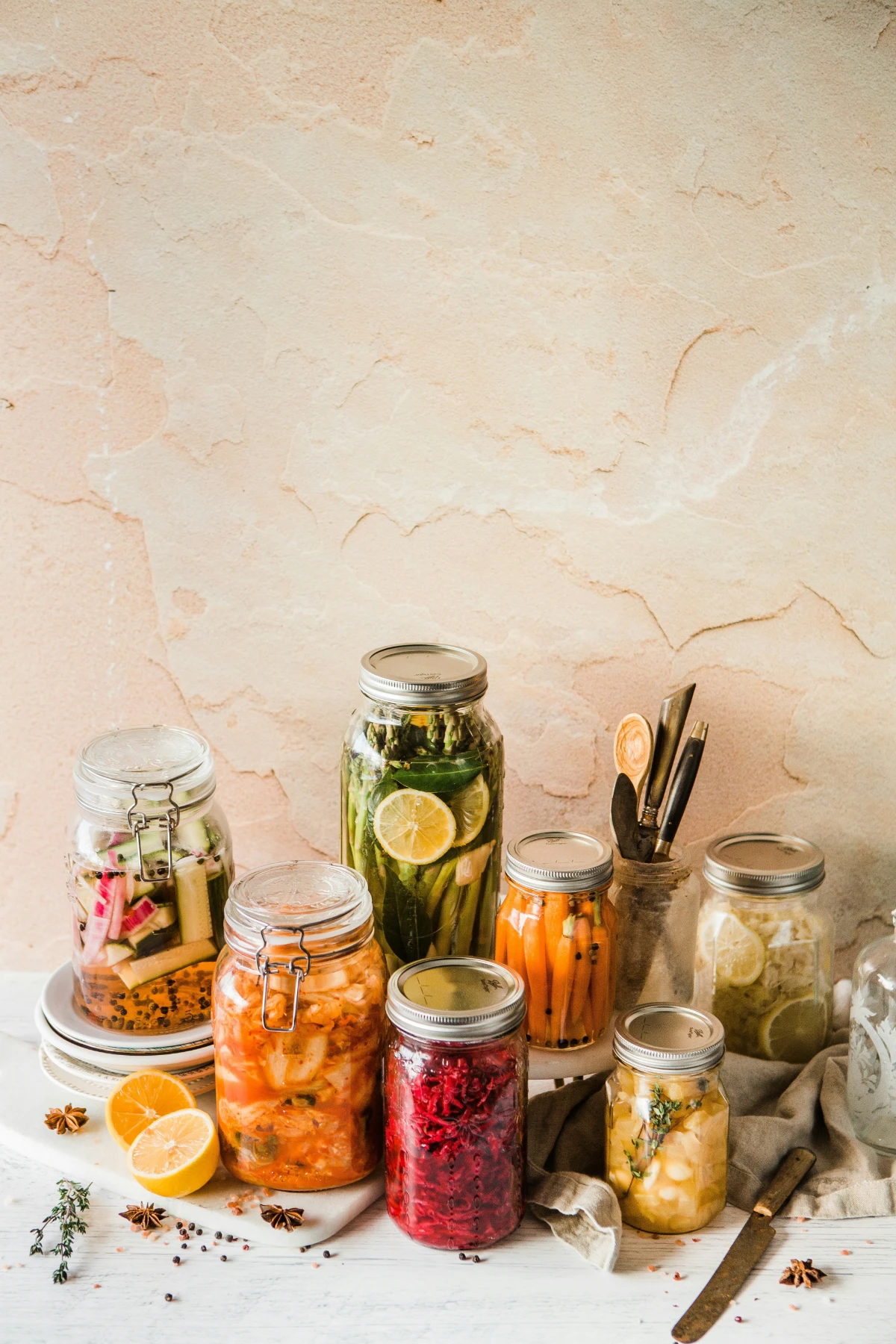
The fermentation process itself enhances how the body interacts with food. As microbes break down sugars and compounds, nutrients become more bioavailable, meaning minerals such as iron and magnesium, along with key vitamins, are more easily absorbed. This pre-digestion also makes fermented foods especially supportive for those with food sensitivities, as seen in the improved digestibility of cultured dairy. Fermented vegetables further extend these benefits. A simple jar of sauerkraut, kimchi, or fermented carrots can contain billions of live probiotics per serving, offering consistent, accessible support for gut health across all ages. These foods integrate, introducing subtle acidity, depth, and texture that naturally complement meals while strengthening digestive function over time.
Beyond digestion, there is a broader physiological dialogue at play. Emerging research continues to explore the connection between the gut and the brain, suggesting that a well-supported microbiome may influence mood, cognitive clarity, and even stress response. While the science is still evolving, the relationship between microbial diversity and overall well-being is increasingly understood as foundational rather than supplementary.
Sustainability is woven just as deeply into the practice. Fermentation was originally developed as a method of preservation – extending shelf life, preventing spoilage, and ensuring that no part of the harvest went unused. Today, that same principle offers a refined response to modern food waste. Surplus vegetables, imperfect produce, or seasonal excess are not discarded; they are transformed. Through fermentation, their lifespan is extended naturally, without reliance on energy-intensive preservation methods. This approach is inherently low-impact. It requires no electricity beyond ambient conditions, no complex machinery, and no synthetic inputs – only time, salt, and attention. The acids produced during fermentation naturally inhibit spoilage-causing bacteria, allowing foods to remain stable for extended periods while retaining their nutritional integrity.
To engage with fermented foods, then, is to participate in a system that is both biologically intelligent and environmentally considered. It is a practice that respects the full arc of an ingredient, from the soil to preservation to the plate, while quietly reinforcing a more sustainable, nutrient-aware way of living.
Health and Sustainability Benefits

Fermentation moves far beyond flavor. It is a biologically active process that transforms everyday ingredients into nutrient-dense, living foods, quietly supporting the body while reducing waste. At its core, fermentation enhances how food is absorbed and experienced, refining both its nutritional value and its role within a balanced, seasonal diet.
Cultured dairy offers one of the most concentrated expressions of this transformation. A glass of kefir, for instance, delivers calcium for bone strength, magnesium for cellular function, and vitamins K and B while introducing a diverse population of beneficial bacteria and yeast. These microbes break down sugars into more accessible compounds, supporting digestion, moderating blood sugar response, and contributing to a resilient gut microbiome. Regular consumption of kefir or yogurt has also been associated with improved cholesterol levels and blood pressure, positioning these foods as a supportive element within cardiovascular health when consumed as part of a balanced diet.
Fermented vegetables extend these benefits into everyday meals with ease. Sauerkraut, kimchi, and fermented carrots deliver billions of live probiotics per serving, gently reinforcing gut health across all ages. As fermentation progresses, nutrients such as iron, magnesium, and vitamin C become more bioavailable, while the presence of beneficial bacteria helps inhibit the growth of harmful pathogens. Their bright acidity and layered texture integrate seamlessly into meals, turning probiotic nutrition into something both practical and sensory.
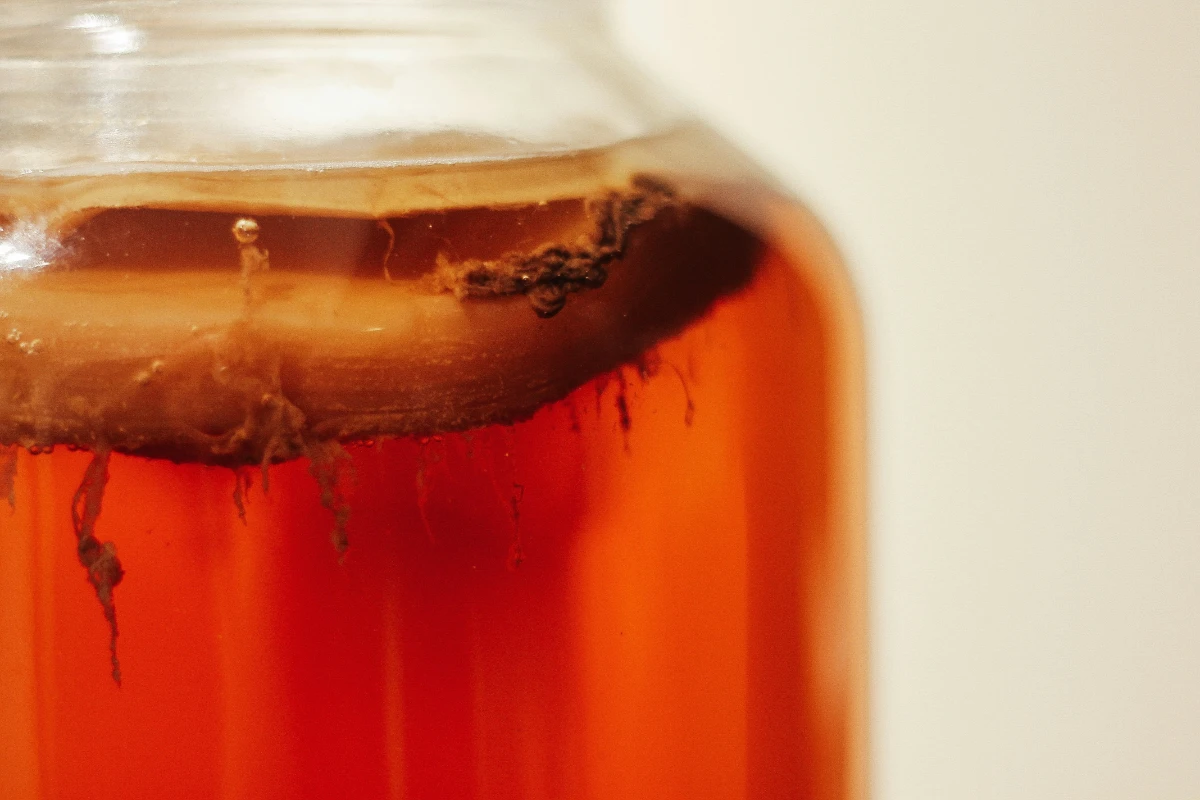
Beyond digestion, fermentation engages the body on a deeper level through the gut-brain connection. Beneficial gut bacteria support the production of neurotransmitters that regulate mood, creating a direct link between microbial balance and emotional well-being. A well-supported microbiome has been associated with improved mood stability, reduced symptoms of anxiety, and a greater sense of equilibrium. This same internal balance also plays a role in appetite regulation, helping to reduce cravings for sugar and refined carbohydrates by stabilizing energy and blood glucose patterns.
At a physiological level, fermentation refines the structure of food itself. Antinutrients, naturally occurring compounds that can inhibit mineral absorption, are broken down during the fermentation process, allowing essential nutrients to be more readily absorbed. At the same time, foods are partially pre-digested by microbes, easing the digestive burden and making options such as cultured dairy more tolerable for those sensitive to lactose. Certain fermented foods have also shown potential in improving insulin sensitivity and reducing fasting blood glucose levels, further supporting metabolic health.
Sustainability is embedded within the practice. Fermentation was developed as a method of preservation, extending shelf life, preventing spoilage, and ensuring that seasonal abundance could be carried forward. Today, it offers a refined response to modern food waste. Surplus produce is not discarded but transformed, its natural sugars feeding microbial activity that converts it into stable, nutrient-rich staples. This process requires minimal energy, relying instead on time, temperature, and attention, making it one of the least impactful methods of food preservation.
To engage with fermentation is to adopt a more considered rhythm in the kitchen, one that values longevity over excess, nourishment over convenience, and a deeper connection between what is grown, preserved, and ultimately shared at the table.
For more on slow food:
- Functional Beverages: Market, Ingredients, and Consumer Trends
- Harnessing Food as Medicine for Chronic Disease Prevention
- Ancient Grain Seeds: Heirloom Seeds Nourishing Modern Tables
- What Is Slow Food? Principles, Benefits and Daily Habits
- What Is Farm-to-Table? Origins, Principles and Flavor
- Culinary Traditions: How Regional Food Cultures Nourish Worldwide
Types of Fermented Food

Fermented foods span a vibrant spectrum of flavors, textures, and traditions, each shaped by the unique interplay of beneficial bacteria, yeast, and time. From the tangy crunch of fermented vegetables to the creamy richness of cultured dairy, these foods have been cherished across cultures for their ability to preserve harvests, enhance nutrition, and support gut health.
At the heart of many fermented foods is the fermentation process itself, a natural transformation where lactic acid bacteria and other beneficial microbes break down sugars, producing lactic acid and other compounds that give these foods their signature taste and extended shelf life. Lactic acid fermentation is especially common in fermented vegetables like sauerkraut and kimchi, as well as in cultured dairy products such as kefir and yogurt. This process not only preserves the food but also boosts its nutritional value, making vitamins and minerals more bioavailable and introducing live and active cultures that can support digestive health.
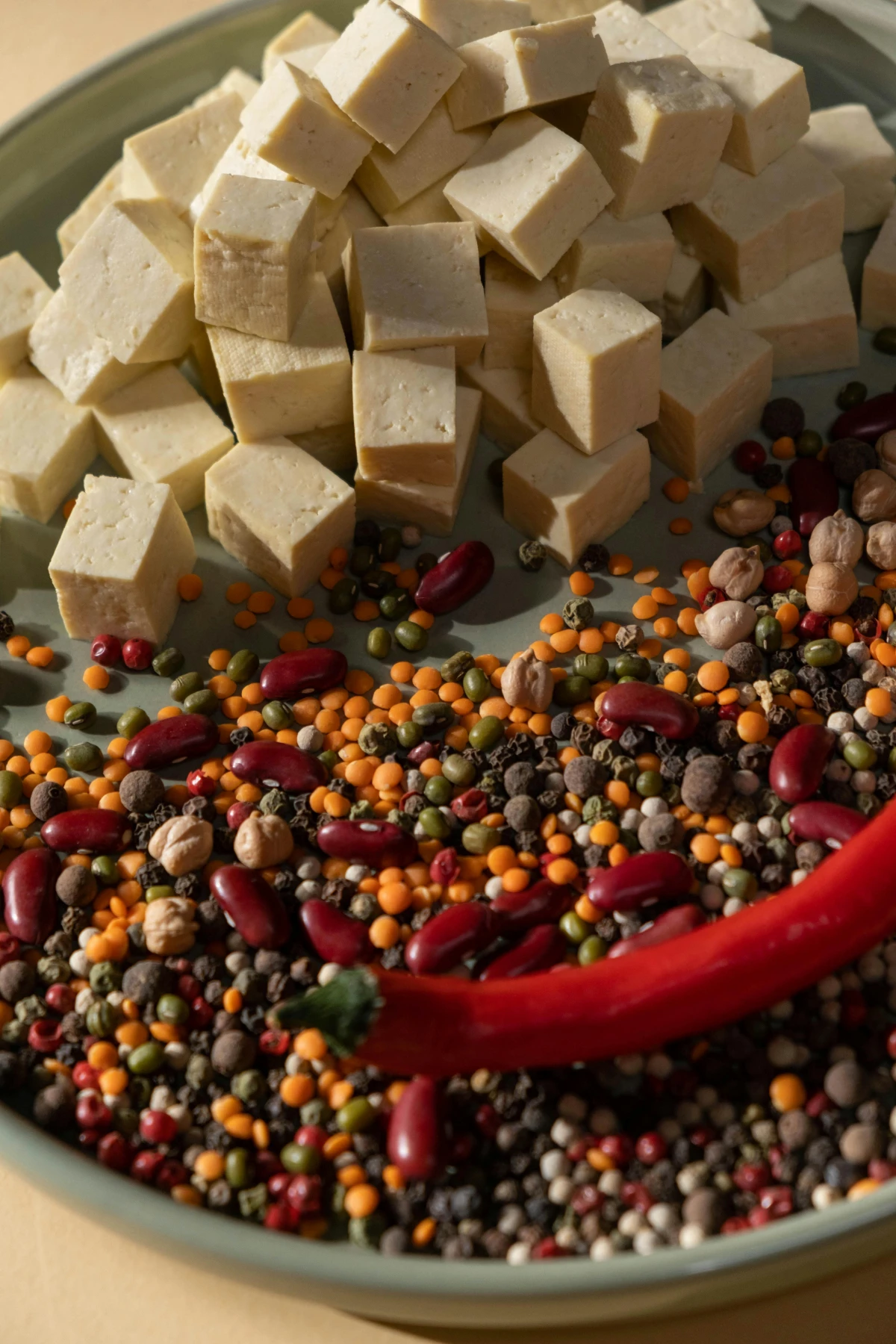
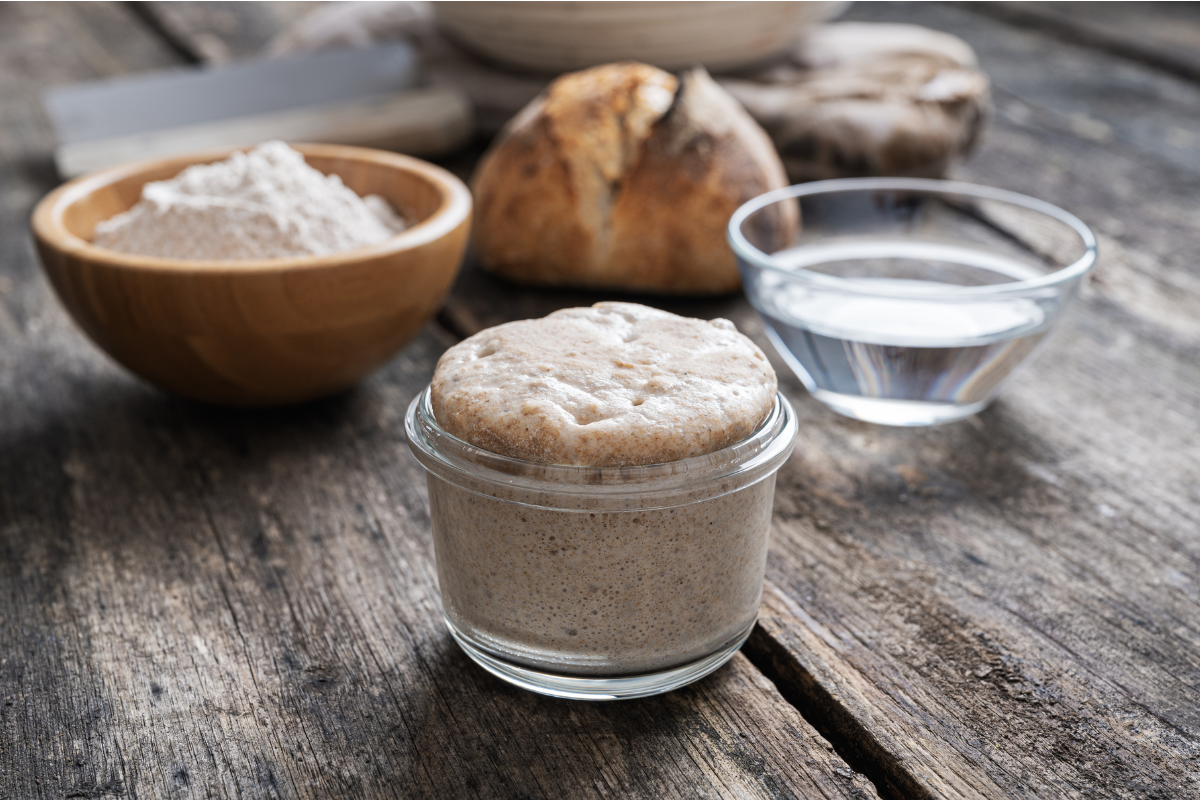
The world of fermented foods is wonderfully diverse. Fermented veggies, such as fermented cabbage in sauerkraut or spicy kimchi, are celebrated for their crisp texture and probiotic punch. Fermented soybeans, including miso and tempeh, offer a savory, umami-rich addition to soups, marinades, and stir-fries, while also providing plant-based protein and beneficial bacteria. Fermented milk products like kefir and Greek yogurt are packed with active cultures and can be enjoyed on their own or swirled into smoothies and salad dressings. Even grains get a probiotic boost through sourdough bread, where wild yeast and lactic acid bacteria work together to create a loaf with a complex flavor and improved digestibility.
It’s important to remember that not all fermented foods are created equal. Some commercially available options may be heat-treated or pasteurized, which can destroy live microbes and diminish health benefits. When you buy fermented foods, look for labels that mention live and active cultures, or unpasteurized, to ensure you’re getting the full spectrum of beneficial bacteria. Also, be mindful of added sugars or excessive salt, which can detract from the health benefits, especially if you’re aiming for a heart-healthy or low-sodium diet.
Eating fermented foods is a delicious way to support overall health, from improving digestion to potentially lowering the risk of heart disease. Studies suggest that a variety of probiotic foods, like unpasteurized sauerkraut, kefir, miso, and sourdough bread, can help maintain a balanced gut microbiome, which is linked to better digestion, immune function, and even mood. For the best results, try to include a range of fermented foods in your meals: add sauerkraut to grain bowls, stir miso into soups, enjoy a glass of kefir as a fermented drink, or savor a slice of sourdough bread with olive oil.
With so many options, from fermented rice dishes to aged cheeses and other fermented foods, there’s something to suit every palate and dietary need. Whether you’re new to fermentation or a seasoned enthusiast, exploring the world of cultured foods is a flavorful journey that can enrich your healthy diet and bring a sense of tradition and creativity to your table. Embrace the variety, savor the benefits, and let each bite connect you to the ancient art of fermentation and the promise of better digestion and overall well-being.
The Role of Fermented Foods in Traditional Medicine

For centuries, fermented foods have been woven into the fabric of traditional medicine, cherished not just for their vibrant flavors but for their profound impact on gut health and overall vitality. Across continents and cultures, the fermentation process has been harnessed to transform humble ingredients into powerful allies for well-being, cultivating beneficial bacteria that support a healthy gut and resilient immune system.
Not all fermented foods are created equally; each brings its own unique blend of probiotic bacteria, organic acids, and health benefits. Fermented vegetables like sauerkraut and kimchi, for example, are celebrated for their high lactic acid content, which helps foster healthy digestion and may ease inflammation. These tangy staples are more than just condiments; they are time-honored remedies, often recommended in traditional medicine to soothe digestive discomfort and reduce the risk of conditions like irritable bowel syndrome. Fermented soybeans, a cornerstone of many Asian healing traditions, are prized for their rich concentration of beneficial bacteria and bioactive compounds. Whether enjoyed as natto or miso, these foods are believed to support digestive health and offer a natural boost to the body’s defenses. Similarly, kefir grains, used to ferment milk into a creamy, probiotic-rich drink, have long been valued for their ability to nurture a healthy gut and encourage the growth of beneficial microbes. Other fermented foods, such as apple cider vinegar and fermented rice, also hold a special place in traditional wellness practices. Apple cider vinegar, with its tangy acetic acid and array of organic acids, is often used to promote healthy digestion and balance within the body. Fermented rice, found in various forms across global cuisines, is another example of how the fermentation process can unlock both flavor and nutritional value, delivering a gentle dose of probiotic support.
Incorporating these common fermented foods into your daily routine can be as simple as adding a spoonful of sauerkraut to your lunch, sipping a glass of kefir, or drizzling apple cider vinegar into a salad dressing. Many fermented foods, from sourdough bread to fermented veggies, offer an acquired taste that deepens with each bite, inviting you to explore new textures and flavors while supporting a healthy gut. Cultured dairy products, fermented milk, and other fermented foods can also be enjoyed as part of a balanced, nutrient-rich diet.
The health benefits of eating fermented foods extend beyond digestion. By nurturing beneficial bacteria and supporting healthy digestion, these foods may help reduce inflammation, support immune function, and lower the risk of certain health conditions. Whether you’re seeking to ease digestive woes, add complexity to your meals, or simply embrace the wisdom of traditional medicine, adding fermented foods to your table is a delicious and time-honored way to care for your body and spirit.
In the end, the role of fermented foods in traditional medicine is as much about nourishment as it is about ritual and connection. Each jar of fermented veggies, each loaf of sourdough bread, and each sip of tangy kefir is a testament to the enduring power of beneficial bacteria and the simple, transformative magic of fermentation. By welcoming these foods into your kitchen, you honor both ancient wisdom and modern science, one delicious, probiotic-rich bite at a time.
Choosing Your Fermented Vegetables and Equipment
Seasonal Picks
Cabbage: The quintessential canvas for sauerkraut
- Carrots and Beets: Vibrant hues and earthy flavor
- Cucumbers: For crisp pickles that pop
- Radishes and Turnips: Spice-forward crunch
There are many options for seasonal vegetables to ferment, each bringing its own flavor and texture to the process. Aim for farm-fresh or homegrown produce at peak ripeness; each vegetable’s unique sugar content shapes the final brine profile.
Essential Tools
Wide-mouth glass jars: Choose food-grade, non-reactive vessels
- Weights and airlock lids or clean linens: Maintain submersion, minimize exposure to oxygen
- Starter culture kits (optional): For consistent batches of yogurt, kefir, or plant-based milk ferments
- Funnel and mixing bowls: To ease the process of packing vegetables
With these basics, you hold full control over every bubble of probiotics in your desired menu of ferments.

Basic Fermentation Methods
Simple Brine vs. Dry-Salt Pack
- Simple Brine: Dissolve salt (1–3% by weight) in water (tap or filtered) for even salting. Ideal for soft vegetables and beverage ferments like kombucha or water kefir, often sweetened with sugars, fruit juice, or coconut water. During fermentation, occasionally turn or stir the vegetables to ensure even brining and optimal texture.
- Dry-Salt Pack: Massage salt directly into shredded vegetables (e.g., cabbage). The emerging juices form a self-contained brine, classic for sauerkraut and kimchi. For best results, turn or mix the vegetables periodically throughout fermentation to promote uniform flavor and texture.
Step-by-Step Fermentation Process
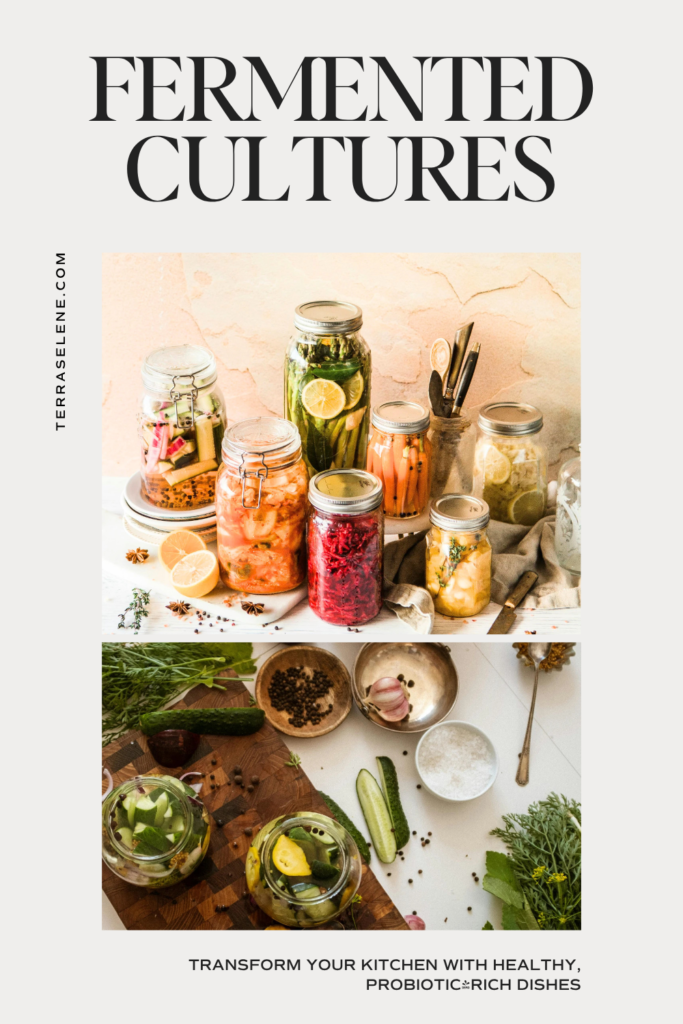
Prep: Rinse and chop your chosen vegetables into uniform pieces for even flavor.
- Salt: Weigh to calculate the proper salt-to-produce ratio (2–3% ideal). Salt draws moisture, preserving texture and controlling microbial growth.
- Pack: Tightly pack vegetables into jars, pressing down to release natural juices or add brine until submerged. Leave 1–2 inches of headspace.
- Seal: Cover with an airlock, fermentation lid, or clean linen secured with a rubber band.
- Monitor: Place jars on a tray to catch overflow. Store at cool room temperature (18–22 °C) away from direct sunlight.
- Ferment: Bubbles signal microbial action; timings vary by recipe, anywhere from 3 days for lacto-fermented pickles to 2 weeks for tangy sauerkraut.
- Taste and Transfer: When the flavor and texture suit your palate, seal the jar under refrigeration to slow microbial growth and maintain crispness.
Troubleshooting Tips
Excess Scum or Mold: Skim off with a clean spoon; ensure vegetables remain submerged to discourage harmful growth.
- Flat Bubbles: Check salt ratio; too much salt can blunt microbial vigor, and too little invites spoilage.
- Overly Sour or Soft: Shorten fermentation time or reduce the temperature.
Embrace these hiccups; they’re part of learning how to coax the perfect texture and taste from your cultures. Learn from each troubleshooting experience, and seek out additional resources to deepen your understanding of fermentation techniques.
Flavor Variations and Creative Twists
Once you master the basics, play with spice additions and herbs to craft signature blends:
- Try adding fermented ingredients to salad dressing for a creative way to boost both flavor and health benefits. Incorporating whole grains into your fermented recipes can also add nutrition and texture.
- Kvass is a fermented beverage with a unique, tangy, and acquired taste, often featuring a salty flavor that sets it apart from other drinks. Sourdough bread also develops a distinct salty flavor profile through fermentation.
- When making natto, expect its signature slimy texture, which is a notable characteristic. In traditional Japanese cuisine, natto is often paired with Japanese bunching onions as a condiment to enhance its flavor.
- For those avoiding dairy, coconut kefir is a dairy-free, vegan, and lactose-free alternative that delivers probiotic benefits without animal products. For example, incorporating the probiotic culture L. Reuteri into a homemade vegan cheese recipe can create a unique, gut-friendly twist. When enjoying cheese or other dairy ferments, remember they can be high in saturated fat, so moderation is key for a balanced diet.
- For beverage ferments, swap water with nutrient-rich coconut water or herbal teas for novel flavor and support full control over sugar levels, ideal for water kefir exploration.
Storage, Serving and Ritual

When to Refrigerate
Once acidity and fizzy tang hit your sweet spot, move jars to the fridge. Cold temperatures (4–8 °C) slow fermentation, maintaining crispness and flavor for months.
Serving Suggestions
Stir tangy kimchi into rice bowls for a probiotic punch
- Top salads with shredded sauerkraut or marinated root vegetables
- Enjoy drinking kombucha chilled as a refreshing, probiotic-rich beverage; it offers potential health benefits, but should be consumed mindfully due to its sugar content
- Dollop homemade yogurt on desserts or blend it into smoothies
Daily Routine
Set aside a quiet moment each day to cradle your fermenting jars and witness the graceful ascent of tiny bubbles. Inhale the bright, tangy perfume that swirls from the brine, then taste a gentle drop, its evolving richness a testament to time and microbe. This simple pause transforms fermentation into a ceremonial exchange: you honor the soil’s generosity, the season’s peak, and your own presence. As you observe color shifts and listen for the faint fizz, you cultivate a deeper reverence for each ingredient’s journey from earth to table, anchoring your senses and nurturing a mindful connection to both harvest and home.
Parting Note
Cultured foods invite you to slow down and cultivate a profound connection to both the land and your own well-being. Let every jar become a quiet chronicle of the season: cucumbers steeping into bright pickles, cabbage yielding its tangy bloom, and kefir grains coaxing milk into a velvet tide of probiotics. Each small batch is an act of stewardship, rescuing abundance from waste, turning simple vegetables into living food, and inviting your senses to track subtle shifts in aroma, fizz, and hue. As you taste the first bite, you’re not only nourishing your microbiome; you’re honoring a lineage of hands that have preserved harvests for millennia.
For a deeper exploration of how place shapes palate and how communities worldwide sustain themselves through time-tested food wisdom, wander over to our regional food traditions deep dive: discover how cultures nourish across continents.
Pin This for Later