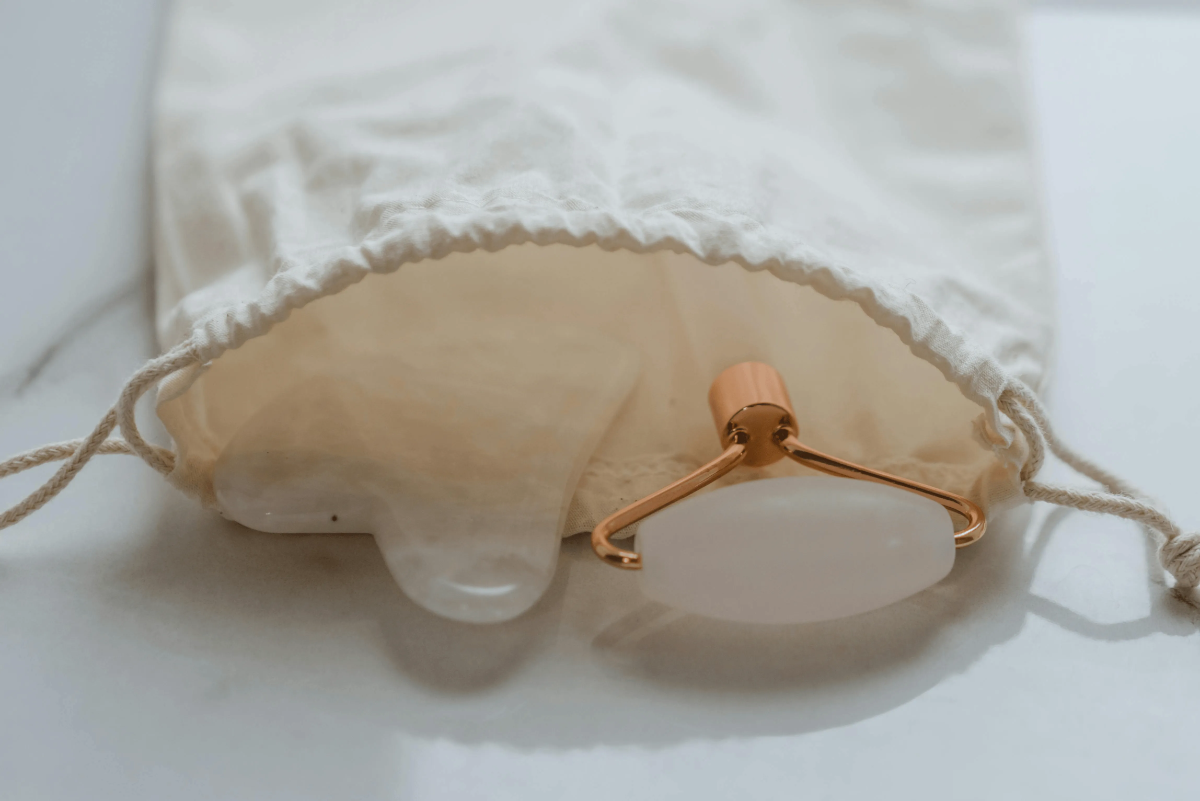
Long before wellness arrived in disposable ampules and scroll-length ingredient lists, people tended to living tissue with objects shaped from the earth’s raw elements: copper crescents, bamboo bristles, rose-hued quartz. Each stroke invited skin, fascia, and breath into dialogue. The instrument held the memory of mornings when the house was silent, and self-care routines preceded the day’s first light. Today, wellness tools are not just objects, but solutions designed to help individuals address their unique needs and improve their well-being, thereby supporting overall health and wellness.
Contemporary laboratories now place numbers beside sensations once carried only in folklore. Light friction across surface tissue quickens blood flow; rhythmic scraping disrupts the biofilm that allows harmful bacteria to linger along the tongue’s surface, and sustained glides encourage lymph away from edematous hollows. Yet datasets do not fully capture the hush that settles when one’s palm meets stone or the way inner weather shifts as circulation stirs beneath the epidermis.
The five tools we explore, tongue scrapers, gua sha stones, dry brushes, fascia instruments, and body combs, emerge from time-tested traditions, ranging from early Ayurvedic routines to traditional Chinese medicine practices. They are described here not as checklists or prescriptions but as invitations to listen. Sustainability, in this context, means respect for both planet and tissue: copper that outlives plastic packaging, quartz quarried without petroleum, bamboo replanted after harvest, and, most crucially, pacing that honors the organ of skin.
If you’re curating a supportive shelf of high-integrity products, explore our pillar guide on essential health and wellness for a broader context on choosing what stays close.
Some links in this post are affiliate links. That means we may earn a small commission, at no additional cost to you.
Tongue Scraper
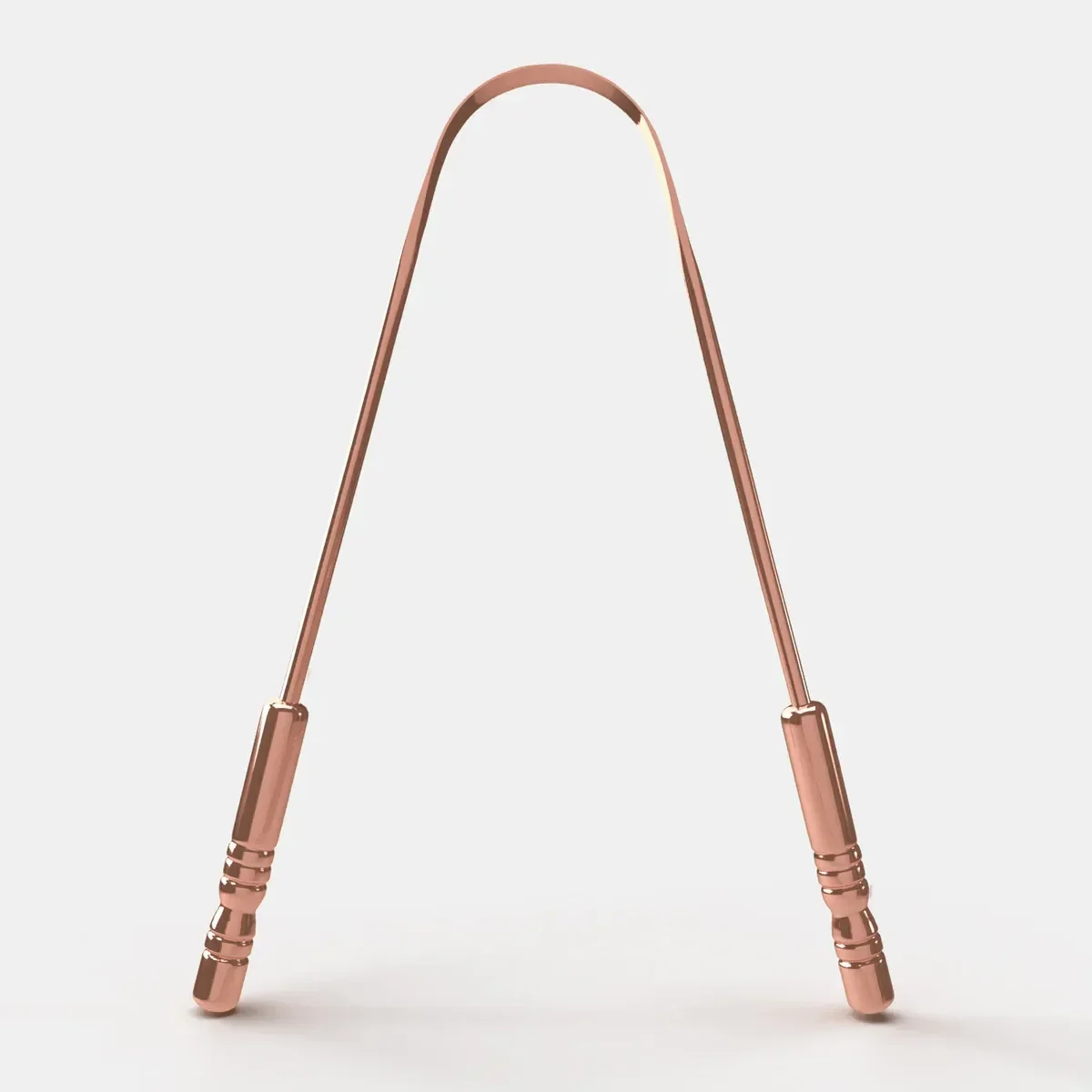
In Ayurveda, the day opens when a slim arc of copper slips across the tongue, lifting the pale film called ama. Dentistry calls the same film tongue coating, a blend of dead cells, food debris, and volatile sulphur compounds that linger in microscopic valleys. A randomized controlled trial on gingivitis noted that adding tongue scraping to an oral hygiene routine lowered volatile sulphur compounds and inflammatory cytokines, renewing breath and gum comfort.
Another systematic exploration in an international journal of dental science concluded that tongue cleaners may curb the microbial populations associated with bad breath, oral diseases, and early tooth decay. Participants described a brighter sense of flavor, lifting taste perception once debris no longer muffled receptors.
Copper holds natural oligodynamic activity against bacteria, whilst stainless steel offers neutrality for those sensitive to metallic tang. Whatever the metal, the crescent travels from back to tip until the entire surface looks clear, followed by a rinse and quiet appreciation of fresher breath. Dentists suggest pausing during mouth ulcers and consulting a professional if persistent gum bleeding occurs. Otherwise, the act fits easily beside floss and toothbrush, extending your oral health beyond paste and bristle.
Gua Sha
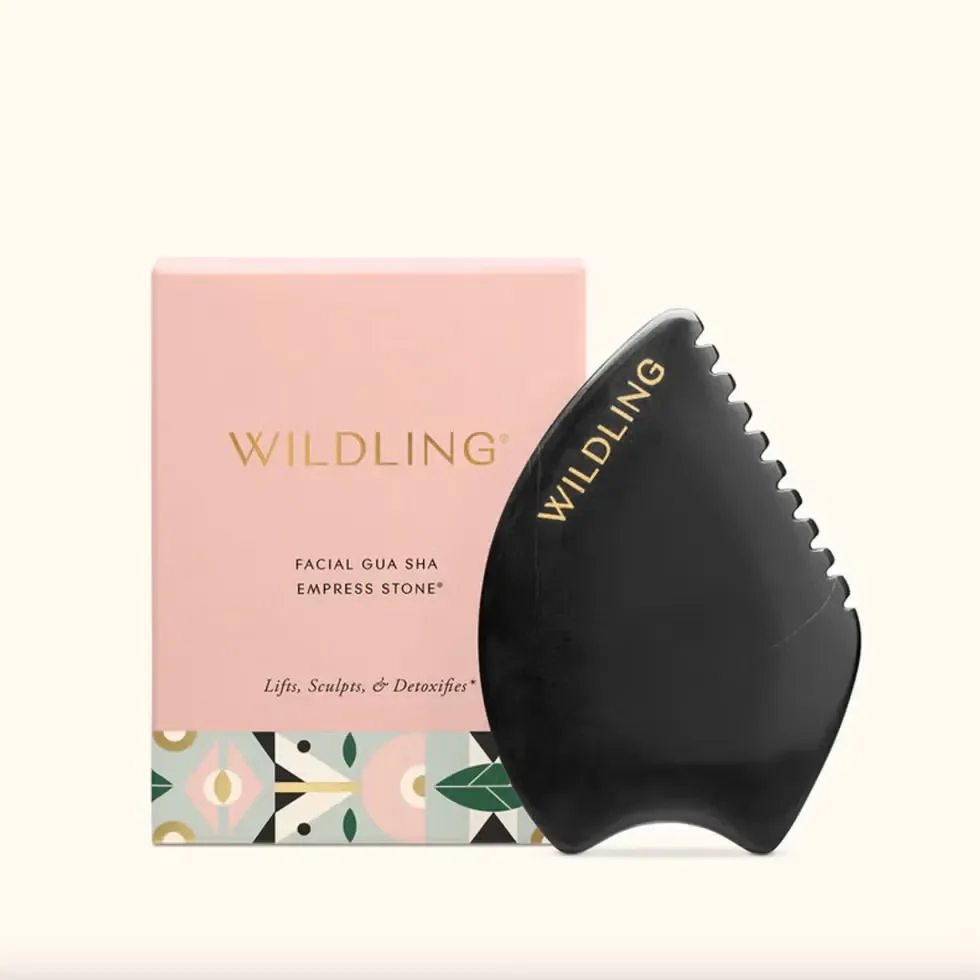
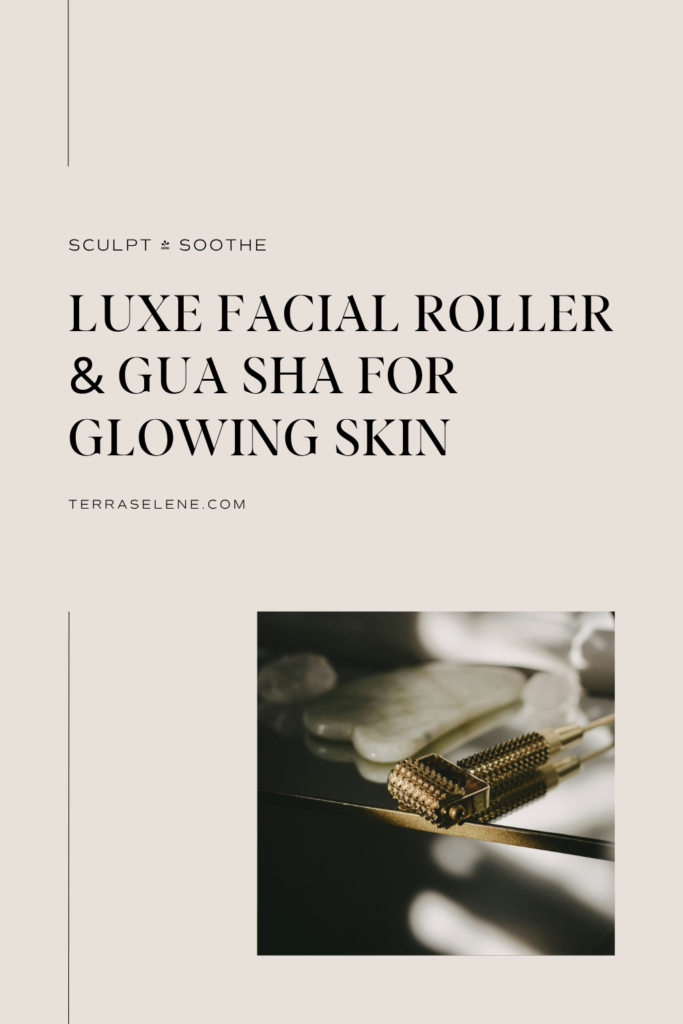
A slice of jade glides along the jaw, and warmth unfurls in its wake. The practice, gua sha, meaning scrape sand, once dispersed fever along meridian lines; today, a refined gua sha treatment moves lymph beneath the cheekbones whilst easing jaw tension, leaving your skin luminous.
Clinical investigators followed volunteers with chronic neck pain and observed that a single gua sha session lessened discomfort and eased motion for a full week. A companion study in Pain Medicine recorded similar outcomes, noting favorable tolerance among all patients. The working hypothesis centers on micro-perfusion: brief, controlled friction encourages capillaries to release nitric oxide, supporting tissue oxygenation and subtle circulation. These effects physically benefit the body by promoting recovery whilst reducing compounding tension.
Stones differ mainly in mineralogy. Bian stone carries ancient seabed fragments and warms rapidly, nestling easily against knotted levator fibers. Rose quartz retains a cool blush that soothes reactive complexions. Regardless of composition, the outcome hinges on light pressure and angle, with the tool nearly parallel to the skin so fascia can slide without trauma.
Within these parameters, gua sha reads less like exfoliation and more like calligraphy. Stroke follows bone contour, lymph turns a hidden corner under the collarbone, and the face recognizes itself anew without injections or voltage. Gua sha can additionally be applied to physically support recovery from tension in the upper body, making it an invaluable and diverse wellness tool for those experiencing tightness or discomfort in their upper extremeties, particularly the shoulders.
For more on clean beauty:
- Health and Wellness Products: Why They Matter
- Zero Waste Skincare: Circular Beauty Guide
- Inside Wellness Centers: The Self-Care Edit That Endures
- Waterless Skincare Guide: Concentrated Care, Zero Waste
Dry Brushing
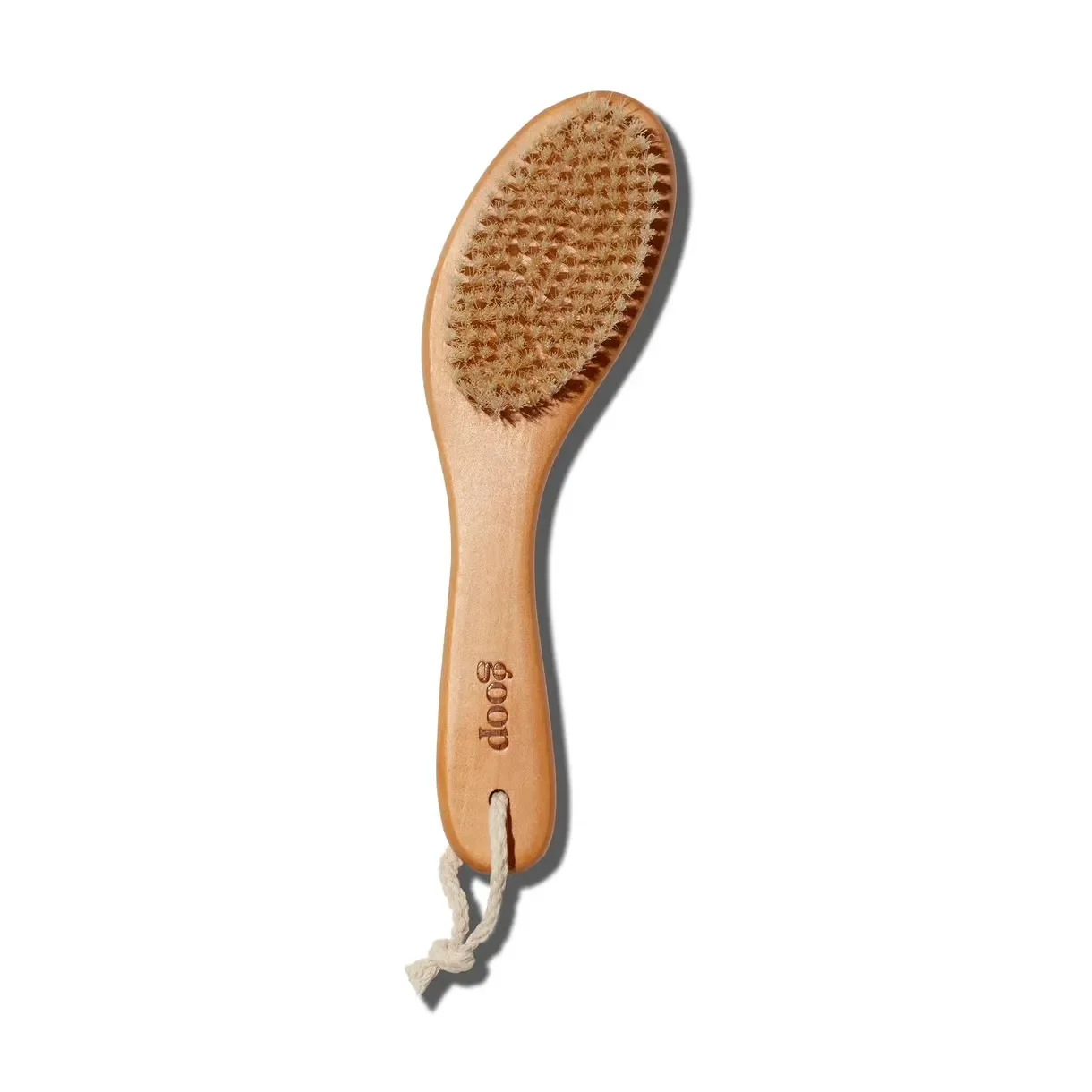
Before the shower steam fogs the mirror, coarse plant bristles skim the shin, thigh, and forearm. The sensation is brisk yet soft, recalling Ayurvedic garshana and the Japanese cloth-based practice kanpumasatsu. Researchers studying kanpumasatsu propose that superficial traction stretches the dermis, opening initial lymphatics and encouraging fluid drift beneath the skin’s surface.
Dermatology reviews note established benefits in brushing away keratinised flakes, leaving the texture visibly softer while pores feel unburdened. The Cleveland Clinic echoes gentle support: exfoliation, a wakeful flush of blood flow, and a brief invigorating spark without caffeine.
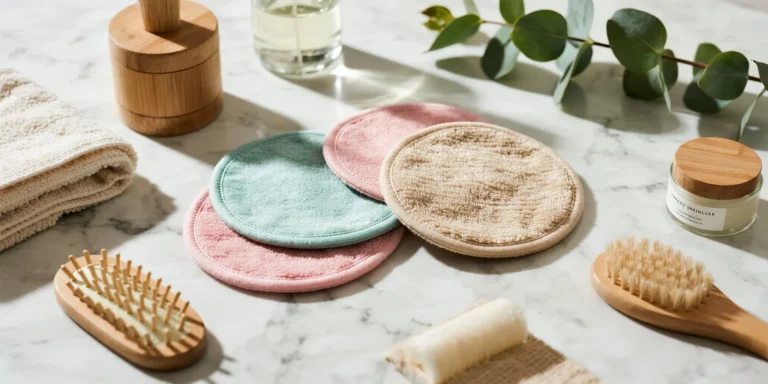
Handles fashioned from sisal or bamboo arise from low-impact harvests, their fibers gliding easily across skin. Synthetic nylon bristles, by contrast, may snag and irritate. Sensation sets the tempo: pause the brush during eczema flares, keep still when sunburn reddens, and settle on feather-light strokes for sensitive skin.
Fascia Tools
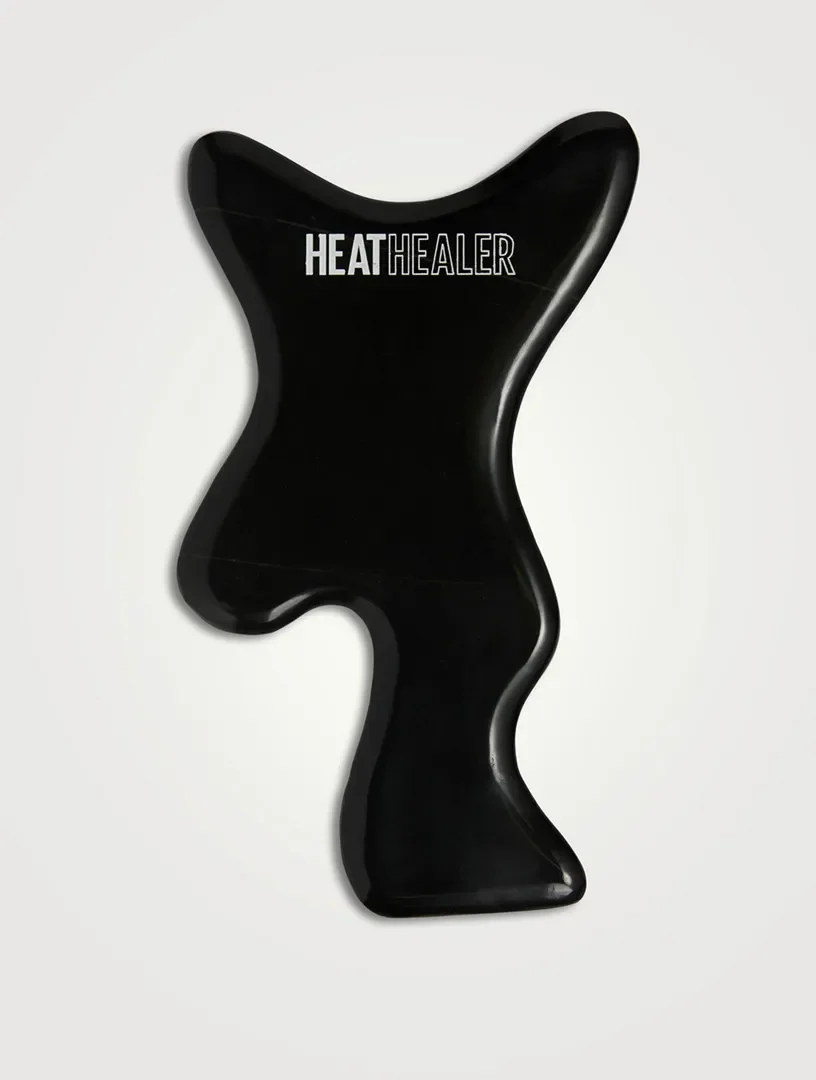
Fascia, a translucent web that cradles every muscle, bone, and organ, can tighten after long hours at a laptop, cramped flights, or the quiet tension of emotional bracing. Wooden gua sha boards, silicone suction cups, and multi-nod fascia tools coax those fibres back into motion, offering solutions for muscle tension and discomfort. In a recent pilot study using ultrasound shear-wave elastography, findings illustrated that regular sessions with these implements restored glide between fascial layers and thinned tissue viscosity.
Therapists view fascia work as a dialogue. The instrument slides until it meets a snag, a dense crossing of collagen, and holds steady pressure until the snag dissolves. Heat blooms; occasionally, breath deepens or an unplanned sigh signals parasympathetic release. The practice situates itself between physiotherapy and meditation, bridging body narrative and emotional imprint without forcing catharsis. Maintaining proper form during self-massage and movement routines is essential to optimizing results and preventing injury.
Pregnancy, active inflammation, or varicosities invite professional guidance. Outside those windows, the implements ask chiefly for patience. If bruising appears or sessions feel painful rather than potent, the solution is slower strokes, thicker oil, and a lighter grip. As fascia, like linen, responds to gentler coaxing.
Body-Combing, Stone Rollers and Other Quiet Allies
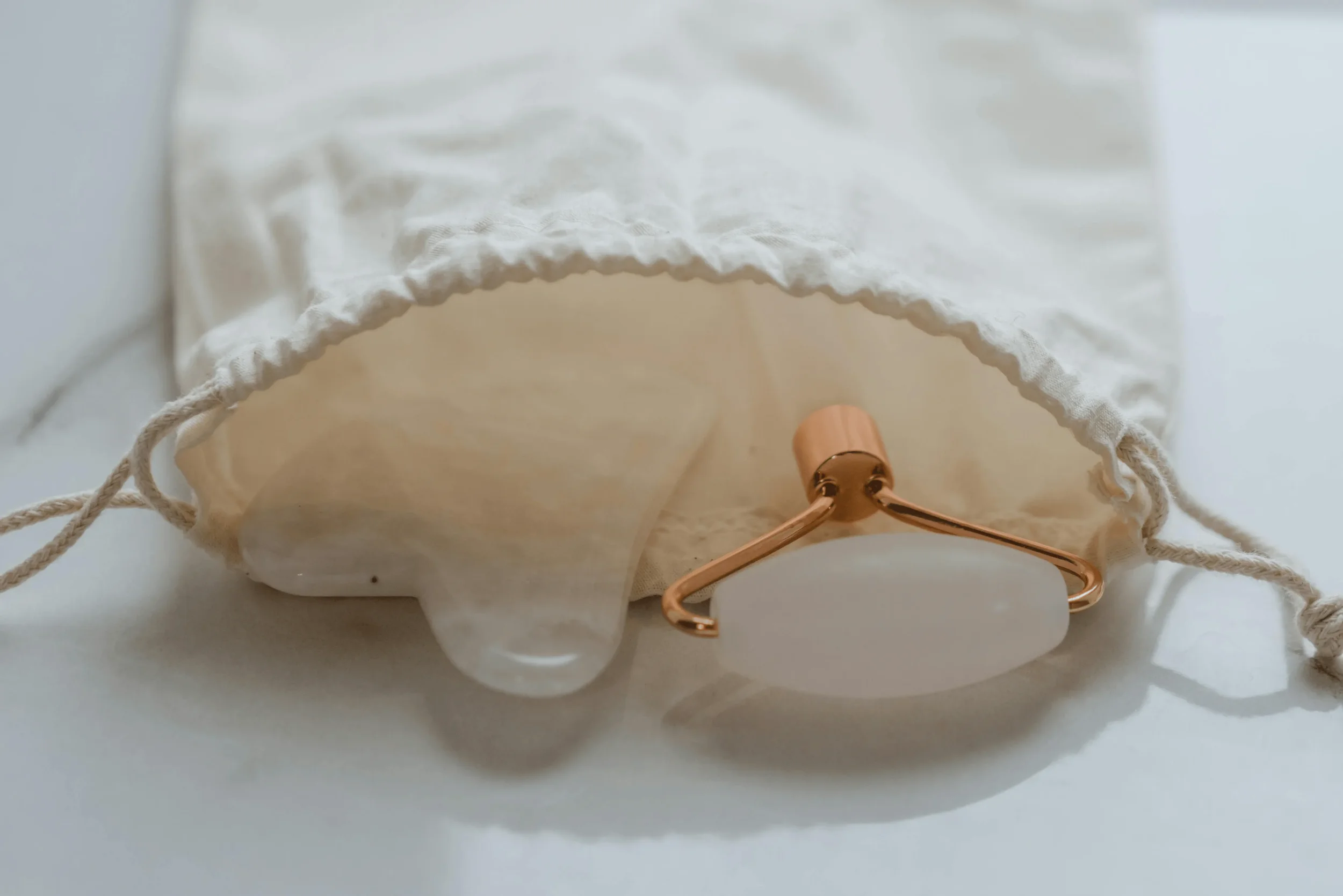
Beyond the headline tools sits a quieter cast of tactile allies, each anchored to a distinct place and moment. In traditional Chinese bathhouses, dense-tooth wooden combs travel the spine in metronomic taps, coaxing meridian points to soften. In high-altitude Latin American birth rooms, basalt stones chilled in clay bowls trace slow spirals over swollen ankles, exchanging stored heat for a deliberate cool that steadies breath.
Facial rollers of jade and amethyst once lived on spa trolleys; now they rest in home freezers beside herbal cubes. A study published in Complementary Therapies in Medicine noted that five minutes with a roller heightened cheek skin blood flow for longer than ten minutes post-massage and, over five weeks, heightened vascular response among healthy volunteers. Although the research speaks to peripheral circulation, devotees also point to the meditative lull of repetitive glide, which mirrors prayer beads or tide rhythm.
Silicone lymph cups lift tissue with negative pressure, inviting a rush of fresh fluid when suction releases. Ayurveda’s kansa wands, domed alloys of copper, tin, and zinc, warm swiftly and carry folklore around skin pH harmony. Yoga mats are an additional supportive tool, providing comfort and support for individuals with sensitive joints. Each object occupies its own micro-season: a roller during allergy-puff mornings, a comb before restorative yoga, a copper dome after hours of screen glare. Many of these wellness tools are designed to be portable. allowing you to bring them into various routines or locations to enhance comfort and well-being. None claims supremacy; instead, each attends a nuance of texture, temperature, or mood.
Digital Wellness Tools
In today’s digital age, wellness is no longer confined to the physical tools on your shelf; your phone, tablet, or laptop can become powerful allies on your journey toward well-being. Digital wellness tools offer a bridge between intention and action, making it easier to track exercise, monitor sleep, and access resources that support your health goals.
From meditation and mindfulness apps that guide you through moments of stress, to fitness trackers that celebrate each step and heartbeat, these tools help you create a sense of balance in daily life. Online therapy platforms and community forums offer support and connection, ensuring that no one has to navigate challenges alone. With just a few taps, you can access services, join a community, or find resources tailored to your needs.
Objects That Refuse to Expire
Clear away the single-use clutter, and what endures are the elemental pieces: a copper crescent polished by dawn routines, a jade edge that fits the jaw’s arc, and a bamboo brush seasoned by time. To pair these tactile rituals with intentionally sourced items, explore health and wellness products for ingredients and devices that stand the test of time. These tools gather a quiet patina instead of heading to landfill; they travel from suitcase to sink ledge, ready whenever touch feels more honest than another bottle.
Their power lies in rhythm. A fortnight of steady use can dial down sulphur breath, revive afternoon circulation, and loosen a jaw set tight by screens. These changes are subtle yet cumulative, suggesting that wellness is a reacquaintance, an ancient healing remembered via palm and tool, breath and micro-movement.
Choose one tool, give it a visible perch, and meet it daily without an agenda. Small, tactile conversations, palm to copper, skin to quartz, anchor Terra Selene’s ethos of intentional care rooted in craft, research, and respect for the planet.
frequently asked questions
Pin This for Later